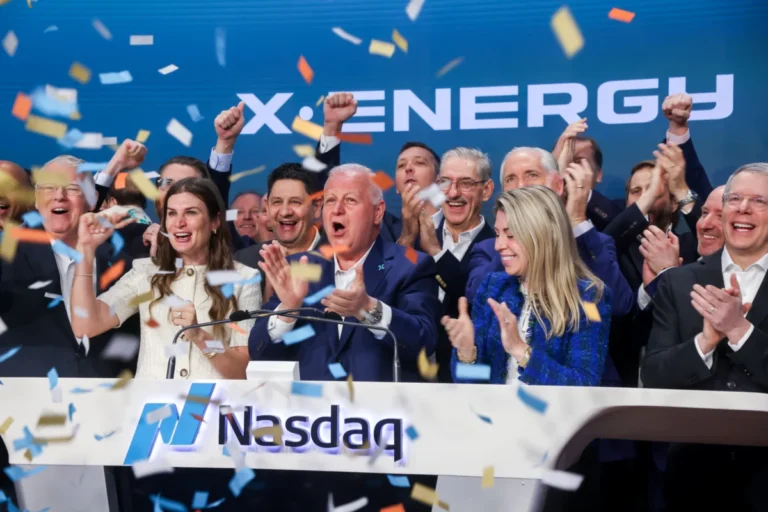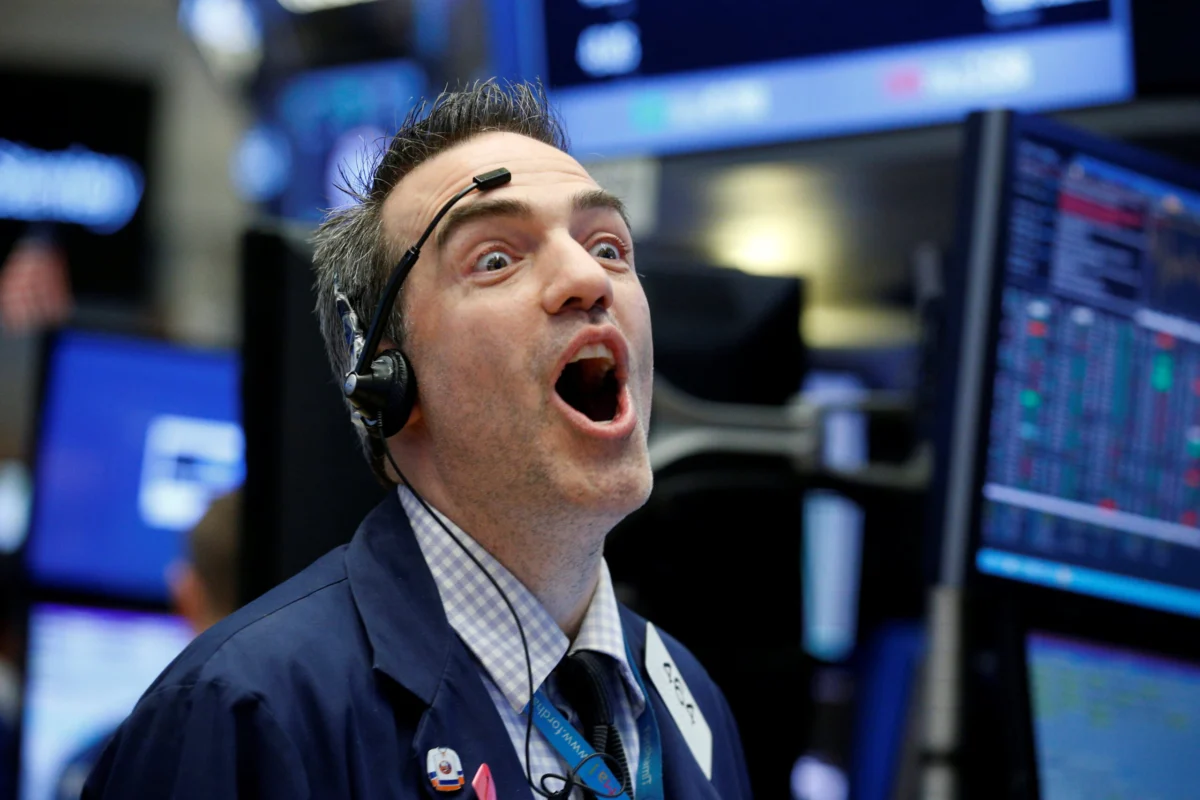
In the intricate tapestry of global finance, the timely and accurate dissemination of market data stands as a foundational pillar, underpinning investment decisions, regulatory oversight, and the very stability of economic systems. The modern financial ecosystem, characterized by rapid algorithmic trading, interconnected global markets, and an insatiable demand for information, relies heavily on a complex infrastructure that aggregates, processes, and distributes vast quantities of data. Yet, despite the pervasive emphasis on "real-time" information, a nuanced reality persists where data latency, aggregation challenges, and the inherent costs of speed create a multi-tiered information environment, exemplified by the distinction between professional-grade immediate feeds and the commonly observed 15-minute delay for many retail investors. Major players like CNBC, as a prominent financial news broadcaster, and Reuters, a venerable provider of raw data, represent critical nodes in this intricate network, each contributing to the informed decision-making process for millions of market participants worldwide.
The Genesis of Financial Information Dissemination
The journey of financial data dissemination has mirrored the broader arc of technological progress. In the nascent stages of organized markets, information moved at the speed of human messenger, with news of prices and transactions often traveling by hand-delivered notes or shouted across trading floors. The mid-19th century marked a pivotal shift with the advent of the telegraph. Paul Julius Reuter, recognizing the commercial potential, established his news agency in 1851, initially using pigeons to bridge telegraphic gaps, before expanding to transmit financial news and stock prices across continents. This innovation dramatically reduced information lag, allowing for more synchronized markets across disparate geographies.
The ticker tape machine, introduced in the 1860s, further revolutionized data access, bringing real-time stock quotes directly to brokerage offices and, eventually, to public spaces. This mechanical marvel transformed market participation by democratizing access to immediate pricing, albeit in a rudimentary textual format. By the early 20th century, radio broadcasts began to carry market updates, broadening the reach of financial news beyond specialized circles. The post-World War II era saw the emergence of electronic display boards and closed-circuit television, predecessors to modern financial broadcasting.
The Digital Transformation and the Quest for Speed
The late 20th century ushered in the digital age, fundamentally altering the landscape of financial data. Computers replaced manual systems, allowing for unprecedented speeds in transaction processing and data aggregation. Dedicated data networks, like those pioneered by Bloomberg and Reuters (now LSEG Data & Analytics), provided direct feeds to financial professionals, offering not just raw prices but also analytics, news, and communication tools. These terminals became indispensable, consolidating a vast array of information into a single interface.
The rise of the internet in the 1990s was a watershed moment. It democratized access to financial information on an unparalleled scale, bringing stock quotes, company news, and market analysis to individual investors’ homes. However, this democratization also highlighted the inherent disparity in data speed. While institutional investors and high-frequency trading firms paid premium rates for direct, co-located feeds that offered sub-millisecond latency, most public-facing platforms, including those operated by major news organizations, often relied on data feeds with a standard 15-minute delay. This delay is primarily a function of licensing agreements and cost structures established by exchanges and data vendors, who monetize immediate access as a premium service.
The Mechanics of Data Flow: From Exchange to Investor
The journey of a single stock quote is remarkably complex. It begins at the exchanges (e.g., NYSE, NASDAQ, London Stock Exchange), where trades are executed and prices are determined. These exchanges then broadcast their raw data feeds to authorized vendors. These vendors, such as Refinitiv (part of LSEG Data & Analytics), Bloomberg, and ICE Data Services, act as aggregators. They collect data from numerous exchanges globally, normalize it, enrich it with additional information (e.g., corporate actions, fundamental data), and then redistribute it to their subscribers.
Financial news outlets like CNBC typically license data from these major vendors. For their broadcast and online platforms, they integrate these feeds, often displaying the delayed data for general consumption while utilizing real-time professional feeds for internal analysis and reporting. This layered approach ensures broad access to contextualized financial information, even if the raw numerical data is not always instantaneous for every user. The "data is delayed at least 15 minutes" disclaimer, commonly found on financial news websites, serves as a transparent acknowledgment of this standard practice, designed to manage expectations and delineate the difference between public and professional data access.
Challenges in a Hyper-Connected World
The relentless pursuit of speed and accuracy in financial data dissemination is fraught with challenges:
- Latency Arbitrage: The minute differences in data transmission speeds can be exploited by high-frequency trading firms, leading to concerns about market fairness and information asymmetry. Regulators globally, including the U.S. Securities and Exchange Commission (SEC) and the European Securities and Markets Authority (ESMA), continuously grapple with ensuring equitable access to market data.
- Data Volume and Velocity: The sheer volume of data generated daily—trillions of bytes from transactions, news, social media, and economic indicators—requires sophisticated infrastructure for storage, processing, and analysis. Managing this "big data" deluge is a constant technical and logistical challenge.
- Cybersecurity: Financial data is a prime target for cyberattacks. Protecting the integrity and confidentiality of these critical information flows is paramount to maintaining market trust and stability.
- Data Quality and Integrity: Errors in data entry, transmission, or aggregation can have significant market impacts. Robust validation and verification processes are essential, yet human and systemic fallibility remains a risk.
- Cost of Speed: The infrastructure required for ultra-low latency data transmission is incredibly expensive, creating a natural barrier for smaller firms and individual investors. This commercial reality underpins the tiered data access model.
The Indispensable Role of News and Analysis: CNBC’s Contribution
While raw data is the lifeblood of markets, its interpretation and contextualization are equally vital. This is where financial news organizations like CNBC play a crucial role. CNBC, established in 1989, has evolved into a global leader in business news, broadcasting live market coverage, interviews with executives and policymakers, and expert analysis. Its value proposition extends beyond merely displaying stock tickers; it provides the narrative, the "why" behind the numbers.
CNBC’s programming offers:
- Contextualization: Explaining market movements in relation to economic reports, geopolitical events, and corporate earnings.
- Expert Commentary: Bringing in economists, strategists, and fund managers to offer diverse perspectives and forecasts.
- Access to Key Players: Interviewing CEOs, central bankers, and government officials, providing direct insights into decision-making.
- Real-time Event Coverage: Broadcasting live from trading floors, conferences, and breaking news events, offering immediate updates and reactions.
By weaving together delayed data with immediate commentary and analysis, CNBC effectively bridges the gap between raw information and actionable intelligence for a broad audience, from seasoned investors to those new to the markets. Its extensive global network ensures that developments in New York, London, Frankfurt, and Tokyo are covered comprehensively, reflecting the interconnectedness of today’s financial world.
Reuters and the Foundation of Global Data
Reuters, established more than 170 years ago, is synonymous with global news and financial data. While its consumer news operations remain a powerful force, its financial data division, now known as LSEG Data & Analytics (following the acquisition of Refinitiv by the London Stock Exchange Group), is a cornerstone of institutional finance. Reuters has historically provided the fundamental, raw data feeds—news wires, foreign exchange rates, bond prices, and commodity data—that power financial institutions worldwide.
The significance of Reuters’ contribution lies in:
- Breadth and Depth: Covering virtually every asset class and market across the globe.
- Speed and Reliability: Known for its rapid news alerts and robust data feeds, critical for professional traders.
- Independence: A long-standing commitment to objective and factual reporting, which builds trust in its data.
- Historical Archive: Maintaining an unparalleled archive of financial news and data, invaluable for research and backtesting.
The footer statement, "Data also provided by Reuters," is a testament to this enduring legacy and its continued role as a primary source for the vast datasets that underpin global financial reporting and analysis.
Implications for Market Participants and the Future
The ongoing evolution of financial data has profound implications:
- For Retail Investors: While access to real-time data remains largely a paid premium, the increasing availability of sophisticated analytical tools and educational content from platforms like CNBC empowers individual investors to make more informed decisions, even with slightly delayed data. The challenge lies in discerning credible information amidst the noise.
- For Institutional Investors: The arms race for sub-millisecond data continues, driving innovation in network infrastructure, co-location services, and algorithmic trading strategies. The strategic advantage derived from superior data access and processing remains a significant competitive differentiator.
- For Regulators: The complexities of data distribution necessitate constant vigilance to ensure market fairness, prevent manipulation, and maintain transparency. The future may see increased regulatory scrutiny on data access fees and the potential for "dark pools" of information.
- Technological Advancements: The future of financial data is likely to be shaped by artificial intelligence and machine learning, which can analyze vast datasets for predictive insights and automate reporting. Blockchain technology also holds potential for creating immutable and transparent data trails, though its widespread adoption in core financial data feeds is still nascent.
In conclusion, the journey from ticker tape to algorithmic trading reflects a relentless pursuit of speed and accuracy in financial information. The ecosystem, comprising exchanges, data aggregators like LSEG Data & Analytics, and media outlets such as CNBC, collectively strives to provide the most comprehensive and timely information possible. While the distinction between real-time and delayed data persists, often dictated by commercial realities and technological capabilities, the overarching objective remains constant: to empower market participants with the knowledge necessary to navigate the complexities of global finance. The integrity, speed, and analytical depth of this information flow will continue to be critical drivers of market efficiency and stability in the years to come.
About the Author