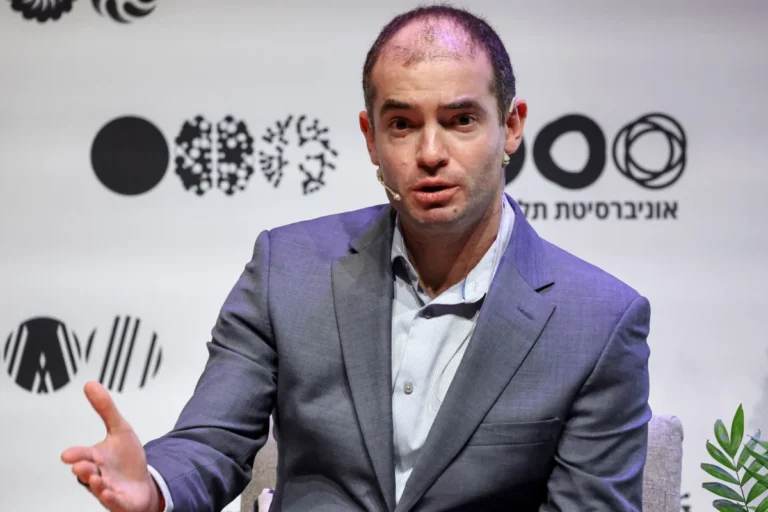
The advent of autonomous AI agents, poised to revolutionize how individuals manage their daily lives through self-directed purchasing and scheduling, faces a foundational challenge: a profound lack of comprehensive human context. These sophisticated algorithms, while adept at executing predefined tasks, currently struggle to synthesize the multifaceted digital personas that define modern human identity. This critical gap is precisely what Nyne, a burgeoning startup co-founded by Michael Fanous and Emad Fanous, aims to address. The company recently announced a successful seed funding round, securing $5.3 million to accelerate its mission of becoming the essential intelligence layer that empowers AI agents to genuinely understand the individuals they serve.
The Dawn of Autonomous AI Agents and the Context Conundrum
The technological horizon is increasingly dominated by the promise of AI agents operating autonomously on behalf of humans. Imagine an AI agent not merely booking a flight based on explicit instructions, but proactively suggesting a weekend getaway based on a nuanced understanding of your recent work stress, expressed interests on social media, and past travel preferences, all while optimizing for your budget and schedule. Such a future, however, hinges on these agents possessing an intelligence far beyond mere data processing—an intelligence rooted in a holistic comprehension of human context.
Current AI capabilities, while impressive in domains like natural language processing and image recognition, often operate in silos. An agent might access a user’s calendar, email, or a specific e-commerce history, but the ability to weave these disparate threads into a coherent tapestry of a human being remains elusive. This fragmented view severely limits an agent’s capacity for truly intelligent, empathetic, and personalized autonomous action. Without this deeper context, AI agents risk making decisions that are technically correct but contextually inappropriate, or even detrimental, to the human user. The vision of AI as a seamless extension of human intent requires an underlying layer that can connect the dots across an individual’s entire digital footprint, transforming isolated data points into actionable insights about preferences, habits, and even unspoken needs.
Unveiling the "Context Gap": Why AI Agents Struggle with Human Nuance
Michael Fanous, a UC Berkeley computer science graduate and former machine learning engineer at CareRev, articulates this challenge succinctly, asserting that contemporary AI agents lack a "critical piece of the puzzle: the full context required to truly understand the people they are programmed to serve." The problem, as Fanous identifies it, is the machine’s inherent difficulty in recognizing that a professional profile on LinkedIn, a series of posts on Instagram, and publicly accessible government records all pertain to the same individual. This inability to establish a unified digital identity across diverse platforms prevents AI agents from building a comprehensive profile necessary for truly autonomous and intelligent decision-making.
The intricacies of digital identity present a formidable hurdle for AI. Humans intuitively piece together information from various sources to form an understanding of another person; a machine, however, sees only distinct datasets. This "context gap" is not merely about aggregating data; it’s about the sophisticated inference and correlation required to synthesize these fragments into a cohesive representation of an individual. Without this, AI agents are condemned to operate with a limited, often superficial, understanding of their human counterparts, thereby diminishing their utility and trustworthiness in autonomous roles. The challenge lies in overcoming the inherent disaggregation of data across the internet and developing a system that can intelligently link these disparate pieces of information to create a rich, multi-dimensional profile of a person. This foundational issue prevents AI agents from moving beyond simple task execution to genuinely anticipatory and personalized assistance.
Nyne’s Innovative Approach: Bridging the Digital Identity Divide
To surmount this fundamental barrier, Michael Fanous joined forces with his father, Emad Fanous, a seasoned Chief Technology Officer (CTO) with a rich background in building complex systems. Together, they founded Nyne, a startup engineered to serve as the critical intelligence layer that enables AI agents to grasp the entirety of a human’s digital footprint. Nyne’s core proposition is to create a unified, context-rich understanding of individuals by meticulously analyzing their public online presence.
Nyne’s methodology is ambitious and scalable. As Fanous explained to TechCrunch, the company deploys millions of specialized agents across the internet. These agents are tasked with methodically analyzing public digital footprints, gathering data from a vast array of sources. Following this data collection phase, Nyne employs advanced machine learning techniques to process, correlate, and synthesize the gathered information. This sophisticated analytical pipeline allows Nyne to triangulate information about a person with remarkable precision. Beyond major social networks like Instagram, Facebook, and X (formerly Twitter), Nyne’s agents also delve into activity on niche platforms such as SoundCloud, Strava, and potentially countless other public forums, review sites, blogs, and professional networks. By casting such a wide net, Nyne constructs a holistic view of an individual’s interests, hobbies, professional affiliations, lifestyle choices, and even nuanced perspectives on specific topics.
This multi-source aggregation and intelligent correlation are what differentiate Nyne. The goal is not merely to collect data, but to extract meaning and build an intricate web of connections that paints a vivid, dynamic portrait of a person. "I can give them any piece of information about a person that could be useful to make the right next action," Fanous stated, emphasizing the actionable nature of Nyne’s insights. He further elaborated, "Once you make all these connections, you can understand a person fairly deeply, their interests, their hobbies, and how they think about very specific things." This deep, real-world understanding is what Nyne promises to deliver to consumer-facing companies deploying AI agents, allowing those agents to move beyond generic interactions to truly personalized and predictive engagement with both existing and prospective customers. The technological backbone involves advanced entity resolution, graph databases, and continuous learning algorithms that adapt to evolving digital identities and new data sources.
A Significant Milestone: Nyne Secures $5.3 Million in Seed Funding
The market’s recognition of Nyne’s critical solution was underscored on Friday with the announcement of its successful seed funding round, which raised $5.3 million. This substantial investment signals strong investor confidence in Nyne’s vision and its technological approach to solving a pervasive problem in the burgeoning AI agent landscape. The funding round was notably led by Wischoff Ventures and South Park Commons, two entities known for their strategic investments in innovative technology startups.
Wischoff Ventures, a solo VC fund founded by Nichole Wischoff, played a pivotal role as a lead investor. South Park Commons, a prominent venture firm and community, also demonstrated significant belief in Nyne’s potential. The round further benefited from the participation of several key angel investors, including Gil Elbaz. Elbaz is a highly respected figure in the tech industry, celebrated as the co-founder of Applied Semantics and a pioneering force behind Google AdSense. His involvement lends considerable credibility to Nyne, given his track record in developing technologies that extract value from vast quantities of online information.
The securing of $5.3 million in seed funding is a critical milestone for any startup, providing the necessary capital to scale operations, expand research and development, and attract top talent. For Nyne, this investment will likely be instrumental in refining its agent deployment mechanisms, enhancing its machine learning algorithms for even greater accuracy in identity resolution, and broadening the scope of public data sources it can effectively analyze. This injection of capital positions Nyne to solidify its foundational technology and begin to establish itself as a leader in the crucial intelligence layer for autonomous AI agents, moving rapidly from its initial development phase to broader market penetration.
Differentiating from Giants: The Unique Challenge of External AI Intelligence
At first glance, Nyne’s endeavor might appear to overlap with solutions already seemingly perfected by tech giants, particularly given the sophisticated ad targeting capabilities demonstrated by companies like Google. Google’s effectiveness in identifying and segmenting its users for advertising purposes is legendary, leading some to question the novelty of Nyne’s mission. However, Michael Fanous, Nyne’s CEO, strongly differentiates his company’s approach and the problem it solves.
Fanous points out that Google’s "secret sauce" is its unparalleled, exclusive access to an enormous trove of proprietary user data. This includes extensive search histories, cross-platform activity across its vast ecosystem of services (Gmail, YouTube, Android, Chrome, etc.), and deep insights into user behavior that are simply not available to external entities. This data advantage is a tightly guarded competitive asset that Google, like other tech behemoths, will never share with external AI agents or third-party developers. Consequently, while Google’s internal AI systems possess an immense understanding of its users, this understanding is walled off from the broader ecosystem of independent AI agents and companies.
"For everyone else, this is an oddly hard problem to solve," explained Nichole Wischoff of Wischoff Ventures, underscoring the unique challenge Nyne is tackling. The difficulty lies in building a comprehensive human context layer without the benefit of proprietary, first-party data access on the scale of a Google. Nyne operates entirely within the realm of publicly available digital footprints, meticulously stitching together disparate pieces of information that any human could theoretically access, but which require advanced AI and machine learning to correlate and understand at scale. This distinction is crucial; Nyne is not attempting to replicate Google’s internal data advantage, but rather to provide a comparable level of human understanding for the multitude of AI agents being developed by companies that do not possess such privileged access. This makes Nyne an enabler for the broader AI ecosystem, democratizing access to the kind of human context that was previously exclusive to a few tech giants.
The Market Imperative: Powering Next-Generation Customer Engagement
The market for the kind of contextual data Nyne provides is not just significant; it is rapidly becoming indispensable for any company leveraging AI agents to interact with customers. Nichole Wischoff emphasized the immense value of this data, particularly for businesses aiming to optimize customer outreach and personalization. She posed a poignant question illustrating the business imperative: "How do I know you’re pregnant and sell you A, B, or C as early as possible?" This query encapsulates the essence of predictive analytics and hyper-personalization that Nyne’s technology can unlock.
In an increasingly competitive digital landscape, generic customer interactions are no longer sufficient. Consumers expect experiences tailored to their individual needs, preferences, and life stages. AI agents, powered by Nyne’s intelligence layer, can move beyond reactive responses to proactive, contextually relevant engagement. For consumer-facing companies, this translates into numerous advantages:
- Hyper-Personalized Marketing: Agents can identify nuanced interests and intent, allowing for highly targeted product recommendations and marketing messages that resonate deeply with individual customers.
- Proactive Customer Service: By understanding a customer’s situation before they even articulate it, AI agents can offer solutions or support proactively, significantly enhancing customer satisfaction.
- Enhanced Lead Generation: Identifying potential customers based on their digital footprint and demonstrated interests can drastically improve the quality and conversion rates of sales leads.
- Optimized Product Development: Aggregated, anonymized insights from broad contextual data can inform product teams about emerging trends, unmet needs, and areas for innovation.
- Fraud Detection and Risk Assessment: While not explicitly mentioned, a deep understanding of digital identities could also contribute to more robust systems for identifying anomalous behavior or assessing risk in various transactions.
While previous generations of adtech companies attempted to gather similar data for targeting, Nyne’s ambition is to achieve this for the burgeoning world of AI agents with far greater precision and depth. The shift is from merely showing an ad to enabling an autonomous agent to engage in a meaningful, context-aware dialogue or transaction. This represents a paradigm shift from broad segmentation to individualized intelligence, offering a transformative advantage to companies seeking to thrive in an AI-driven economy.
A Family Foundation: The Father-Son Dynamic Driving Innovation
The unique founding dynamic of Nyne, spearheaded by the father-son duo of Michael and Emad Fanous, provides an intriguing glimpse into the company’s operational ethos and resilience. Michael Fanous, as CEO, highlights the profound advantages of this familial partnership, particularly in the high-pressure environment of a startup.
"I think with co-founders, it becomes easy to walk away when things don’t work," Michael Fanous candidly remarked. This statement underscores a common challenge in startup ventures, where the intense demands and inevitable setbacks can strain professional relationships, sometimes leading to the dissolution of co-founder teams. However, the familial bond between Michael and Emad introduces a distinct layer of commitment and understanding that transcends typical professional dynamics.
He elaborated on this unique strength: "If I have to ping him at three in the morning to finish a launch, I know he’s going to still love me the next day." This comment speaks volumes about the deep trust, mutual respect, and unwavering dedication inherent in their partnership. In the demanding world of tech startups, where late nights and intense pressure are the norm, such a robust personal foundation can be an invaluable asset. It suggests a higher degree of emotional resilience, open communication, and shared long-term vision that can help navigate the inevitable challenges and uncertainties of building a groundbreaking company. Emad Fanous, with his extensive experience as a veteran CTO, brings invaluable technical expertise and strategic guidance, complementing Michael’s vision and machine learning background. This blend of generational experience and cutting-edge insight, fortified by an unbreakable personal bond, positions Nyne with a unique competitive edge in fostering innovation and enduring the rigorous journey of startup growth.
Broader Implications: Ethical Considerations and the Future of Personalized AI
Nyne’s technology, while promising immense advancements in AI agent capabilities, also opens up broader discussions regarding the ethical implications of data aggregation and personalized AI. The ability to create deeply contextualized profiles of individuals from public data, even without proprietary access, necessitates careful consideration of privacy and responsible AI development.
Nyne’s focus on "public digital footprints" is a key aspect that differentiates it from practices that might involve less transparent data collection. However, even with publicly available data, the act of aggregating and inferring deep insights raises questions about data ownership, consent, and the potential for misuse. As AI agents become more prevalent and autonomous, the intelligence layer provided by companies like Nyne will become increasingly powerful. This power demands a commitment to transparency, robust security measures, and adherence to evolving regulatory frameworks concerning data privacy and AI ethics. The industry as a whole, including innovators like Nyne, will need to continually engage in dialogue about how to balance the immense benefits of personalized AI with the imperative to protect individual rights and prevent unintended consequences.
Ultimately, Nyne’s mission represents a pivotal step towards a future where AI agents can genuinely augment human capabilities, acting as intelligent, empathetic extensions of their users. By addressing the critical "context gap," Nyne is not just building a product; it is laying a foundational layer for the next generation of AI, one that understands humans not as fragmented data points, but as complex, multi-dimensional individuals. The $5.3 million seed funding is not just an investment in a startup, but a vote of confidence in a future where AI intelligence is truly human-centric, ushering in an era of more intuitive, personalized, and ultimately, more valuable AI interactions across the digital landscape. The success of companies like Nyne will largely determine the pace and direction of this transformative shift, highlighting the crucial role of bridging the gap between raw data and genuine human understanding.
About the Author