In an increasingly fragmented and often contentious digital media landscape, a new player has emerged aiming to redefine how users consume news on social platforms. SaySo, a short-form video application designed to deliver curated news from a vetted network of creators and independent journalists, officially launched for iOS users across the U.S. and Canada this month, following a successful private beta that commenced in November. The app positions itself as a critical counterpoint to the pervasive issues of misinformation, AI-generated "slop," and declining trust that currently plague dominant platforms like TikTok, Instagram, and YouTube, where a significant portion of the global population now turns for their daily news updates.
The launch of SaySo comes at a pivotal moment, as public trust in both traditional news outlets and burgeoning social media platforms continues its precipitous decline. Recent data underscores this growing crisis: a Pew Research study from October 2025 revealed that only 56% of U.S. adults expressed a lot or some trust in national news media, a figure that has seen a steady erosion over the past decade. Simultaneously, the very social platforms that have become de facto news aggregators are under intense scrutiny. Concerns about the rampant spread of misinformation and the proliferation of low-quality, AI-generated content—dubbed "AI slop"—have reached a fever pitch, driving user frustration and deepening skepticism. Adding to this complex environment are significant legal and geopolitical pressures, exemplified by ongoing lawsuits against Meta related to the alleged harm caused to young users and persistent national security concerns surrounding the ownership structure of American TikTok. These converging factors create a fertile ground for new models of news delivery that prioritize accuracy, transparency, and user well-being.
The Erosion of Trust and the Rise of Social News
For years, social media platforms have steadily encroached upon the traditional domain of news organizations, transforming into primary sources of information for a vast global audience, particularly younger demographics. A 2024 report by the Reuters Institute for the Study of Journalism highlighted that over half of all internet users now access news via social media at least once a week, with platforms like TikTok and Instagram experiencing exponential growth as news channels. This shift, while democratizing access to information, has simultaneously introduced profound challenges. The algorithmic amplification inherent in these platforms often prioritizes engagement over accuracy, creating an environment where sensationalism, partisan narratives, and outright falsehoods can spread virally, often with devastating real-world consequences.
The phenomenon of "AI slop" further exacerbates these issues. With advancements in generative artificial intelligence, the internet is increasingly awash with synthetic content—from poorly written articles to algorithmically generated videos—that blurs the lines between genuine reporting and manufactured filler. This deluge not only makes it harder for users to discern truth from fiction but also contributes to a general sense of content fatigue and distrust. Users frequently report feeling overwhelmed by the sheer volume of low-quality, irrelevant, or misleading information cluttering their feeds, a stark contrast to the intentional, curated experience SaySo aims to provide.
High-profile controversies have only deepened public skepticism. The aforementioned lawsuits against Meta Platforms, stemming from allegations that its platforms intentionally design features that are addictive and detrimental to the mental health of young people, have cast a long shadow over the entire social media industry. These legal battles underscore a growing societal demand for greater accountability from tech giants regarding their platforms’ impact. Concurrently, the ongoing debate surrounding the ownership of American TikTok by Chinese company ByteDance has ignited bipartisan concerns in the U.S. over data security, potential foreign influence on content, and national security implications, leading to legislative efforts to mandate a sale or ban the app. These events collectively highlight a profound crisis of confidence in the integrity and ethical operation of dominant social media platforms, making the timing of SaySo’s launch particularly pertinent.
SaySo’s Approach: Intentionality and Curation
In response to this tumultuous media landscape, SaySo enters the market with a distinct proposition: to offer a more intentional, personalized, and trustworthy news experience that consciously avoids the pitfalls of endless scrolling and algorithmic manipulation. The app is built on a foundation of curated content, delivered through short-form video, a format that has proven immensely popular and effective in capturing attention in the digital age.
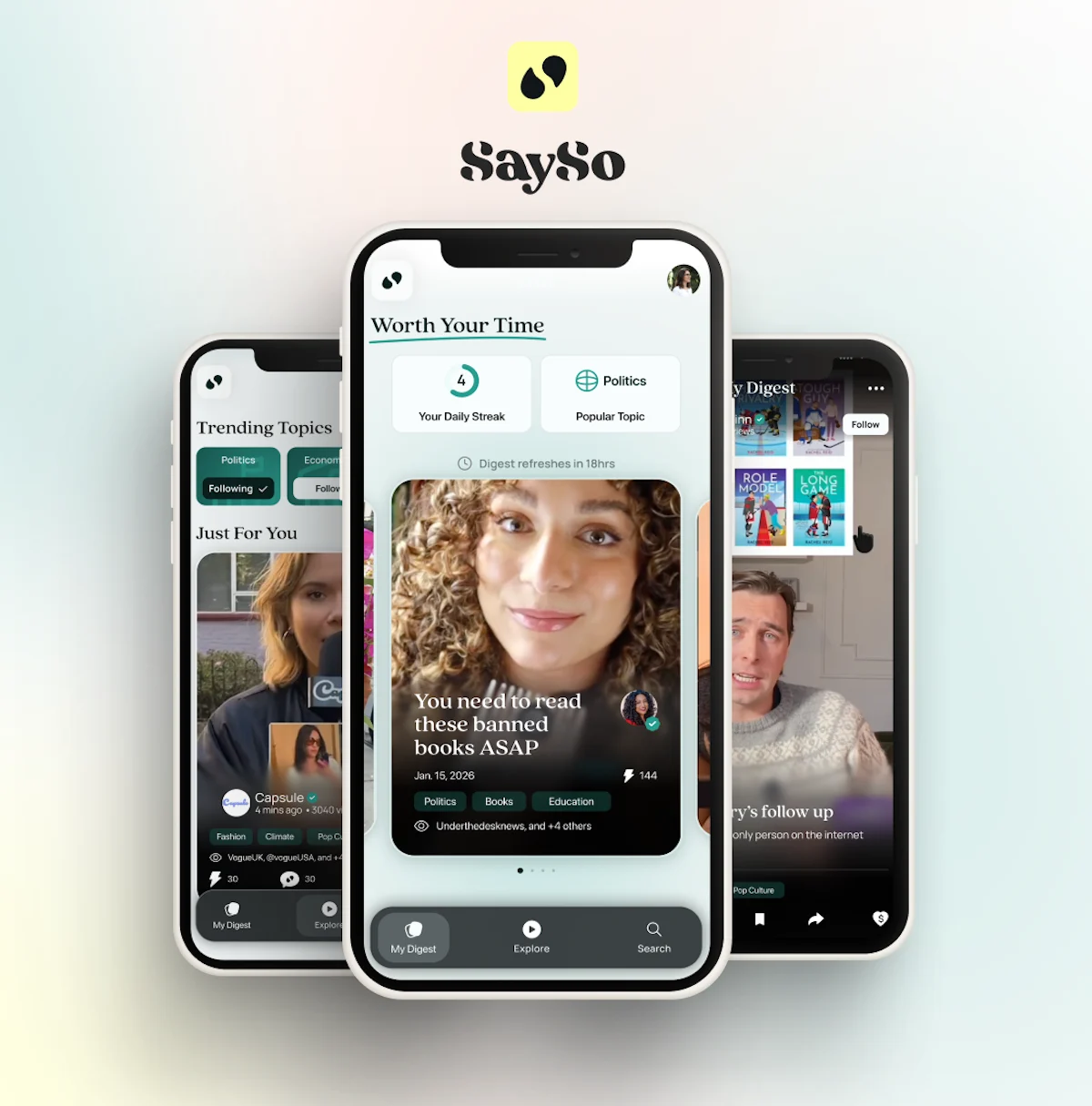
A cornerstone of SaySo’s design philosophy is its "Daily Digest" feature. Upon creating a user profile, individuals are prompted to select topics of interest from a diverse range, including politics, social issues, public health, and crime. Based on these preferences, the app curates a personalized set of news videos each day. This selection is dynamic, refreshing every 20 hours, ensuring users receive timely updates without being overwhelmed by a constant stream of information. This proactive curation stands in stark contrast to the reactive, algorithm-driven feeds of conventional social media, where users often feel compelled to endlessly scroll to find relevant or reliable content. SaySo’s approach aims to provide a finite, digestible news package, fostering a sense of completion and control over one’s news consumption.
Beyond the personalized digest, SaySo also includes an "Explore" page, allowing users to broaden their horizons and discover additional content from a wider array of vetted creators. This feature facilitates serendipitous discovery while still operating within the app’s overall framework of quality control. Standard social media functionalities such as the ability to follow creators, like, save, comment on, and share videos are also integrated, fostering a sense of community and interaction around news content, but critically, within a more controlled and moderated environment.
Building Trust Through Transparency and Moderation
Perhaps the most critical differentiator for SaySo, particularly in the current climate of widespread misinformation, lies in its robust commitment to content integrity and transparency. The app mandates that all creators include direct sources of information within their videos. This requirement is a direct response to the prevalent issue on other platforms where claims are often made without any verifiable backing, forcing users to undertake their own fact-checking or simply accept information at face value. By embedding source attribution, SaySo aims to empower users to verify information independently and foster a culture of journalistic accountability among its creators.

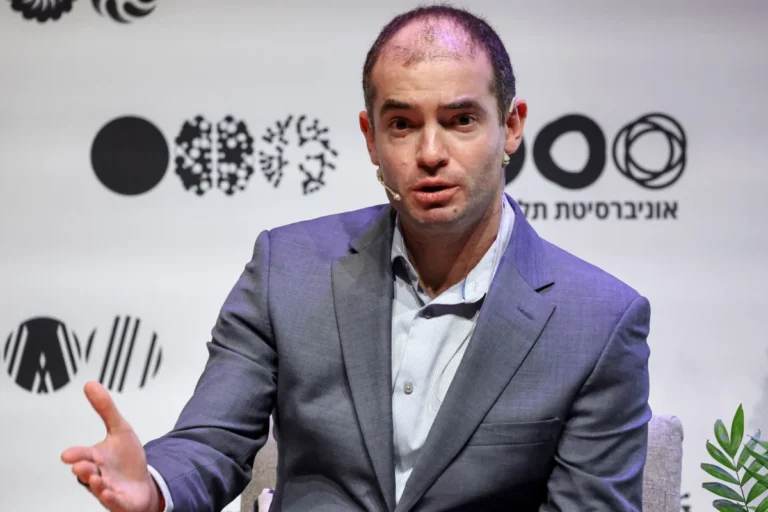
The platform employs a multi-layered moderation system that combines human oversight with advanced AI tools to ensure content integrity. Dion Bailey, co-founder and CTO of SaySo, elaborated on this rigorous process in a statement to TechCrunch: "Content doesn’t auto-publish. Everything goes through a moderation queue, so most problems are caught before they reach readers. If something slips through and gets flagged, we investigate, address it directly with the creator, and take it down if it crosses the line." This pre-publication moderation, coupled with post-publication review mechanisms, represents a significant departure from the largely reactive content moderation strategies of many larger social media platforms, which often struggle to keep pace with the sheer volume of problematic content.
Further enhancing its commitment to accountability, SaySo is actively developing a "community notes" feature. This crowdsourced fact-checking initiative will allow users to participate directly in the content verification process, similar to models successfully implemented by platforms like X (formerly Twitter) and TikTok. By leveraging the collective intelligence of its user base, SaySo aims to create a dynamic and transparent system for correcting inaccuracies and contextualizing information, further reinforcing trust and fostering a shared responsibility for content integrity.
The Creator Economy and SaySo’s Vision
Central to SaySo’s model is its emphasis on empowering independent journalists and content creators. At its launch, the platform onboarded approximately 30 creators, each bringing a unique voice and expertise to the app. Notable examples include Nico Agosta, known for his "Stocking the Capitol" video series which scrutinizes the financial dealings of U.S. Congress members; Dr. Victoria, who focuses on racial justice and social change; and Isabel Ravenna, an independent journalist whose work has appeared in prestigious outlets such as National Geographic. These creators represent the caliber of journalistic talent SaySo aims to attract, fostering a community dedicated to substantive, well-researched content.
The question of creator monetization is a critical aspect of any new platform seeking to attract and retain talent. Ramin Beheshti, SaySo’s CEO and co-founder, addressed this, stating that "many [creators] have come on as founding partners and are receiving a stipend from day one. Over the coming months, we’ll be building out the full monetization infrastructure, and when that revenue flows, the vast majority goes directly to creators." While Beheshti declined to provide specific details on the future monetization model or the exact revenue split, this early commitment to supporting creators financially signals SaySo’s intent to build a sustainable ecosystem for quality journalism. This approach contrasts sharply with the often opaque and challenging monetization pathways offered by larger social platforms, where creators frequently struggle to earn a living wage despite generating significant engagement.
Beheshti brings significant industry experience to his role, having previously served as chief product and tech officer at Dow Jones, a testament to his understanding of both traditional media and technological innovation. His leadership, alongside Dion Bailey’s technical expertise, forms the core of SaySo’s strategic direction.
From The News Movement to Caliber: A Strategic Rebranding
SaySo is the flagship application of Caliber, a company with a history rooted in a forward-thinking approach to news. Originally founded in 2022 as The News Movement, the organization underwent a strategic rebranding in 2025. This evolution reflected a refined focus on social, short-form journalism and a broader mission to innovate in the digital media space. The name change to Caliber signifies a commitment to quality, precision, and a high standard of journalistic practice, values that are clearly embodied in the SaySo app.
Ramin Beheshti articulated the overarching vision behind this transformation: "We wanted to build a new breed of news product that helped people, rather than add to the familiar overwhelm so many of us experience. Overlay that with what building Caliber has taught us about creators and the changing shape of modern media, and we believe we’ve unlocked something very special." This statement encapsulates the company’s ambition to move beyond merely reporting news to actively improving the user’s relationship with information, addressing the pervasive issues of information overload and content fatigue.
Market Implications and Future Outlook
The launch of SaySo represents a significant development in the ongoing evolution of digital news consumption. Its success could provide a viable alternative for users increasingly disillusioned with the existing social media landscape and seeking more reliable, curated, and less overwhelming sources of information. For independent journalists and content creators, SaySo offers a potentially lucrative and ethically aligned platform to disseminate their work, free from the often-arbitrary algorithms and monetization challenges of larger platforms.
Looking ahead, Caliber has ambitious plans for SaySo’s expansion. The company intends to launch the app in the United Kingdom during the summer of 2026, followed by further expansion into additional international markets throughout 2026 and 2027. This phased global rollout suggests a strategic approach to building a strong user base and creator community, gradually extending its reach while refining its model.
SaySo enters a competitive, yet ripe, market. While it faces the challenge of attracting users away from deeply entrenched habits on platforms like TikTok and Instagram, its focused value proposition—trustworthy, curated, short-form news—directly addresses many of the frustrations users currently experience. The app’s emphasis on human moderation, mandatory source attribution, and community fact-checking mechanisms positions it as a potential leader in the movement towards more responsible and transparent digital journalism. Its success will not only depend on its ability to execute its technological and editorial vision but also on its capacity to foster a vibrant community of both informed users and ethical content creators, ultimately contributing to a more discerning and less misinformed digital public sphere.
About the Author