The potential closure of the Strait of Hormuz by Iran looms as a military strategy with profound and far-reaching consequences for the global economy, extending far beyond the immediate specter of surging oil prices. Experts warn that such a move could trigger widespread disruptions across critical supply chains, impacting everything from metals and manufacturing to agriculture and food prices. Crucially, this geopolitical chokepoint holds the potential to severely compromise the availability and affordability of essential medicines in the United States, particularly generic drugs, raising urgent questions about the resilience of the nation’s healthcare infrastructure. The immediate concern revolves around the finite lifespan of existing prescription stockpiles before a potential U.S.-Iran conflict escalates into a significant public health crisis on American soil.
The Geopolitical Nexus: The Strait of Hormuz and its Global Significance
The Strait of Hormuz, a narrow waterway connecting the Persian Gulf to the Arabian Sea, stands as one of the world’s most vital maritime chokepoints. Approximately one-fifth of the world’s total petroleum liquids consumption, or about 21 million barrels per day, transited the Strait in 2023, according to the U.S. Energy Information Administration. This strategic corridor is indispensable for the global energy market, serving as the primary conduit for oil exports from major producers like Saudi Arabia, Iran, the UAE, Kuwait, and Iraq. Any significant disruption to traffic through the Strait has immediate and severe ramifications for global energy prices and supply stability, directly impacting transportation costs and raw material inputs worldwide.
Beyond crude oil, the Strait facilitates the movement of vast quantities of refined petroleum products, liquefied natural gas (LNG), and a diverse array of other goods essential for international trade. Its strategic importance makes it a frequent flashpoint in regional tensions, with past incidents involving naval maneuvers, threats to shipping, and direct confrontations underscoring its inherent volatility. For India, a burgeoning economic power and a global pharmaceutical manufacturing hub, the Strait of Hormuz is particularly critical. India depends on this waterway for approximately 40 percent of its crude oil imports, a substantial portion that underpins its industrial and economic activities. This heavy reliance creates a direct, albeit often unseen, vulnerability for the American consumer, linking a Middle Eastern maritime chokepoint directly to U.S. pharmacy counters.
India’s Pivotal Role in the U.S. Generic Drug Market
The United States sources nearly half of its generic prescriptions from India, accounting for roughly 47 percent of the total volume, as highlighted by Rohit Tripathi, vice president of industry strategy for manufacturing at RELEX Solutions, a Helsinki-based pharmaceuticals supply chain planning software company. This staggering figure underscores India’s indispensable role in ensuring access to affordable medications for millions of Americans. Generic drugs themselves constitute approximately 90% of all prescriptions filled in the U.S., making their uninterrupted supply a cornerstone of the national healthcare system, crucial for managing chronic conditions and acute illnesses alike.
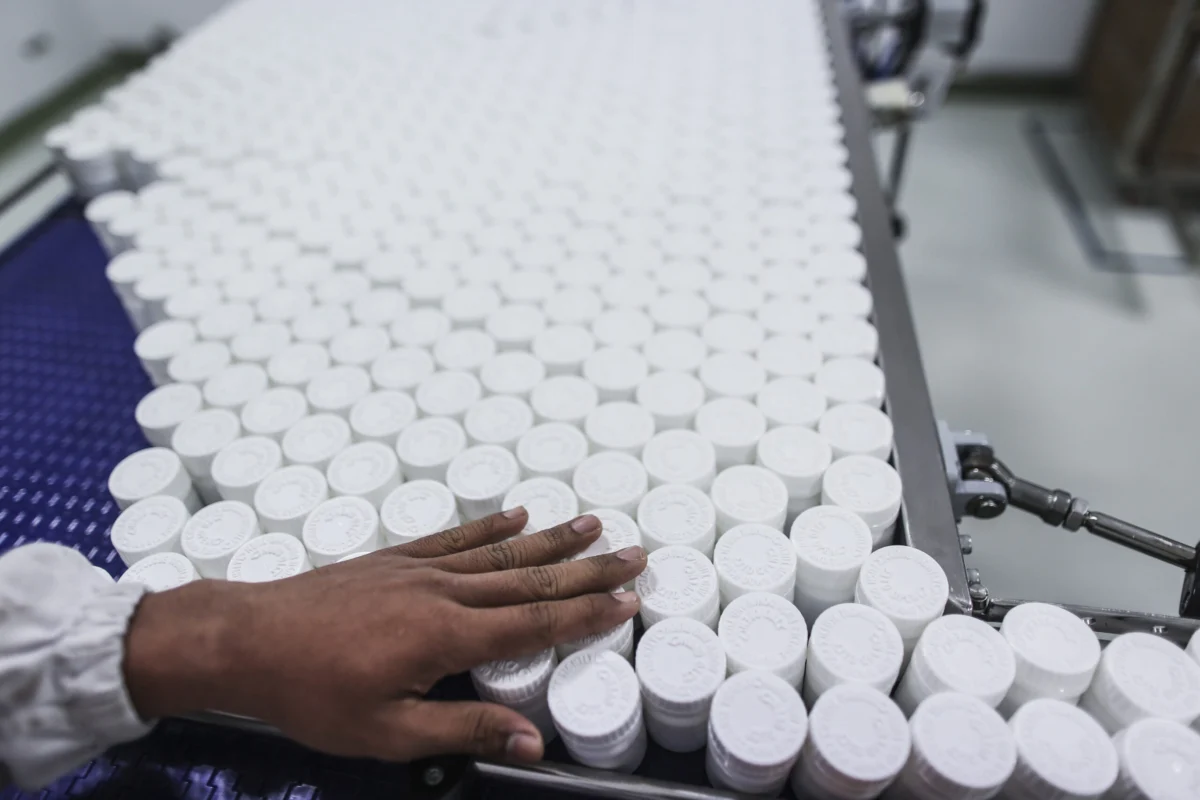
The seemingly distant connection between Middle Eastern oil routes and American medicine cabinets becomes acutely clear when examining the manufacturing process. The crude oil imported by India through the Strait of Hormuz is processed into petrochemical inputs. These petrochemicals are fundamental building blocks for a vast array of pharmaceutical ingredients and excipients – the inactive substances that carry the active drug in a medicine. For example, many solvents, binders, and coatings used in pill production are derived from petroleum. "That oil ultimately feeds into the petrochemical inputs used throughout pharmaceutical manufacturing. So even though American consumers are not buying medicines directly from the Gulf, they are still at the end of a supply chain that runs through it," Tripathi explained, emphasizing the intricate global dependencies that often remain opaque to the end consumer.
Vulnerable Ingredients and Medications: A Looming Shortage Threat
The ramifications of a Strait closure extend beyond direct energy costs to the very molecular components of medicines. Multiple ingredients required for drug manufacturing in India frequently traverse complex global logistics networks, often passing through Gulf logistics hubs. Chemical inputs produced in China, for instance, are commonly consolidated by distributors in strategic locations like Dubai and across the UAE before being shipped onward to Indian drug manufacturers. This multi-leg journey means that even materials not directly sourced from the Gulf can be impacted by disruptions to regional shipping and port operations. Even when ingredients move directly from China to India, the manufacturing processes remain heavily reliant on petrochemical supplies originating from the Gulf.

Steve Blough, chief supply chain strategist at Infios, a supply chain execution software firm, cautions that "disruptions around the Strait of Hormuz could quickly ripple into global pharmaceutical supply chains and eventually affect U.S. consumers." He warns that such a situation could manifest rapidly as critical medicine shortages and escalating costs in the U.S. Mark Kahn, former dean of the University of Nevada, Las Vegas medical school and current chief of hematology, points to specific petroleum-based ingredients at risk. Glycerin, a common medication ingredient used as a solvent, humectant, or sweetening agent in numerous formulations, and phenol, a crucial precursor for acetaminophen (paracetamol), are direct derivatives of petroleum. If oil supplies are choked off or severely curtailed, the production of these foundational chemicals would be severely impacted, leading to potential manufacturing slowdowns or halts for a wide range of essential drugs.
Dr. William Feldman, associate professor of medicine in the division of pulmonary, critical care, sleep medicine, clinical immunology & allergy at the David Geffen School of Medicine at UCLA, echoes these concerns, particularly for generic drugs due to their inherently tight profit margins. "I worry about generic drugs in particular, which represent 90% of prescriptions filled in the U.S. and deliver thin profit margins for manufacturers," he stated. He elaborated that prolonged or widening conflict could significantly raise operational costs for generic drug firms, inevitably leading to higher prices for patients and potential shortages of essential medications. This vulnerability is exacerbated by the fact that India and China collectively serve as the largest suppliers of generic drugs to the U.S., creating a concentrated point of failure in the global supply chain.
The list of potentially affected medications is extensive, encompassing high-volume, commonly prescribed drugs critical for managing chronic conditions. These include common antibiotics like amoxicillin, blood-pressure medications such as metoprolol, diabetes drugs like metformin, statins for cholesterol management, and widely used painkillers. Furthermore, some temperature-sensitive therapies, including certain cancer treatments, could also face severe disruptions due to the complex logistical challenges involved in their transport and storage. Beyond oral medications, Amanda Chawla, senior vice president and chief supply chain and post-acute care officer at Stanford Health Care, highlights risks to medical devices and supplies that rely on petroleum or its by-products for manufacturing, such as insulin syringes, hand sanitizers, nitrile exam gloves, and various ointments. The escalating price of oil directly translates to increased production costs for all such goods, making them more expensive or scarcer.
Economic and Logistical Ripple Effects: A Complex Web of Challenges
The economic fallout from a Strait of Hormuz closure would be multifaceted and immediate. The most obvious impact would be a dramatic surge in crude oil prices, potentially reaching unprecedented levels, which would then cascade through the entire global economy. Fuel costs would affect the price of virtually every commodity and service, from manufacturing to transportation and agriculture, with the most pronounced effects on generic drugs due to their already razor-thin profit margins. Manufacturers, operating on slender returns, would find it challenging to absorb increased input costs without passing them on to consumers or, worse, discontinuing production of less profitable but medically essential drugs, potentially leading to widespread product discontinuation.
Beyond raw material costs, the logistical challenges would be immense. Recent supply chain disruptions, such as those seen during the COVID-19 pandemic and more recently in the Red Sea due to Houthi attacks on shipping, serve as stark warnings of how fragile global maritime trade routes can be. Tripathi notes that "early signals are already starting to show up in freight markets, with some reports of rising air cargo rates out of India and growing concern among manufacturers about potential inventory pressure." Blough reports that air cargo rates from India have already reportedly climbed 200 to 350 percent for some routes. Such exponential increases in transportation costs place immense strain on pharmaceutical supply chains, where efficiency and cost-effectiveness are paramount.
Sea freight, the primary mode for high-volume shipments, presents its own set of complications. Shipping delays not only inflate costs and extend transit times for finished medicines but also pose significant risks to cold-chain integrity. Many pharmaceutical products, including vaccines, insulin, and certain cancer treatments, require stringent temperature control to maintain efficacy. While some shipments utilize advanced cryogenic containers, a substantial portion still relies on cooler-style packaging that necessitates regular replenishment of ice or battery-powered fans to prevent spoilage. Refrigerated "reefer" containers operate on strict transit timelines; canceled sailings and diverted routes mean some containers could become stranded at origin ports or diversion hubs lacking the power capacity to maintain large volumes of refrigerated cargo, leading to massive losses of critical medicines.
A cascading problem emerges: full containers cannot move, in-transit cargo must remain cold, and manufacturers struggle to secure the specialized equipment needed for subsequent shipments. Furthermore, empty containers risk becoming trapped in the Middle East, preventing their return to Asia to load new cargo. This shortage of containers, a common feature of previous supply chain crises, would force Indian exporters to compete fiercely for limited cargo space, further driving up costs and exacerbating delays. In extreme scenarios, carriers might even declare force majeure, absolving them of liability for delays or damage caused by the disruption, leaving pharmaceutical companies and, ultimately, patients to bear the brunt of unforeseen logistical failures.

Industry Preparedness and Government Responses: A Balancing Act
Amidst these dire warnings, there are also voices of reassurance and evidence of enhanced supply chain resilience. The central question for healthcare supply is one of timing. Most manufacturers and distributors currently maintain 30 to 60 days of buffer stock, according to Tripathi. This initial buffer might allow the first two to four weeks of a disruption to feel manageable, providing a crucial window for alternative arrangements. However, once these reserves dwindle, the products most vulnerable would likely be everyday generics with already tight supply chains and thin margins, as manufacturers prioritize more profitable items or face production stoppages.
Kathleen Jaeger, the U.S. spokesperson for the Indian Pharmaceutical Alliance, a trade organization representing India’s generic drug industry, emphasized that consumers should not anticipate immediate empty medicine cabinets. "There is no risk today. People will watch and be mindful, but when you realize this industry has gone through Covid, the Red Sea issue, and Ukraine, everyone is doing their very best to manage these disruptions," she stated. Jaeger noted that most companies typically stockpile three to six months’ worth of medication, indicating extensive planning for potential disruptions and a proactive approach to risk management. Major Indian generic manufacturers, including Sun Pharma, Dr. Reddy’s Laboratories, and Lupin (which collectively supply a significant share of U.S. generic prescriptions), have deferred to the Alliance’s reassurances rather than issuing independent statements on the conflict, suggesting a unified industry stance.
Furthermore, efforts to enhance supply chain resilience are underway. Jaeger highlighted the importance of lasting public-private partnerships in facilitating some Indian drug companies’ production capabilities within the U.S. These collaborations aim to de-risk global dependencies and foster domestic manufacturing capacity. Some Indian firms have begun to invest more substantially in reshoring initiatives. For instance, Lupin announced plans to invest $250 million to construct a new production facility in Coral Springs, Florida, specifically focusing on respiratory drugs. These investments, while long-term and requiring significant capital, represent a strategic shift towards diversifying manufacturing footprints and reducing over-reliance on single geographic regions, thereby strengthening the overall supply chain against future shocks.
Government actions also play a role in mitigating immediate crises. U.S. Treasury Secretary Scott Bessent confirmed on Monday that the U.S. is allowing Iranian tankers to transit the Strait of Hormuz to supply countries including India. This temporary measure, while potentially easing immediate pressure on oil supplies to India and demonstrating a degree of diplomatic maneuvering, underscores the delicate balance of geopolitical maneuvers and economic necessities that define the region’s dynamics. Such allowances are often conditional and subject to rapid change based on evolving political circumstances.
Local Perspectives and Enduring Challenges
On the ground, at local pharmacies far removed from the geopolitical complexities of the Middle East, the mood remains cautiously calm, at least for now. In Germantown, Ohio, a small town with a population of approximately 5,000, pharmacist Katie Perry, owner of Germantown Pharmacy, reports that it’s business as usual. She points to the nation’s strategic national stockpile as a crucial backstop and credits the lessons learned from the COVID-19 pandemic for helping many pharmacists build greater resilience into their supply chains. Perry notes that if a drug isn’t available from one source, there is usually enough redundancy built in to procure it from another, leveraging relationships with multiple wholesalers and distributors.
Interestingly, Perry observes that her customers are not primarily expressing concerns about war-related shortages. Instead, she says, "They are way more concerned about the war between PBMs, pharmacies, and consumers," referring to the intricate and often contentious reimbursement rates set by pharmacy benefit managers (PBMs) for local pharmacies, which directly impact drug prices for consumers. This highlights an existing, persistent challenge within the U.S. healthcare system that often overshadows distant geopolitical threats in the minds of everyday patients. Perry, who is also an advisory board member of the School of Pharmacy at Cedarville University, is no stranger to supply shocks, recounting an instance last year where a fire at a wholesale location forced her to resource products from alternative channels. "Crazy things happen every day," she acknowledged. "Those things can always happen," underscoring the inherent unpredictability in supply chain management.
For the moment, the shelves of American pharmacies remain stocked, a testament to current stockpiles and the immediate flexibility of the global supply chain. However, the critical question that experts, industry leaders, and healthcare providers are closely monitoring is how long this stability can endure should the Strait of Hormuz indeed face a prolonged closure or significant disruption. "The region is a critical transit point for pharmaceutical cargo," Blough reiterated, underscoring the enduring vulnerability embedded within the global supply chain. The delicate interplay of geopolitical tensions, economic dependencies, and logistical complexities means that while immediate panic may be unwarranted, vigilance and strategic planning remain paramount to safeguard public health. The world watches, recognizing that the implications of events in a distant chokepoint can swiftly resonate in every American medicine cabinet, transforming abstract global conflicts into tangible healthcare challenges.
About the Author