One year ago, a group of former U.S. Equal Employment Opportunity Commission (EEOC) officials, driven by a shared concern for the erosion of worker protections, coalesced with a critical mission: to secure legal representation for transgender workers whose discrimination cases had been abruptly dropped by the agency. This mobilization followed a significant policy reversal in early February 2025, when the EEOC, under the newly inaugurated Trump administration, moved to dismiss a wave of pending gender identity bias lawsuits that had been initiated during the preceding Biden administration. The agency’s rationale cited that these legal actions no longer aligned with the policy directives of the new leadership.
Within a remarkably short span of seven days, seven former EEOC officials had orchestrated a coordinated response. Jenny Yang, a partner at Outten & Golden and former EEOC chair, articulated the group’s impetus: "We wanted to make sure that workers were not harmed by that dismissal and that we could help ensure they had private counsel to represent them." This swift action signaled a commitment to uphold the principles of equal employment opportunity even as the federal agency tasked with their enforcement shifted course.
The "Gender Identity Agenda" and Its Reversal
The catalyst for this seismic shift within the EEOC was rooted in one of the first executive orders issued by President Donald Trump upon taking office: "Defending Women From Gender Ideology Extremism and Restoring Biological Truth to the Federal Government." This directive set a clear tone for the administration’s approach to issues of gender identity in the workplace.
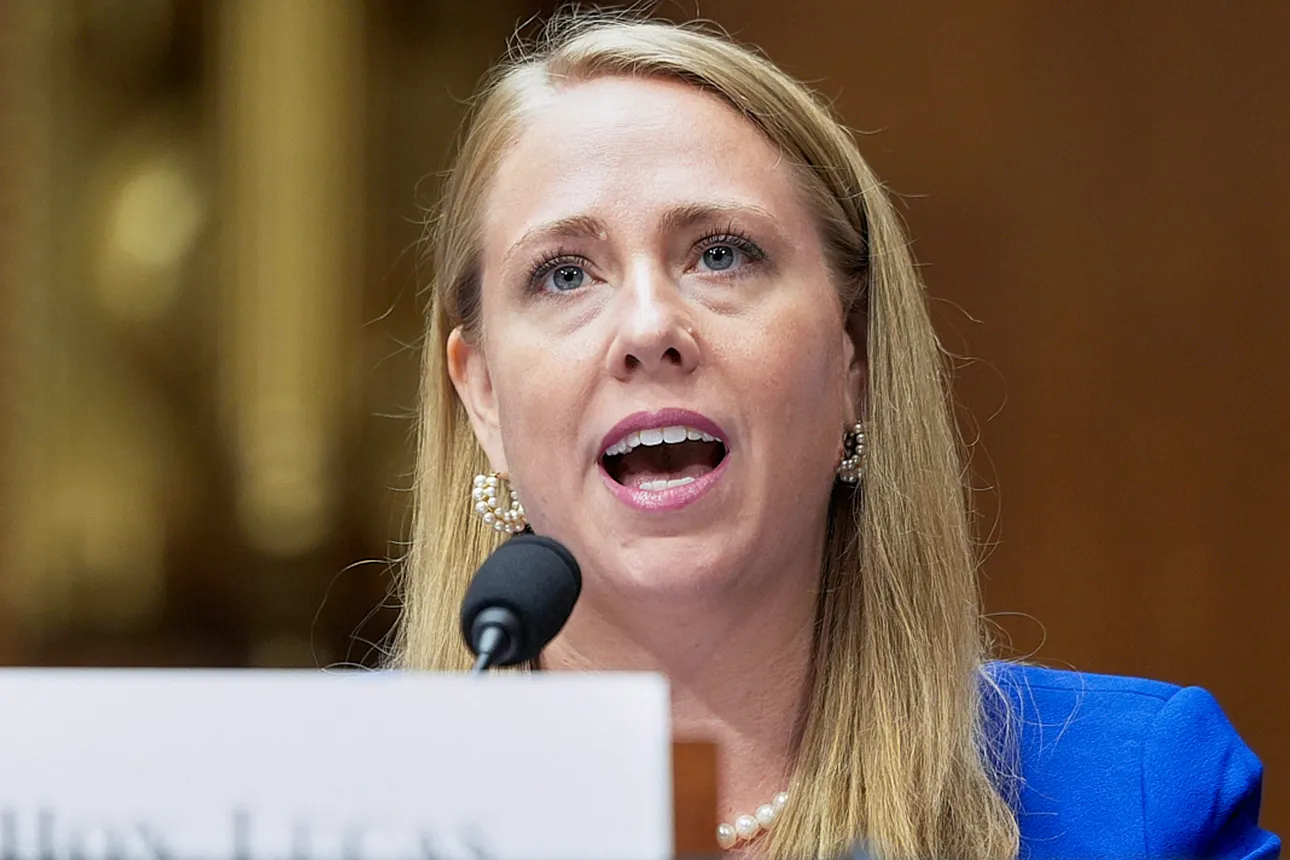
Following the executive order, then-Acting Chair Andrea Lucas declared that the EEOC would prioritize "rolling back the Biden administration’s gender identity agenda" in accordance with the new presidential mandate. This policy pivot led to an immediate halt in the processing of claims alleging discrimination based on sexual orientation and gender identity under Title VII of the Civil Rights Act. While the agency later resumed consideration of claims related to hiring, firing, and promotion in adherence to the Supreme Court’s 2020 ruling in Bostock v. Clayton County, the initial broad cessation of processing and the subsequent move to dismiss pending litigation signaled a significant departure from established enforcement practices.
The EEOC actively sought the dismissal of at least seven ongoing gender identity-based claims in litigation. In a court filing related to one such case, the EEOC stated that its continued pursuit of the lawsuit "may be inconsistent with" the executive order and subsequent guidance from the Office of Personnel Management directing federal employees to comply with it. This assertion underscored the administration’s intent to align agency actions with its stated policy priorities, even if it meant discontinuing previously initiated legal actions.
However, this administrative reorientation was met with strong opposition from legal experts and former civil rights advocates. Jocelyn Samuels, former EEOC vice chair, vehemently disagreed with the agency’s legal footing, stating, "The EEOC is simply wrong on the law. What EEOC in this administration is doing is extraordinarily damaging to the standard of the equal employment opportunity laws – to the [goal] of those laws to ensure that people can work in workplaces that are free from discrimination – and to the enforcement activities of the agency."
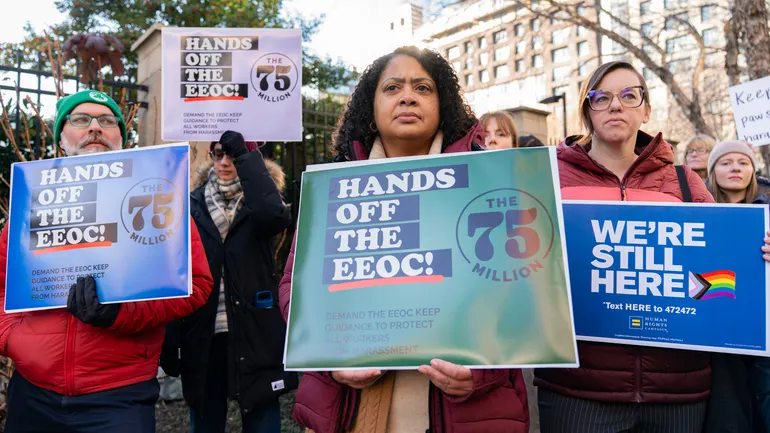
Beyond typical partisan disagreements, some observers characterized the shift as a deliberate attempt to dismantle civil rights advancements. David Oppenheimer, a clinical professor of law at the University of California, Berkeley, School of Law, commented on the broader implications: "It’s completely understandable that when a president is elected who has not made civil rights enforcement a priority in his campaign, that he may not make it a priority in his administration. This is wholly different. This is an attempt to set back the gains of the civil rights movement and to elevate income and opportunities for White men at the expense of everyone else."
The impact of these policy changes raised concerns for individuals who had relied on the EEOC for protection. A tweet from the EEOC Chair Andrea Lucas on December 17, 2025, soliciting claims from white men experiencing discrimination, further fueled discussions about the agency’s evolving priorities.
The Genesis of EEO Leaders
The initial meeting to coordinate legal assistance for workers abandoned by the EEOC quickly illuminated a broader need: a consistent voice to advocate for civil rights protections and to provide expert analysis of agency actions. Karla Gilbride, former EEOC general counsel and deputy director of litigation at Public Citizen, expressed a profound sense of duty: "I felt a personal sense of responsibility that those individuals who had brought those charges and who the EEOC brought the cases for that they weren’t just left out in the cold and abandoned by the agency."
Through extensive outreach to the private bar, the former agency officials successfully identified attorneys willing to intervene in these cases and represent the affected individuals. This proactive engagement aimed to fill the void left by the EEOC’s withdrawal from these legal battles.
Jocelyn Samuels highlighted the critical role the EEOC typically plays in informing workers of their rights and ensuring employer compliance. The agency’s perceived "abdication of its responsibilities" created a "critical function" that the group felt compelled to undertake. Thus, the organization now known as EEO Leaders was formally established.
Filling the Void: EEO Leaders’ Mission and Operations
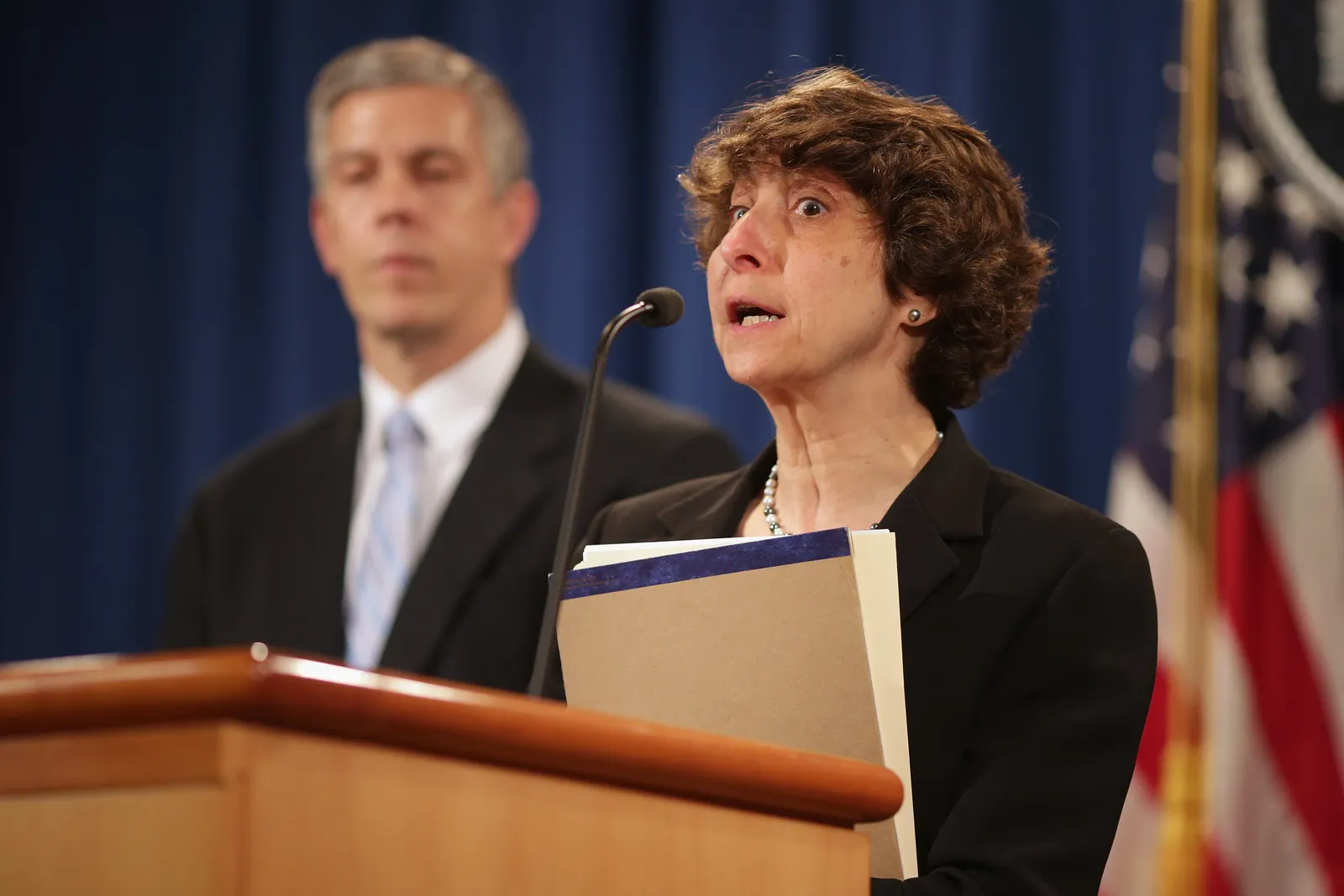
EEO Leaders is comprised of approximately a dozen former federal officials who served in high-level positions within the EEOC and the U.S. Department of Labor’s Office of Federal Contract Compliance Programs (OFCCP). Their collective experience spans multiple administrations, providing them with a deep understanding of federal civil rights enforcement. Operating as an all-volunteer group, they convene weekly via Zoom to meticulously monitor potential policy shifts and enforcement actions by the EEOC, the Department of Labor, and the U.S. Department of Justice. Their objective is to identify opportunities where they can offer informed commentary and exert influence.
Chai Feldblum, president of EEO Leaders and a former EEOC commissioner, plays a pivotal role in maintaining the group’s focus and productivity. She noted the significant effort required for a group without dedicated staff, stating, "It takes a lot of time and effort to continue a group that has no staff. I feel grateful that I have the bandwidth to give that to the group."
Since its inaugural meeting on February 21, 2025, dubbed "The EEOC Cavalry," EEO Leaders has published 19 statements and has numerous others in development. Jenny Yang emphasized the power of their collective voice: "I think it’s powerful that we have former career leaders, who have been with the agency for decades, who can really speak to commission practice over an arc of history and can reinforce what significant departures we’re seeing from precedent."
Samuels views EEO Leaders as a crucial "counterweight" to the current direction of the EEOC, aiming to "provide information to stakeholders about what we think the law continues to say, despite the EEOC assertions to the contrary."
The group has actively addressed a range of critical issues, including the government’s stance on Diversity, Equity, and Inclusion (DEI) initiatives, interpretations of disparate impact, protections for LGBTQ+ individuals, changes to voting procedures within the EEOC, and the rescission of the agency’s harassment guidance.
Following the EEOC’s issuance of a letter to the CEOs, general counsels, and board chairs of 500 major U.S. employers, cautioning them that their DEI efforts could violate Title VII, EEO Leaders responded swiftly with a counter-letter. Their communication urged employers to persist with their DEI initiatives, stating, "We are concerned that recent efforts by the EEOC may discourage you from engaging in lawful efforts to promote diversity, equity, and inclusion. We urge you to avoid pulling back from this work. Retreating from practices that advance equal opportunity is not the prudent or safe choice – it is an unnecessary risk. The law has not changed. Your obligations – and your options – remain intact." The letter clarified that employers could legally collect demographic data, conduct DEI training, and support employee resource groups, despite implications to the contrary from the EEOC.
A Shadow Government for Civil Rights?
Chai Feldblum has drawn a parallel between EEO Leaders and the concept of "shadow cabinets" found in parliamentary systems. In the United Kingdom, for instance, a Shadow Cabinet comprises opposition party members who scrutinize and challenge the government’s ministers. Feldblum explained, "In a sense, that’s who we are. We’re a shadow EEOC and provide the services and the assistance and the perspective that shadow cabinets in other countries do." She suggested that this model could be beneficial in the U.S. for other former government officials seeking to influence policy.
The idea of a shadow government in the U.S. is not entirely novel. In November 2024, U.S. Representative Wiley Nickel, D-N.C., proposed in an op-ed for The Washington Post that Democrats establish a shadow cabinet to hold the Trump administration accountable. He argued it would serve as "democracy’s insurance policy" and strengthen governance by fostering robust debate.
EEO Leaders has directly communicated with Andrea Lucas on several occasions. Their initial letter expressed concern that she might be exceeding her authority under Title VII by questioning the DEI activities of 20 major law firms. A subsequent letter requested clarification on her stance regarding protections for LGBTQ+ individuals prior to her confirmation for another term on the commission. To date, EEO Leaders has not received any response to their communications, indicating a lack of engagement from the current EEOC leadership. EEOC did not respond to requests for interviews for this article.
Future Endeavors and Preserving Institutional Memory
Looking ahead, EEO Leaders plans to maintain its focus on DEI issues, which were among the first targets of policy changes, and on safeguarding protections for LGBTQ+ individuals. The group is committed to monitoring the integrity of the EEOC’s internal processes, particularly as the commission modifies its voting procedures and centralizes more authority with the chair.
Furthermore, EEO Leaders aims to provide informal guidance to employers on maintaining harassment-free workplaces and adhering to anti-discrimination laws. The rescission of the agency’s harassment guidance in January was viewed by Jenny Yang as detrimental: "Instead of supporting employers with resources to help them comply, it is choosing instead to make various statements – like on Twitter, on a YouTube video, in the press – and then asking employers to sort of read the tea leaves to fall in line with this administration’s interpretation of the law, which is often contrary to decades of settled precedent."
Carol Miaskoff, a former EEOC legal counsel, anticipates further rescissions of guidance documents, describing it as "a real loss." EEO Leaders intends to bridge this knowledge gap through its published statements and advisory resources for employers.
The group is also actively maintaining a repository of information, including documents that have been removed from the EEOC website, such as the aforementioned harassment guidance. This initiative serves to preserve institutional memory and provide a resource for those seeking to understand historical interpretations of civil rights law. As Karla Gilbride noted, the group’s role is expected to evolve as they respond to community needs and engage with workers, employers, HR professionals, and other stakeholders.
About the Author