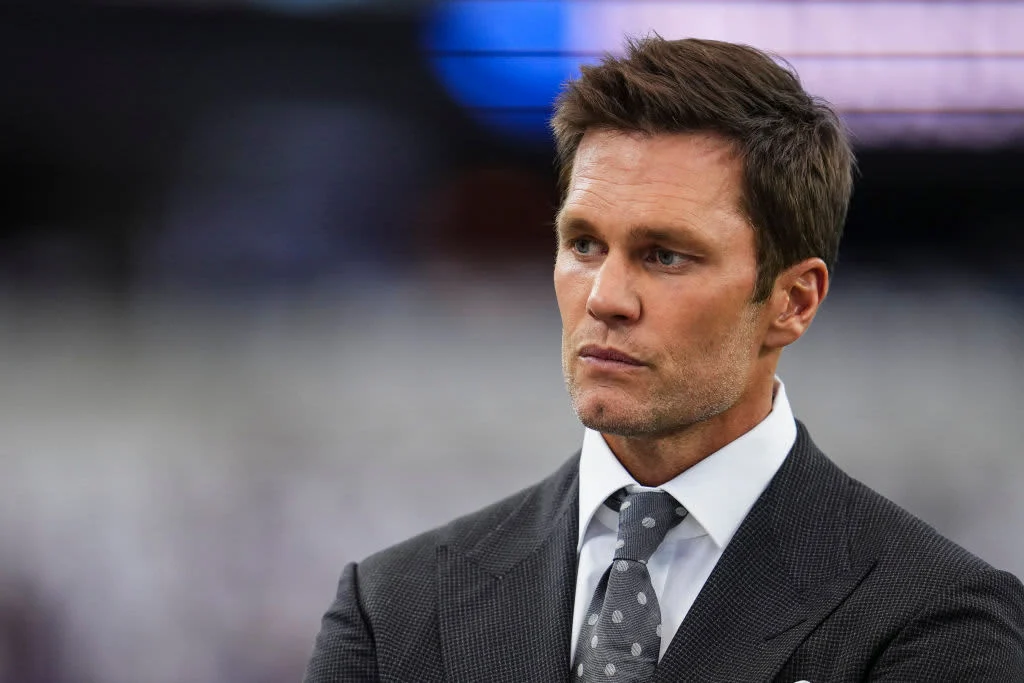
In a significant move aimed at addressing the long-standing issue of financial fragility among professional athletes, JPMorgan Chase has unveiled its Athlete Council, a groundbreaking initiative designed to equip sports stars with the knowledge and tools necessary for sustainable financial well-being. The council, announced on Wednesday, September 22, 2024, brings together an unparalleled roster of iconic figures from the American sports landscape, including NFL legend Tom Brady, two-time NBA Hall of Famer Dwyane Wade, WNBA MVP A’ja Wilson, and soccer stalwarts Sue Bird, Alex Morgan, and Megan Rapinoe, alongside current NBA star Jalen Brunson. This strategic assembly underscores a concerted effort by the nation’s largest bank by assets to tackle a pervasive problem that has historically seen a disproportionate number of athletes face financial ruin despite often earning multi-million dollar contracts during their playing careers.
The Genesis of a Critical Initiative: Addressing a Pervasive Problem
The formation of the JPMorgan Chase Athlete Council is a direct response to a well-documented and troubling trend: a significant percentage of professional athletes, across various sports, experience severe financial difficulties, including bankruptcy, within a relatively short period after retiring from their playing careers. Research, including studies cited by the National Bureau of Economic Research (NBER), has highlighted the alarming statistic that approximately one in six NFL players declare bankruptcy within 12 years of retirement. While specific figures vary by sport, the underlying factors contributing to this vulnerability are largely consistent: sudden access to immense wealth at a young age, a lack of comprehensive financial education, relatively short career windows, the pressure to support extended family and social circles, and susceptibility to poor investment advice or outright scams.
Kristin Lemkau, head of JPMorgan Wealth Management, articulated the bank’s understanding of the challenge in a recent interview. "We heard a lot of the same thing over and over again," Lemkau explained, "which is a lot of young athletes coming into money very suddenly, they develop unsustainable lifestyles, they don’t always get great advice around them, and those are the lucky ones." This observation underscores the complex interplay of factors that can derail an athlete’s financial future, often before they fully grasp the implications of their earnings and expenditures. The traditional educational system rarely incorporates robust personal finance curricula, leaving many athletes unprepared for the financial complexities that accompany their sudden ascent to professional sports.
A Holistic Approach to Athlete Financial Empowerment
The JPMorgan Chase Athlete Council is envisioned as a collaborative platform where these celebrated athletes will engage directly with JPMorgan executives and financial experts. Their collective insights, derived from first-hand experience navigating the unique financial landscape of professional sports, will be instrumental in shaping bespoke programs. These initiatives are designed to serve athletes at every stage of their journey: from aspiring college athletes grappling with the intricacies of Name, Image, and Likeness (NIL) deals, through their professional playing careers, and crucially, into retirement. The goal is to create a continuum of financial education, planning, and wealth management services that are tailored to the specific needs and challenges faced by sports professionals.
Beyond the advisory council, JPMorgan Chase is establishing an Athlete Center of Excellence, which will be staffed by financial professionals possessing specialized experience in the sports industry. This dedicated unit will provide expert guidance on a range of financial matters, from budgeting and tax planning to investment strategies and estate planning. Complementing this, the bank is launching a comprehensive content hub on its Chase.com platform. This digital resource will offer practical tools, including checklists for managing NIL opportunities, guides for assembling a trusted team of financial advisors, and educational materials covering critical aspects of personal finance relevant to athletes. The strategic integration of these components aims to provide a robust ecosystem of support, making financial literacy and sound planning more accessible and relevant to the athletic community.
The Evolving Landscape of Athlete Wealth and Entrepreneurship
The initiative also reflects a broader recognition of the evolving role of athletes in modern society. No longer are sports stars merely performers; they are increasingly becoming entrepreneurs, investors, media personalities, and philanthropists. The average career length in professional sports, particularly in high-impact leagues like the NFL (approximately 3.3 years) and NBA (around 4.5 years), means that a significant portion of an athlete’s potential lifetime earnings must be accrued and managed within a relatively short timeframe. This necessitates meticulous financial planning to ensure long-term security.
Moreover, the advent of Name, Image, and Likeness (NIL) policies in collegiate athletics has introduced a new layer of financial complexity and opportunity for student-athletes. While NIL deals offer unprecedented earning potential for college stars, they also demand an earlier engagement with financial management, contract negotiation, and tax implications—areas where many young athletes lack prior experience or formal guidance. JPMorgan’s inclusion of resources for NIL navigation underscores its commitment to addressing financial literacy from the foundational stages of an athlete’s potential career. This proactive approach aims to instill sound financial habits before athletes reach the pinnacle of professional earnings, thereby mitigating future risks.
The competitive landscape among financial institutions to serve this affluent and influential demographic has also intensified. Wealth management firms and private banks are increasingly recognizing the unique needs and significant asset potential of athletes. By leveraging the star power of its Athlete Council members, JPMorgan Chase aims to differentiate its offerings and build trust within the athletic community, positioning itself as a leader in tailored financial solutions for sports professionals.
Voices from the Locker Room: Insights from the Council Members
The athletes themselves bring invaluable perspectives to this initiative. Dwyane Wade, a three-time NBA champion and successful entrepreneur post-retirement, emphasized the importance of shared experiences. "Having the right educational resources and guidance is critical to making smart decisions about money as your career evolves," Wade stated in the release. His journey, from a rising star to a seasoned veteran and now a successful businessman, offers a powerful testament to the necessity of long-term financial foresight. His involvement lends significant credibility and a relatable voice to the council’s mission.
WNBA superstar A’ja Wilson, a two-time MVP and Olympic gold medalist, highlighted the generational aspect of financial education. "It’s important to me to be able to share money management skills with the next cohort of professional athletes," Wilson told CNBC. She added, "We’re starting to try to turn the page and help the youth in the next generation understand that you have to build trust, you have to build boundaries and know exactly how you want to operate with your money." Her emphasis on trust and boundaries resonates deeply in an environment where athletes are often approached by numerous individuals offering advice or investment opportunities, some of which may not be in their best interest. The ability to discern credible advice from predatory schemes is a crucial skill that this initiative seeks to cultivate.
Tom Brady, arguably the greatest quarterback of all time and a figure synonymous with longevity and success both on and off the field, brings a unique perspective on managing wealth over an extended, high-profile career. His transition from playing to various business ventures makes him an ideal mentor on sustaining wealth beyond athletic competition. Similarly, the inclusion of Sue Bird, Alex Morgan, and Megan Rapinoe ensures representation from women’s sports, acknowledging the distinct financial journeys and opportunities within leagues like the WNBA and NWSL, where salary structures and endorsement landscapes can differ significantly from their male counterparts. Jalen Brunson, as a current NBA standout, provides a contemporary perspective on the financial challenges and opportunities facing active professional athletes today.
Broader Implications and Future Outlook
The JPMorgan Chase Athlete Council represents more than just a new banking service; it signifies a growing acknowledgment within the financial industry of its role in fostering economic stability for a highly visible and influential segment of society. The initiative could set a new standard for how financial institutions engage with professional athletes, moving beyond transactional relationships to comprehensive, educational partnerships. By providing robust financial literacy and wealth management tools, JPMorgan aims not only to protect athletes’ assets but also to empower them to become savvy investors, successful entrepreneurs, and impactful philanthropists.
This proactive approach could have far-reaching implications. For the sports industry, it could lead to a generation of athletes better prepared for life after sports, reducing the number of cautionary tales and promoting a more positive narrative around athlete financial success. For the financial services sector, it presents a model for specialized wealth management that addresses the unique life cycles and income patterns of specific professional groups. Furthermore, the visibility of these iconic athletes advocating for financial literacy could inspire broader financial education efforts, demonstrating that sound money management is a universal skill, regardless of income level.
While the challenges of athlete financial instability are deeply rooted and multifaceted, the JPMorgan Chase Athlete Council offers a promising framework for change. By combining institutional expertise with the lived experiences of sports legends, the initiative seeks to create a lasting impact, ensuring that the incredible talents and sacrifices of athletes translate into enduring financial security and a meaningful legacy beyond the playing field. The success of this endeavor will undoubtedly be closely watched, potentially paving the way for similar collaborations and a more financially resilient future for professional athletes globally.
About the Author