Bengaluru-based health-tech innovator Ultrahuman is poised to reignite its U.S. market presence, having secured crucial approval from U.S. Customs and Border Protection for its new Ring Pro smart ring. This development marks a significant turning point for the company, which faced severe import restrictions in the world’s most lucrative smart ring market following an October ruling by the U.S. International Trade Commission (ITC) in favor of its rival, Oura. The approval, arriving less than a month after the Ring Pro’s global unveiling in late February, signals Ultrahuman’s determined bid to challenge Oura’s reinforced dominance and reclaim its lost market share in a rapidly consolidating sector.
The U.S. market is unequivocally the epicenter of the global smart ring industry, projected to account for approximately 2.6 million units sold in 2025, representing a staggering 60% of the total 4.4 million global units. This market segment continues to exhibit robust growth, expanding at an impressive 59% year-over-year, according to data shared by IDC. Such figures underscore the strategic imperative for any major player in this space to establish and maintain a strong foothold within the United States. For Ultrahuman, the temporary inability to import its existing Ring Air model into this critical market proved to be a substantial setback, costing the company an estimated $50 million in lost sales, as confirmed by CEO Mohit Kumar.
A Challenging Interlude: The ITC Ruling and Its Aftermath
The origins of Ultrahuman’s recent challenges in the U.S. can be traced back to an October 2025 ruling by the U.S. International Trade Commission. This ruling, which found in favor of Oura, effectively curtailed Ultrahuman’s ability to import its smart rings, particularly the Ring Air model, into the U.S. market. The ITC, an independent federal agency, holds quasi-judicial investigative powers concerning unfair practices in import trade, including patent infringement. Its decisions, which can result in exclusion orders preventing the import of infringing products, carry significant weight and immediate commercial impact.
For Ultrahuman, the ITC’s decision created an immediate and profound operational hurdle. The company, which at its peak derived as much as 50% of its revenue from the U.S. market, saw its supply chain for American consumers abruptly severed. This disruption not only led to the aforementioned $50 million in lost sales but also precipitated a dramatic decline in its U.S. market share. IDC research manager Jitesh Ubrani highlighted the swift erosion: Ultrahuman’s U.S. market share, which had impressively climbed from 11.5% in 2024 to 24.6% by Q2 2025, plummeted to low single digits by the close of 2025 as the import restrictions took full effect.
This void was rapidly filled by Oura, the market leader, which capitalized on its competitor’s absence to solidify its position. Over the same period, Oura’s market share in the U.S. surged from 63.3% to a dominant 85%, absorbing the vast majority of the ground lost by Ultrahuman. This consolidation underscores the intense competitive dynamics within the smart ring industry, where even a temporary disruption can lead to significant shifts in market leadership and consumer loyalty. While Ultrahuman’s CEO Mohit Kumar downplayed the long-term impact, characterizing Oura’s advantage as merely "three-month," the data suggests a more entrenched shift that Ultrahuman will now need to actively reverse.
The Ring Pro: Ultrahuman’s New Weapon for Re-entry
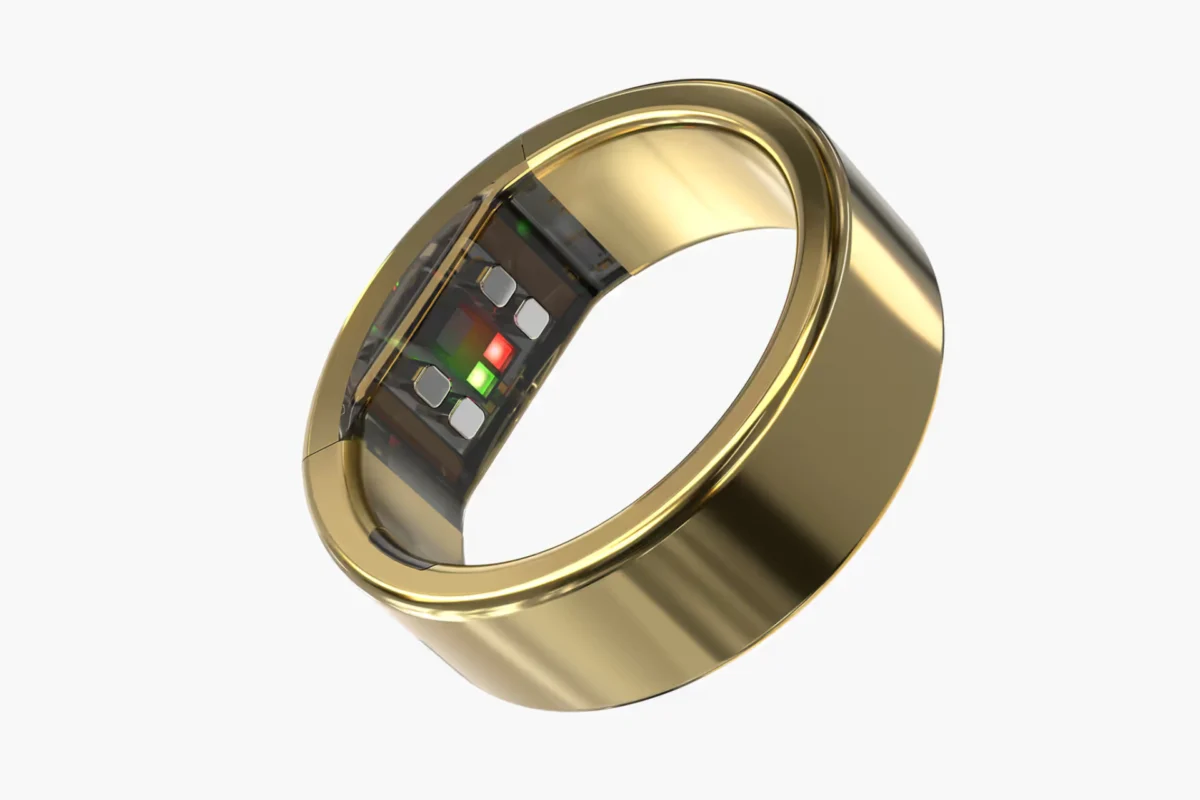
At the heart of Ultrahuman’s strategy to regain its footing in the U.S. market is the newly approved Ring Pro. This device represents not just an incremental upgrade but a strategic redesign aimed at addressing both market demands and the legal challenges that previously hampered the company. A key feature cited for securing U.S. clearance is the Ring Pro’s redesigned unibody metal structure. This structural innovation is crucial as it likely differentiates the Ring Pro sufficiently from the Ring Air to bypass the specific patent claims that led to the ITC’s import restrictions.
Beyond its compliance-driven design, the Ring Pro boasts several performance enhancements. Ultrahuman highlights improvements such as extended battery life and enhanced on-device processing, features that are critical for appealing to discerning consumers in the competitive health-tech sector. Longer battery life directly addresses a common pain point for wearable users, ensuring continuous data tracking without frequent recharges. Enhanced on-device processing suggests a more powerful and efficient sensor suite, potentially leading to more accurate and real-time health insights, reducing reliance on smartphone processing, and improving data privacy.
The Ring Pro is now available for U.S. pre-orders, with shipping anticipated to commence on May 15, 2026. Priced at $399, Ultrahuman has also offered an incentive for early adopters, with the first 1,000 customers able to purchase the device for $349. This aggressive pricing strategy, combined with the technological advancements, is intended to facilitate a swift re-entry and capture consumer attention. Kumar stated that while the Ring Pro was already in development as part of a broader product roadmap, its new design specifically helped to navigate the ongoing patent dispute. He reiterated Ultrahuman’s stance that the Ring Air is a non-infringing model and that the company is continuing to fight that assertion in federal court in the U.S., but the Ring Pro’s design offers a more definitive resolution to the import issue.
Rebuilding and Recapturing: Ultrahuman’s U.S. Strategy

With the Ring Pro’s approval, Ultrahuman is embarking on an immediate and aggressive U.S. rollout. CEO Mohit Kumar outlined a timeframe of five to six months to reach full scale, a period during which the company will focus on rebuilding its supply chain and distribution networks. This process involves re-establishing logistics, warehousing, and retail partnerships that were either paused or redirected during the import ban. The task is complex, requiring significant investment and operational agility, but it is indispensable for reclaiming a meaningful share of the market.
During the period of import restrictions, Ultrahuman did not remain static. The company strategically diversified its market presence, expanding its operations in Europe and Asia. While this helped mitigate some of the financial impact from the U.S. downturn, it also meant resources were allocated away from its once-dominant American market. Now, the challenge is to pivot back effectively, leveraging the global experience gained while simultaneously re-focusing on the unique demands of U.S. consumers.
Ultrahuman’s U.S. user base is particularly important, accounting for approximately 45% of its roughly 700,000 daily active users globally. Interestingly, the U.S. demographic skews significantly female, with women comprising about 73-74% of users there, compared to roughly 68% globally. This demographic insight could inform targeted marketing and product development strategies as Ultrahuman seeks to re-engage its core U.S. audience. Understanding and catering to this predominantly female user base, who likely prioritize specific health metrics or design aesthetics, could be key to accelerating their comeback.
The Expanding Battlefield: Oura Enters India
Even as Ultrahuman gears up for its U.S. resurgence, the competitive landscape is shifting on another front: Oura has made a strategic entry into Ultrahuman’s home market, India. Just last week, Oura launched its Ring 4 in India, signaling a broadening of the rivalry across key international markets. This move by Oura is a clear indication of its intent to challenge Ultrahuman not just in established markets but also in emerging ones where Ultrahuman has cultivated a strong local presence.
Mohit Kumar expressed confidence in Ultrahuman’s long-term growth prospects in India, welcoming the increased competition as a potential catalyst for expanding awareness in what remains a nascent smart ring category within the country. While the Indian wearables market has shown significant growth in other segments, smart rings have faced unique challenges. According to a recent IDC report, smart ring shipments in India actually declined 30.6% year-over-year in 2025. Despite this contraction, Ultrahuman led the Indian market with a 30.4% share, followed by Gabit at 18.3%. The report also highlighted significant pricing pressure, with average selling prices falling 8.7% to $160, indicative of a market where affordability and perceived value are critical.
IDC’s Jitesh Ubrani anticipates that while the smart ring market will continue its double-digit growth globally and in the U.S., growth in India is likely to remain more muted. Oura’s strong international brand recognition could provide it with a distinct advantage in India, where many early local competitors, often relying on repackaged hardware with limited differentiation, have struggled and scaled back their efforts. This leaves an opening for established global players like Oura to enter and potentially capture a significant share by leveraging their technological prowess, brand trust, and more robust ecosystems.
Broader Implications and Future Horizons
The renewed battle between Ultrahuman and Oura is indicative of a broader trend within the rapidly evolving wearable technology market. As smart rings move beyond niche early adopter status, competition intensifies, leading to strategic maneuvers, patent disputes, and market consolidation. The U.S. market’s substantial size and high growth rate make it a critical battleground, where success can dictate global trajectory. The outcome of this renewed rivalry will likely shape the future leadership in the smart ring sector, influencing innovation, pricing strategies, and consumer adoption worldwide.
For Ultrahuman, the successful re-establishment of its U.S. operations is paramount. While CEO Kumar expressed confidence in quickly regaining lost ground, the reality of market dynamics suggests that dislodging an entrenched leader like Oura will require sustained innovation, aggressive marketing, and impeccable execution. The patent landscape, which proved to be a significant impediment, highlights the importance of intellectual property in highly competitive tech markets and the need for companies to continuously innovate and differentiate their offerings to avoid infringement claims.
Looking beyond smart rings, Ultrahuman is already hinting at future diversification. Mohit Kumar revealed that the company is actively working on a new wearable device focused on a different biomarker. This strategic move suggests an intent to expand Ultrahuman’s product portfolio and potentially tap into new segments of the health-tech market. Currently, Ultrahuman’s existing ecosystem tracks a comprehensive range of biomarkers including heart rate, heart rate variability, skin temperature, sleep stages, movement, and blood oxygen levels. The introduction of a new biomarker-focused device could signal an expansion into areas like continuous glucose monitoring, advanced stress management, or even novel diagnostic capabilities, further solidifying Ultrahuman’s position as a holistic health monitoring platform.
The coming months will be crucial for Ultrahuman as it navigates the complexities of rebuilding its U.S. presence and simultaneously fends off Oura’s expansion into its home market. This dual-front battle promises to be a defining period for both companies, ultimately shaping the landscape of the global smart ring and broader wearable health-tech industry.
About the Author