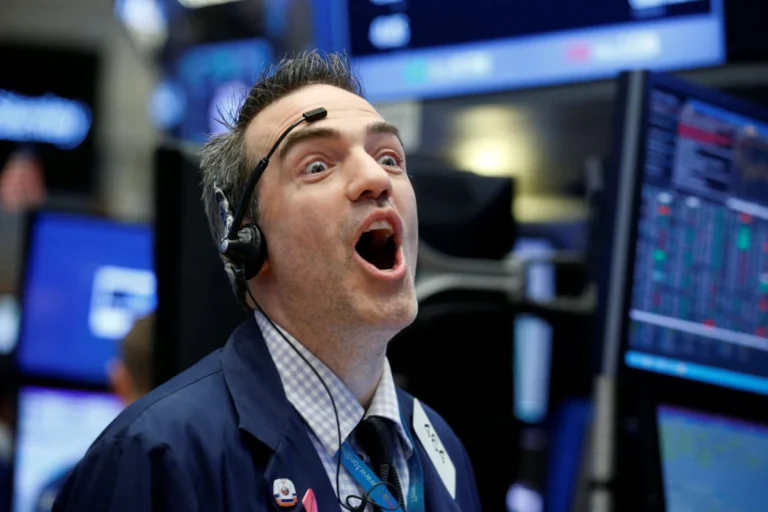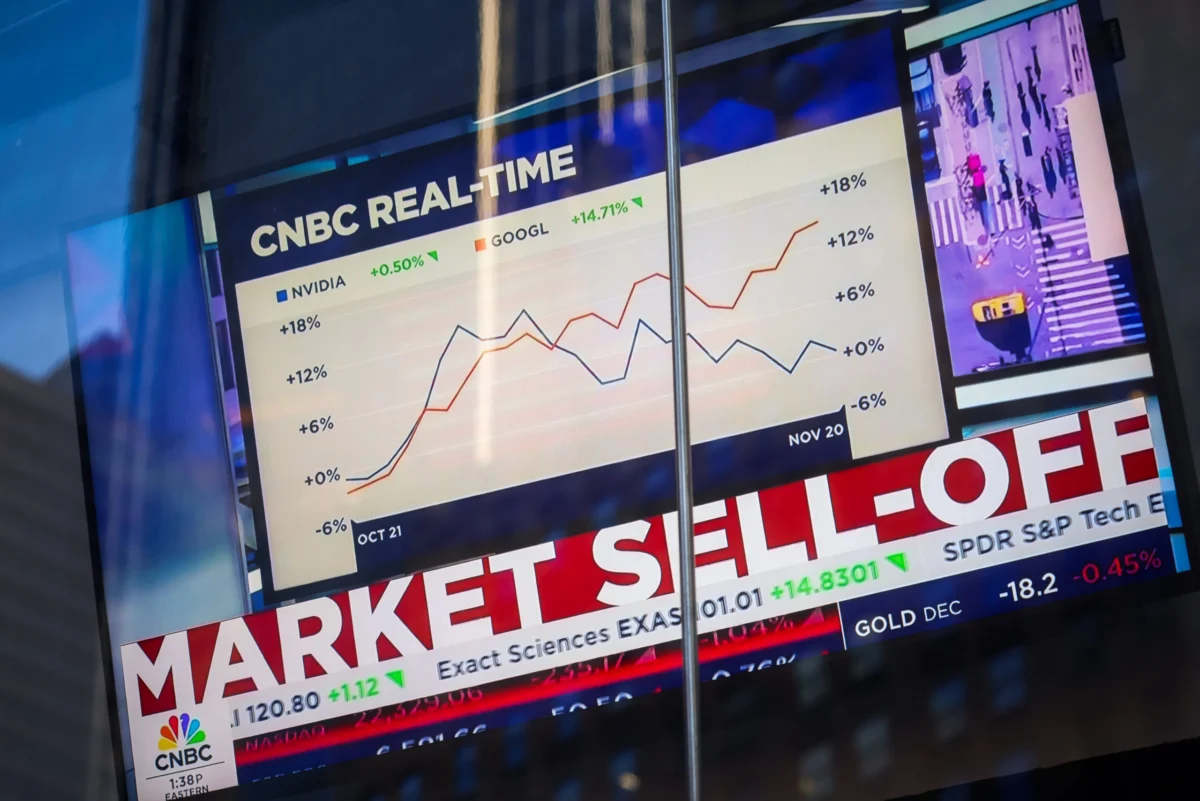
Investors are being urged to exercise extreme caution and undertake rigorous portfolio stress-testing as global financial markets exhibit unprecedented levels of volatility, signaling a profound disruption in their traditional predictive capabilities. Amid escalating geopolitical tensions and a complex web of economic uncertainties, market experts warn that the customary "crystal ball" of financial forecasting appears fundamentally compromised, necessitating a strategic shift towards robust risk management and preparedness for adverse scenarios.
Unprecedented Market Dislocation: A New Normal?
Andrew Beer, Managing Member at DBi, a firm with deep roots in the hedge fund industry, articulated this stark assessment during a recent appearance on CNBC’s "ETF Edge." Beer emphasized that the scale and frequency of market swings observed recently are far from normal. "It’s not normal for big markets to move as much as they are right now," Beer stated, highlighting a deep-seated issue within the market’s ability to accurately price future global events. This sentiment underscores a growing concern among seasoned professionals that the foundational mechanisms by which markets discount future risks and opportunities are no longer functioning as they once did, leading to erratic movements that defy conventional analysis.
The implications of such a "broken crystal ball" are profound. Traditionally, financial markets are seen as forward-looking mechanisms, capable of anticipating and pricing in potential future events, thereby providing a relatively stable basis for investment decisions. However, the current environment, characterized by swift and often contradictory movements, suggests a widespread inability to coalesce around a consistent future outlook. This uncertainty is not merely academic; it translates directly into tangible challenges for investors attempting to calibrate their portfolios effectively. The rapid reversals seen across diverse asset classes—from the safe-haven appeal of gold and silver to the speculative fervor of bitcoin and the foundational commodity of crude oil—serve as potent examples of this disorientation. These assets, often moving in predictable patterns relative to economic cycles and risk sentiment, are now experiencing sharp, unpredictable shifts over short timeframes, leaving even experienced investors without a clear playbook.
A Confluence of Geopolitical and Economic Headwinds
Beer, drawing on over three decades of experience in the hedge fund sector, expressed astonishment that the sheer number of stresses on the global financial system over the past 12 to 18 months has not yet spiraled into a full-blown crisis. This observation is particularly pertinent given the accumulation of risk factors that have converged simultaneously. On the geopolitical front, the world is grappling with an array of destabilizing forces. The protracted conflict in Ukraine continues to exert pressure on global energy and food supplies, creating inflationary pressures and supply chain disruptions. Simultaneously, escalating tensions in the Middle East, including regional conflicts and maritime disruptions, threaten to further destabilize oil markets and global trade routes. Beyond these flashpoints, geopolitical friction between major global powers, particularly concerning trade, technology, and strategic influence, adds another layer of systemic risk. These complex and interconnected geopolitical challenges create a constant undercurrent of uncertainty, making it incredibly difficult for markets to establish a clear direction.
Economically, the landscape is equally fraught. The aftermath of unprecedented fiscal and monetary stimulus policies enacted during the COVID-19 pandemic has led to persistent inflationary pressures across many economies. Central banks, in response, have embarked on aggressive interest rate hiking cycles, aiming to tame inflation without triggering a recession. This delicate balancing act introduces significant volatility, as market participants constantly adjust their expectations for future interest rates and economic growth. Concerns over sovereign debt levels, particularly in developed economies, alongside the potential for credit market dislocations, further compound the economic risk factors. Beer explicitly stated, "You just have more geopolitical risks stacked on top of each other today [and] more economic risk factors than I remember at any time in my career." This confluence of factors creates an environment where traditional risk models and forecasting tools struggle to keep pace with the rapidly evolving realities.
Echoes of Past Crises: Learning from 2008 and 2022
The call for heightened vigilance is not merely abstract; it is rooted in historical precedent. Beer specifically urged investors to consider their actions should a market downturn akin to those experienced in 2008 or 2022 recur. The Global Financial Crisis of 2008, triggered by the subprime mortgage crisis, led to a severe credit crunch, widespread bank failures, and a deep global recession. The S&P 500, a key benchmark for U.S. equities, plummeted by approximately 57% from its peak in late 2007 to its trough in early 2009. This period highlighted the interconnectedness of financial institutions and the potential for systemic risk to rapidly propagate across the global economy. Investors who were unprepared faced catastrophic losses, underscoring the vital importance of liquidity management and robust risk protocols.
More recently, 2022 served as a stark reminder of how quickly market conditions can shift. Following a period of buoyant returns driven by ultra-low interest rates and quantitative easing, markets experienced a sharp correction as central banks aggressively tightened monetary policy to combat surging inflation. The S&P 500 recorded its worst year since 2008, declining by over 19%, while the bond market, typically a safe haven, also suffered significant losses as interest rates rose. This simultaneous downturn in both equities and fixed income challenged the conventional wisdom of diversification, catching many investors off guard. The lesson from 2022 was the fragility of portfolios built on the assumption of persistently low rates and the potential for rapid repricing across asset classes when monetary policy pivots. Beer’s advice to mentally prepare for such scenarios is a direct response to these recent historical lessons, advocating for proactive planning rather than reactive panic. He stressed the "very real human side" of investments, reminding individuals that these assets are critical for survival, daily living, and retirement, thus underscoring the emotional and practical toll of market downturns.
The Illusion of "Easy Money": Why 2025 Won’t Be Like 2021-2023
A significant part of Beer’s warning centers on the danger of complacency, particularly for those who might be accustomed to the relatively straightforward investment landscape of recent years. He directly addressed the temptation to "invest like it’s 2025," implying a continuation of the favorable market conditions experienced in the immediate post-pandemic period and parts of 2023. "The best thing to do in 2025 was just turn off your computer beginning of the year and come back at the end of the year, and you’ve made money, your stocks and your bonds and everything else," he quipped, referring to a period where broad market indices saw substantial gains. For instance, the S&P 500 delivered returns of over 26% in 2021 and approximately 24% in 2023, while even bonds, after the 2022 correction, saw some recovery.
However, Beer firmly believes this era of relatively effortless returns is drawing to a close. "It won’t continue like that. We will go through a more difficult period," he cautioned. This perspective aligns with a broader consensus among many financial analysts who foresee a period of lower returns, higher volatility, and increased dispersion across asset classes. The drivers of the "easy money" era—persistently low interest rates, abundant liquidity, and globalization—are either reversing or under significant pressure. The shift towards higher interest rates, ongoing de-globalization trends, and structural inflation mean that investors can no longer rely on a rising tide to lift all boats. Future returns are likely to be more selective, demanding greater analytical rigor, active management, and a deeper understanding of underlying economic and geopolitical dynamics. The regret Beer speaks of is the opportunity cost and potential losses incurred by those who fail to adapt their strategies to this tougher environment.

Navigating Uncertainty: Strategies for Investor Resilience
Given this challenging outlook, the emphasis shifts squarely to proactive investor strategies. Beer’s core message is clear: "This is the moment to plan and to prepare for the worst. You hope for the best." This isn’t a call for panic, but for methodical and robust planning. For retail and institutional investors alike, this translates into several key considerations:
- Diversification Beyond Traditional Assets: While traditional diversification across stocks and bonds remains foundational, the 2022 experience highlighted its limitations when both asset classes move downwards simultaneously. Investors need to explore a broader array of uncorrelated assets, including alternatives, real assets, and potentially commodities, to enhance true diversification.
- Stress Testing Portfolios: Regularly subjecting portfolios to various adverse scenarios—such as a significant market correction, a recession, or a spike in inflation—can reveal vulnerabilities and inform adjustments before a crisis hits. This involves analyzing how different asset allocations would perform under specific stress conditions.
- Maintaining Liquidity: In volatile times, access to cash or highly liquid assets is paramount. It provides the flexibility to meet unforeseen obligations, capitalize on distressed opportunities, or simply ride out periods of extreme uncertainty without being forced to sell assets at unfavorable prices.
- Focus on Quality and Fundamentals: In an environment where speculative excesses are more likely to be punished, a focus on high-quality companies with strong balance sheets, sustainable earnings, and robust business models becomes even more critical. Similarly, for fixed income, credit quality and duration management are key.
- Risk Management Frameworks: Implementing clear risk parameters, including stop-loss limits, position sizing rules, and regular rebalancing, can help prevent significant losses during sharp downturns and ensure portfolios remain aligned with an investor’s risk tolerance.
Managed Futures ETFs: A Shield in Volatile Times
In this context of seeking robust portfolio protection, Nate Geraci, President of NovaDius Wealth Management, highlighted exchange-traded funds (ETFs) designed to offer portfolio protection, specifically managed futures ETFs. Geraci positioned these funds as a crucial "longer-term allocation" and essentially "portfolio insurance."
Managed futures strategies typically involve professional money managers trading a diverse portfolio of futures contracts across various asset classes, including commodities, currencies, interest rates, and stock indices. The key characteristic of managed futures is their ability to profit from trends in both rising and falling markets. Unlike traditional long-only equity or bond funds, managed futures funds can go "long" (bet on price increases) or "short" (bet on price decreases) across a wide range of global markets. This flexibility allows them to potentially generate positive returns during periods when traditional asset classes are struggling, offering a powerful source of non-correlation.
For instance, during an economic downturn, a managed futures strategy might profit from falling stock indices, rising interest rates (if inflation is a concern), or strengthening safe-haven currencies. Conversely, during periods of commodity inflation, they might benefit from rising oil or agricultural prices. This ability to adapt to varying market conditions and capitalize on divergent trends makes them particularly attractive as a defensive component within a broader portfolio. Geraci’s description of them as "insurance" is apt: "You want that insurance when something goes bad in the market, and maybe that’s stocks and bonds going down together." The value of such insurance becomes evident precisely when traditional diversification fails, providing a potential hedge against simultaneous declines in both equities and fixed income. While they come with their own risks, including tracking error and the skill of the underlying managers, their potential to offer uncorrelated returns in challenging market environments makes them a topic of increasing discussion among risk-averse investors.
Unseen Pressures: Broader Market Vulnerabilities
Beyond the immediate concerns for individual investor portfolios, Beer also pointed to broader, less transparent corners of the financial market that could harbor significant systemic risks. He mentioned watching for signs of strain in areas such as private credit, insurance company portfolios, and other less visible market segments.
Private credit, which has grown exponentially over the past decade as an alternative to traditional bank lending, often involves less liquid, more complex loans to companies that may not qualify for conventional financing. While offering higher yields, these assets carry greater risk and often lack the transparency and regulatory oversight of public markets. A downturn in economic activity could expose significant credit quality issues within these portfolios, potentially leading to widespread defaults and valuation challenges. The illiquidity of many private credit instruments means that selling them off quickly in a stressed environment could be difficult, exacerbating losses and potentially creating contagion.
Similarly, the vast portfolios managed by insurance companies, while typically more conservatively invested, are not immune to market shocks. These institutions hold substantial assets to back their policyholder liabilities, and sudden, severe market movements or credit events could impair their solvency. Complex financial instruments and exposures to less liquid assets within these portfolios could also become sources of unexpected stress. Beer’s concern highlights the systemic risk that can originate from these less scrutinized segments of the financial system, emphasizing that "no one has a playbook for that." These hidden vulnerabilities underscore the interconnectedness of the modern financial system and the potential for unusual stress in one corner to rapidly spread and impact overall stability.
Implications for Global Financial Stability and the Path Forward
The collective insights from Andrew Beer and Nate Geraci paint a picture of a global financial landscape undergoing a profound transformation. The days of predictable market cycles and readily discernible trends appear to be waning, replaced by an era of heightened volatility, geopolitical entanglement, and economic uncertainty. The "broken crystal ball" metaphor powerfully conveys the current inability of markets to provide clear signals, compelling investors to rely less on forecasting and more on robust preparedness.
The implications extend beyond individual portfolios to global financial stability. Sustained market dislocation could lead to reduced investment, slower economic growth, and increased systemic risk. Regulators and central banks face the immense challenge of maintaining stability in an environment where traditional tools may be less effective against a backdrop of novel and rapidly evolving threats. The call for proactive planning and strategic asset allocation, including exploring non-correlated assets like managed futures, represents a critical shift in investment philosophy. It’s a recognition that simply hoping for the best is no longer a viable strategy. Instead, a deep commitment to understanding risks, stress-testing assumptions, and building resilient portfolios is essential for navigating what promises to be a continuously challenging and unpredictable investment future. The wisdom shared by these experts serves as a vital reminder that in times of extreme uncertainty, prudence, preparedness, and diversification are not merely good practices, but necessities for financial survival and success.
About the Author