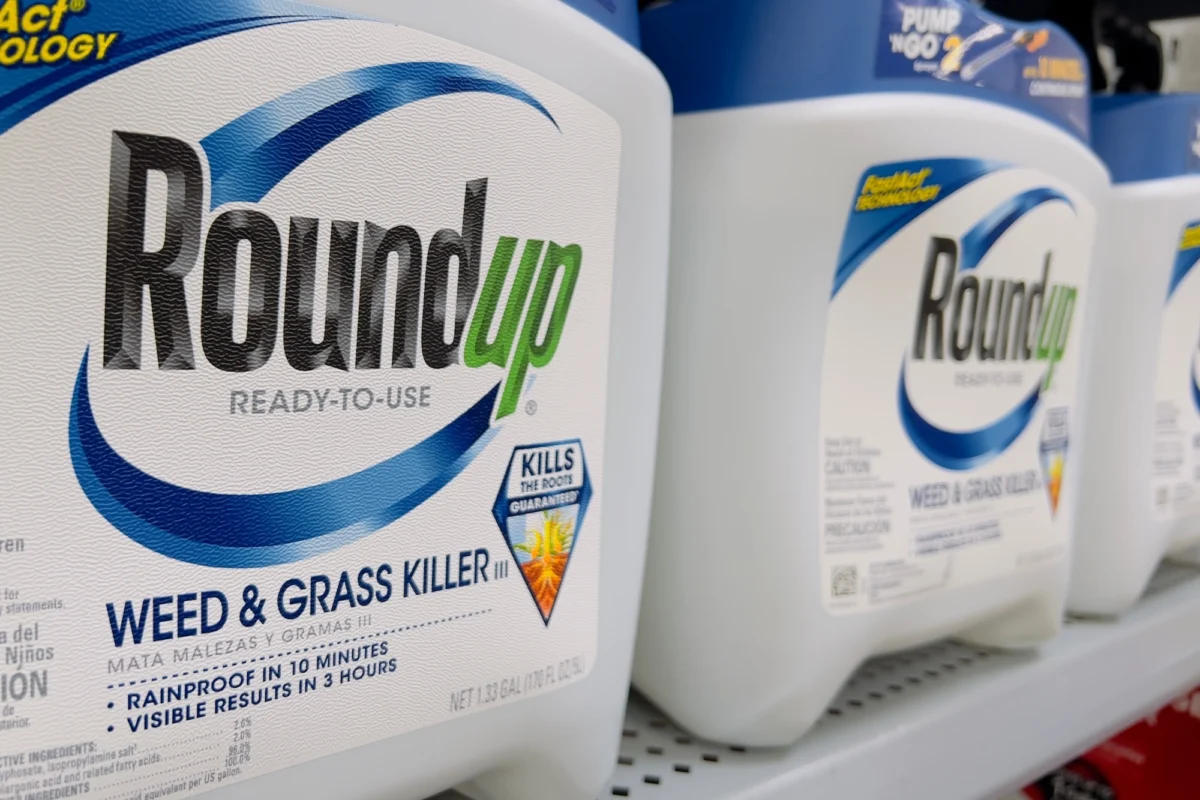
The Trump administration’s recent maneuvers to shield glyphosate manufacturers from legal liability have ignited a firestorm within the "Make America Healthy Again" (MAHA) movement, creating a significant ideological rift between the president’s corporate-focused economic agenda and his supporters’ public health aspirations. While the MAHA movement was instrumental in mobilizing wellness-oriented and independent voters during the 2024 election, the administration’s February 2026 Executive Order—which prioritizes the domestic production of glyphosate-based herbicides—has been viewed by many activists as a direct contradiction of campaign promises to "liberate" the American food system from corporate control. This tension is further exacerbated by a Department of Justice (DOJ) brief filed in support of Bayer, the manufacturer of Roundup, as the company seeks a Supreme Court ruling to preempt state-level lawsuits alleging the chemical causes cancer. As the legal and political battles converge, the administration finds itself caught between the demands of the agrochemical industry and a grassroots base that views glyphosate as a primary threat to national health.
The Scientific and Legal Backdrop of Glyphosate
Glyphosate is the world’s most widely used broad-spectrum herbicide, serving as the active ingredient in Roundup, a product originally developed by Monsanto and acquired by the German pharmaceutical giant Bayer in 2018. For decades, the chemical has been a cornerstone of industrial agriculture, particularly in the cultivation of genetically modified "Roundup Ready" crops. However, its safety profile has been the subject of intense global scrutiny since 2015, when the International Agency for Research on Cancer (IARC), a branch of the World Health Organization, classified glyphosate as "probably carcinogenic to humans."
The classification centered specifically on non-Hodgkin lymphoma (NHL), a cancer of the lymphatic system. Since then, thousands of plaintiffs—primarily farmworkers, landscapers, and residential gardeners—have filed suit against Bayer, alleging that prolonged exposure to Roundup caused their illnesses and that the company failed to warn consumers of the risks. In January 2024, a jury in Georgia awarded plaintiff John Barnes $2.2 billion, the largest single-plaintiff verdict in the state’s history. Barnes, who used Roundup for nearly 30 years, successfully argued that Bayer was aware of the health risks but suppressed the information to protect profits.
The scientific consensus remains divided at the regulatory level. While the U.S. Environmental Protection Agency (EPA) continues to maintain that glyphosate is not likely to be carcinogenic when used according to label directions, recent developments have undermined the historical data supporting this stance. In December 2025, a journal retracted a foundational safety study from the 1980s after litigation revealed that Monsanto had exerted undue influence over the research. Furthermore, a 2026 literature review published in Clinical Lymphoma, Myeloma and Leukemia cited "consistent and compelling evidence" linking glyphosate exposure to increased rates of NHL.
A Chronology of Corporate Containment and Policy Shifts
The current crisis for the Trump administration began to coalesce in early 2026 as Bayer intensified its efforts to end a decade of litigation that has cost the company billions in settlements and market value.
- January 2026: Approximately 65,000 Roundup lawsuits remained pending in U.S. courts. Bayer had already set aside a reserve of $16 billion to manage the litigation.
- February 17, 2026: Bayer announced a $7.25 billion settlement to resolve tens of thousands of outstanding cases. CEO Bill Anderson described the settlement as a strategic move to "contain" future litigation while the company awaited a definitive ruling from the U.S. Supreme Court.
- February 20, 2026: President Trump issued an Executive Order titled "Promoting the National Defense by Ensuring an Adequate Supply of Elemental Phosphorus and Glyphosate-Based Herbicides." The order framed the production of glyphosate as a matter of national security, arguing that dependence on foreign supplies of herbicides and the phosphorus required to make them threatened the American food supply.
- March 2, 2026: The Department of Justice filed an amicus brief with the Supreme Court in the case of Monsanto v. Schaffner. The brief supported Bayer’s argument that federal law—specifically the Federal Insecticide, Fungicide, and Rodenticide Act (FIFRA)—preempts state-level "failure to warn" claims. If the Court agrees, it would effectively grant Bayer immunity from thousands of pending and future state lawsuits.
The MAHA Movement: From Ally to Adversary
The "Make America Healthy Again" movement emerged as a potent political force in 2024, led by Robert F. Kennedy Jr. and a coalition of wellness influencers, organic farming advocates, and concerned parents. The movement’s core tenets include the elimination of ultra-processed foods, the reduction of environmental toxins, and the dismantling of the "revolving door" between regulatory agencies and giant corporations.
For many MAHA supporters, glyphosate is the "smoking gun" of a corrupted food system. The administration’s sudden pivot to protect the chemical has caused a profound sense of betrayal. Moms Across America, a prominent advocacy group within the MAHA orbit, issued a blistering statement following the February Executive Order. "True national security is healthy families, thriving children, and a future free from chronic disease," the organization stated, launching a petition to phase out glyphosate entirely.
The political irony of the situation is centered on Robert F. Kennedy Jr., now the Secretary of Health and Human Services (HHS). Before joining the Trump administration, Kennedy was a high-profile trial lawyer who represented plaintiffs in landmark cases against Monsanto. In 2018, he was part of the legal team that won a $289 million verdict for Dewayne Johnson, a school groundskeeper with terminal cancer.
As Secretary, Kennedy has been forced into a defensive posture. In a February 2026 social media address, he argued that the Executive Order was a necessary step to stabilize an agricultural system that the administration "inherited." He insisted that by securing domestic production, the administration would eventually have more leverage to reform the industry. However, this nuanced explanation has failed to satisfy the MAHA rank and file, many of whom view the move as a standard "pay-to-play" corporate giveaway.
Economic and Strategic Implications
The administration’s support for Bayer is rooted in a broader economic strategy to bolster domestic manufacturing and mining. The Executive Order specifically highlights the importance of the domestic phosphorus mining industry, centered in states like Florida and Idaho. Phosphorus is a critical component not only for herbicides but also for lithium-iron-phosphate (LFP) batteries used in electric vehicles and various military applications.
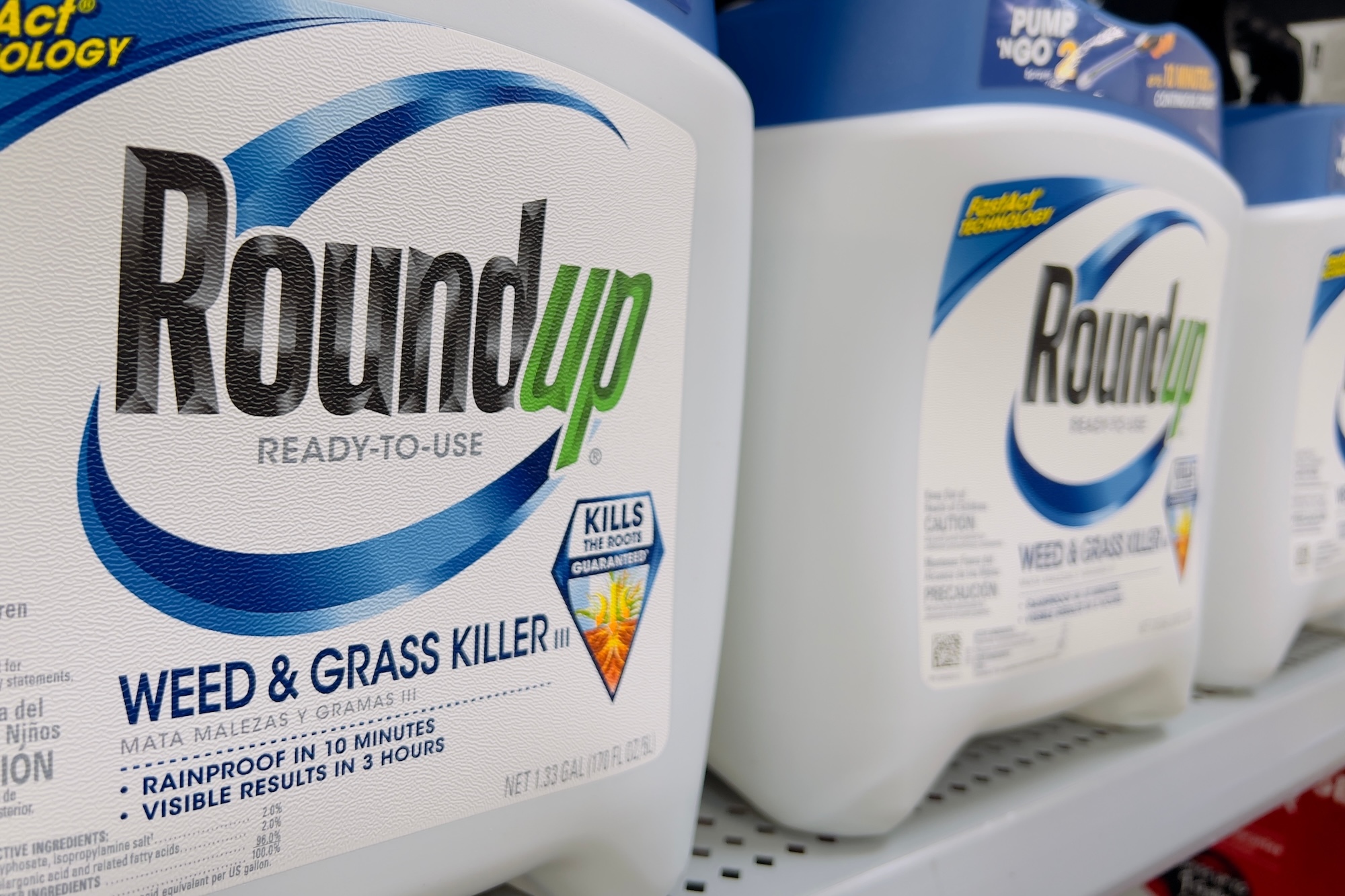
By linking glyphosate to national defense, the administration is attempting to insulate the agrochemical industry from the "litigation tax" that Bayer claims is stifling innovation. CEO Bill Anderson has warned that if the wave of lawsuits is not contained, Bayer may be forced to withdraw Roundup from the U.S. residential market entirely, which the administration argues would leave farmers without a cost-effective tool for weed control.
However, critics argue that this approach ignores the long-term economic burden of chronic disease. According to data from the Centers for Disease Control and Prevention (CDC), the treatment of chronic conditions—many of which MAHA activists link to environmental toxins—accounts for a significant portion of the $4.5 trillion spent annually on healthcare in the United States. The "betrayal" on glyphosate is seen by activists as a failure to account for these externalized costs.
Official Responses and Political Fallout
The reaction from Capitol Hill has been split along unconventional lines. While many traditional Republicans have lauded the administration’s focus on domestic supply chains, a growing contingent of "MAHA-aligned" Republicans in the House and Senate are expressing concern. These lawmakers are wary of the 2026 midterm elections, where the wellness vote could prove decisive in swing districts.
In contrast, industry groups like the American Farm Bureau Federation have praised the administration’s "common-sense approach" to regulatory stability. "Farmers need certainty," a spokesperson for the federation stated. "Allowing a patchwork of state-level labeling requirements to dictate national agricultural policy is a recipe for higher food prices and lower yields."
The EPA, under Administrator Lee Zeldin, has also moved to streamline pesticide approvals, further alienating the MAHA base. In late 2025, activists launched a petition calling for Zeldin’s removal, citing his history of voting against environmental protections during his time in Congress. The administration has dismissed these calls, maintaining that its policies are designed to "bring jobs back" and ensure "energy and food independence."
Broader Impact and Future Outlook
The outcome of the Supreme Court hearing, scheduled for late April 2026, will be a watershed moment for both the agrochemical industry and the MAHA movement. If the Court rules in favor of Bayer and the DOJ, it will set a legal precedent that federal regulatory approval serves as an absolute shield against state-level consumer protection lawsuits. This would likely result in the dismissal of tens of thousands of cases and fundamentally change the landscape of corporate liability in the United States.
Politically, the "glyphosate order" may represent the limit of the MAHA movement’s loyalty to the Trump administration. A recent poll by Politico found that 50 percent of self-identified MAHA supporters consider limiting pesticide use to be a "non-negotiable" value. If the administration continues to prioritize corporate immunity over these concerns, it risks fracturing the coalition that helped secure its 2024 victory.
As the 2026 midterms approach, the "wellness-to-politics" pipeline is becoming increasingly volatile. The MAHA PAC and MAHA Action, organizations dedicated to electing "health-conscious" candidates, are now facing internal pressure to distance themselves from the administration’s pesticide policies. The conflict underscores a fundamental tension in modern American politics: the struggle to reconcile a populist "pro-worker" and "pro-health" movement with a traditional "pro-business" regulatory agenda. Whether the administration can bridge this gap or if the glyphosate issue becomes a permanent wedge remains to be seen, but the stakes for American public health and the future of the agrochemical industry have never been higher.
About the Author