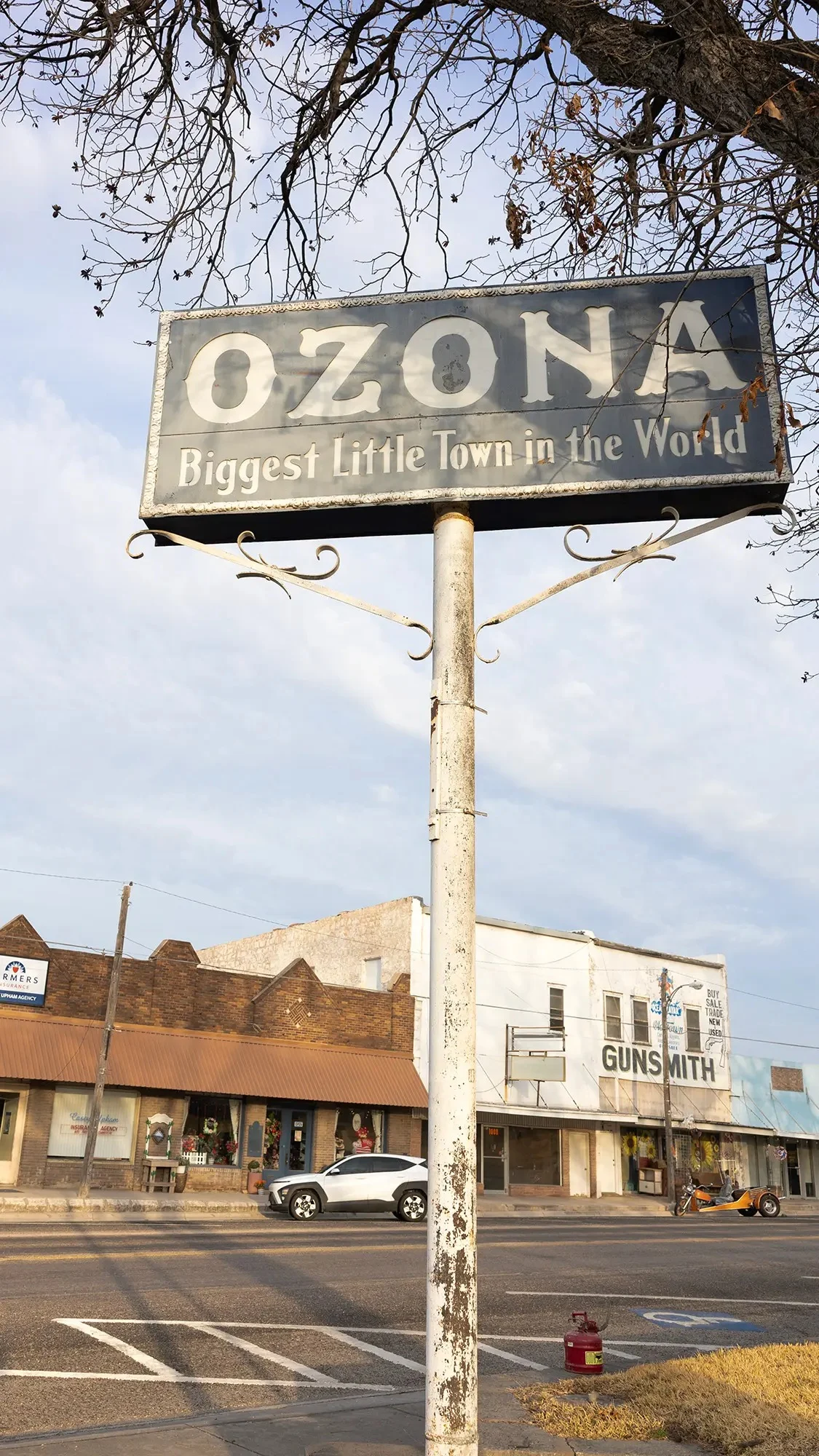
In the expansive, sun-bleached landscape of Crockett County, Texas, the rhythmic thrum of wind turbines has become the heartbeat of a revolutionary model for rural aging. For residents like 75-year-old Cynthia Flores, a lifelong resident of Ozona, the "Biggest Little Town in the World" is more than a remote outpost; it is a community where the transition to renewable energy is directly subsidizing the social safety nets required for seniors to age in place with dignity. While much of rural America struggles with the "graying" of its population and the simultaneous evaporation of local services, Ozona is utilizing a complex blend of tax abatements, corporate partnerships, and grassroots volunteerism to ensure its oldest citizens remain fed, connected, and cared for.
The Geography of Rural Isolation and the Aging Crisis
Crockett County encompasses 2,800 square miles of rugged West Texas terrain, yet it contains only one town: Ozona. With a population density of approximately one person per square mile, the county epitomizes the challenges of rural life. For the 2,800 residents of Ozona, the nearest city, San Angelo, is a 90-minute drive, while major metropolitan medical hubs like San Antonio are three hours away.
This geographic isolation creates a precarious environment for the elderly. According to data from the Rural Health Information Hub and the U.S. Department of Agriculture, rural seniors face significantly higher rates of food insecurity than their urban counterparts. Approximately 10.2 percent of rural seniors lack consistent access to nutritious food, compared to 8.5 percent in metropolitan areas. Furthermore, the "healthcare desert" phenomenon—characterized by the closure of rural hospitals and the scarcity of specialists—means that a single medical emergency can force a senior to leave their lifelong home permanently.

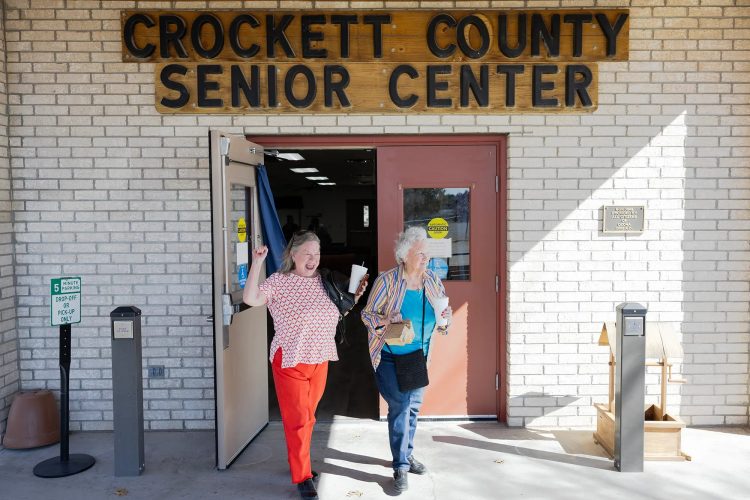
In Ozona, the Crockett County Senior Center serves as the frontline defense against this isolation. It is a hub where residents like Flores gather to solve puzzles, share meals, and maintain the social fabric of the community. However, maintaining such facilities in a county with a limited tax base requires innovative financing, especially as federal support becomes increasingly volatile.
The Texas Wind Revolution and Economic Shift
The financial engine behind Ozona’s senior services is increasingly powered by the wind. Texas has solidified its position as the national leader in wind energy production. According to the Texas State Comptroller, wind generation in the state surpassed nuclear power in 2014 and overtook coal-fired generation in 2020. As of 2023, Texas hosts more than 15,300 wind turbines across 239 projects, accounting for roughly 29 percent of the power distributed by the Electric Reliability Council of Texas (ERCOT).

In Crockett County, the presence of NextEra Energy has transformed the local economic landscape. Approximately 15 miles north of the senior center, rows of towering turbines harvest the persistent West Texas gusts. While these structures are often the subject of aesthetic or political debate in other regions, in Ozona, they are viewed through a lens of pragmatism. For a community historically dependent on the volatile "boom and bust" cycles of the oil and gas industry, wind energy represents a more consistent, long-term revenue stream.
The Mechanics of Community Investment: Section 312
The bridge between global energy corporations and local senior lunches is a specific provision of the Texas tax code known as the Texas Abatement Act, or Section 312. This provision allows counties to offer temporary property tax breaks—typically lasting up to 10 years—to attract large-scale capital investments like wind farms or data centers.

While some economists argue that these abatements are unnecessary because energy companies are geographically tethered to where the wind blows, local officials in Crockett County have used Section 312 as a powerful bargaining tool. Crockett County Judge Frank Tambunga, a native of Ozona, has been instrumental in negotiating these deals to ensure they provide immediate, tangible benefits to the community’s most vulnerable members.
"As we negotiate, we ask that, during the term of the abatement, they make charitable contributions to nonprofit organizations to help the local groups," Tambunga explained. This strategy bypasses the slow crawl of general tax revenue, instead directing corporate funds immediately into programs that address healthcare, food security, and social isolation.

Sustaining the Social Safety Net: Helping Hands and Coz 4 Oz
The impact of these negotiations is perhaps most visible in the "Helping Hands" program. Operating out of the Crockett County Senior Center’s commercial kitchen, this initiative delivers hot meals to dozens of homebound seniors every weekday. In 2023, as pandemic-era federal appropriations expired and a looming government shutdown threatened social service grants, a $20,000 donation from NextEra Energy—facilitated by the county’s partnership—arrived just in time to keep the program afloat.
For volunteers like 69-year-old Arletta Gandy, the deliveries are about more than nutrition; they are wellness checks. Gandy, who has driven the "Helping Hands" routes for eight years, provides a consistent human connection for residents who might otherwise go days without speaking to another person. This social infrastructure is vital for a state like Texas, where the 65-and-older population is expected to grow from 3.9 million in 2020 to 8.3 million by 2050.

Beyond nutrition, the community has addressed the "transportation gap" through the nonprofit "In Care of Ozona" (Coz 4 Oz). Founded by former county commissioner Eligio Martinez, the organization provides gas cards and hotel funds for residents who must travel hundreds of miles for chemotherapy, dialysis, or specialized surgeries. Martinez, who saw the need firsthand when his mother was battling cancer, recently received $3,000 in donations from NextEra—a sum that constitutes the organization’s entire current operating budget.
Economic Diversification and the Legacy of the Land
The integration of wind energy into the local economy has also provided a lifeline for the region’s traditional industry: ranching. Steve Wilkins, a fourth-generation rancher at the 6,000-acre Flying W Ranch, represents the generational shift occurring in West Texas. While his family has historically relied on cattle and oil leases, the declining productivity of "mature" oil wells in the region has made wind leases an attractive, if initially skeptical, alternative.

Wind leases offer a form of "drought insurance" for ranchers. Unlike oil, which can be depleted, wind is an inexhaustible resource. While it may take nearly a decade for royalties to begin flowing significantly to landowners, the long-term stability of these agreements allows ranching families to keep their land intact for future generations. "Maybe my kids can keep the ranch," Wilkins noted, highlighting the role of renewables in preserving the heritage of the American West.
Analysis: The Ozona Model as a Blueprint for Rural Resilience
The success of Ozona suggests a potential blueprint for other rural counties facing the dual pressures of an aging population and a shrinking industrial base. The "Ozona Model" relies on three key pillars:

- Proactive Local Governance: Rather than viewing energy companies merely as taxpayers, local officials like Judge Tambunga treat them as community partners, specifically earmarking "charitable" contributions for existing social services during tax negotiations.
- Strategic Use of Incentives: Utilizing Section 312 abatements to front-load community benefits ensures that the social infrastructure is supported even before the full tax revenue from a project hits the books.
- Grassroots Integration: By funding local nonprofits and existing senior centers, the model leverages the deep-seated volunteer culture of small towns, ensuring that the money is spent efficiently by those who know the community best.
Jeremy Everett, director of the Baylor Collaborative on Hunger and Poverty, emphasizes that such coalition-based approaches are essential. "Without the ability to safely and reliably access affordable food, senior adults may no longer be able to live in the rural communities they have called home," Everett said. The partnership between local government, industry, and nonprofits creates a "strong food system built from the ground up."
A Future Anchored in Community
As the sun sets over Ozona, the red lights of the wind turbines begin to blink in unison across the horizon—a visual reminder of the new economy. Inside the senior center, the Valentine’s Day dance continues, funded in part by those very turbines. For Cynthia Flores and her friends, the complexities of tax codes and energy grids are secondary to the reality of their daily lives: they have a place to gather, a hot meal, and a community that has found a way to value them.

While the wind boom may eventually face its own version of a "bust" or plateau, the infrastructure of care built during this era has already redefined what is possible for rural Texas. Ozona is proving that even in the most remote corners of the country, the transition to a greener future can be harnessed to protect the people who built the community’s past. Through pragmatic negotiation and a commitment to "aging in place," this tiny ranching outpost is ensuring that its "Golden Age" is powered by the very air that moves across its plains.
About the Author