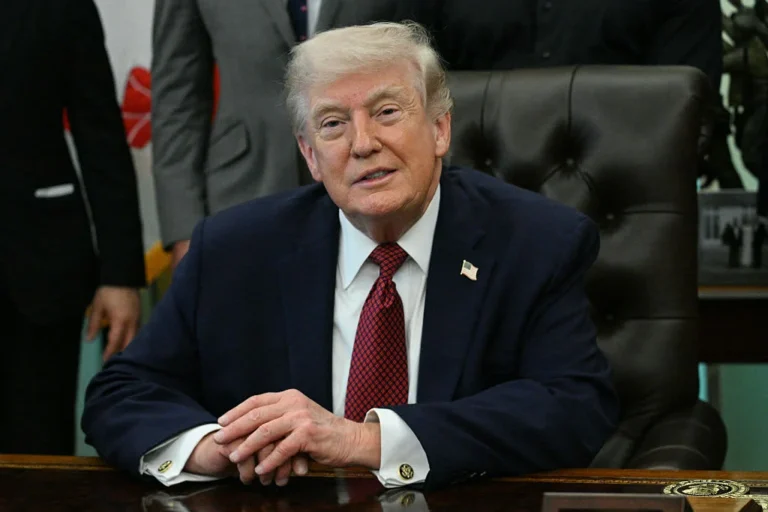
Washington D.C. — In a dramatic, last-minute legislative maneuver, both chambers of the U.S. Congress on Friday approved a short-term reauthorization of Section 702 of the Foreign Intelligence Surveillance Act (FISA), a powerful and highly contentious federal law enabling the warrantless collection of foreign intelligence. The measure, which narrowly averted a lapse in the critical surveillance authority, extends the program only until April 30, setting the stage for renewed, high-stakes negotiations and an uncertain future for a tool deemed vital by intelligence agencies but deeply problematic by a bipartisan coalition of lawmakers. President Donald Trump swiftly signed the bill into law on Saturday, ensuring the program’s continuity for the immediate future.
The eleventh-hour action unfolded amidst intense division within both the House and Senate, reflecting a broader national debate over the balance between national security imperatives and the protection of civil liberties. Section 702, originally enacted in 2008 as an amendment to the Foreign Intelligence Surveillance Act of 1978, permits the U.S. government to target non-U.S. persons located outside the United States to acquire foreign intelligence information. While its stated purpose is to collect intelligence on foreign adversaries, it has garnered significant controversy due to its incidental collection of communications involving American citizens and the subsequent access by federal agencies, particularly the Federal Bureau of Investigation (FBI), to this data without a warrant.
The Immediate Legislative Maneuver and Congressional Division
The legislative push began in the House of Representatives, where deep fissures among Republican and Democratic members repeatedly stalled efforts to pass a longer-term reauthorization. Early Friday morning, two separate proposals—one for a five-year extension and another for an 18-month renewal—were defeated by a bloc of GOP hard-liners, many of whom align with privacy advocates in demanding significant reforms to the program. These lawmakers, often dubbed "privacy hawks," voiced strong concerns about the FBI’s past abuses in querying the vast database of incidentally collected U.S. person data without a warrant, effectively conducting what they describe as "backdoor searches" on American citizens.
Following these setbacks, House leadership was forced to pivot to a minimalist, short-term extension to prevent the program from expiring at midnight on Monday. This truncated two-week measure eventually cleared the House, albeit with significant reluctance from members on both sides of the aisle. The bill then moved to the Senate, where it faced similar, though ultimately overcome, resistance.
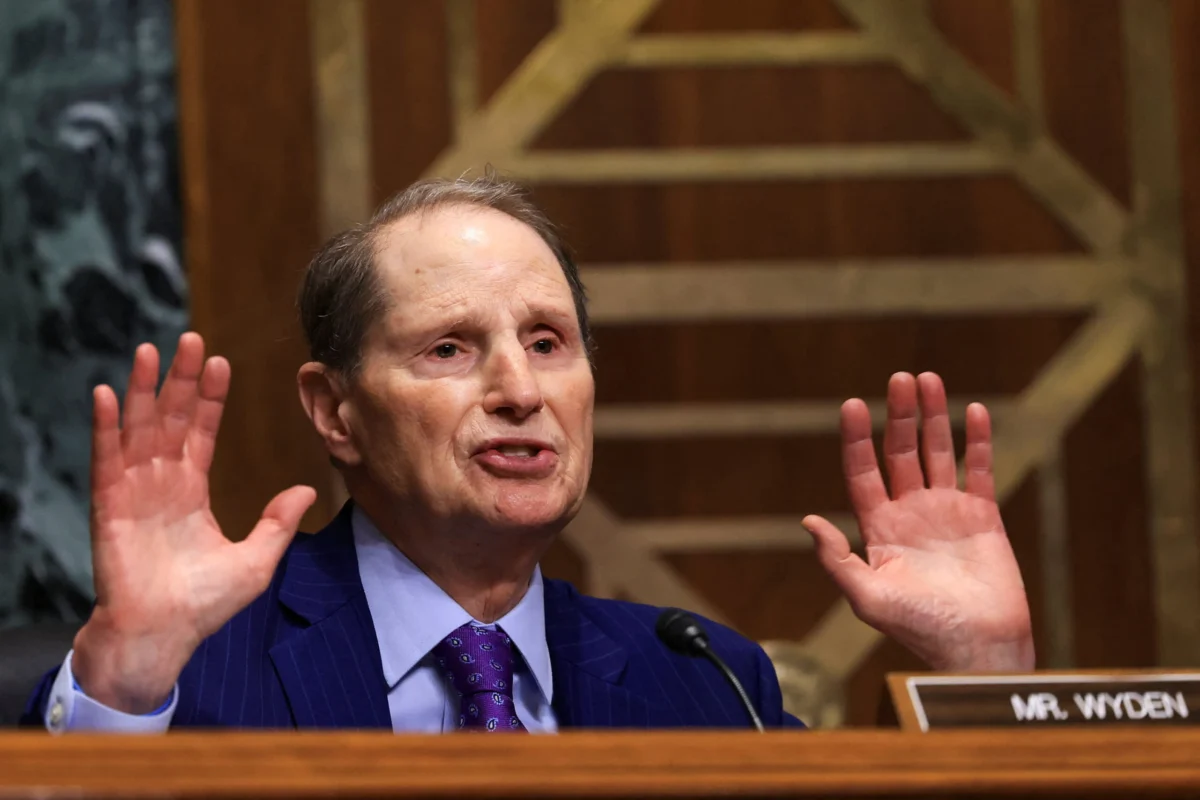
Senator Ron Wyden (D-Ore.), a long-standing critic of Section 702’s implementation and a prominent advocate for civil liberties, briefly held up the short-term extension in the Senate. Wyden, who has consistently called for more robust protections for Americans’ privacy, expressed his profound dissatisfaction with a "clean" extension, arguing that it failed to address the systemic issues he and others perceive within the program. "Americans understand that every single day there are abuses of the Foreign Intelligence Surveillance Act," Wyden stated from the Senate floor on Friday, emphasizing that a straight extension was "unacceptable" and that it was "time for real reforms to protect Americans from a government that they rightly do not trust." His decision to ultimately relent was reportedly driven by a desire to keep the program alive long enough to strike a deal for more substantive changes in the coming weeks.
Understanding Section 702: A Vital Tool and a Source of Controversy
Section 702 of FISA allows the National Security Agency (NSA) to conduct surveillance of non-U.S. persons located outside the United States who are reasonably believed to possess, communicate, or be privy to foreign intelligence information. This authority is primarily used to collect intelligence on terrorists, proliferators of weapons of mass destruction, and foreign adversaries engaging in malicious cyber activities. Unlike traditional Title III wiretaps, which require individualized warrants based on probable cause for U.S. persons, Section 702 operates under a broader certification approved by the Foreign Intelligence Surveillance Court (FISC) annually, allowing for programmatic surveillance targeting foreign entities.
Proponents, primarily within the intelligence community and national security establishment, vehemently argue that Section 702 is an indispensable tool for protecting U.S. interests and thwarting potential threats. They point to numerous instances where the program has yielded critical intelligence, preventing terrorist attacks, disrupting cyber espionage campaigns, and providing vital insights into the intentions and capabilities of foreign adversaries. The Central Intelligence Agency (CIA) recently cited Section 702’s role in helping to thwart a planned terrorist attack at a 2024 Taylor Swift concert in Austria, an example frequently invoked to underscore the program’s efficacy. Officials often warn that allowing the program to lapse, even temporarily, would create a dangerous "intelligence gap" that could leave the nation vulnerable.
However, critics, including a diverse coalition of civil liberties advocates, privacy-focused Democrats, and libertarian-leaning Republicans, contend that while the program targets foreigners, it inevitably sweeps up the communications of U.S. citizens who communicate with these foreign targets. The central point of contention revolves around the FBI’s ability to search this vast repository of incidentally collected U.S. person data without first obtaining a warrant. Reports from the Privacy and Civil Liberties Oversight Board (PCLOB), the FISA Court, and various Inspector General offices have documented instances of FBI analysts conducting "U.S. person queries" that were deemed non-compliant with internal rules or even outright abuses, sometimes querying the database for information unrelated to national security, such as vetting individuals for domestic investigations.
A History of Surveillance and Oversight
The Foreign Intelligence Surveillance Act (FISA) itself was enacted in 1978 in the wake of revelations about widespread domestic surveillance abuses by U.S. intelligence agencies, particularly during the Vietnam War era. It established a legal framework for intelligence collection activities, requiring a warrant from a specialized court, the Foreign Intelligence Surveillance Court (FISC), for surveillance targeting individuals within the United States.
Section 702 was added in 2008 as part of the FISA Amendments Act, a response to the post-9/11 intelligence landscape and concerns that existing laws were too cumbersome to effectively collect intelligence on foreign threats operating overseas in the digital age. It was intended to codify and regulate certain surveillance activities that had been conducted under the President’s Surveillance Program (PSP) initiated after the September 11 attacks. Since its inception, Section 702 has been reauthorized multiple times, often after intense debate and with various amendments aimed at enhancing oversight and accountability.
Over the years, various government reports have highlighted compliance issues. For example, a 2022 opinion from the FISA Court revealed significant problems with the FBI’s querying of Section 702 data, including queries on Members of Congress, political campaign donors, and participants in the January 6th Capitol riot without proper authorization or justification. While intelligence agencies assert that these were compliance errors that have since been addressed through new training and stricter protocols, critics argue that such incidents demonstrate fundamental flaws in the program’s structure and the need for statutory reforms, not just internal policy changes.
Key Players and Their Stances
The debate over Section 702 has brought together an unusual coalition of lawmakers. On one side are intelligence community leaders, national security hawks, and a significant portion of both Republican and Democratic leadership, who prioritize the program’s utility for safeguarding national security. They generally advocate for a "clean" reauthorization or one with minimal changes, fearing that substantial reforms could hobble intelligence gathering capabilities.
President Donald Trump has positioned himself firmly in this camp, advocating for an 18-month extension of the program without significant alterations. On Wednesday, he posted his support on Truth Social, citing the need for robust defenses, particularly amid what he termed the "ongoing war in Iran." "The fact is, whether you like FISA or not, it is extremely important to our Military," Trump wrote. "I have spoken to many Generals about this, and they consider it vital. Not one said, even tacitly, that they can do without it — especially right now with our brilliant Military Operation in Iran." His statement underscores the executive branch’s consistent stance on the program’s strategic importance.
Conversely, a bipartisan bloc of lawmakers, including Senator Wyden and many of the "privacy hawk" Republicans in the House, alongside civil liberties organizations like the American Civil Liberties Union (ACLU), demand significant reforms. Their primary focus is on requiring a warrant for any FBI query of U.S. person data collected under Section 702. They argue that the Fourth Amendment’s protection against unreasonable searches and seizures should extend to data, even if incidentally collected, when a U.S. person’s communications are being accessed by domestic law enforcement. Other proposed reforms include increased transparency, stricter penalties for compliance violations, and enhanced oversight by the FISA Court and Congress.
The House Democratic leadership, represented by Reps. Jim Himes (D-Conn.), Jamie Raskin (D-Md.), and Jim McGovern (D-Mass.)—the top Democrats on the House Intelligence, Judiciary, and Rules committees, respectively—issued a joint statement on Friday, criticizing their Republican colleagues for attempting to "jam through" a five-year extension in the middle of the night. They emphasized that the two-week extension was a temporary measure and demanded a "true bipartisan process" that would lead to "significant reforms and safeguards." They also insisted on a commitment from Republicans to post the results of future negotiations at least 72 hours prior to any vote, ensuring transparency and ample time for review.
The Road Ahead: Navigating a Complex Compromise
With Congress having recessed immediately after approving the short-term extension, leaders in both chambers will face intense pressure to resume negotiations when they return to Washington next week. The April 30 deadline looms large, creating a tight window for reaching a compromise that satisfies both national security advocates and civil liberties proponents.
The fundamental challenge lies in bridging the divide between those who see Section 702 as a national security imperative that requires minimal interference and those who view it as a dangerously broad surveillance authority ripe for abuse, necessitating significant statutory reforms. The "warrant requirement" for U.S. person queries remains the most significant sticking point. Intelligence officials argue that such a requirement would severely impede their ability to "connect the dots" in fast-moving national security investigations, delaying critical intelligence analysis and potentially costing lives. Reform advocates counter that the constitutional rights of Americans should not be sacrificed for operational convenience and that existing warrant processes are robust enough to handle legitimate requests.
The upcoming weeks will likely see a flurry of closed-door meetings, public statements, and legislative maneuvers. Lawmakers will have to contend with various proposals, including potential compromises that might involve a modified warrant requirement (e.g., warrants only for certain types of queries), enhanced penalties for violations, or a new independent oversight mechanism. The political stakes are exceptionally high, not only for the future of U.S. intelligence capabilities but also for the credibility of Congress in balancing security with privacy in the digital age. A failure to reach a long-term agreement could lead to another last-minute extension, or worse, a lapse in an authority that both sides acknowledge, despite their disagreements, is profoundly impactful. The outcome will undoubtedly shape the landscape of U.S. surveillance law for years to come.
About the Author