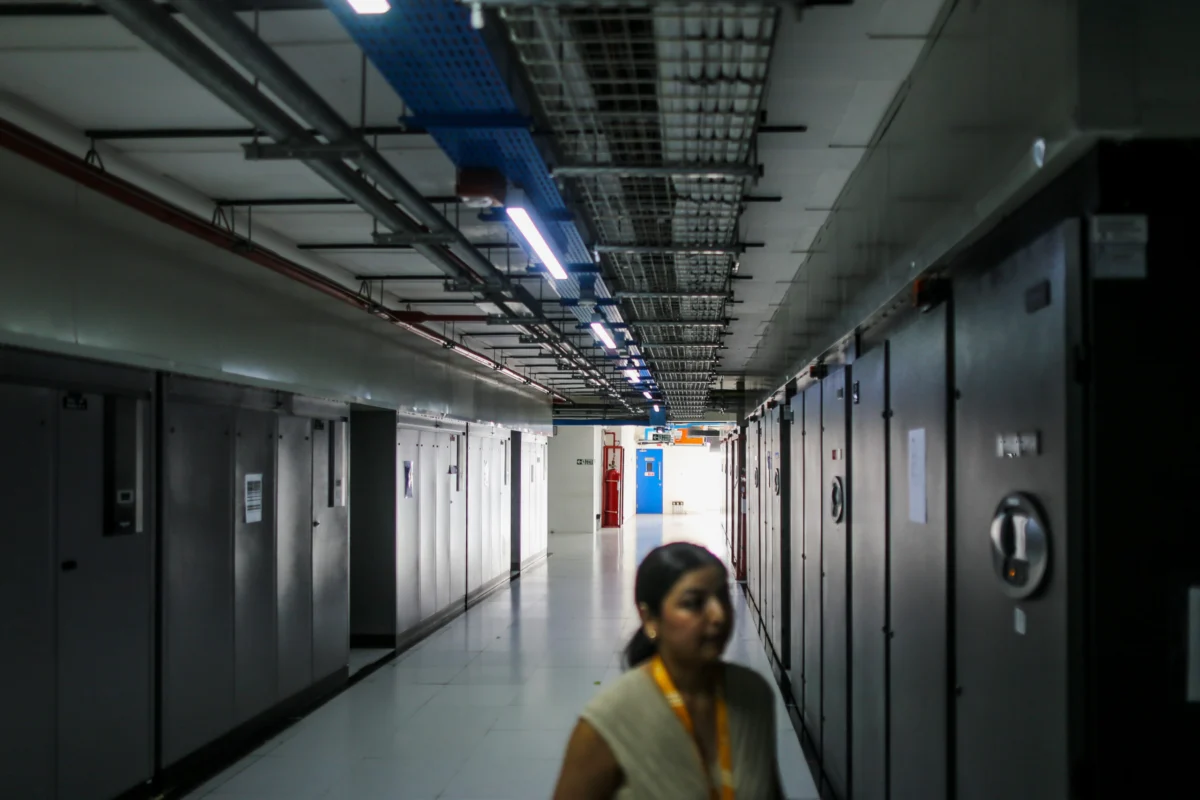
The insatiable demand for artificial intelligence (AI) is set to dramatically reshape the energy landscape of the United States, with data centers projected to consume a staggering one-fifth of the nation’s electricity by 2035. This represents a fourfold increase from current levels, according to a groundbreaking new report by BloombergNEF (BNEF). The surge in AI compute power, driving the development and deployment of sophisticated AI models, is the primary catalyst for this projected escalation in energy consumption.
The AI Boom and its Energy Footprint
BNEF forecasts that data center capacity will nearly double over the next decade, reaching approximately 200 gigawatts. A significant portion of this expansion, nearly half of the total capacity, will be dedicated to the computationally intensive tasks of AI training and inference. The United States is expected to remain the epicenter of this AI revolution, with the report predicting that the country will host 64% of global AI chip power demand by 2033. This concentration of AI development and deployment underscores the nation’s leading role in the AI race but also highlights the immense strain it will place on its energy infrastructure.
The projections from BNEF are not static; they have been subject to upward revisions as the pace of data center development accelerates. The firm’s latest estimate for U.S. electricity demand in 2035 is an astonishing 83% higher than its December prediction. This upward revision reflects a broader trend observed across the energy sector. Other influential organizations have also significantly increased their forecasts. For instance, EPRI, a non-profit electrical industry research organization, has more than doubled its 2024 electricity demand estimate for data centers. Similarly, S&P Global Market Intelligence has seen its forecast for U.S. data center power demand rise by over a third between October and April. These consistent upward revisions underscore the dynamic and rapidly evolving nature of the data center market, driven by the relentless pursuit of advanced AI capabilities.
Strained Grids Face Unprecedented Demand
The implications of this burgeoning demand are particularly acute for the U.S. electrical grid. BNEF anticipates that the majority of new data centers coming online in the next decade will connect to power grids that are already operating under significant strain. Two major grid operators are expected to shoulder a disproportionate burden. The PJM Interconnection, which serves a vast territory stretching from Virginia to Illinois, is projected to see 34% of its electricity allocated to data centers. Even more remarkably, ERCOT, the grid operator for most of Texas, will need to dedicate 22% of its generating capacity to meet data center needs.
The PJM Interconnection, already a hub for a substantial number of the nation’s data centers, has faced considerable challenges in accommodating the influx of new energy demands. The grid operator has struggled to manage the sheer volume of connection requests from both new power generation facilities and large energy consumers, including data centers. In a move that underscored the severity of the situation, PJM temporarily paused applications for new sources to connect to the grid for four years. This hiatus, while intended to allow for assessment and planning, placed the grid in a precarious position as energy demand continued its upward trajectory.
Although PJM reopened its queue for new generating sources in April, the underlying supply-demand imbalance has not abated. The situation has become so critical that one major utility, American Electric Power, has reportedly threatened to withdraw from the interconnection altogether, citing the unsustainable strain on its resources. This precarious balance between supply and demand has had a tangible impact on electricity prices, with reports indicating a 76% surge in prices on America’s biggest grid over the past year. This price volatility not only affects utilities and data center operators but also has ripple effects for residential and commercial consumers.
Despite these significant operational challenges and price increases, the allure of connecting to the PJM grid remains strong for data center developers. In the grid manager’s most recent capacity auction, data centers accounted for a substantial 38% of all charges, indicating their continued commitment and reliance on this critical infrastructure. This persistent demand, even in the face of grid instability, highlights the strategic importance of these locations for data center operations.
Global Implications and Future Outlook
While the United States currently claims a dominant position in AI compute, the growth of data centers is a global phenomenon. If AI adoption continues on its current aggressive trajectory, BNEF projects that data centers worldwide will generate an additional 1,935 terawatt-hours of electricity demand by 2033. This figure is nearly equivalent to the total annual electricity consumption of India, a nation with a population exceeding 1.4 billion people. This stark comparison underscores the profound and far-reaching global impact of the AI revolution on energy resources.
The implications of this massive energy demand are multifaceted. Firstly, it poses a significant challenge to the transition towards renewable energy sources. While data centers are increasingly seeking to power their operations with clean energy, the sheer scale of their demand could outpace the development and deployment of renewable infrastructure. This could lead to a greater reliance on fossil fuels in the short to medium term, potentially hindering efforts to combat climate change.
Secondly, the concentrated demand in specific geographic regions raises concerns about grid reliability and resilience. The strain on grids like PJM highlights the need for substantial investment in grid modernization, including upgrades to transmission lines, substations, and energy storage solutions. Without these investments, the risk of blackouts and power outages could increase, impacting not only data center operations but also essential services and the broader economy.
Furthermore, the escalating energy demands and potential for grid instability could influence the geographic distribution of future data center development. While current trends favor regions with established infrastructure and access to power, utilities and regulators may implement new policies and incentives to encourage development in areas with greater grid capacity or where renewable energy resources are more abundant. This could lead to a more decentralized model of data center growth in the long term.
The economic implications are also substantial. The construction and operation of new data centers represent significant investments, creating jobs and driving economic activity. However, the rising cost of electricity, driven by increased demand and grid congestion, could impact the profitability of these operations and potentially lead to higher prices for the digital services they enable.
A Call for Strategic Planning and Investment
The BNEF report serves as a critical wake-up call for policymakers, energy providers, and the technology industry. Addressing the escalating energy demands of data centers requires a concerted and strategic approach. This includes:
- Accelerated Investment in Renewable Energy: To meet the growing demand sustainably, there must be a significant acceleration in the deployment of solar, wind, and other renewable energy sources. This requires streamlined permitting processes, supportive government policies, and private sector investment.
- Grid Modernization and Expansion: Critical investments are needed to upgrade and expand the existing electrical grid. This includes enhancing transmission capacity, improving grid resilience, and integrating advanced technologies like smart grids and energy storage.
- Energy Efficiency Measures: While AI compute is inherently energy-intensive, ongoing efforts to improve the energy efficiency of data center hardware and operations are crucial. Innovations in cooling technologies, server design, and workload optimization can contribute to reducing overall energy consumption.
- Demand-Side Management and Load Flexibility: Exploring strategies for demand-side management, where data centers can adjust their energy consumption based on grid conditions and the availability of renewable energy, could play a vital role in balancing supply and demand.
- Inter-Agency and Industry Collaboration: Effective solutions will necessitate close collaboration between government agencies, utility companies, data center operators, and AI developers. Sharing data, coordinating planning, and fostering innovation are essential for navigating this complex energy challenge.
The trajectory of AI development and its impact on energy consumption is undeniable. The projections from BloombergNEF paint a clear picture of the significant challenges and opportunities that lie ahead. Proactive planning, substantial investment, and a commitment to sustainable energy practices will be paramount to ensuring that the digital revolution powered by AI can proceed without compromising energy security or environmental sustainability. The coming decade will be a critical period for shaping the future of energy consumption in the United States and globally, as the world grapples with the immense power demands of artificial intelligence.
About the Author