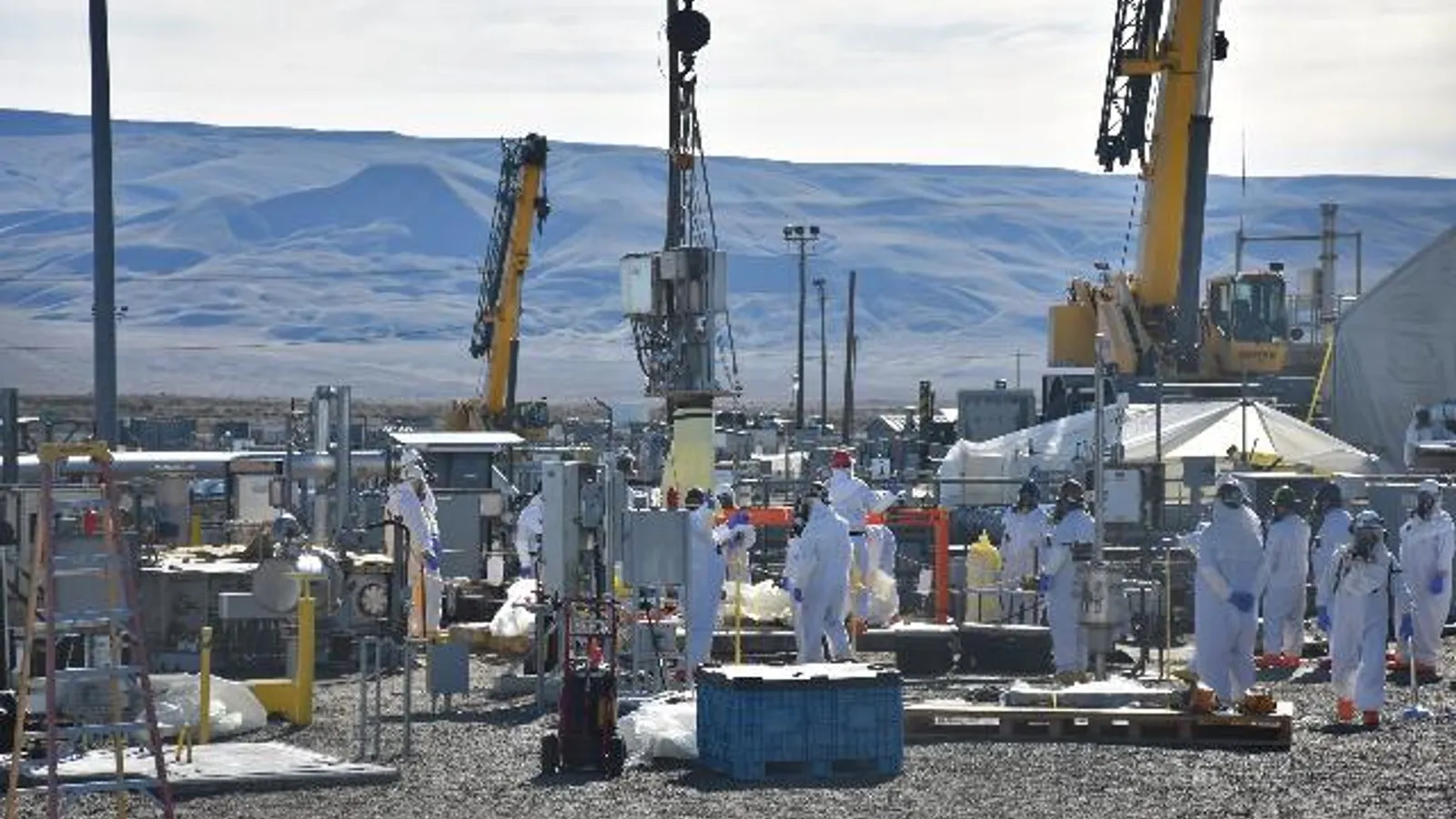
A lawsuit filed in the U.S. District Court for the Eastern District of Washington details alleged repeated incidents of sexual harassment endured by a female apprentice electrician at the Hanford Vit Plant in Richland, Washington. The complaint names the foreman, Waste Treatment Completion Co. (WTPP), and Bechtel National, the government services arm of Bechtel, as defendants. The plaintiff, who was reportedly the only woman in her apprentice program at the plant, claims to have faced a hostile work environment that ultimately led to her departure from the facility in September 2024.
Allegations of a Deep-Rooted Hostile Work Environment
The lawsuit lays out a disturbing pattern of alleged misconduct, extending beyond the actions of a single foreman. According to court documents, the foreman repeatedly boasted about his perceived impunity, stating he was "bulletproof" and "untouchable" due to his family’s five-generation legacy of working at the Hanford site. This sense of entitlement, the suit suggests, fostered an environment where harassment was not only tolerated but potentially enabled. The complaint further specifies that the plaintiff’s husband, also an electrician at the plant, experienced harassment from the same foreman.

Adding another layer to the allegations, the lawsuit claims the foreman’s father, who worked in the jobsite’s material tent where the plaintiff was assigned, also engaged in harassing behavior. This familial connection and purported seniority within the Hanford workforce appear central to the plaintiff’s claims of a systemic issue rather than isolated incidents. The International Brotherhood of Electrical Workers (IBEW) Local 112 union hall, which the suit notes is named after the foreman’s grandfather, is also highlighted, suggesting a long-standing influence and potential lack of oversight within the local labor structure.
Timeline of Alleged Harassment and Departure
The alleged harassment reportedly intensified over time, culminating in a physical incident. Following a broken finger, the plaintiff was allegedly rendered unable to perform her assigned duties. The complaint asserts that the company failed to provide reasonable accommodations for her injury, further exacerbating her difficult situation. This inability to perform her job, coupled with the ongoing harassment, led to her resignation in September 2024. Her husband reportedly followed suit, leaving his position later that same month due to continued harassment.
Legal Action and Requested Redress

The lawsuit seeks comprehensive relief for the plaintiff, encompassing lost wages, compensation for emotional distress, reimbursement for attorneys’ fees, and other damages. The legal filing aims to hold the involved parties accountable for the alleged creation and perpetuation of a hostile work environment.
Official Response and Industry Context
In response to the allegations, Staci West, a spokesperson for both Bechtel and WTPP, provided an emailed statement: "Bechtel does not tolerate harassment, intimidation, or discrimination of any kind and is committed to maintaining a safe and respectful workplace. Given that this matter is the subject of pending litigation, it would not be appropriate for us to comment further at this time." This statement reflects a standard legal protocol for ongoing cases, neither admitting nor denying the specific claims while affirming the company’s stated commitment to workplace safety.
The construction industry has a documented history of challenges related to harassment and discrimination. In 2023, the Equal Employment Opportunity Commission (EEOC) issued a report that was highly critical of the building sector, highlighting its "hostility to ‘men of color and women of all races and ethnicities’." This broader context underscores the significance of the current lawsuit, suggesting that the alleged experiences at the Hanford Vit Plant may be symptomatic of larger, persistent issues within the industry.

Furthermore, a 2021 report from the Institute for Women’s Policy Research shed light on the prevalence of harassment faced by women in construction. The study found that a substantial 26.5% of women working in the field reported experiencing harassment "always or frequently just for being a woman." These statistics paint a stark picture of the environment that female workers in trades often navigate, and the Hanford lawsuit appears to add a specific, high-profile case to this ongoing narrative.
Background of the Hanford Vit Plant Project
The Hanford Vit Plant is a critical component of the U.S. Department of Energy’s (DOE) efforts to manage and dispose of radioactive waste generated during the nation’s nuclear weapons development. The Waste Treatment Completion Co. (WTPP), a joint venture between Bechtel and AECOM, was established specifically to drive the completion of the plant and oversee its startup and commissioning. The facility’s primary objective is to vitrify approximately 56 million gallons of radioactive waste, transforming it into a stable glass form for safe long-term disposal. This complex and highly regulated environment, dealing with some of the most hazardous materials in the world, demands stringent safety and conduct protocols. The allegations in the lawsuit raise questions about the effectiveness of these protocols in ensuring a safe and respectful workplace for all employees, regardless of gender.
Analysis and Implications
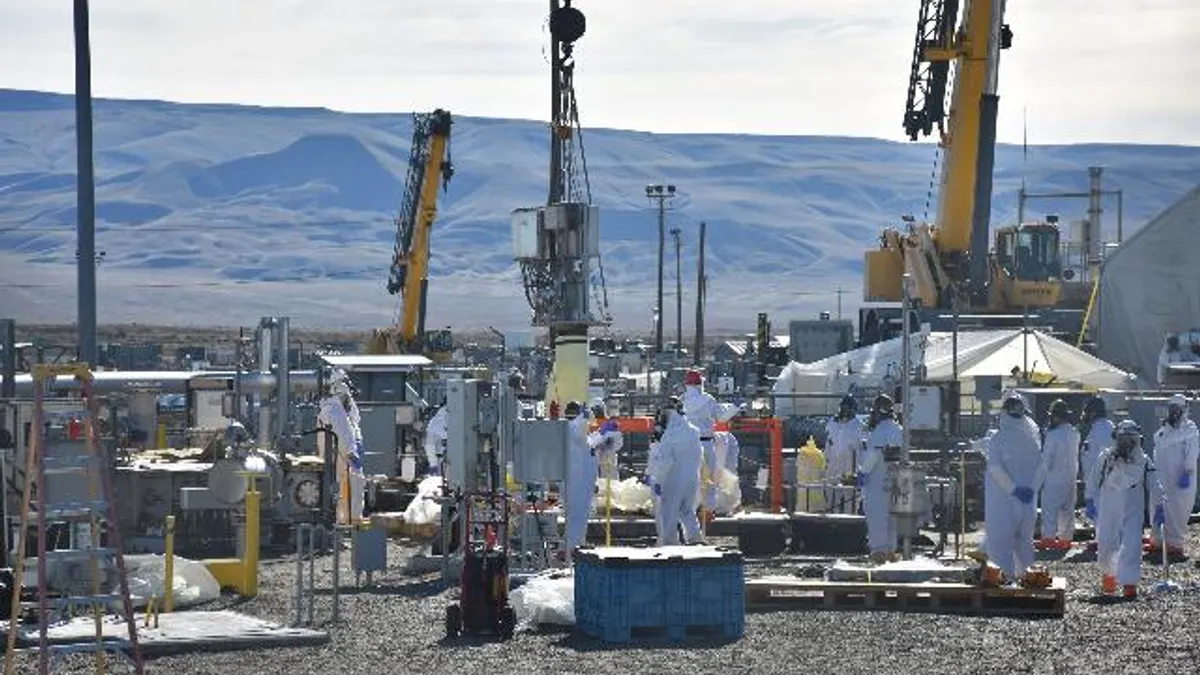
The lawsuit filed against the foreman, WTPP, and Bechtel National has significant implications for the construction industry, particularly for large-scale government projects like the Hanford Vit Plant. If proven, the allegations could lead to substantial financial penalties and reputational damage for the companies involved. More importantly, it highlights the ongoing need for robust and actively enforced anti-harassment policies and training programs within the construction sector.
The plaintiff’s status as the sole female apprentice electrician in her program underscores a persistent underrepresentation of women in skilled trades. This demographic reality can often exacerbate the challenges faced by women in male-dominated environments, potentially making them more vulnerable to harassment and less likely to find allies or support systems. The lawsuit’s claims of a foreman leveraging family legacy and union ties to assert dominance also points to potential power imbalances that can be exploited.
The inclusion of Bechtel National, a prominent government services contractor, signifies the potential for broader scrutiny of corporate practices on federally funded projects. The Department of Energy, as the ultimate overseer of the Hanford site, may face pressure to review the compliance and oversight mechanisms in place for its contractors.
The legal action serves as a stark reminder that even in highly regulated and technically complex environments, human interactions and workplace culture remain paramount. The industry’s historical struggles with discrimination and harassment, as evidenced by EEOC and IWPR reports, suggest that systemic change requires continuous effort, rigorous accountability, and a genuine commitment from leadership to foster inclusive and respectful workplaces. The outcome of this lawsuit could set a precedent for how such allegations are handled and resolved within the construction industry, potentially influencing future workplace policies and employee protections.
About the Author