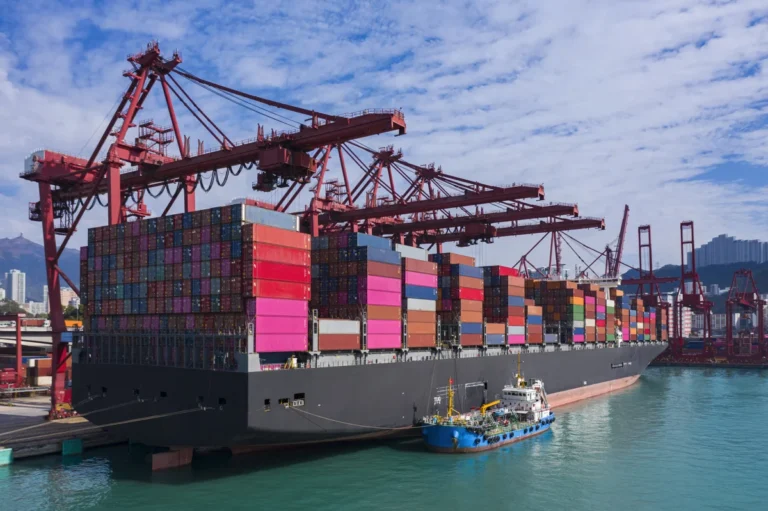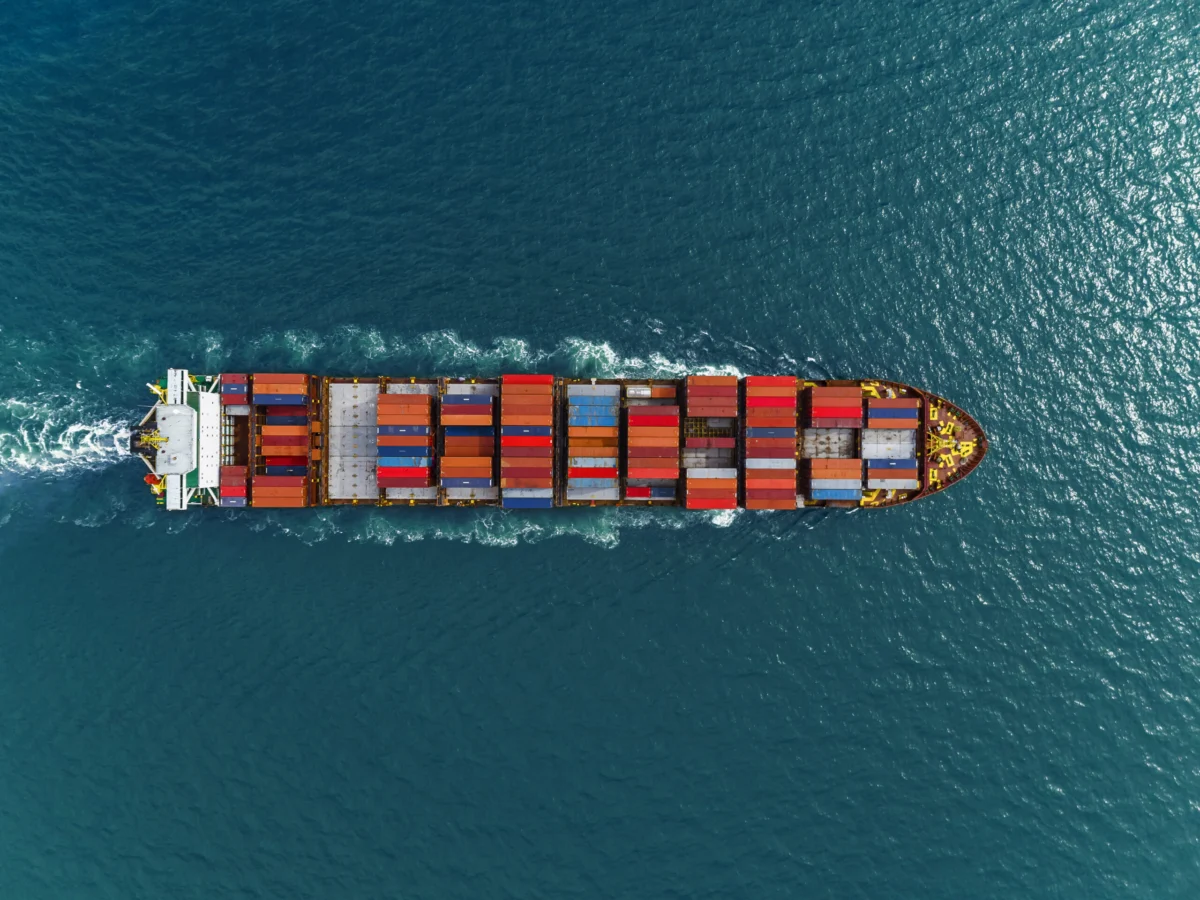
The United Nations, in a coordinated effort with the International Chamber of Commerce (ICC) and various specialized agencies, has formally proposed a comprehensive operational mechanism designed to stabilize and facilitate the movement of commercial vessels through the Strait of Hormuz. This initiative, spearheaded by the United Nations Office for Project Services (UNOPS), aims to address the catastrophic disruption of maritime trade in one of the world’s most critical chokepoints, where traffic has plummeted by more than 95% compared to pre-conflict levels. The framework establishes a rigorous protocol for the registration, deconfliction, prioritization, and monitoring of shipping, with an immediate strategic focus on the transport of fertilizers and related raw materials. As global supply chains face unprecedented strain, the proposal seeks to create a "safe corridor" logic similar to previous successful interventions in high-risk maritime zones, ensuring that essential commodities reach international markets to avert a burgeoning humanitarian crisis.
A Framework for Deconfliction and Maritime Stability
The proposed mechanism is not merely a diplomatic gesture but a practical, technical framework intended to restore predictability to a volatile maritime environment. According to a statement issued by Jorge Moreira da Silva, Executive Director of UNOPS and coordinator of the UN Strait of Hormuz Task Force, the mechanism is built upon six pillars: registration, deconfliction, prioritization, facilitation, monitoring, and verification. By creating a structured process for vessel movements, the Task Force aims to provide shipping companies and insurers with the confidence necessary to resume operations.
Under the proposal, vessels carrying essential goods—specifically fertilizers and agricultural inputs—would undergo a transparent registration and verification process. This would allow for "deconfliction," a military and diplomatic term referring to the coordination between various actors in a conflict zone to prevent accidental engagements or interference with civilian assets. The mechanism is designed to be time-bound and exceptional, meaning it is a temporary response to a crisis rather than a permanent change to maritime law. Crucially, the UN has emphasized that the framework respects the sovereign rights and obligations of all states under international law, ensuring that no sovereign authority is transferred to the participating international bodies.
The Economic Context: A 95 Percent Collapse in Traffic
The urgency of this proposal is underscored by staggering data regarding the current state of the Strait of Hormuz. Historically, the Strait has served as the world’s most important oil transit chokepoint, with roughly 20% of the world’s total oil consumption passing through it daily. However, the recent escalation of regional tensions has led to a near-total cessation of routine commercial traffic. The UNOPS statement confirms that maritime activity has fallen by over 95% from pre-war baselines.
This collapse has triggered a "butterfly effect" across the global economy. When shipping through the Strait is restricted, vessels are forced to take longer, more expensive routes, or stop operations entirely. This leads to a sharp spike in "War Risk" insurance premiums, which can increase the cost of shipping a single cargo by hundreds of thousands of dollars. These costs are invariably passed down to the consumer. For the agricultural sector, the impact is particularly acute. The Strait is a vital artery for the export of fertilizers and the raw materials required to produce them. Without these inputs, crop yields in major breadbasket regions are projected to decline, leading to higher food prices and reduced availability.
The Role of the Private Sector and the ICC
The International Chamber of Commerce (ICC) has emerged as a central player in this diplomatic effort. John Denton, the Secretary General of the ICC, is a member of the Hormuz Task Force, working alongside UNOPS, the United Nations Trade and Development (UNCTAD), and the International Maritime Organization (IMO). The ICC’s involvement is significant because it represents over 45 million companies in over 100 countries, providing a direct link between UN policy and the practical realities of global business.
Mr. Denton’s participation builds on the ICC’s previous success in 2022, when the organization played a pivotal role in the Black Sea Grain Initiative. That agreement allowed for the export of millions of tons of grain from Ukrainian ports despite the ongoing conflict with Russia. The ICC’s current engagement reflects a growing recognition that the private sector is not just a stakeholder in global trade but a necessary partner in humanitarian deconfliction. "Continued disruption to shipping through the Strait is putting enormous pressure on global food security and economic stability," Mr. Denton stated. He emphasized that the private sector’s role is to work with international partners to deliver "practical solutions" that protect the lives and livelihoods of people who depend on stable trade flows.
Chronology of the Crisis and the Task Force Response
The development of the Hormuz Task Force is the result of a rapidly deteriorating security situation in the Middle East. While the Strait of Hormuz has long been a flashpoint for geopolitical tension, the current crisis represents a significant escalation.
- Pre-Conflict Period: The Strait maintained a steady flow of approximately 21 million barrels of oil per day, along with significant volumes of liquefied natural gas (LNG) and bulk commodities like fertilizers.
- Initial Escalation: Following the outbreak of regional hostilities, maritime security in the adjacent Red Sea and the Gulf of Aden began to deteriorate, leading to a spillover effect into the Strait of Hormuz.
- Late 2023 – Early 2024: Commercial shipping lines began diverting vessels around the Cape of Good Hope. Insurance providers began designating the Strait as a high-risk zone, leading to the 95% drop in traffic cited by the UN.
- Formation of the Task Force: Recognizing the threat to global food security, the UN Secretary-General authorized the formation of the Strait of Hormuz Task Force, bringing together UNOPS, UNCTAD, and the IMO.
- Current Status: The Task Force has finalized the technical details of the operational mechanism and is currently seeking the cooperation of regional states and international stakeholders to begin implementation.
Implications for Global Food Security
The UN World Food Programme (WFP) has issued a dire warning alongside the Task Force’s proposal. The WFP estimates that if the disruption to fertilizer and energy shipments continues, almost 45 million people could fall into acute food insecurity. This is not a distant threat but a looming reality for many developing nations that rely on imported fertilizers to sustain their domestic agriculture.
Fertilizers are the "hidden engine" of the global food system. Without them, the productivity of soil decreases rapidly. The Strait of Hormuz is a primary transit point for urea, potash, and phosphates originating from the region. When these supplies are cut off, the price of fertilizer on the global market skyrockets. Farmers in regions like Sub-Saharan Africa and Southeast Asia, who operate on thin margins, are often unable to afford these inputs. This leads to smaller harvests, which in turn leads to higher food prices and potential civil unrest. The UN’s focus on fertilizers in the initial phase of the mechanism is a calculated move to protect the most vulnerable segments of the global population.
Official Responses and Diplomatic Challenges
The success of the proposed mechanism depends heavily on the "confidence and trust" mentioned by Jorge Moreira da Silva. In his official statement, Moreira da Silva was clear about the stakes: "There is no peaceful path through further escalation. The immediate priority must be to reduce risks, protect civilians and civilian infrastructure, build trust and confidence and restore safe and predictable movement through the Strait."
While the UN and the ICC have presented a unified front, the diplomatic path forward remains complex. Regional powers must agree to the "deconfliction" protocols, which requires a level of transparency that is often difficult to achieve in a conflict environment. However, proponents of the plan argue that the economic cost of inaction is becoming too high for any state to ignore. The loss of transit fees, the increase in domestic inflation, and the threat of regional instability are powerful incentives for cooperation.
The International Maritime Organization (IMO) has also stressed the importance of the safety of seafarers. Hundreds of crew members are currently navigating these high-risk waters, facing the threat of vessel seizures and drone attacks. The proposed mechanism includes specific protections for civilian crews, treating them as neutral parties in the delivery of humanitarian and essential goods.
Analysis: Can the "Black Sea Model" Work in Hormuz?
The proposal draws heavy inspiration from the Black Sea Grain Initiative, but analysts note significant differences. The Black Sea agreement involved a specific Joint Coordination Centre (JCC) in Istanbul, where representatives from Russia, Ukraine, Turkey, and the UN inspected ships. The Strait of Hormuz presents a different set of challenges, including a more complex array of regional actors and a much higher volume of diverse cargo.
However, the "operational mechanism" proposed by UNOPS offers a more flexible framework. By focusing on "facilitation and monitoring" rather than just physical inspections, the UN hopes to create a system that is less bureaucratic and more responsive to real-time security threats. The fact that the mechanism is "limited in scope" to essential goods like fertilizers may also make it more palatable to regional states that might otherwise be wary of international intervention in their waters.
Future Outlook and Conclusion
The proposal for the Strait of Hormuz operational mechanism represents a critical juncture in the management of global trade during times of conflict. If successful, it could serve as a blueprint for other maritime chokepoints facing similar threats. The immediate goal is to reverse the 95% drop in traffic and stabilize the prices of energy and fertilizers.
As the UN and ICC move toward the implementation phase, the eyes of the global community are on the Strait. The stakes extend far beyond the immediate region; they involve the stability of the global economy and the ability of the world to feed its growing population. As John Denton of the ICC concluded, the role of the private sector and international organizations is now more critical than ever in ensuring that the "arteries of trade" remain open, even in the most challenging of circumstances. The coming weeks will determine whether diplomacy and technical coordination can overcome the inertia of conflict and restore safety to the world’s most vital waterway.
About the Author