The automotive world is often a crucible of fervent opinion, and when Ferrari unveiled its inaugural all-electric vehicle (EV), the Luce, in May, the digital ether erupted with a torrent of criticism. The initial public reaction, dominated by online commentary, was overwhelmingly negative, projecting an image of impending failure for the marque’s bold foray into electrification. However, recent sales figures have painted a starkly different picture, demonstrating that the market’s immediate judgment may have been premature and perhaps even misguided. The Luce has not only met but significantly exceeded its initial sales targets, proving the resilience of Ferrari’s brand appeal and the discerning nature of its dedicated clientele.
The Genesis of Criticism: Initial Reactions to the Ferrari Luce
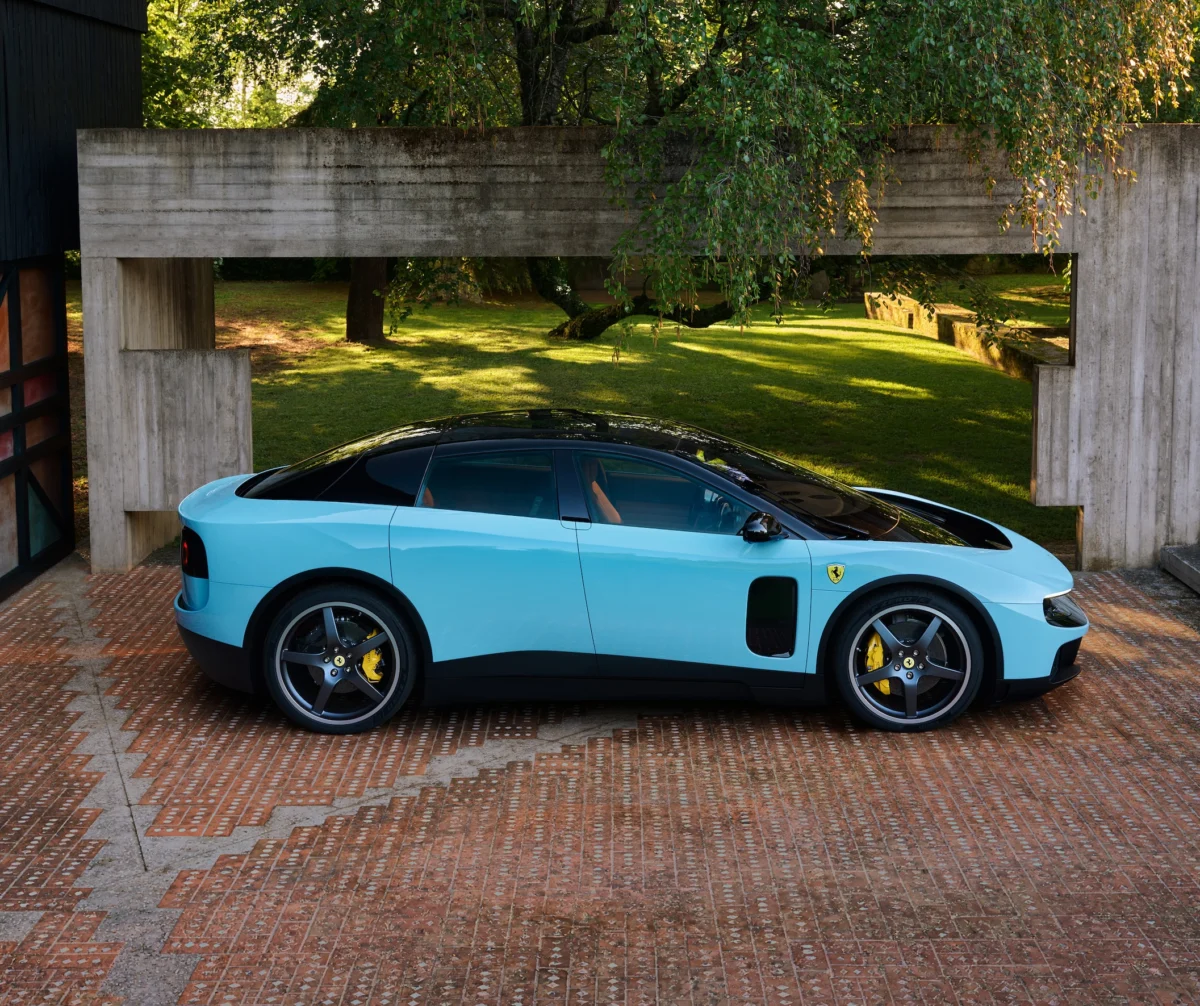
The unveiling of the Ferrari Luce was met with a wave of skepticism that rippled across automotive forums, social media platforms, and financial news outlets. Critics were quick to target the vehicle’s distinctive wedge-shaped design, with some drawing unflattering comparisons to mass-market EVs like the Nissan Leaf. Beyond aesthetic critiques, concerns were voiced about the Luce’s perceived technological parity and price point. Assertions emerged that Chinese EV manufacturers, known for their aggressive pricing and rapid technological advancements, would offer superior performance at a fraction of the Luce’s cost. This sentiment was not confined to the general public; even prominent figures within the automotive industry, such as former Ferrari chairman Luca Cordero di Montezemolo, reportedly expressed reservations. The immediate financial fallout was tangible, with Ferrari’s stock experiencing an 8% decline on the day following the reveal, a clear indicator of investor apprehension fueled by the negative public reception. The prevailing consensus among many online commentators was that the Luce was destined to be a commercial disappointment.
A Swift Turnaround: Luce Sales Surpass Expectations
Contrary to the dire predictions, the Ferrari Luce has achieved a remarkable sales performance in its initial months on the market. According to a report by the Financial Times, Ferrari met its sales target for the Luce within just two months of its public debut. The automaker had initially aimed to sell just under 500 units of the approximately €555,000 ($630,000) electric vehicle. This aggressive pricing places the Luce firmly in the ultra-luxury segment, a space where Ferrari has historically thrived.
Further analysis of market trends suggests a significant interest from the Chinese market, a region that has shown a strong appetite for fast, sleek, four-door electric vehicles. Previous reports indicated that at least 20% of the Luce’s production run was expected to find its way to China, a prediction that aligns with the vehicle’s design philosophy, which appears to be "tailor-made" for this burgeoning market. The rapid sell-out of initial production batches in China, with reports suggesting all 88 cars allocated to the market were immediately purchased, underscores this regional demand.
TechCrunch has reached out to Ferrari for official confirmation of these sales figures, and the company’s response will be incorporated into this report should it be received.
Design: A Subjective Element Under Scrutiny
A significant portion of the initial online backlash was directed at the Luce’s exterior design. The vehicle’s aesthetic, while undoubtedly avant-garde, represented a departure from some of Ferrari’s more traditional design cues while simultaneously incorporating elements that paid homage to its heritage. Critics argued that the styling was polarizing and did not resonate with the established Ferrari aesthetic. However, the subjective nature of design cannot be overstated. Many automotive designs, particularly those that push boundaries, often do not translate effectively through static images or video alone. The experience of viewing a vehicle in person, appreciating its proportions, materials, and presence, can profoundly influence perception. It is plausible that the actual in-person experience of the Luce has been a key factor in converting potential buyers who may have been initially hesitant based on online portrayals.
The Luce’s design was reportedly a collaborative effort, with significant input from Jony Ive and his firm, LoveFrom. Ive, renowned for his work at Apple, brought a distinct perspective to the project, aiming to blend cutting-edge technology with refined aesthetics. This partnership aimed to infuse the Luce with a modern sensibility while remaining true to the Ferrari ethos.
The Enduring Power of the Ferrari Brand and its Clientele
Ferrari’s success with the Luce can also be attributed to the inherent strength of its brand and the unwavering loyalty of its customer base. The company has cultivated a unique position in the automotive market, synonymous with performance, exclusivity, and heritage. Ferrari buyers are not merely purchasing a mode of transportation; they are investing in a legacy and an experience.
The automaker’s customer base is characterized by its enthusiasm and a remarkable insensitivity to price when it comes to acquiring new models. Last year, Ferrari sold over 13,000 vehicles globally, a substantial figure for a manufacturer specializing in high-priced, low-volume automobiles. This high sales volume, particularly for a brand that produces vehicles costing hundreds of thousands of dollars, speaks volumes about the depth of its market penetration and customer commitment. Furthermore, it is common for Ferrari owners to possess multiple vehicles from the brand. This makes it highly probable that a significant portion of these dedicated collectors would be inclined to add a practical, yet unmistakably Ferrari, electric vehicle to their garages, especially one that offers the performance and prestige associated with the Prancing Horse.
Performance and Driving Dynamics: The Ferrari Promise
Beyond brand loyalty and design considerations, the fundamental driving experience remains paramount for any Ferrari. Early reviews of the Luce prototype suggest that the vehicle delivers on the core promise of a Ferrari: exhilarating performance and exceptional handling. While the specifics of its electric powertrain are still being fully disclosed, the indication that it "drives like a Ferrari should" is a critical endorsement. The integration of advanced electric drivetrain technology with Ferrari’s renowned chassis dynamics and engineering expertise is expected to result in a vehicle that offers a unique blend of sustainable mobility and uncompromised performance.
The presence of the iconic Prancing Horse emblem on the hood of the Luce serves as a powerful symbol of its pedigree. For a brand that has defined automotive passion for generations, the ability to translate that passion into a new technological paradigm, such as electric propulsion, is a testament to its enduring appeal. The Luce, by all indications, appears to be more than just an electric car; it is a Ferrari that happens to be electric, a distinction that holds immense weight with its discerning clientele.
Broader Implications for the Automotive Industry
The Ferrari Luce’s unexpected sales triumph carries broader implications for the automotive industry, particularly within the luxury and electric vehicle sectors. It demonstrates that even established, high-performance brands can successfully navigate the transition to electrification without alienating their core customer base, provided they maintain brand integrity and deliver on performance expectations.
The initial backlash also highlights the evolving role of public opinion and social media in shaping perceptions of new automotive products. While online sentiment can be a powerful force, it is not always an accurate predictor of market success. Companies with strong brand equity and a deep understanding of their customer base can weather initial storms of criticism and emerge victorious.
Furthermore, the Luce’s success in markets like China underscores the global nature of the EV transition and the diverse preferences that exist across different regions. Ferrari’s ability to cater to specific market demands, such as the preference for sleek, four-door EVs in China, is a strategic advantage.
The Ferrari Luce’s journey from a subject of online derision to a sales sensation is a compelling case study in brand resilience, market dynamics, and the enduring allure of automotive excellence. It serves as a reminder that while the digital crowd may voice its opinions loudly, the ultimate verdict is often delivered at the dealership and in the marketplace.
About the Author