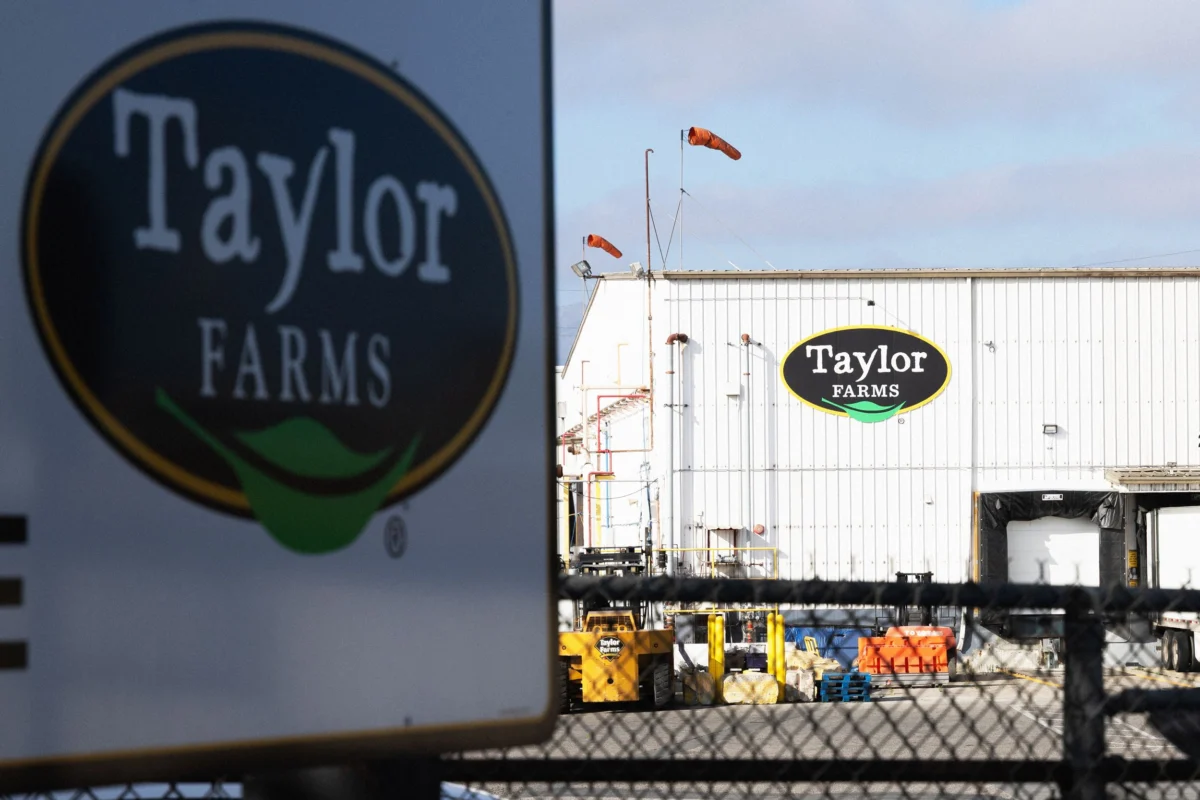
The United States Food and Drug Administration (FDA) and Taylor Farms, a major California-based produce supplier, are currently engaged in a high-stakes dispute over the methodology and communication surrounding a massive multi-state outbreak of cyclosporiasis. This public disagreement centers on a voluntary recall of iceberg lettuce sourced from Central Mexico, which has been linked to thousands of cases of parasitic infection across at least 27 states. The tension reached a boiling point following a series of conflicting statements regarding laboratory test results and an alleged apology from federal officials, highlighting the complexities of foodborne illness investigations in the modern era.
The Scope of the Cyclospora Outbreak
Since May 2026, health officials have been monitoring an escalating number of cyclosporiasis cases. Cyclosporiasis is an intestinal illness caused by the microscopic parasite Cyclospora cayetanensis. Individuals typically become infected by consuming food or water contaminated with the parasite. The hallmark symptom is prolonged, often explosive, watery diarrhea, accompanied by loss of appetite, weight loss, stomach cramps, bloating, increased gas, nausea, and fatigue. If left untreated, symptoms can last from a few days to a month or longer.
The scale of the current outbreak is significant. In Michigan alone, state health authorities have reported 6,148 confirmed cases. While the official national tally is still being consolidated, epidemiological experts suggest the actual number of infections is likely much higher due to underreporting and the fact that many individuals do not seek medical attention for gastrointestinal distress. The outbreak has been traced back to iceberg lettuce processed by Taylor Farms and distributed to major national retailers and food service providers, including Walmart and Taco Bell.
Chronology of a Public Health Conflict
The friction between the federal government and the lettuce supplier intensified during the third week of July 2026. The timeline of events reveals a rapid succession of announcements and rebuttals that have confused consumers and industry analysts alike.
On July 16, 2026, executives from Taylor Farms met with officials from the White House and the FDA. According to reports, the meeting was contentious, with Taylor Farms leadership expressing frustration over what they termed "shortfalls" in the government’s response process. The company reportedly attempted to cast doubt on the data collected by the Centers for Disease Control and Prevention (CDC) and the FDA, questioning the link between their products and the rising case counts.
Despite these objections, Taylor Farms issued a voluntary recall on July 17, 2026. The recall targeted specific lots of iceberg lettuce harvested in Central Mexico. The company stated the move was a precautionary measure taken in the interest of public safety.
The situation grew more complicated on July 18, when the FDA announced it had detected Cyclospora in a sample of Taylor Farms lettuce that was not included in the initial recall. This discovery suggested that the contamination might be more widespread than previously thought. However, by July 19, both the FDA and Taylor Farms confirmed that the initial positive result was a "false positive" due to a laboratory error.
Following this revelation, Taylor Farms took to social media, posting on X (formerly Twitter) that the FDA had "apologized" to the company for the error. This statement was quickly met with a nuanced correction from the agency. On July 20, an FDA official clarified to the press that while the agency provided factual information regarding the laboratory error and the difficulties of testing, no "official apology" had been issued. The agency emphasized that the false positive did not negate the "overwhelming epidemiological data" that supported the ongoing recall.
The Science of Traceback: Epidemiology vs. Laboratory Testing
A central point of contention in this dispute is the weight given to different types of evidence in food safety investigations. Taylor Farms has pointed out that the FDA has not identified a single confirmed positive product test result for Cyclospora aside from the retracted false positive. From a corporate perspective, the lack of "smoking gun" laboratory evidence is used to argue that the recall may be unnecessary or overly broad.
However, public health experts and federal investigators argue that laboratory testing of produce is notoriously difficult and often unreliable for certain pathogens. Cyclospora oocysts (the eggs of the parasite) are often shed sporadically and can be distributed unevenly across a field or a batch of processed lettuce. By the time an outbreak is detected in humans—often weeks after the initial exposure due to the parasite’s incubation period—the contaminated produce has usually already been consumed or discarded, making physical sampling nearly impossible.
Consequently, the FDA and CDC rely heavily on epidemiological evidence. This involves:
- Patient Interviews: Detailed questionnaires about what infected individuals ate in the weeks prior to falling ill.
- Cluster Analysis: Identifying groups of people who ate at the same restaurant or shopped at the same grocery store.
- Supply Chain Tracing: Following the path of the suspected food item back from the point of sale to the processor and, ultimately, the specific farm or field.
In this instance, the FDA maintains that the statistical correlation between sickened individuals and the consumption of Taylor Farms lettuce is high enough to warrant the recall, regardless of whether the parasite is physically captured in a current lab sample.
Economic and Supply Chain Implications
The recall has sent shockwaves through the agricultural and retail sectors. As a primary supplier for some of the world’s largest food brands, the disruption at Taylor Farms has caused immediate shortages.
Walmart and Taco Bell, both of which utilize Taylor Farms’ iceberg lettuce in various regions, have had to pivot their supply chains or temporarily remove certain items from their menus. For a "just-in-time" supply chain, a recall spanning 27 states represents a logistical nightmare. Beyond the immediate loss of product, the long-term economic impact includes the costs of reverse logistics, disposal of potentially contaminated goods, and the intensive cleaning of processing facilities.
Furthermore, the public nature of the disagreement between the supplier and the regulator may have lasting effects on consumer confidence. When a major supplier publicly challenges the findings of the FDA, it can create a "credibility gap," leaving consumers unsure of which products are safe to eat.
Broader Context of Produce Safety
This incident is part of a broader trend of challenges involving fresh produce imported from Mexico and Central America. In recent years, the FDA has increased its scrutiny of "leafy greens" due to repeated outbreaks of E. coli, Salmonella, and Cyclospora.
The Food Safety Modernization Act (FSMA) was designed to shift the focus from responding to contamination to preventing it. However, the complexity of international supply chains makes oversight difficult. When produce is grown in one country, processed in another, and sold in a third, the opportunities for contamination—whether through irrigation water, soil amendments, or worker hygiene—are numerous.
The current standoff also highlights the limits of "voluntary" recalls. While Taylor Farms technically initiated the recall voluntarily, such actions are almost always done under significant pressure from the FDA. Under the FSMA, the FDA has the authority to mandate a recall if a company refuses, but the agency generally prefers the cooperative route to ensure a faster response. The public bickering seen in this case suggests a breakdown in that cooperative relationship.
Official Responses and Next Steps
As of late July 2026, the investigation remains active. The FDA has stated that its priority is protecting public health and that the investigation will continue until the source of the contamination is fully understood and mitigated.
In its most recent communication, the FDA stated: "To clarify, this false-positive lab sample DOES NOT change the basis for FDA’s ongoing outbreak investigation or the overwhelming epidemiological data supporting the current voluntary recall by Taylor Farms."
Taylor Farms has largely stood by its assertions that the government’s process is flawed. While the company has complied with the recall, its public statements reflect a growing frustration within the agricultural industry regarding the "precautionary principle" used by federal agencies, which can result in massive financial losses based on statistical probability rather than physical evidence.
Health officials continue to advise consumers in the affected 27 states to check their refrigerators for any Taylor Farms iceberg lettuce products or items containing them, particularly those purchased from Walmart or consumed at Taco Bell. Any product matching the recall descriptions should be discarded immediately.
Analysis: The Future of Food Safety Communications
The "passive-aggressive battle of technicalities," as some observers have described it, serves as a cautionary tale for the future of food safety. In an age of instant communication and social media, the narrative of an outbreak can be shaped as much by a tweet as by a formal press release.
For the FDA, the challenge lies in maintaining transparency without causing undue panic or unfairly damaging a company’s reputation. For suppliers like Taylor Farms, the challenge is balancing corporate responsibility with the need to protect their brand from what they perceive as regulatory overreach.
Ultimately, the 6,000-plus residents of Michigan and thousands more across the country suffering from cyclosporiasis are less concerned with "official apologies" and more concerned with the safety of the national food supply. The resolution of this conflict will likely require a refinement of how laboratory errors are handled and a more robust framework for communicating epidemiological certainty to the public. As the investigation continues, the focus remains on identifying the root cause in the fields of Central Mexico to prevent a recurrence of this "diarrhea storm" in future growing seasons.
About the Author