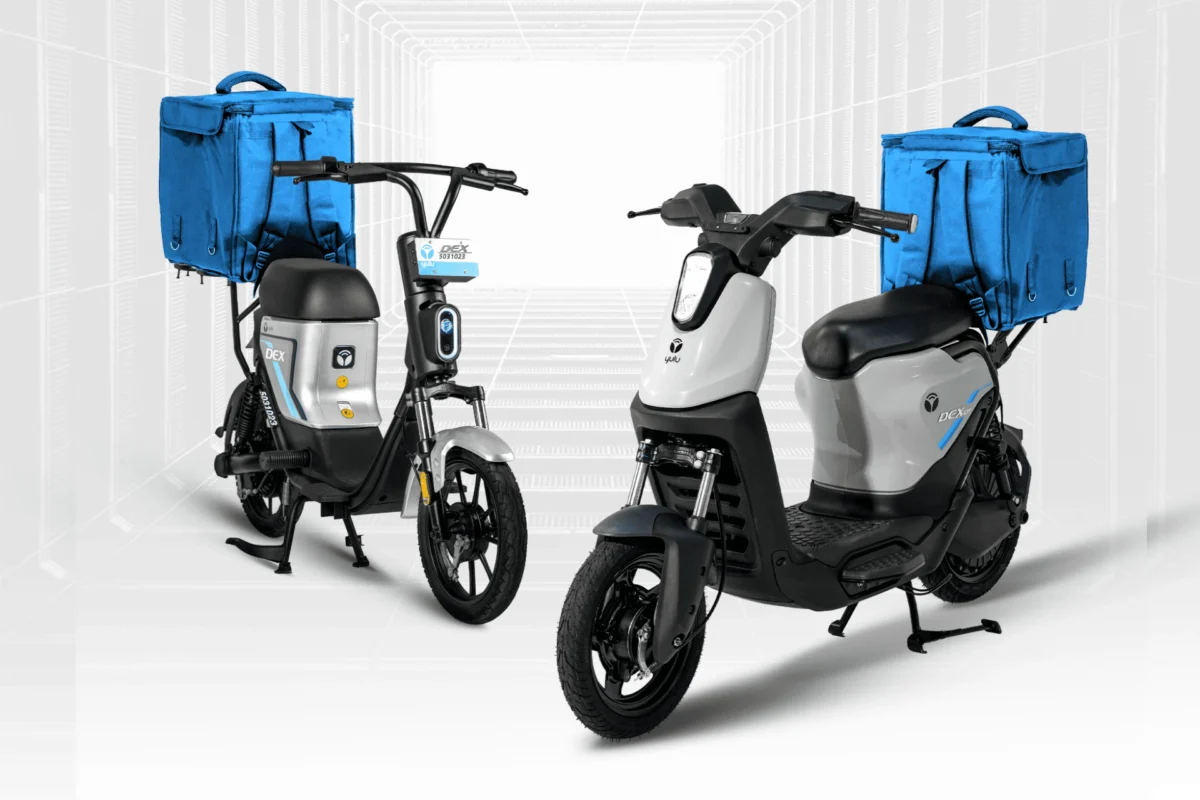
As India’s quick-commerce platforms accelerate their race to deliver an ever-expanding array of goods, from daily groceries to high-end smartphones, in mere minutes, electric mobility pioneer Yulu has strategically capitalized on this burgeoning demand, successfully closing a Series C funding round amounting to $93 million. This substantial investment is poised to dramatically scale Yulu’s electric two-wheeler fleet and introduce faster models, further cementing its pivotal role in empowering the nation’s burgeoning gig economy and advancing sustainable urban logistics.
Strategic Capital Infusion for Exponential Growth
The Bengaluru-based electric mobility startup announced that its latest funding round comprises $63 million in equity, spearheaded by GEF Capital Partners, and an additional $30 million in debt financing. A notable portion, approximately $5.5 million of the equity component, was strategically allocated to repurchase shares from early seed investors whose investment cycles were nearing their conclusion, as confirmed by co-founder and CEO Amit Gupta in a recent interview. This move allows Yulu to consolidate its investor base and streamline its capital structure as it prepares for its next phase of expansion.
While official valuation figures were not disclosed by Gupta, sources familiar with the transaction indicated to TechCrunch that the deal valued Yulu at approximately $170 million post-money. Existing strategic investors, including Bajaj Auto and Magna International, opted not to participate in this specific round, waiving their pre-emptive rights. This decision facilitated GEF Capital Partners in achieving its target ownership stake, a testament to the new lead investor’s confidence in Yulu’s trajectory. Gupta also articulated a forward-looking financial strategy, suggesting that this Series C round is anticipated to be the company’s final equity fundraising before an eventual public listing. Future fleet expansions, he noted, are expected to be financed predominantly through debt and lease financing mechanisms, indicating a mature approach to capital management.
Empowering the Gig Economy with Sustainable Mobility
Yulu’s core business model revolves around offering electric two-wheelers on flexible weekly subscription plans, a solution meticulously tailored for the dynamic needs of delivery drivers. This innovative approach allows gig workers to seamlessly integrate into the rapidly expanding quick-commerce and e-commerce ecosystems without the prohibitive upfront cost and maintenance burden of owning their own vehicles. Such a model significantly lowers the barrier to entry for countless individuals seeking employment opportunities in India’s informal economy, fostering financial inclusion and economic empowerment.
Currently, Yulu boasts a formidable fleet of approximately 50,000 electric vehicles. The company proudly reports logging an impressive 1.6 million zero-emission miles each week, facilitating over 750,000 deliveries daily. This operational efficiency underscores the significant environmental benefit derived from replacing traditional internal combustion engine (ICE) vehicles with electric alternatives in last-mile logistics. The fresh infusion of capital is earmarked to substantially expand this fleet to an ambitious 200,000 bikes over the next two years. Furthermore, a strategic portion of this investment will be channeled into developing and deploying faster electric two-wheelers, designed to address more demanding logistics use cases and enhance delivery capabilities across various service categories.
The Transformative Impact of the COVID-19 Pandemic
Founded in 2017 with an initial vision as a bike-sharing startup catering to urban commuters, Yulu’s strategic direction underwent a significant, albeit unplanned, pivot during the unprecedented challenges posed by the COVID-19 pandemic. The widespread lockdowns and subsequent acceleration in demand for food and grocery deliveries created an unforeseen yet massive opportunity for last-mile logistics providers. Yulu swiftly adapted its model to meet this burgeoning demand, shifting its focus from casual commuter rentals to providing essential mobility solutions for delivery personnel.
Today, this strategic pivot defines Yulu’s revenue streams. Amit Gupta confirmed that an overwhelming 95% of Yulu’s revenue is now generated from renting electric bikes to gig workers through weekly subscriptions. The remaining 5% is attributed to its station-based rental service, primarily operating in its home city of Bengaluru. This fundamental shift also led the company to discontinue an earlier plan to directly sell bikes to consumers, consolidating its efforts around its core B2B2C (business-to-business-to-consumer) model, where gig workers are the direct beneficiaries of its services.
Expanding Horizons: New Models and Market Penetration
To fuel its next aggressive growth phase and address evolving market demands, Yulu is poised to introduce a new, full-sized, higher-speed electric scooter, aptly named Yulu Express. This new model is engineered to cater to more rigorous and longer-haul e-commerce deliveries, as well as emerging segments such as bike taxis and express parcel services. These are areas that Yulu’s existing, lower-speed fleet was previously unable to effectively cover, thus unlocking new market segments and revenue opportunities. Gupta revealed that approximately one-third of the planned 200,000-vehicle fleet expansion will comprise this new Yulu Express model, signaling a significant diversification of its offerings.
While Yulu’s current low-speed fleet is manufactured by automotive giant Bajaj Auto, the new high-speed Yulu Express will be sourced from a different, unnamed Indian manufacturer. This strategic move suggests a diversification of its supply chain and an agile approach to leveraging India’s burgeoning EV manufacturing capabilities. Already, about 500 units of the Yulu Express are operational in Bengaluru, undergoing trials, with further pilot programs initiated in three additional cities to refine operations and gather critical performance data before a wider rollout.
Currently, Yulu operates across 12 Indian cities, maintaining direct operational control in major metropolitan hubs such as Bengaluru, Mumbai, Delhi-NCR, and Hyderabad. In eight other markets, the company employs a franchise model, demonstrating a flexible and scalable expansion strategy. Gupta outlined ambitious plans to expand Yulu’s footprint to roughly 20 cities within the next year, with Chennai and Pune identified as key targets for this rapid geographical expansion.
The "AWS of Mobility": A Strategic Ecosystem Player
Amit Gupta eloquently likened Yulu’s strategic role in the Indian logistics ecosystem to "the AWS of mobility." This analogy underscores Yulu’s ambition to function as a foundational infrastructure provider, supplying the essential mobility backbone that enables delivery workers to operate efficiently and independently. Yulu partners with virtually every major quick-commerce, food-delivery, and e-commerce platform in India, including global giants like Amazon and Walmart-owned Flipkart. Crucially, Yulu’s direct customers are the gig workers themselves, not the platforms. This direct relationship empowers individual delivery personnel, circumventing the need for third-party logistics providers to take a cut, thereby potentially increasing the earnings and autonomy of the gig workforce.
This positioning highlights Yulu’s critical role in streamlining the last-mile delivery segment, which is often the most complex and cost-intensive part of the supply chain. By providing reliable, affordable, and sustainable electric vehicles, Yulu addresses key operational challenges for platforms and economic barriers for workers, fostering a more robust and efficient delivery network across urban India.
Broader Market Context: India’s Quick-Commerce and EV Boom
Yulu’s substantial funding round comes amidst a period of explosive growth in India’s quick-commerce sector. Driven by increasing urbanization, rising disposable incomes, and a cultural shift towards convenience, platforms like Swiggy Instamart, Zomato-backed Blinkit, Zepto, and Dunzo are locked in an intense battle for market share. India’s quick-commerce market, valued at approximately $0.3 billion in 2021, is projected to surge to an estimated $5 billion by 2025, demonstrating an exponential growth trajectory. This hyper-competitive environment places immense pressure on delivery speed and cost-efficiency, making Yulu’s offerings invaluable.
Simultaneously, India is witnessing a robust push towards electric vehicle adoption, spearheaded by government initiatives like the FAME II (Faster Adoption and Manufacturing of Hybrid and Electric Vehicles) scheme, which offers subsidies and incentives for EV purchases and charging infrastructure development. The Indian electric two-wheeler market, while still nascent, is growing at a CAGR of over 30%, with sales crossing one million units in 2023. This rapid transition is fueled by rising fuel prices, growing environmental consciousness, and advancements in battery technology and charging solutions. Yulu’s model directly aligns with these national objectives, contributing to reduced carbon emissions, improved air quality in congested cities, and decreased reliance on fossil fuels.
Financial Health and Future Aspirations
Beyond fleet expansion, Yulu’s CEO Amit Gupta shared optimistic insights into the company’s financial health and future profitability. He stated that Yulu achieved positive EBITDA (Earnings Before Interest, Taxes, Depreciation, and Amortization) in the last financial year, a significant milestone for a growth-stage startup in a capital-intensive sector. Looking ahead, the company is on a clear path towards becoming profitable before interest and taxes (PBIT) by next year. Gupta also revealed impressive revenue growth, reporting a seven-fold increase between fiscal year 2023 and fiscal year 2026, although specific figures were not publicly disclosed.
This strong financial performance and a clear roadmap to profitability are crucial indicators for investors, validating Yulu’s business model and operational efficiency. The strategic decision to pivot towards debt and lease financing for future fleet expansion, rather than relying solely on equity, demonstrates a sophisticated financial strategy aimed at preserving equity value for an eventual public listing. An IPO would not only provide liquidity to early investors but also unlock significant capital for further scaling, potentially transforming Yulu into a dominant player in India’s sustainable urban mobility landscape.
Challenges and Opportunities Ahead
Despite its strong position and recent funding success, Yulu operates in a dynamic and challenging environment. Key hurdles include the continuous need for robust charging infrastructure, battery swapping networks, and maintenance support across its expanding operational footprint. Competition from other last-mile delivery solutions, including traditional gasoline-powered bikes and emerging electric competitors, remains a constant factor. Furthermore, navigating the complexities of regulatory frameworks for electric vehicles and gig economy workers in various Indian states requires agile and proactive engagement.
However, the opportunities for Yulu are immense. The sheer scale of India’s population, its rapid digital adoption, and the government’s strong commitment to electrification provide a fertile ground for growth. By continuously innovating its vehicle fleet, optimizing its operational model, and strengthening its partnerships with quick-commerce platforms and gig workers, Yulu is well-positioned to not only solidify its leadership in sustainable last-mile logistics but also to play a pivotal role in shaping the future of urban mobility in India. The $93 million funding round is not just a financial boost; it’s a powerful affirmation of Yulu’s vision and its potential to drive a greener, more efficient, and more inclusive gig economy across the nation.
About the Author