The digital marketing landscape is currently undergoing its most significant transformation since the inception of the commercial search engine in the late 1990s. As generative artificial intelligence (AI) becomes the primary interface for information retrieval, a new discipline known as AI Optimization (AIO) is emerging to complement, and in some cases supersede, traditional Search Engine Optimization (SEO). This shift represents a move away from the "ten blue links" model toward a synthesized, conversational discovery process where Large Language Models (LLMs) act as the ultimate gatekeepers of web traffic. Recent market observations indicate that content appearing as the primary recommendation in tools like ChatGPT, Claude, and Perplexity can generate substantial organic traffic without the need for traditional paid advertising or legacy backlink strategies.
The Evolution of Search: A Chronological Shift
The transition from keyword-based search to AI-driven synthesis has occurred with unprecedented speed. To understand the current state of AIO, it is necessary to examine the timeline of this technological evolution:
- 2000–2022: The SEO Era. For over two decades, digital visibility was dictated by Google’s PageRank and subsequent algorithms. Publishers focused on keyword density, meta-tagging, and domain authority. The user journey was linear: search, click, and browse.
- November 2022: The ChatGPT Catalyst. The launch of OpenAI’s ChatGPT introduced the public to conversational AI. Within two months, the platform reached 100 million monthly active users, making it the fastest-growing consumer application in history.
- 2023: The Proliferation of AI Search. Competitors such as Perplexity AI and Anthropic’s Claude emerged, offering real-time web browsing and source citation. These tools began to siphon "informational" queries away from traditional search engines.
- 2024–Early 2025: The Integration Phase. Google officially launched "AI Overviews" and a dedicated "AI Mode" across more than 180 countries. By the first quarter of 2025, Google reported that AI-integrated search features contributed to a 10% increase in search revenue, reaching $50.7 billion.
This chronology illustrates a fundamental change in user behavior. Instead of piecing together answers from multiple websites, users now expect AI to synthesize information and deliver a direct, authoritative response.
Understanding the Mechanics of AI Optimization
AIO differs from SEO in its fundamental evaluation of content quality. While Google’s traditional algorithms prioritize technical signals such as page load speed and mobile responsiveness, LLMs prioritize semantic relevance, factual density, and the ability of the content to answer complex, natural-language prompts.
Language models do not merely "rank" pages; they "retrieve and generate." In a process known as Retrieval-Augmented Generation (RAG), the AI scans the web for the most relevant data points to answer a specific user query. If a website’s content is structured in a way that the AI deems most useful for its synthesis, that site is cited as a source. This creates a "pre-vetted" traffic source where the user arrives at the website already convinced of the publisher’s authority, leading to higher engagement metrics and conversion rates.
Market Data and the Economic Impact of AI Search
The financial and behavioral data supporting the rise of AIO is compelling. As of early 2025, ChatGPT processes over 10 million web-browsing queries daily. Perplexity AI, which positions itself as an "answer engine," has seen its user base grow into the millions, with users citing the lack of traditional advertisements and the speed of information retrieval as primary drivers.
Google’s pivot toward AI is a defensive yet lucrative move. The company’s Q1 2025 earnings report highlighted that users who interact with AI-generated answers tend to stay on the platform longer and engage with more complex topics. However, for content creators, this presents a "zero-click" challenge. If the AI provides the full answer on the search page, the user may never click through to the source. AIO strategies are designed to ensure that even in a zero-click environment, the brand remains the primary authority cited by the model, capturing the "mental market share" of the user.
Strategic Pillars of AI-First Content Creation
Industry analysts have identified seven specific tactics that demonstrably improve the likelihood of a brand being cited by AI models. These strategies move beyond simple keyword placement and focus on the technical and structural preferences of LLMs.
1. Verification and Statistical Density
AI models exhibit a measurable preference for factual, data-backed content. Statements grounded in specific numbers, percentages, and verifiable metrics are more likely to be selected as "authoritative" compared to general or opinion-based prose. For instance, an AI is more likely to cite a source stating "our software reduced churn by 22% over six months" than one stating "our software significantly improves retention."
2. Community-Based Authority Signals
LLMs are trained on massive datasets that include community discussions from platforms like Reddit, Quora, and specialized industry forums. Authentic participation in these communities creates a network of organic mentions. When an AI model encounters consistent, positive references to a brand across these forums, it incorporates that sentiment into its "understanding" of the brand’s credibility.
3. Natural Language Query Optimization
Traditional SEO often relies on fragmented keywords (e.g., "best SaaS WordPress"). AIO requires optimizing for full, conversational questions (e.g., "What is the most effective WordPress plugin for building a SaaS platform?"). Content must be structured to answer these specific prompts directly and comprehensively.
4. Semantic Structure and Data Organization
Structured data, such as comparison tables and step-by-step lists, is highly favored by AI models because it is easily parsable. When information is organized in a clear, predictable format, the AI can extract the relevant data points for its generated response with higher confidence.
5. Multi-Platform Consistency
AI models often cross-reference information across multiple sources to verify accuracy. Maintaining a consistent message across a company website, social media profiles, and third-party publications reinforces the brand’s authority. Inconsistencies in data or messaging can lead a model to flag a source as unreliable.
6. Recency and Freshness Signals
Models with real-time web access prioritize the most current information. Explicitly dating content with "Last Updated" tags and referencing recent events or current-year statistics provides a strong signal to the AI that the information is relevant to the present context.
7. Technical Schema Implementation
The use of JSON-LD structured data markup is a critical technical component of AIO. By providing machine-readable metadata—such as FAQ schema, Article schema, and Organization schema—publishers can explicitly tell the AI what the content is about, who wrote it, and what questions it answers.
The Emergence of AIO Analytics
One of the primary hurdles in the adoption of AIO has been the lack of specialized tracking tools. Unlike Google Search Console, which provides detailed click and impression data, AI platforms like ChatGPT and Claude have historically been "black boxes."
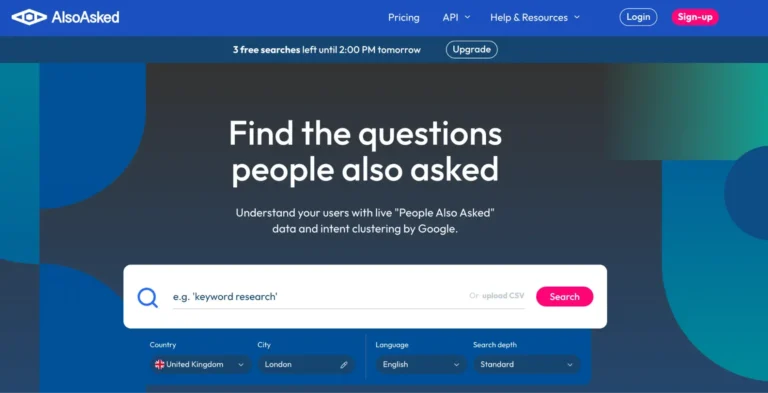
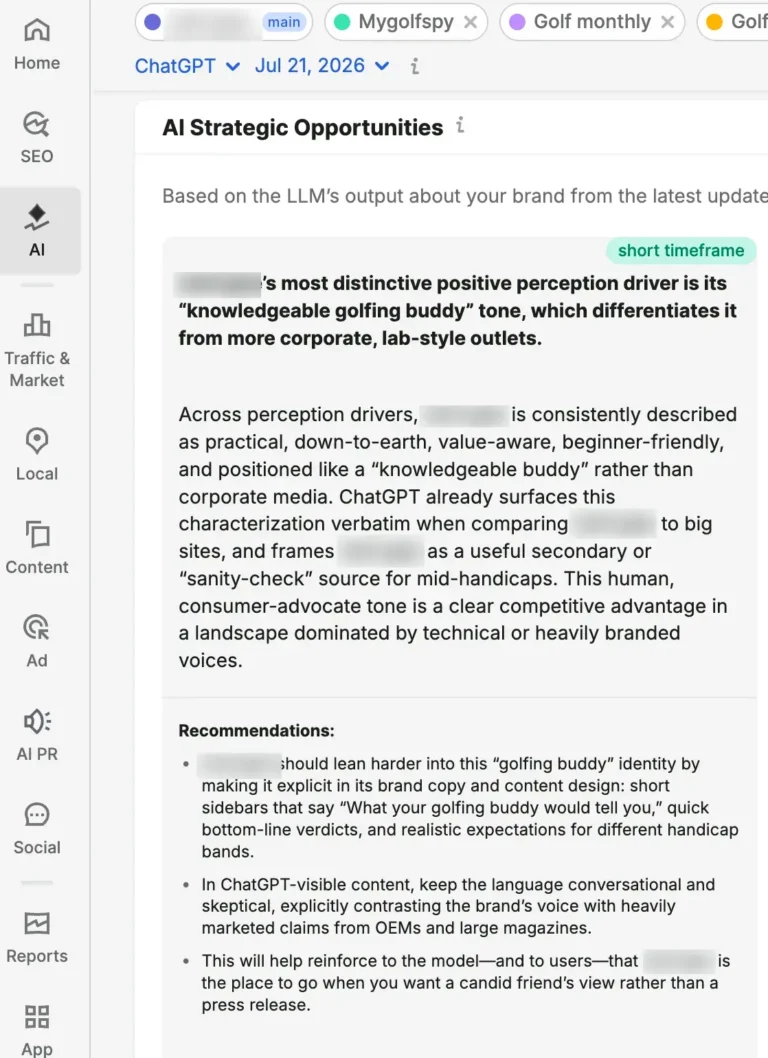
However, the industry is responding with a new generation of analytics tools. Companies such as Ahrefs, SE Ranking, and Keyword.com have introduced AI visibility tracking, with monthly subscription costs ranging from $39 to over $300. Furthermore, developers are increasingly using no-code automation platforms like Make.com to build custom monitoring systems. These systems systematically query AI models and record brand mentions, allowing publishers to treat AI visibility with the same rigor as traditional search rankings.
Implications for the Future of Digital Discovery
The shift toward AIO has profound implications for the digital economy. Critics argue that the rise of AI search could lead to a "dead internet" where AI models primarily train on AI-generated content, leading to a degradation of information quality. However, proponents suggest that AIO will force a return to high-quality, research-intensive journalism and technical writing, as shallow "SEO-bait" will no longer satisfy the sophisticated requirements of LLMs.
Furthermore, the commercialization of AI responses is inevitable. Early experiments suggest that AI platforms may soon integrate affiliate links or sponsored citations directly into their conversational outputs. This would create a new "pay-to-play" landscape that mirrors the evolution of Google Ads.
Conclusion and Industry Outlook
AI Optimization is no longer a niche experimental tactic; it is becoming a foundational requirement for any organization that relies on organic traffic. As Google continues to integrate AI Mode globally and as users increasingly turn to conversational assistants for decision-making, the window for early-mover advantage is closing.
The transition from SEO to AIO does not mean the death of the former, but rather its evolution. Successful digital strategies in 2025 and beyond will require a dual approach: maintaining technical SEO standards to satisfy traditional search crawlers while simultaneously optimizing for the semantic and structural preferences of generative AI. For content creators, the mandate is clear: provide verifiable, structured, and authoritative answers to the questions people are asking, or risk becoming invisible in the age of the AI-driven web.
About the Author