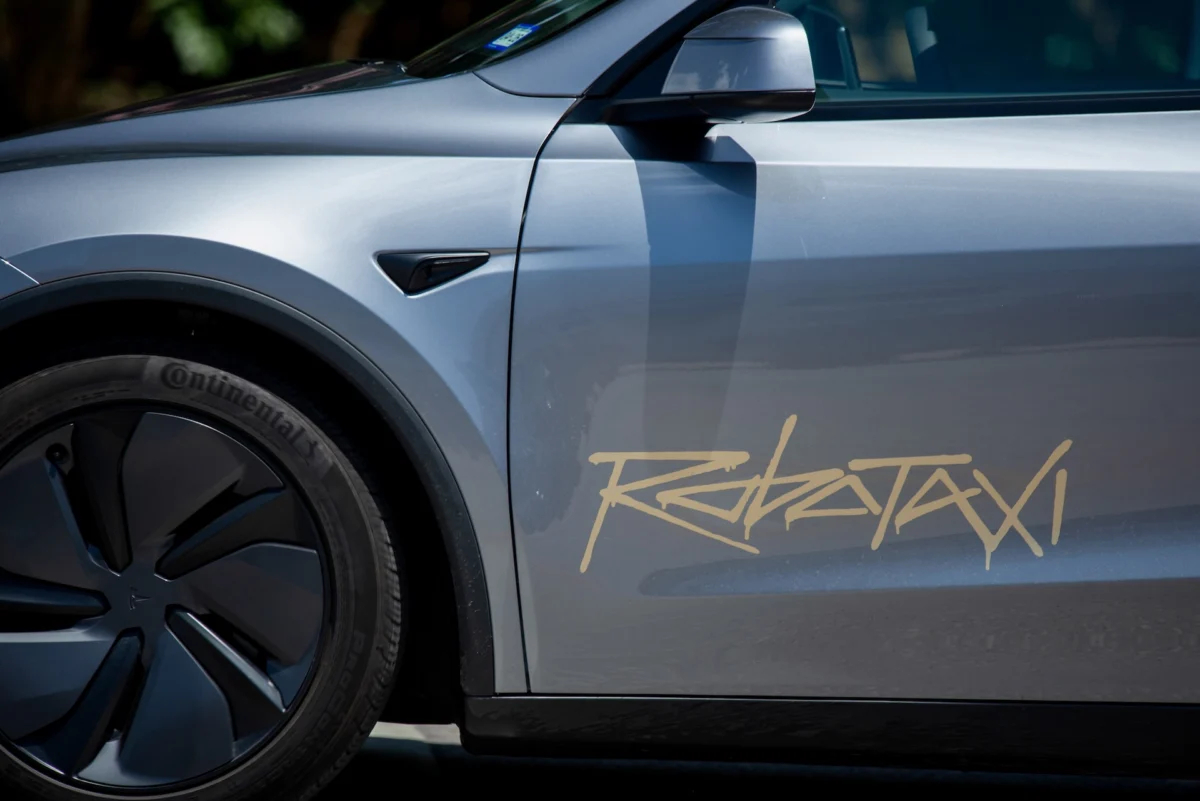
Nevada is poised on the precipice of a significant transformation in personal transportation as the Nevada Transportation Authority (NTA) has unanimously granted permits to three prominent technology companies – Tesla, Uber, and Waymo – to launch commercial robotaxi services within Clark County, home to the bustling metropolis of Las Vegas. This landmark decision, reached on Thursday, greenlights the potential deployment of up to 8,000 autonomous vehicles across the county over the next twelve months, ushering in an era of driverless rides for residents and millions of tourists.
The approved permits delineate specific deployment caps for each company. Tesla has received authorization to deploy up to 5,000 robotaxis, signaling a substantial commitment to its autonomous driving ambitions. Waymo, a long-standing pioneer in the autonomous vehicle space, is permitted to operate up to 1,000 autonomous vehicles. Uber, while not directly deploying its own vehicles in this instance, has secured a permit for 1,000 robotaxis, which it intends to operate through strategic partnerships with Hyundai subsidiary Motional and Amazon-owned Zoox. It is worth noting that Zoox already possesses an autonomous vehicle network company permit, allowing for the operation of 100 robotaxis, which will now be integrated into Uber’s broader network.
A Phased Rollout: Anticipating Deployment Realities
Despite the ambitious figures sanctioned by the NTA, an underlying question remains regarding the immediate pace of deployment. Testimony provided by representatives from Tesla and other participating companies suggests that achieving the full authorized numbers within the next year may be unlikely. Eric Early, Tesla’s Cybercab chief engineer, candidly stated during the NTA meeting, "The 5,000 has always been a ceiling for us. I don’t think we’ll be in a position by this time next year to deploy 5,000 vehicles, and it’s not [because of] the technology. I think we would be extremely happy and satisfied if we could get ourselves up to 2,500, maybe a bit higher than that in the next year." This acknowledgment points to potential challenges in manufacturing, scaling operational support, and navigating the complexities of real-world autonomous system deployment, even with robust technological foundations.
Even if the companies deploy only a fraction of their authorized fleets, the impact on Clark County, and Las Vegas in particular, is expected to be profound. The region is rapidly shaping up to be a fiercely competitive arena for robotaxi services, with Tesla, Uber (leveraging its partnerships), and Waymo vying for the same customer base. This heightened competition is anticipated to drive innovation, potentially influence pricing, and accelerate the adoption of autonomous mobility solutions.
Industry Opposition and Concerns Over Oversaturation
The approval of these permits was not without its detractors. Representatives from the Livery Operators Association and local taxi companies voiced strong opposition, arguing that the NTA’s decision moves "too far, too fast." Kimberly Maxson-Rushton, an attorney representing the Livery Operators Association, articulated two primary concerns during the hearing. "One deals with the oversaturation of the commercial transportation industry as a whole in Nevada," she stated, highlighting fears that an influx of autonomous vehicles could destabilize the existing taxi and ride-sharing market, impacting the livelihoods of human drivers. "And the second one deals with the overcrowding of the roadways, and specifically the Golden Triangle."
The "Golden Triangle" refers to a densely trafficked area encompassing the vicinity of the airport, extending to Las Vegas Boulevard and surrounding districts. This region has historically been a focal point for autonomous vehicle testing, and concerns about increased congestion are paramount. Motional is also conducting tests in the downtown area and a popular shopping district known as Town Square, further contributing to the existing traffic patterns in these key zones.
Uber’s Hybrid Approach: A Strategic Positioning
In the midst of this evolving landscape, Uber has strategically positioned itself by advocating for a hybrid approach to ride-hailing. The company has championed a model where its network comprises both human-driven vehicles and robotaxis. This stance has led Uber to lobby for regulatory frameworks that mandate the integration of autonomous vehicles within existing ride-hailing networks that also utilize human drivers. Such a policy recommendation places Uber at odds with companies like Waymo, which envision a future dominated by fully autonomous fleets, and serves as a pragmatic hedge against the potential for its own autonomous ambitions to fall short of those projected by competitors like Tesla and Waymo.
During the NTA meeting, Uber reiterated this hybrid model pitch. The company emphasized that a gradual integration of autonomous vehicles, facilitated by a hybrid network, would allow cities to more effectively manage peak demand without overwhelming existing infrastructure and transportation ecosystems. This approach suggests a commitment to a phased transition, prioritizing a balanced coexistence between human and machine-driven transportation.
The Broader Implications: Workforce Shifts and Economic Impact
The large-scale deployment of robotaxis in Clark County carries significant implications for the local workforce and the broader economy. Depending on the perspective, this technological shift is viewed through two contrasting lenses. Proponents argue that the rise of robotaxis will create a new category of jobs focused on the maintenance, charging, cleaning, and remote oversight of these autonomous fleets. These roles could range from specialized mechanics and charging infrastructure technicians to fleet operations managers and remote assistance personnel.
Conversely, a substantial concern revolves around the potential displacement of human taxi and gig drivers. The traditional model of ride-hailing relies heavily on a large workforce of individuals who earn their living behind the wheel. The widespread adoption of driverless vehicles could lead to a significant reduction in demand for these human drivers, raising questions about job security, retraining initiatives, and the social safety nets required to support affected workers. This economic and social transition is a critical aspect that policymakers and industry stakeholders will need to address proactively.
A Look Back: The Path to Autonomous Approval in Nevada
Nevada has consistently been at the forefront of autonomous vehicle regulation. The state enacted its first law governing autonomous vehicles in 2011, establishing an early framework for testing and development. Since then, the NTA has incrementally updated its regulations, facilitating a growing number of pilot programs and testing initiatives.
Key Milestones in Nevada’s Autonomous Vehicle Journey:
- 2011: Nevada becomes the first state to enact legislation permitting the testing of autonomous vehicles on public roads. Governor Brian Sandoval signs Senate Bill 511, establishing the legal groundwork for AV development.
- 2012: Google (now Waymo) begins testing its self-driving cars in Nevada.
- 2017: The NTA revises its regulations to allow for the operation of autonomous vehicles without a human safety driver present under certain conditions, paving the way for more advanced testing.
- 2018-2020: Multiple companies, including Uber’s partner Motional and Zoox, conduct extensive testing in various parts of Clark County, accumulating valuable data and refining their autonomous driving systems.
- 2021: The NTA introduces new regulations specifically addressing the commercial deployment of autonomous vehicles for ride-hailing services, setting the stage for the recent permit approvals.
- 2023-2024: Tesla publicly announces its "Cybercab" ambitions and begins preparing for commercial deployment. Uber, through its partnerships, actively pursues commercial operating permits. Waymo continues to expand its existing public robotaxi service in Phoenix, demonstrating its readiness for broader deployment.
The recent unanimous approval by the NTA signifies a maturation of the regulatory environment and a broader acceptance of the potential benefits of autonomous mobility. The decision reflects a careful balance between fostering technological innovation and addressing legitimate public safety and economic concerns.
The Competitive Landscape: A Multifaceted Battle for Ridership
The entry of Tesla, Uber, and Waymo into the commercial robotaxi market in Clark County intensifies an already dynamic transportation sector. Each company brings a unique strategy and technological approach to the table:
- Tesla: With its ambitious "Cybercab" vision, Tesla aims to leverage its existing Supercharger network and a rapidly expanding fleet of vehicles equipped with its Full Self-Driving (FSD) software. The company’s direct-to-consumer model and extensive user base provide a strong foundation for rapid adoption, assuming technological and operational readiness.
- Waymo: As a pioneer with years of operational experience in cities like Phoenix and San Francisco, Waymo boasts a highly sophisticated and extensively tested autonomous driving system. Its focus on safety and a controlled, phased rollout has built significant trust among users.
- Uber: Uber’s strategy hinges on its established ride-hailing platform and extensive network of users. By partnering with established AV developers like Motional and Zoox, Uber aims to integrate autonomous vehicles into its existing service offering, providing a familiar user experience while capitalizing on the efficiency of driverless technology. Their advocacy for a hybrid model also positions them to adapt to evolving regulatory landscapes and consumer preferences.
The interplay between these three major players is likely to define the future of mobility in Las Vegas. The competition could lead to a race for market share, potentially driving down prices for consumers and accelerating the development of advanced features and services.
Analyzing the Road Ahead: Challenges and Opportunities
The approval of commercial robotaxi services in Clark County presents a complex tapestry of challenges and opportunities.
Potential Challenges:
- Technological Reliability and Safety: While significant advancements have been made, ensuring the consistent safety and reliability of autonomous vehicles in diverse and unpredictable urban environments remains a paramount concern. Weather conditions, unexpected road hazards, and the behavior of human drivers and pedestrians are constant variables.
- Public Perception and Trust: Building and maintaining public trust in robotaxi services will be crucial for widespread adoption. Incidents or accidents, however rare, can have a significant impact on public perception.
- Infrastructure Requirements: Large-scale robotaxi operations will necessitate robust charging infrastructure, maintenance facilities, and potentially dedicated lanes or communication systems to optimize fleet management and efficiency.
- Regulatory Evolution: As the technology matures and deployment scales, regulatory frameworks will need to continuously adapt to address new challenges related to safety standards, data privacy, liability, and urban planning.
- Workforce Transition: The economic and social impact on human drivers requires careful consideration and proactive planning, including retraining programs and support for displaced workers.
Significant Opportunities:
- Enhanced Mobility: Robotaxis can provide increased mobility options for individuals who are unable to drive, including the elderly, people with disabilities, and those without access to personal vehicles.
- Reduced Congestion and Emissions: Optimized routing and a potential shift away from private car ownership could lead to reduced traffic congestion and lower carbon emissions, particularly if fleets are electric.
- Economic Growth: The development and deployment of autonomous vehicle technology can stimulate economic growth through job creation in new sectors, technological innovation, and increased tourism.
- Improved Safety: Over time, autonomous vehicles, with their consistent adherence to traffic laws and advanced sensor capabilities, have the potential to significantly reduce traffic accidents caused by human error.
- New Urban Planning Possibilities: The widespread adoption of robotaxis could influence urban design, potentially leading to reduced parking needs and more efficient land use.
The decision by the Nevada Transportation Authority is a pivotal moment, signaling a bold step towards an autonomous future. The coming months and years will be critical in observing how Tesla, Uber, and Waymo navigate the operational, regulatory, and public acceptance challenges, ultimately shaping the future of transportation in Las Vegas and beyond. The experiment in Clark County will undoubtedly serve as a crucial case study for other regions contemplating similar advancements in autonomous mobility.
About the Author