The landscape of digital discovery is undergoing a fundamental transformation as traditional search engine optimization (SEO) is supplemented, and in some cases replaced, by AI Optimization (AIO). This shift follows a significant change in consumer behavior, where users increasingly bypass traditional search engine results pages in favor of direct, synthesized answers provided by Large Language Models (LLMs) such as ChatGPT, Claude, and Perplexity. For content creators and digital marketers, the emergence of AIO represents a new frontier in organic traffic, requiring a departure from legacy strategies focused on keyword density and backlink volume toward a framework centered on factual accuracy, structured data, and semantic relevance.
The Evolution of Information Retrieval: A Brief Chronology
The transition from traditional search to AI-driven discovery has occurred with unprecedented speed. For over two decades, the "ten blue links" model established by Google dictated the flow of information on the internet. This era was defined by the user’s journey of entering a query, scanning multiple websites, and manually synthesizing an answer.
The timeline of the current disruption began in earnest in November 2022 with the public release of ChatGPT by OpenAI. The platform reached 100 million monthly active users within just two months, making it the fastest-growing consumer application in history at the time. By 2023, competitors like Perplexity AI emerged, positioning themselves specifically as "answer engines" rather than search engines.
In 2024, the industry witnessed the integration of generative AI into mainstream search platforms. Google introduced Search Generative Experience (SGE), later rebranded as AI Overview and AI Mode, which provides AI-generated summaries at the top of search results. By early 2025, data indicated that ChatGPT was processing over 10 million web-browsing queries daily, while Google reported a 10% increase in search revenue—reaching $50.7 billion in the first quarter of the year—largely attributed to the successful integration of AI features. This timeline suggests that AI search has moved from a niche experiment to a core component of the global digital economy.
Understanding AI Optimization (AIO)
AIO is defined as the strategic practice of optimizing digital content to ensure it is selected, cited, and recommended by AI models during the generation of conversational responses. While SEO focuses on the algorithms of search engines, AIO focuses on the training data and retrieval mechanisms of LLMs.
Market analysts note that LLMs do not evaluate pages based on traditional SEO signals like page load speed or meta-description length in isolation. Instead, these models prioritize content that provides clear, authoritative, and comprehensive answers to natural language questions. The distinction is critical: an SEO-optimized page might rank first on Google but fail to be cited by an AI if the information is presented in a way that is difficult for a model to synthesize.
The value of appearing in an AI-generated response is often higher than a traditional search result. When an AI cites a source, it provides context and a perceived endorsement, summarizing why the resource is relevant to the user’s specific problem. This "pre-vetting" by the AI results in higher-quality referral traffic, as users who click through to the source website are already informed about the content’s value.
Market Data and Economic Impact
The shift toward AIO is driven by both user demand and significant financial investment. According to recent industry reports, the proliferation of AI search tools has led to a noticeable redistribution of organic traffic.
- User Adoption: Over 180 countries now have access to Google’s AI Mode. The speed of adoption suggests that for younger demographics, AI search is becoming the default method for research and decision-making.
- Revenue Metrics: Google’s $50.7 billion Q1 2025 search revenue highlights the profitability of AI-enhanced search. Platforms that can successfully blend traditional advertising with AI synthesis are seeing increased engagement and higher monetization rates.
- Tracking Costs: The demand for AIO has birthed a new sub-sector of the marketing software industry. Commercial AIO tracking tools now command subscription fees ranging from $39 to over $300 per month, reflecting the high value businesses place on visibility within AI responses.
Strategic Pillars of AI Optimization
Industry experts have identified several core tactics that demonstrably increase the likelihood of content being cited by AI models. These strategies align with the way LLMs process information and assess credibility.
Data Density and Verifiable Statistics
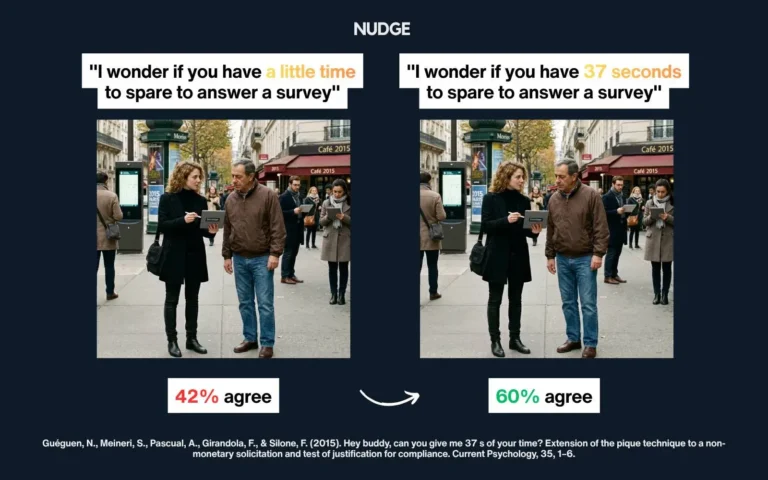
AI models exhibit a measurable preference for factual, data-backed content. Research indicates that content containing specific numbers, percentages, and verifiable proofs is more likely to be extracted by an AI than generalized prose. For example, a statement regarding "significant user growth" is less effective for AIO than a specific claim of "a 25% increase in active users over six months."
Community Sentiment and Forum Presence
LLMs are trained on massive datasets that include community discussions from platforms like Reddit and Quora. When a brand or resource is mentioned positively within these organic human conversations, it creates a "credibility signal" that AI models recognize. Strategic participation in these forums—focused on providing value rather than overt promotion—helps establish a footprint in the data pools that AI models frequent.
Semantic Structure and Natural Language Queries
AIO requires a shift from "keyword-ese" to natural language. Users interact with AI through complete sentences and complex questions. Consequently, content structured as an answer to specific questions—often using FAQ formats or H2 subheadings phrased as queries—is more easily parsed by AI retrieval systems.
Technical Markup and JSON-LD
The use of structured data (Schema markup) remains a vital technical component. By using JSON-LD scripts to define a page as an "Article," "HowTo," or "FAQ," creators provide machine-readable context that helps AI models understand the relationship between different pieces of information on a page.
Information Freshness and Update Signals
AI models with real-time web access prioritize current information. Including explicit "Last Updated" dates and referencing recent events or the current year helps signal to the model that the content is relevant to the present context.
The Challenge of Analytics and Performance Tracking
A primary obstacle in the transition to AIO is the lack of standardized analytics. Unlike traditional SEO, where Google Search Console provides transparent data on impressions and clicks, AI platforms like ChatGPT and Claude do not currently offer a dashboard for website owners.
This transparency gap has led to the rise of specialized monitoring systems. Sophisticated creators are increasingly utilizing no-code automation platforms, such as Make.com, to systematically query AI models and log when their content appears in responses. By tracking "AIO Keywords"—long-tail, conversational questions—businesses can build a historical record of their AI visibility and adjust their content strategies accordingly.
Official Responses and Industry Outlook
The response from major tech entities suggests that AI search is not a temporary trend but a permanent shift in the architecture of the internet. Google’s leadership has indicated that while traditional search results will remain, AI-generated summaries will continue to occupy more prominent "above-the-fold" real-estate.
Meanwhile, Microsoft’s integration of GPT-4 into Bing has forced a competitive race in the search sector, leading to rapid iterations in how citations are presented to users. Regulatory bodies in the European Union and the United States are also beginning to examine the implications of AI search, particularly regarding copyright and the fair compensation of the creators whose content feeds these models.
Broader Implications for the Digital Economy
The rise of AIO marks the end of the "blue link" era and the beginning of the "synthesized answer" era. This has profound implications for the digital economy:
- Content Quality: There is a growing incentive for creators to produce high-depth, factual content rather than high-volume, superficial articles. AI models act as a filter, rewarding comprehensive resources and ignoring "fluff."
- Brand Authority: Authority is no longer just about backlinks; it is about being recognized as a trusted source across multiple platforms. Multi-platform consistency—where the same expertise is reflected on a website, in social media, and in community forums—is becoming the new benchmark for digital reputation.
- The Zero-Click Reality: As AI models provide more complete answers directly on the search page, "zero-click" searches are expected to rise. Content creators must adapt by finding ways to monetize the visibility and brand recognition gained from being an AI-cited source, even if it does not always result in a direct website visit.
In conclusion, AI Optimization is rapidly becoming a mandatory skill set for anyone involved in digital publishing. The window for early-adopter advantage is narrowing as more organizations recognize the importance of AI visibility. Those who successfully integrate AIO with traditional SEO will likely dominate the next decade of organic discovery, capturing traffic from both traditional searchers and the growing millions who rely on AI for their daily information needs.
About the Author