A recent survey has revealed a significant trend: many people managers are leveraging publicly available artificial intelligence (AI) platforms to navigate the complexities of difficult employee conversations, often inputting sensitive performance data into these tools despite a lack of comprehensive organizational policies. The findings, published by The Predictive Index (PI) on August 21, 2026, highlight a growing reliance on AI for performance management support, raising questions about data privacy, ethical use, and the preparedness of both managers and leadership in the evolving workplace.
The study, which surveyed 399 managers and 208 CEOs and business leaders across a diverse range of industries, indicates a notable disconnect between the perceived readiness of managers and their actual needs. While 72% of managers found public AI tools to be useful for preparing for difficult conversations, a substantial 44% admitted to entering employee names and specific performance details into these platforms. This practice occurs against a backdrop where only 45% of surveyed organizations reported having a formal, written policy governing the use of AI in performance management, suggesting a widespread vulnerability in safeguarding employee information.
The Growing Reliance on AI for Performance Management
The survey data paints a clear picture of managers actively seeking external support for challenging dialogues. The preference for assistance over independent preparation is striking, with only one in five managers indicating they would rather prepare for difficult conversations on their own than utilize a framework, coaching guide, or input from HR. This underscores a fundamental need for structured support, a need that many managers perceive AI tools can help fulfill.
Anthony Belluccia, an I/O psychologist at The Predictive Index, commented on these findings, stating, "While leaders surveyed told PI that they trust their managers, what our research shows is that trusting a manager and knowing they’re set up for a specific hard conversation are two different things. Managers are more aware of where they need support than their leaders are, and addressing those needs starts with understanding what’s driving them." This observation suggests that the proactive engagement with AI by managers is a signal of their own recognition of skill gaps and a desire to improve their performance in critical areas of people management.

Key Challenges Faced by Managers
The report further details the specific pain points that drive managers to seek assistance. The most significant struggles identified include the delivery of constructive criticism, anticipating employee reactions during difficult conversations, and maintaining objectivity throughout the process. These are perennial challenges in people management, often requiring a delicate balance of empathy, directness, and strategic communication. The rise of AI tools offers a seemingly accessible solution for generating talking points, structuring feedback, and even role-playing potential scenarios, thereby attempting to mitigate these inherent difficulties.
This situation is not entirely novel. A separate report released by WTW the previous year highlighted a similar deficit in effective feedback delivery. That study found that only one in five organizations believed their managers were proficient in providing feedback, indicating a systemic issue within performance management processes. The current PI survey can be seen as an extension of this ongoing concern, demonstrating how managers are adapting to these persistent challenges by exploring new technological avenues.
AI’s Role: A Double-Edged Sword in Performance Management
The increasing adoption of AI in performance management is a trend that extends beyond just difficult conversations. Many organizations are now directing managers to use AI tools for gathering information about employees and for drafting initial performance reports. This move is often framed as an effort to streamline processes and enhance efficiency. However, experts in AI ethics and labor law have consistently sounded a note of caution. The potential for AI to amplify existing biases within organizational data is a significant concern, as is the legal fallout that could arise from the use of AI-generated assessments or feedback.
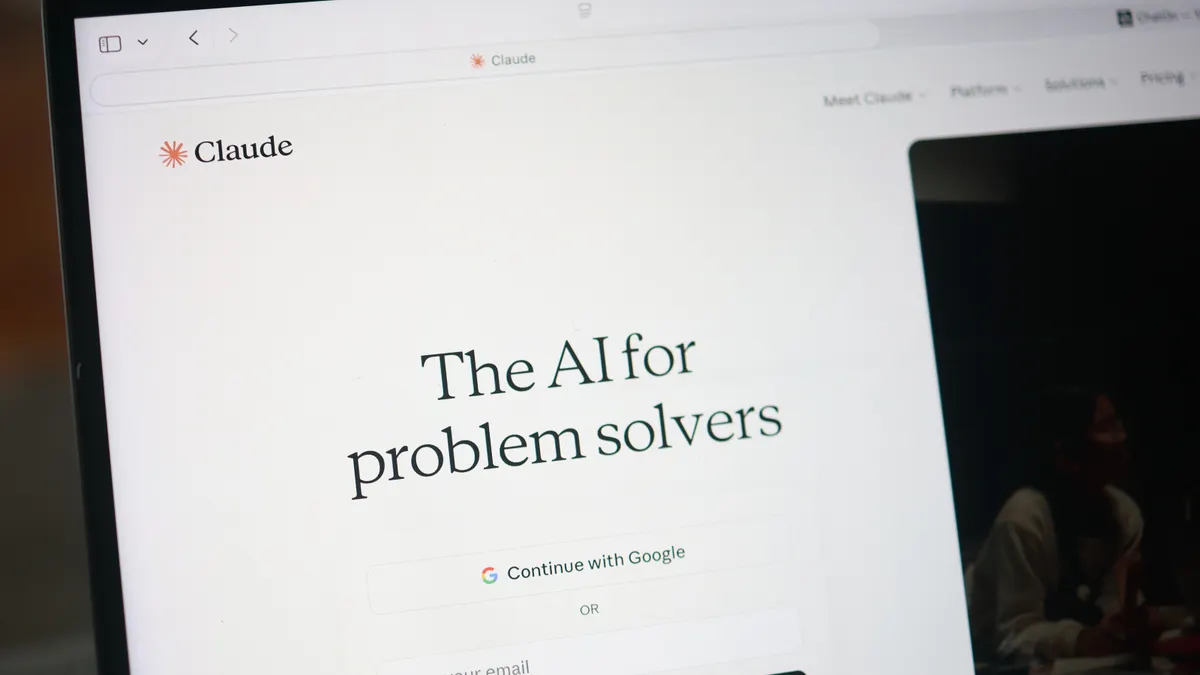
The use of public AI platforms like Claude, as depicted in accompanying visuals, raises specific privacy and security questions. While these tools are designed for broad utility, their capacity to handle sensitive employee data without robust organizational oversight poses a risk. The lack of formal written policies in many companies exacerbates this risk, leaving organizations vulnerable to data breaches, misuse of information, and potential litigation.
The Data Behind the Trend: Survey Insights
The Predictive Index survey provided granular data on manager behavior and organizational preparedness:

- Managerial Reliance on AI: 72% of managers found public AI tools useful for preparing for difficult conversations.
- Data Input into AI: 44% of managers admitted to entering employee names and performance details into public AI platforms.
- Organizational Policy Gaps: Only 45% of organizations have a formal written policy on AI use in performance management.
- Preference for Support: 80% of managers prefer some form of guidance (framework, coaching, HR input) over preparing alone for difficult conversations.
- Managerial Struggles: Key challenges include delivering constructive criticism, anticipating employee reactions, and staying objective.
Broader Implications and Future Considerations
The findings from The Predictive Index survey signal a critical juncture for human resources and leadership development. The reliance on public AI tools for sensitive tasks like performance management suggests a gap in existing training, support systems, and, most importantly, clear governance.
1. Data Privacy and Security Risks: The widespread practice of inputting employee data into public AI platforms without adequate policies or safeguards presents a significant risk of data breaches and misuse. Organizations need to prioritize the development and enforcement of comprehensive data privacy policies that specifically address the use of AI. This includes defining what types of data can be used, with which tools, and under what conditions.
2. Ethical AI Deployment: Beyond privacy, the ethical implications of using AI in performance management are profound. AI algorithms can inadvertently perpetuate or even amplify existing biases related to race, gender, age, or other protected characteristics. This can lead to discriminatory outcomes in hiring, promotions, and performance evaluations. Organizations must invest in understanding and mitigating these biases, ensuring that AI tools are used to promote fairness, not entrench inequality.
3. Leadership Awareness and Preparedness: The survey highlights a potential disconnect between leadership’s perception of manager readiness and the reality on the ground. CEOs and senior leaders may overestimate the capabilities of their managers without fully understanding the challenges they face or the tools they are increasingly turning to. A more proactive and informed approach from leadership is required to equip managers with the necessary skills and resources, rather than assuming their proficiency.
4. The Future of Performance Management: As AI continues to evolve, its role in performance management will likely expand. Organizations that fail to establish clear policies and ethical guidelines for AI use risk falling behind and facing significant legal and reputational damage. The trend towards AI assistance, while offering potential benefits in efficiency and support, necessitates a careful and deliberate approach to ensure it serves to enhance, rather than undermine, fair and effective people management practices.

5. The Role of HR and Training: Human resources departments are at the forefront of managing these changes. They are tasked with developing policies, educating employees and managers, and ensuring compliance. Investing in robust training programs that focus on effective communication, feedback delivery, and the ethical use of technology is paramount. Furthermore, HR professionals need to stay abreast of advancements in AI and its potential impact on the workforce.
The insights from this survey serve as a critical call to action for organizations to address the growing reliance on AI in performance management. Proactive policy development, comprehensive training, and a commitment to ethical AI deployment are essential steps to ensure that technology serves as a tool for empowerment and fairness, rather than a source of risk and inequity in the modern workplace. The findings, published on August 21, 2026, are likely to fuel ongoing discussions and drive significant changes in how organizations approach the complex landscape of performance management in the age of artificial intelligence.
About the Author