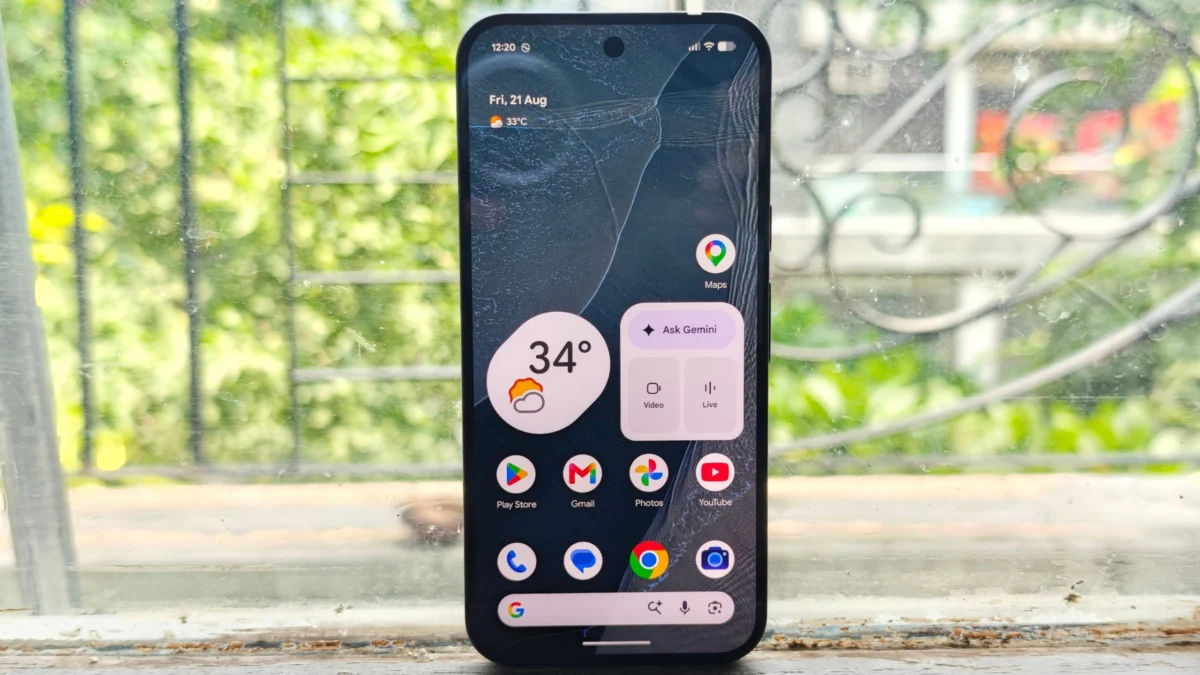
The landscape of smartphone innovation often presents a delicate balance between groundbreaking advancements and incremental refinements. Google’s latest flagship offerings, the Pixel 11 Pro and Pixel 11 Pro XL, appear to lean towards the latter, delivering solid performance and notable camera enhancements within a familiar aesthetic. While the devices integrate new AI-powered features, their outward appearance closely mirrors their predecessors, potentially requiring users to proactively highlight their device’s newness. This review delves into the core functionalities, new AI integrations, camera capabilities, and pricing strategy of these new Pixel devices, exploring their place in an increasingly competitive market.

A Familiar Design with Refined Aesthetics

At first glance, the Pixel 11 Pro and Pixel 11 Pro XL might be mistaken for their previous iterations. Google has opted for a conservative approach to design, focusing on subtle enhancements rather than a radical overhaul. The most apparent visual updates lie in the new color options, which have been described as "gorgeous," adding a touch of sophistication to the devices. A more functional, albeit limited, addition is the small glowing light on the back of the phone. While aesthetically pleasing when illuminated in various colors like green, yellow, pink, purple, or white, its practical application is currently confined to specific scenarios, primarily indicating Gemini activity or incoming calls from favorite contacts. This feature, dubbed "HiLight," is a departure from the temperature sensor found in previous models. While it aims to reduce screen time by offering subtle visual cues, its restricted functionality, particularly its exclusion of text message notifications, leaves room for significant future development and customization. The potential to assign specific colors to different apps or contacts could transform it into a more indispensable tool for managing notifications discreetly.

The Power of AI: Gemini Integrations and the "Rambler" Feature

A significant thrust of the Pixel 11 series is the integration of Google’s advanced Gemini AI models. These features are designed to enhance user experience through intelligent suggestions, improved dictation, and more proactive assistance. One of the most compelling AI-driven additions is "Rambler," a dictation tool that promises to revolutionize how users interact with their devices through voice.

Rambler intelligently transcribes speech, crucially removing filler words like "um" and "ah," and formats the output for clarity. This feature directly challenges existing dictation applications, aiming to provide a more natural and efficient transcription experience. The tool has demonstrated proficiency in handling language switching and noisy environments, making it a potentially indispensable utility for note-taking, email composition, and general text input. The reviewer notes that the feature is "on par with a few of the top tools in the industry," even humorously suggesting it facilitated the writing of the section itself with minimal edits. While its initial availability might be exclusive to Pixel devices, its potential to streamline daily tasks makes it a standout AI integration.

Beyond dictation, Gemini introduces "Proactive Suggestions," which aims to surface context-aware recommendations from various apps. In initial testing, this feature showed promise when assisting with scheduling queries via text messages. However, its effectiveness is contingent on Gemini’s access to a comprehensive understanding of the user’s digital life. A key limitation identified is the current inability for Proactive Suggestions to draw information from multiple calendar applications, potentially leading to incomplete or inaccurate availability suggestions. Furthermore, instances where Gemini failed to suggest relevant information, such as an address that should have been discernible from emails, indicate that the AI’s contextual awareness is still under refinement.

Gemini also boasts "agentic capabilities," allowing it to perform tasks like placing food orders. However, this advanced functionality is currently restricted to the U.S. market, preventing its evaluation in other regions. The "Live Translate" feature, designed to provide real-time captions for live streams and videos, requires the download of specific language packs, adding a minor hurdle to its immediate usability.

Camera Prowess: Enhanced Sensors and Creative Control

Google has consistently positioned the Pixel line as a leader in mobile photography, and the Pixel 11 Pro and Pixel 11 Pro XL continue this tradition with notable hardware and software improvements. The devices feature larger sensors for both the main and telephoto cameras compared to the Pixel 10 Pro XL. This hardware upgrade is designed to capture more light and detail, though direct pixel-level confirmation is left to future deep dives.

The most immediate impact of these enhancements, coupled with a new processor and software optimizations, is a demonstrably "snappier" camera experience. The camera app is more responsive, allowing for faster photo capture. This speed is particularly beneficial for the improved Night Sight mode, which now processes low-light shots more quickly, reducing the risk of blurry images due to hand shake.

Beyond speed, Google has introduced a new suite of creative controls under the "Looks" feature. These act as advanced filters, fundamentally altering the computational photography pipeline. Users can choose from four default Looks – Original, Natural, Shadows, and Vanilla – or explore additional options like Editorial, Classic (with increased grain), Digi (evoking old digital cameras), Black Tie, and Minimal. These Looks can be quickly accessed and applied through customizable one-touch controls on the camera interface, allowing users to experiment with different photographic styles on the fly. This level of creative control, integrated seamlessly into the shooting process, empowers users to tailor their images to specific aesthetic preferences.

The Pro Res Zoom feature has also seen improvements, utilizing AI to upscale images beyond the 30x digital zoom. While the maximum zoom level has increased from 100x to 120x on the Pro XL, the practicality of capturing legible images at such extreme ranges remains challenging for subjects distant from the camera. However, for moderate zoom levels, the AI enhancements are reported to yield usable results.

A particularly innovative addition is "Magic Capture." This feature allows users to record a short video clip and then employ AI to extract the best moments as still photos. This is ideal for capturing dynamic subjects like children, pets, or sports action. While it demonstrates promise for candid shots, the current iteration has limitations, including potential difficulties with fast-moving subjects and a fixed output resolution of 12 megapixels. The reviewer anticipates frequent use of this feature for their pets, highlighting its potential for capturing fleeting moments.

Pricing and Market Positioning: An Incremental Leap?

In an era marked by global supply chain challenges, hardware companies have faced pressure to adjust pricing strategies. Google has not been immune to these pressures, leading to a notable shift in the Pixel 11 lineup. The 128GB base model has been discontinued. While the 256GB models of both the Pixel 11 and Pixel 11 Pro retain their previous year’s pricing, a reduction in RAM from 16GB to 12GB across both devices signifies a cost-saving measure. More significantly, the Pixel 11 Pro XL has seen a $100 price increase compared to its predecessor.

These pricing adjustments, coupled with the iterative nature of the design and the AI features that may eventually trickle down to older Pixel models, present a complex proposition for consumers. For ardent tech enthusiasts, the upgrade from the Pixel 10 series may not present a compelling immediate incentive, despite the undeniable improvements in camera performance and the impressive capabilities of features like Rambler. The question remains whether these incremental upgrades and AI integrations are sufficient to drive widespread adoption and justify the increased cost for the XL variant in a market saturated with sophisticated alternatives.

The Google Pixel 11 Pro and Pixel 11 Pro XL represent a measured evolution of the Pixel line. They offer a refined user experience, enhanced camera capabilities, and promising AI integrations, particularly the standout Rambler dictation tool. However, their conservative design and pricing strategy, especially for the Pro XL model, suggest that Google is prioritizing stability and refinement over radical disruption in this generation. Future software updates and the eventual availability of these AI features on older devices will play a crucial role in determining the long-term value proposition and market impact of these new Pixel smartphones.
About the Author