The International Chamber of Commerce (ICC), the institutional representative of more than 45 million companies in over 170 countries, is currently undergoing one of the most significant technological transitions in its century-long history. At the center of this metamorphosis is Cyrille, a digital architect whose 15-year tenure at the organization has mirrored the broader evolution of the global digital economy. From the foundational task of installing physical Wi-Fi infrastructure to the complex implementation of artificial intelligence (AI) and the digitization of decades-old trade instruments, the trajectory of Cyrille’s career provides a microscopic view of how international organizations must adapt to survive in a hyper-connected world.
The ICC’s digital journey is not merely about internal efficiency; it is a critical component of its global mission to make business work for everyone, every day, everywhere. As the world’s largest business organization, the ICC sets the rules and standards that govern international trade. Consequently, the digitization of its own internal workflows and external services has profound implications for the speed, security, and accessibility of global commerce.
The Foundation: From Physical Infrastructure to Digital Workflows
When Cyrille first joined the ICC over a decade and a half ago, the technological landscape was fundamentally different. At that time, the primary objective of the information technology (IT) department was the establishment of reliable hardware and local connectivity. The initial phase of Cyrille’s work involved upgrading the network and information systems service, a project that required both high-level strategic planning and hands-on technical execution.
During this era, the focus was on the tangible: placing switches, running wires, and strategically positioning access points for office-wide Wi-Fi. However, even in these early stages, the goal was more than just connectivity. It was about creating an environment where staff could operate with greater flexibility. Cyrille notes that the organization provided significant freedom to explore optimal configurations, allowing the IT team to streamline day-to-day workflows and digitize basic processes that had previously been reliant on manual intervention.
This period of "infrastructure building" served as the prerequisite for the more advanced digital products that define the ICC today. Without a robust and secure internal network, the organization would have been unable to support the massive data requirements and collaborative platforms necessitated by modern international trade.
The ATA Carnet: Digitizing a 60-Year-Old Legacy
Perhaps the most significant milestone in Cyrille’s career and the ICC’s digital evolution was the project to digitize the ATA Carnet system. Often referred to as a "Passport for Goods," the ATA Carnet is an international customs document that allows the temporary, duty-free, and tax-free export and import of goods for up to one year. Established by the ATA Convention and the Istanbul Convention, this system has been a cornerstone of international trade since the early 1960s.
For over six decades, the ATA Carnet remained a purely paper-based system. Each year, hundreds of thousands of these documents are issued, facilitating the movement of goods ranging from professional equipment and commercial samples to items for trade fairs and exhibitions. The reliance on physical paper, however, created significant friction, including the risk of loss, the need for physical stamps from customs officials at every border, and the administrative burden of manual data entry.
Cyrille was appointed as the project lead for the digitization of this system, a task that required far more than just technical coding. It required the alignment of international stakeholders, including national customs authorities, chambers of commerce, and the World Customs Organization (WCO).
The Scale of the ATA Carnet System
To understand the impact of this digitization, one must look at the scale of the system:
- Annual Volume: Approximately 185,000 ATA Carnets are issued every year.
- Value of Goods: These documents cover goods valued at over $35 billion annually.
- Global Reach: The system is currently operational in nearly 80 countries and territories.
The transition to the "eATA Carnet" represents a paradigm shift. By moving to a digital format, the ICC has enabled real-time tracking of goods, reduced the potential for fraud, and significantly accelerated the processing time at border crossings. Cyrille’s role was to act as the bridge between the technical developers and the business owners who understood the legal and procedural nuances of customs law.
Bridging the Gap Between Business and Technology
A recurring theme in Cyrille’s tenure is the necessity of alignment between technical capabilities and business objectives. In many large organizations, a "silo" effect occurs where the IT department and the operational leadership speak different languages. Cyrille’s role as an architect of the digital ecosystem is specifically designed to dismantle these silos.
"Product owners, developers, steering committees, and service providers—every project brings together people with different priorities," Cyrille explains. His function is to translate the technical considerations—such as data latency, cybersecurity protocols, and API integrations—into business outcomes that the ICC’s leadership can evaluate. Conversely, he ensures that the technical teams understand the "why" behind a project, such as the specific requirements of a new international trade regulation or the needs of a chamber of commerce in a developing economy.
This collaborative approach is essential for the ICC, which functions as a neutral arbiter in the business world. Any digital tool released by the ICC must be robust enough to be used by a multinational corporation in London while remaining accessible to a small-to-medium enterprise (SME) in a region with less advanced digital infrastructure.
Navigating the Era of Artificial Intelligence
As the ICC enters its next phase of growth, the focus has shifted toward emerging technologies, most notably artificial intelligence. While the "hype cycle" often pushes organizations to adopt new tools immediately, Cyrille advocates for a more measured and strategic approach.
The ICC has implemented specific frameworks for technology adoption. This process involves:
- Business Need Evaluation: Determining if the technology solves a concrete problem or merely offers a cosmetic improvement.
- Organizational Readiness: Assessing whether the staff has the necessary skills to utilize the tool and if the existing data infrastructure can support it.
- Ethical and Legal Review: Ensuring that the use of AI aligns with the ICC’s standards for transparency and fairness in trade.
By prioritizing readiness over speed, the ICC ensures that its digital evolution is sustainable. This is particularly important in the context of global trade, where errors in automated systems could lead to significant legal liabilities or disruptions in the supply chain.
The Power of Proactive Collaboration
One of the most profound shifts Cyrille has observed—and championed—is the changing perception of the IT team. No longer seen as a reactive unit that only appears when a computer malfunctions, the technology team is now viewed as a proactive partner in strategy.
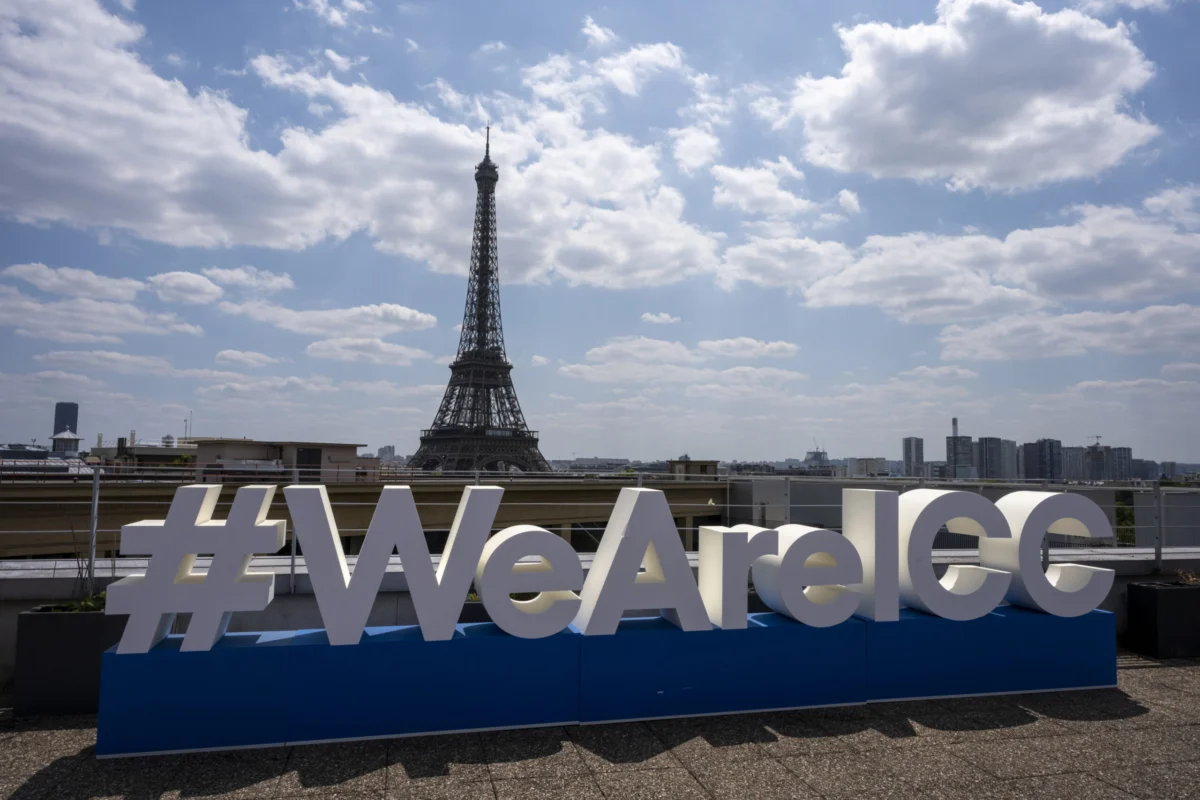
This shift is part of the "WeAreICC" culture, which emphasizes cross-disciplinary expertise. In any given project, Cyrille might work alongside legal experts specializing in international arbitration, policy advocates focusing on climate change, or economists analyzing global market trends. This diversity of thought ensures that the digital products developed are comprehensive and address the multi-faceted nature of modern business.
"It’s a truly diverse environment, which means a lot of ideas and opinions," Cyrille notes. The challenge—and the reward—lies in synthesizing these diverse voices into a single, functional digital solution that serves the global community.
Analysis: The Broader Implications for Global Trade
The digital transformation led by individuals like Cyrille at the ICC has implications that extend far beyond the organization’s headquarters. As the ICC digitizes, it sets a precedent for national chambers of commerce and customs unions worldwide.
1. Reduction of Trade Barriers
The digitization of documents like the ATA Carnet lowers the barrier to entry for SMEs. For a small business, the administrative cost of managing physical trade documents can be prohibitive. Digital solutions reduce these "soft costs" of trade, making it easier for smaller players to enter the international market.
2. Enhanced Data Transparency
Digital systems provide a "single source of truth" for trade data. This transparency is vital for combating illicit trade and money laundering. When goods are tracked digitally through an eATA system, customs authorities have better visibility into the movement of items, enhancing global security.
3. Sustainability
The move toward a paperless trade environment aligns with the ICC’s commitment to sustainability. By eliminating the need for millions of pages of physical documentation and the logistics required to transport them, the organization is contributing to a more environmentally friendly global trade infrastructure.
Conclusion: Building a Better Business World
Cyrille’s 15-year journey at the ICC is a testament to the fact that digital transformation is not a destination, but a continuous process of adaptation. From the early days of setting up Wi-Fi to the current challenges of AI integration and global document digitization, the focus has remained on the human element—connecting people, ideas, and businesses.
As the ICC continues to pioneer new digital standards, the role of the "bridge" between technology and business will only become more critical. Through collaboration, strategic planning, and a commitment to its global mission, the ICC is ensuring that the digital revolution serves as a catalyst for more inclusive and efficient international trade. The work of Cyrille and his colleagues stands as a blueprint for how legacy organizations can embrace the future without losing sight of their core values.
About the Author