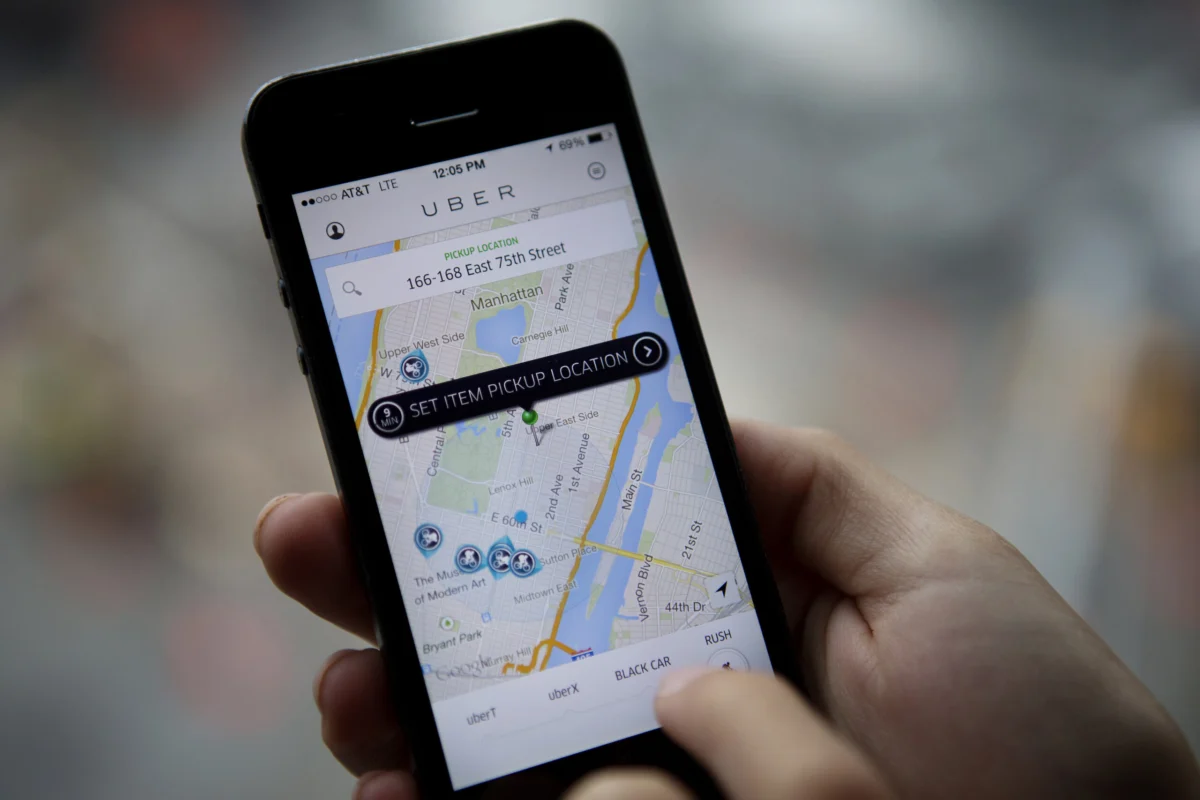
The Dutch Data Protection Authority (AP) has imposed a substantial €825 million (approximately $966 million) fine on Uber, marking the second-largest penalty ever issued under Europe’s General Data Protection Regulation (GDPR). This significant enforcement action stems from the regulator’s investigation into Uber’s automated processes for suspending driver accounts, which allegedly lacked adequate warning and human oversight, violating fundamental data protection principles.
Allegations of Automated Infringements and Driver Concerns
The core of the AP’s investigation revolved around a system where Uber’s algorithms were reportedly used to deactivate driver accounts without sufficient human intervention or prior notification to the drivers themselves. Monique Verdier, deputy chair of the AP, stated that the company had "committed serious infringements." She emphasized the profound impact of such automated decisions, asserting, "A computer should not make decisions on its own that have [such] major consequences." This statement underscores the AP’s concern that individuals’ livelihoods were being significantly impacted by automated systems without adequate avenues for recourse or explanation.
The regulator’s findings suggest that some drivers were permanently deactivated without any human review, a claim that Uber disputes. The company maintains that while most driver suspensions are temporary and subject to brief review periods, permanent deactivations are always preceded by human assessment. Furthermore, Uber asserts that drivers retain the right to appeal these decisions. However, the AP’s stance indicates that the implementation of these appeals processes, or the initial decision-making, fell short of GDPR requirements regarding fairness and transparency in automated decision-making.
The Genesis of the Complaint: A Driver’s Stand
The regulatory action traces its roots back to a former Uber driver in France, Brahim Ben Ali. In 2019, Ben Ali found his Uber account deactivated. His experience, which he felt was unjust and lacking in explanation, prompted him to investigate further. He subsequently gathered testimonies from approximately 170 other Uber drivers who had faced similar automated deactivations. This collective grievance was then brought to the Netherlands, chosen as the jurisdiction due to Uber’s European headquarters being located there.
Ben Ali’s efforts were significantly bolstered by PersonalData.io, a Swiss non-profit organization dedicated to digital rights advocacy. The organization provided crucial assistance in helping the drivers compile data and understand the mechanisms behind the deactivation decisions. Paul-Olivier Dehaye, the founder of PersonalData.io, highlighted the precariousness of the gig economy for drivers, noting, "A driver can complete a thousand journeys with satisfied passengers, but if just one person reports a very serious problem, the consequences can be enormous." This observation points to the potential for a single, algorithmically flagged incident to trigger severe repercussions for drivers, even if their overall performance and customer satisfaction are high.
A Pattern of Regulatory Scrutiny
This latest €825 million fine is not the first time Uber has faced significant penalties from the Dutch regulator. Dehaye, in his communications, revealed that this is the third major fine levied by the AP against Uber. Previous penalties include a €290 million fine related to the company’s handling of drivers’ personal data and a €10 million fine for infringements concerning privacy regulations. These recurring penalties suggest a persistent pattern of data protection and privacy compliance issues within Uber’s operations in Europe.
Dehaye indicated his intention to initiate class-action lawsuits to enable drivers to seek financial compensation for the harms they have allegedly suffered due to Uber’s practices. He also revealed the formation of a new company, StartClaims, which will spearhead this litigation and other regulatory actions. Initially focusing on Uber, StartClaims aims to expand its scope to encompass broader gig economy cases and related sectors like adtech, reflecting a growing movement to hold digital platforms accountable for their data handling and algorithmic decision-making.
Debating Algorithmic Decision-Making and Accountability
The AP’s decision and the rationale behind it have sparked broader discussions about the role of automation in employment and the interpretation of data protection laws. John Gruber of Daring Fireball raised concerns in a blog post, suggesting that the fine might inadvertently impede Uber’s ability to monitor drivers for fraudulent activities or service failures, such as scams against customers or failure to pick up passengers, leaving them stranded. Gruber also critiqued Deputy Chair Verdier’s statement about computers making decisions, drawing an analogy to time clocks in traditional employment. He argued that in both scenarios, human managers establish policies, and technology merely measures compliance.
However, Dehaye countered this perspective, asserting that Gruber "misses the point." Dehaye clarified that the issue is not whether companies can use technology to enforce rules but rather how they implement it and who bears responsibility. He stated, "Uber is free to use humans to punish drivers who scam, but then [it] has to take responsibility for this decision making (like ‘being an employer’, not ‘being a marketplace’)." This highlights a critical distinction: if a platform exercises significant control over its workers and their ability to earn a living, the regulatory and legal framework may necessitate treating them more akin to employers, with associated responsibilities for fair processes and due process, rather than simply a neutral marketplace. The AP’s fine suggests they view Uber’s automated deactivation processes as falling under this more stringent category of control and responsibility.
Broader Implications for the Gig Economy and GDPR Enforcement
The €825 million fine against Uber serves as a powerful precedent for the enforcement of GDPR, particularly concerning automated decision-making and profiling. It underscores that companies cannot rely on opaque algorithms to make critical decisions impacting individuals’ fundamental rights and livelihoods without robust safeguards, transparency, and meaningful human oversight.
For the gig economy, this ruling could signal a shift in how platforms are regulated. The emphasis on Uber’s responsibility for its drivers, akin to that of an employer, challenges the often-used classification of gig workers as independent contractors. This could lead to increased pressure on other platforms to re-evaluate their employment models and ensure fairer treatment and greater transparency for their workforces.
The role of data protection authorities in scrutinizing algorithmic decision-making is becoming increasingly crucial. As more aspects of our lives are governed by automated systems, regulators like the AP play a vital role in ensuring that these systems are fair, transparent, and compliant with fundamental rights. The Dutch regulator’s assertive stance against Uber demonstrates a commitment to upholding these principles, even against powerful multinational corporations. The long-term implications of this case may extend beyond Uber, influencing how other technology companies design and deploy their automated systems across Europe and potentially globally. The ongoing legal challenges and the establishment of organizations like StartClaims indicate that the debate over algorithmic accountability and worker rights in the digital age is far from over.
About the Author