The landscape of global commerce is currently undergoing a seismic shift as geopolitical tensions move from the periphery of corporate strategy to the center of legal and operational risk management. Historically, periods of conflict have reshaped trade routes and diplomatic alliances, but the contemporary interconnectedness of the global economy means that a disruption in one region triggers a cascade of immediate, complex, and far-reaching disputes across the globe. Today, the impact of conflict on cross-border commerce is no longer a localized concern; it is a systemic challenge that requires a sophisticated legal response.
Recent escalations in the Middle East, coupled with the ongoing repercussions of the conflict in Eastern Europe, have done more than just threaten regional stability. These events are actively dismantling established supply chains, diverting massive investment flows, and creating unprecedented layers of regulatory risk. For multinational corporations and sovereign entities alike, the traditional methods of resolving disputes are being tested by the speed and scale of geopolitical change. In this volatile environment, international arbitration has transitioned from a standard procedural choice to a critical strategic tool for managing uncertainty, preserving commercial relationships, and safeguarding long-term asset value.
The Intersection of Geopolitical Conflict and Commercial Risk
Geopolitical instability rarely presents as a single, isolated legal issue. Instead, it acts as a catalyst for a series of commercial challenges that often result in high-stakes litigation or arbitration. When a conflict breaks out, businesses face immediate threats such as the physical destruction of assets, the sudden imposition of trade barriers, and the freezing of financial assets through sanctions. These disruptions often lead to a "cascade effect" where a single breach of contract in a supply chain triggers a dozen more downstream.
For businesses with deep ties to affected regions, disputes are becoming increasingly unavoidable. However, the nature of these claims is evolving. Modern disputes are characterized by their multi-layered complexity, often involving overlapping legal regimes, competing jurisdictional claims, and considerations that go far beyond simple breach-of-contract arguments. Legal teams are now forced to navigate the interplay between private commercial law and public international law, particularly when sovereign states are involved in the underlying conflict.
A Chronology of Global Commercial Disruption (2022–2024)
To understand the current reliance on arbitration, one must examine the timeline of events that have redefined commercial risk over the last two years:
- February 2022: The escalation of the Russia-Ukraine conflict led to the most comprehensive sanctions regime in modern history. This triggered a wave of force majeure declarations in the energy sector and forced thousands of Western companies to exit or write down assets in the region, leading to a surge in investment treaty claims.
- 2023: Rising tensions in the South China Sea and the continued "decoupling" or "de-risking" of US-China trade relations prompted a shift in manufacturing hubs. This migration of capital created a new set of construction and joint-venture disputes in emerging markets like Vietnam, India, and Mexico.
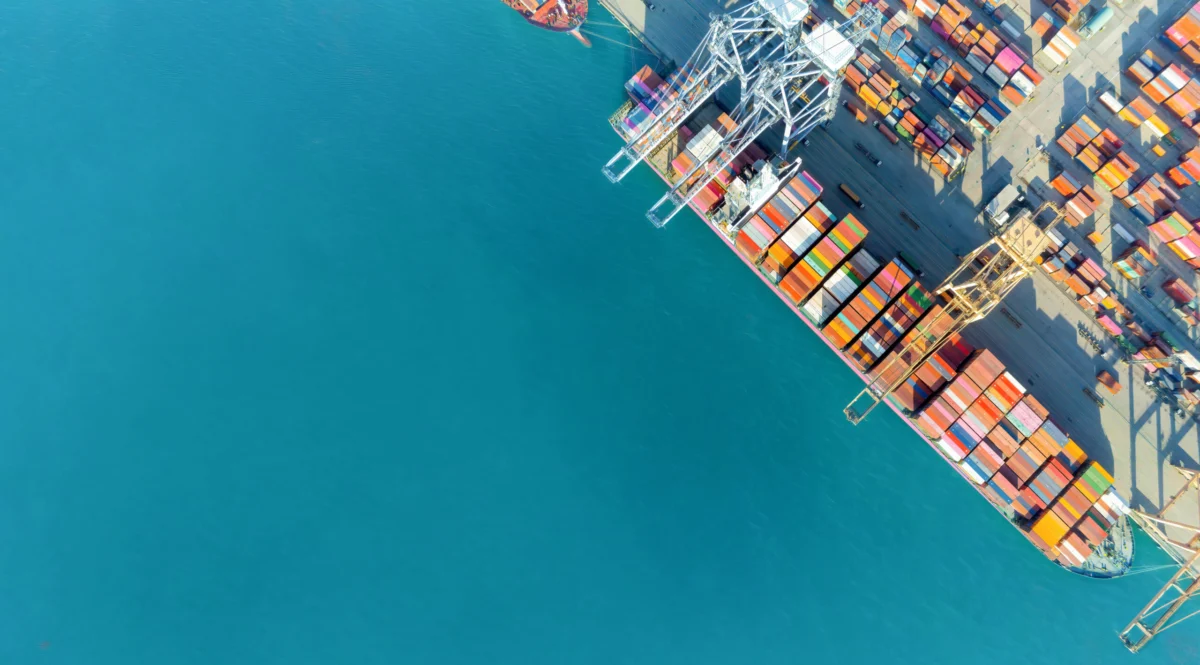
- October 2023 – Present: The conflict in the Middle East has introduced severe risks to maritime commerce. Attacks on shipping in the Red Sea have forced vessels to reroute around the Cape of Good Hope, leading to massive increases in shipping costs, delays, and a spike in insurance premiums. These delays have triggered "frustration of contract" and "hardship" claims across the global retail and manufacturing sectors.
Data-Driven Insights into International Arbitration
The shift toward arbitration as a primary dispute resolution mechanism is reflected in recent data from major global institutions. According to the International Chamber of Commerce (ICC) 2023 Dispute Resolution Statistics, there has been a notable increase in the complexity and value of cases filed.
The ICC reported a significant volume of new cases, with energy and construction disputes accounting for approximately 45% of all new filings. This trend is directly linked to geopolitical volatility, as infrastructure projects are often the first to be stalled by regional instability or shifts in government policy. Furthermore, the London Court of International Arbitration (LCIA) has seen a marked increase in cases involving parties from the Middle East and Central Asia, suggesting that parties in these regions are increasingly seeking neutral forums outside of their domestic court systems.
Trade data from the World Trade Organization (WTO) further underscores the stakes. In 2023, the WTO noted that global trade growth slowed to 0.8% as geopolitical tensions and inflation took a toll. For businesses, this stagnation means that every contract becomes more vital, and every dispute more consequential to the bottom line.
Arbitration as a Neutral and Resilient Framework
In times of high political tension, the perceived or actual bias of domestic courts becomes a significant deterrent for international investors. This is where the neutrality and flexibility of arbitration provide a distinct advantage. Unlike domestic litigation, which is bound by the procedural laws and political climate of a single nation, arbitration offers a "delocalized" process.
The benefits of this framework are particularly evident in three areas:
- Neutrality of Forum: Parties can select a seat of arbitration (such as Singapore, Paris, or London) that is geographically and politically removed from the conflict.
- Expertise: Parties have the right to appoint arbitrators with specific technical or regional expertise, ensuring that complex geopolitical nuances are understood.
- Enforceability: The New York Convention, which has over 170 signatories, provides a robust framework for the recognition and enforcement of arbitral awards globally, making it far easier to enforce an award than a domestic court judgment in a foreign jurisdiction.
The Legal Minefield: Force Majeure and Hardship
One of the most immediate legal impacts of geopolitical conflict is the invocation of force majeure and hardship clauses. These provisions are designed to excuse a party from performing its contractual obligations due to unforeseen, extraordinary events. However, the application of these clauses is rarely straightforward in the context of war or sanctions.
Arbitral tribunals are currently grappling with whether "economic hardship" caused by sanctions qualifies as force majeure. In many jurisdictions, a mere increase in the cost of performance is not sufficient to trigger such a clause. Tribunals require a high degree of factual evidence showing that performance has become legally or physically impossible, rather than just commercially unattractive. The drafting of these clauses has, therefore, become a focal point for legal teams, who must now account for "foreseeability" in a world where conflict is increasingly expected.
Sanctions, Compliance, and Procedural Complexity
The expansion of global sanctions regimes has introduced a new layer of procedural complexity into cross-border disputes. Arbitration proceedings must now account for:
- The Legality of Payments: Ensuring that the payment of arbitration fees or the final award does not violate international sanctions.
- Counsel and Arbitrator Participation: Legal professionals must ensure they are not providing prohibited services to sanctioned entities.
- Witness Availability: Travel bans and regional instability can prevent key witnesses from testifying in person, leading to a greater reliance on virtual hearings.
These factors do not just affect the merits of a case; they can potentially derail the entire process if not managed with extreme diligence.
Strategic Responses in an Uncertain Landscape
Leading global organizations are no longer treating disputes as reactive events. Instead, they are adopting integrated, forward-looking strategies to mitigate the risks posed by geopolitical volatility.
1. Risk-Conscious Contracting
Modern contracts are being drafted with surgical precision. This includes the use of "stepped" dispute resolution clauses that require mediation before arbitration, and the inclusion of specific "sanction-contingency" clauses that outline what happens if a party becomes subject to international restrictions.
2. Scenario Planning and Vulnerability Mapping
Businesses are proactively assessing their portfolios to identify which contracts are most vulnerable to regional escalations. This involves "stress-testing" supply chains and evaluating the legal recourse available in different jurisdictions before a crisis occurs.
3. Maintaining Rigorous Documentation
In a conflict-driven environment, the party with the best documentation often prevails. Clear records of communications, attempts to mitigate losses, and the direct impact of external events are critical. Businesses are increasingly investing in digital "audit trails" to ensure that, should a dispute reach an arbitral tribunal, the evidence of causation is undeniable.
Broader Impact and Future Implications
The current era of "polycrisis"—where multiple global emergencies occur simultaneously—is reshaping the future of international law. We are seeing a move toward the "regionalization" of arbitration, with centers in Dubai (DIAC), Singapore (SIAC), and Hong Kong (HKIAC) gaining more prominence as parties seek forums that are perceived as being more aligned with non-Western perspectives.
Furthermore, the rise of ESG (Environmental, Social, and Governance) considerations is intersecting with geopolitical conflict. Disputes are increasingly arising from the "S" (Social) pillar, as companies face pressure to exit regions with poor human rights records, often leading to breach-of-contract claims from local partners or state entities.
Conclusion
Geopolitical tensions have fundamentally altered the landscape of cross-border commerce, introducing risks that were once considered "black swan" events but are now daily realities. In this environment, international arbitration serves as more than just a mechanism for legal resolution; it is a pillar of commercial stability.
For businesses to succeed in this fragmented world, they must move beyond traditional legal approaches. Success now requires a combination of proactive risk management, sophisticated contractual drafting, and a deep understanding of the interplay between global politics and private law. In times of conflict, arbitration is not simply about winning a case—it is about preserving the continuity of global trade and protecting value in an increasingly unpredictable world. As the global order continues to shift, the resilience of the arbitration framework will remain a cornerstone of the international economic system.
About the Author