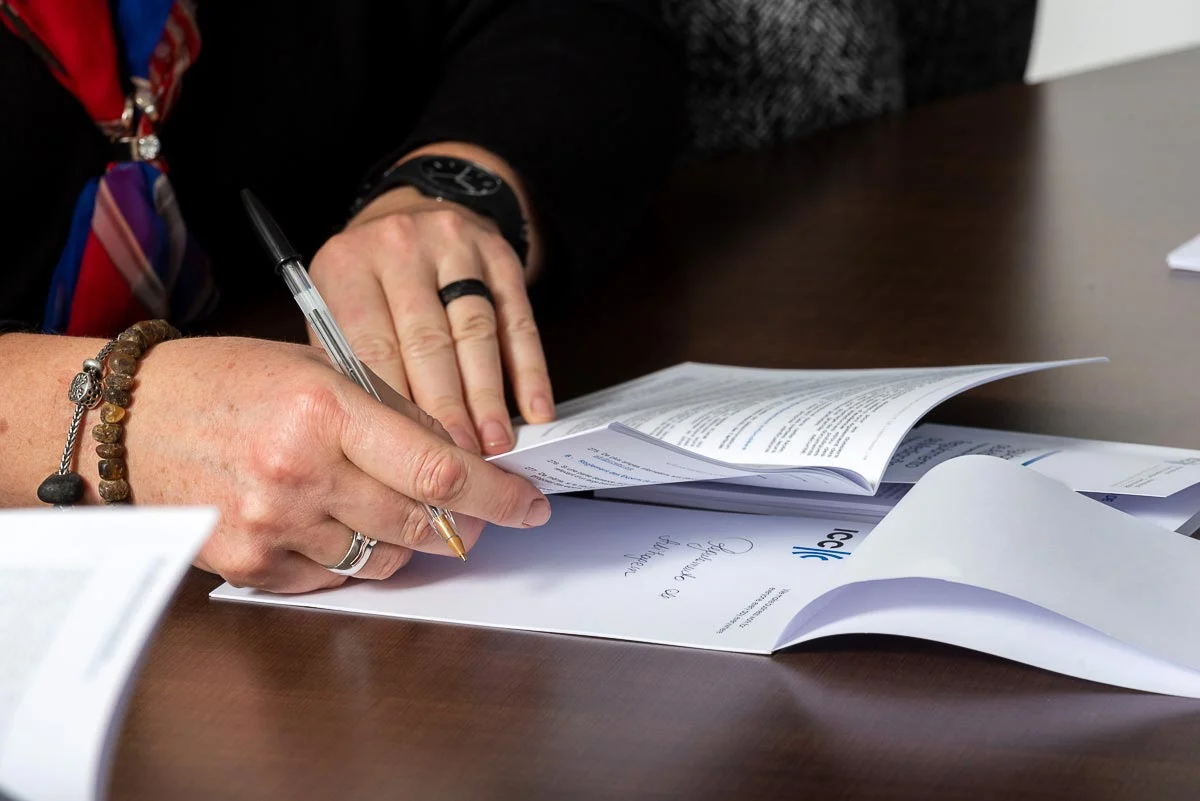
The Irish Office of Government Procurement (OGP) has officially announced a significant shift in the administration of state-funded construction projects, designating the International Chamber of Commerce (ICC) Arbitration as the default dispute resolution mechanism for all public works contracts valued at over €1 million. Effective from June 16, this policy change marks a departure from traditional domestic dispute resolution frameworks, signaling a move toward international best practices in managing complex infrastructure disagreements. Under the new guidelines, parties involved in high-value public contracts will automatically fall under the jurisdiction of ICC Arbitration unless they collectively opt for an expedited domestic procedure. This strategic pivot is intended to provide a more structured, transparent, and globally recognized platform for resolving the technical and legal complexities inherent in large-scale construction projects.
Strategic Reform of the Capital Works Management Framework
The decision by the OGP is part of a broader, ongoing reform of the Capital Works Management Framework (CWMF), the suite of template contracts and procedures used by public bodies in Ireland to procure works and related services. For nearly two decades, the Irish construction sector has navigated various iterations of the Public Works Contract (PWC), which was first introduced in 2007 to provide greater cost certainty for the state. However, the complexity of modern infrastructure—ranging from transportation networks to healthcare facilities—has frequently led to protracted legal battles in the domestic courts or through ad-hoc conciliation processes that some stakeholders argued lacked the necessary finality and international rigor.
By integrating ICC Arbitration into the CWMF, the Irish government aims to mitigate the risks associated with "bottleneck" disputes that can stall critical national projects. The ICC International Court of Arbitration is widely regarded as the world’s leading arbitral institution, and its rules are designed to handle high-stakes, multi-party disputes with a focus on neutrality and expertise. The OGP’s move reflects a growing recognition that institutional arbitration offers a higher degree of predictability and procedural oversight than ad-hoc arrangements, which can often be subject to local judicial delays or inconsistent applications of law.
Historical Chronology and the Path to Reform
The journey toward this policy change has been shaped by years of consultation between the government, legal experts, and the construction industry. To understand the significance of this shift, one must look at the timeline of Irish public procurement evolution:
- 2007: The original Public Works Contracts are introduced, emphasizing fixed-price lump-sum arrangements to protect the public purse. While successful in some regards, the contracts are criticized by the industry for being overly adversarial.
- 2014–2016: A comprehensive review of the PWC is conducted by the OGP following complaints regarding the "transfer of risk" from the state to contractors. This leads to the introduction of "Project Boards" and enhanced conciliation processes intended to resolve issues before they escalate to arbitration.
- 2019: The launch of Project Ireland 2040, a multi-billion euro national development plan, increases the volume and complexity of public works. The need for a more robust dispute resolution mechanism becomes more pressing as project values soar.
- 2022–2023: The OGP engages in targeted consultations regarding the use of international arbitration standards. Stakeholders highlight that for projects exceeding €1 million, the technical nuances often require specialized arbitrators with specific engineering and legal backgrounds, which institutional arbitration can more readily provide.
- June 16, 2024: The OGP issues the formal announcement that ICC Arbitration will be the default for contracts over the €1 million threshold, marking the beginning of a new era for Irish public procurement.
Supporting Data: The Economic Context of Irish Construction
The Irish construction industry is a cornerstone of the national economy, contributing approximately 6% to 7% of the Gross Domestic Product (GDP). With the government’s National Development Plan (NDP) earmarking €165 billion for investment through 2030, the financial stakes for public works have never been higher. According to data from the Central Statistics Office (CSO) and industry reports, the cost of construction inflation and labor shortages has already put immense pressure on project margins.
Disputes in the construction sector are notoriously expensive. Historical data suggests that for large-scale infrastructure projects, legal and expert fees associated with disputes can account for 2% to 5% of the total project cost. By moving to a structured ICC framework, the OGP anticipates a reduction in the duration of disputes. The ICC’s 2023 Dispute Resolution Statistics indicate that construction and engineering cases consistently represent the largest portion of their caseload—approximately 25% of all new cases filed globally. The expertise of the ICC Court in managing these specific types of cases is expected to translate into more efficient timelines for Irish public projects.
Official Responses and Stakeholder Reactions
The adoption of ICC Arbitration has been met with positive feedback from international legal bodies and cautious optimism from domestic stakeholders. Claudia Salomon, President of the ICC International Court of Arbitration, emphasized the trust-building aspect of this decision. She stated that the adoption of ICC Arbitration as a default for higher-value contracts gives parties confidence that their disputes will be resolved fairly and effectively. Salomon noted that the ICC is "grateful for the trust that the Irish Office of Government Procurement has in ICC Arbitration," reinforcing the institution’s commitment to supporting the Irish market.
Domestically, legal practitioners specializing in Alternative Dispute Resolution (ADR) have noted that this change aligns Ireland with other major jurisdictions like the United Kingdom, France, and Singapore, where institutional arbitration is the standard for major works. However, some industry representatives from the Construction Industry Federation (CIF) have noted that while the move provides a clearer roadmap for disputes, the "expedited domestic procedure" option remains a vital safety net for contractors who may prefer a faster, less formal process for projects that are closer to the €1 million threshold.
The ICC, in collaboration with ICC Ireland, has pledged to support this transition through several key initiatives:
- Educational Workshops: Training sessions for Irish public sector procurement officers and private contractors to familiarize them with ICC Rules.
- Resource Allocation: Providing guidelines specifically tailored to the Irish legislative context, including the Arbitration Act 2010.
- Local Engagement: Strengthening the presence of ICC-trained arbitrators within the Irish legal community to ensure a domestic pool of expertise.
Brief Analysis of Implications for the Industry
The shift to ICC Arbitration carries several profound implications for the Irish construction landscape. Firstly, it enhances the "investability" of Irish public works for international contractors. Foreign firms, who are often wary of domestic-only legal systems, are generally more comfortable participating in tenders where a globally recognized dispute resolution mechanism is in place. This could lead to increased competition for state contracts, potentially driving better value for taxpayers.
Secondly, the procedural rigor of the ICC—which includes the "scrutiny of awards" by the ICC Court—ensures a high level of quality control. Unlike ad-hoc arbitration, where an award is final without a secondary layer of institutional review, ICC awards undergo a check for clarity and compliance with the rules before being issued. This reduces the likelihood of awards being challenged or set aside in the High Court, thereby providing the finality that both the state and contractors crave.
Thirdly, the €1 million threshold is a strategic choice. By exempting smaller contracts, the OGP avoids over-burdening small and medium-sized enterprises (SMEs) with the potential administrative costs of international arbitration. For smaller projects, the existing domestic mechanisms—including adjudication under the Construction Contracts Act 2013—remain the primary tools for ensuring cash flow and resolving minor disagreements.
The Role of the Expedited Domestic Procedure
While ICC Arbitration is the new default, the OGP has left the door open for an "expedited domestic procedure." This is a crucial detail for projects that, while exceeding €1 million, may not possess the complexity that warrants a full international arbitral panel. The expedited procedure typically involves shorter timelines for submissions, limited discovery, and a faster turnaround for the arbitrator’s decision.
This "opt-out" clause ensures that the policy remains flexible. It allows parties to assess the specific risks of a project at the contract signing stage. If a project is high-value but technically straightforward, the parties may agree that a domestic expedited process is more cost-effective. However, the fact that ICC Arbitration is the default means that if the parties cannot agree on a process later on, the rigorous ICC standards will automatically apply, preventing the "procedural limbo" that often occurs when a dispute arises.
Broader Impact on Governance and Transparency
This initiative aligns with the Irish government’s broader mission to enhance governance and transparency in public spending. In the past, the lack of a centralized, institutional approach to arbitration meant that data on public works disputes was often fragmented. The ICC’s reporting standards and structured management will allow for better tracking of dispute trends, which can, in turn, inform future policy and contract drafting.
Furthermore, this development serves as a significant endorsement of Ireland as a hub for international legal services. By integrating ICC Arbitration into its government contracts, Ireland reinforces its position as a pro-arbitration jurisdiction with a modern legal framework. This is particularly relevant in the post-Brexit landscape, where Ireland is increasingly positioned as the primary English-speaking, common-law jurisdiction within the European Union.
Conclusion and Future Outlook
The decision by the Irish Office of Government Procurement to adopt ICC Arbitration as the default for contracts exceeding €1 million is a landmark move in the evolution of the state’s procurement strategy. It represents a sophisticated balance between domestic needs and international standards, providing a clear, enforceable, and respected framework for resolving the inevitable frictions of large-scale construction.
As the first projects under this new default begin to roll out in late 2024 and 2025, the industry will be watching closely to see how the ICC framework handles the unique challenges of the Irish market. If successful, this model could serve as a blueprint for other government departments and perhaps even private sector developers looking to bring greater certainty to their contractual relationships. For now, the message from the OGP is clear: Ireland is committed to a dispute resolution environment that is as robust and professional as the infrastructure it aims to build.
About the Author