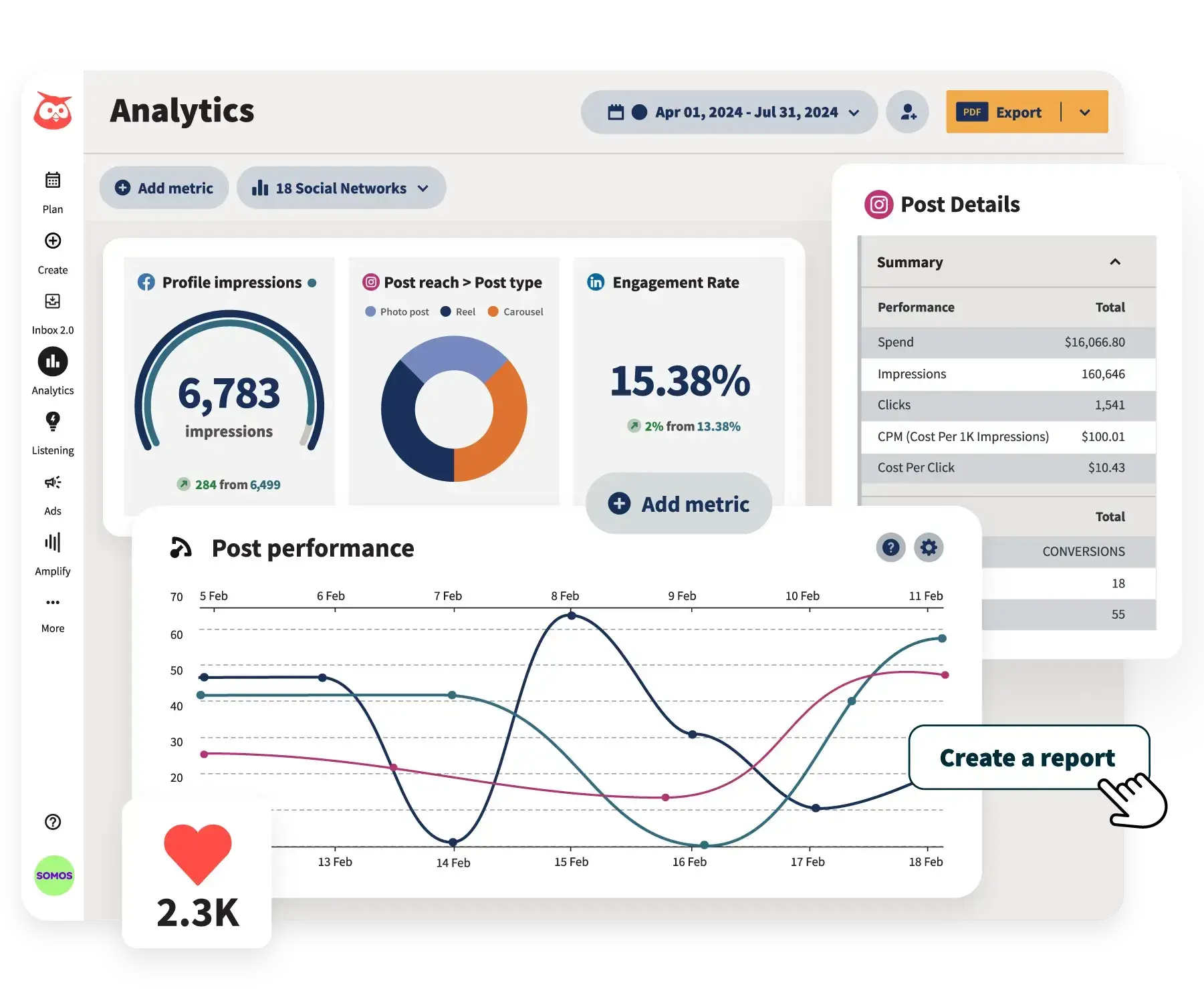
Recent data indicates a significant shift in the marketing landscape, with 88% of marketers now leveraging Artificial Intelligence (AI) daily to inform critical decision-making. This widespread adoption is not without merit, as marketing automation has demonstrably boosted lead generation by 80% and elevated conversion rates by 77%. As global advertising spend is projected to surpass $1 trillion for the first time in 2026, the sheer volume of available data renders manual analysis by even the most experienced teams increasingly untenable. The imperative is clear: move beyond manual guesswork and embrace intelligent, integrated systems to streamline campaign performance and maximize return on investment.
The burgeoning reliance on AI and automation in marketing signifies a fundamental evolution from traditional, often intuitive, approaches to a data-centric methodology. This transformation is driven by the escalating complexity and scale of digital advertising, where billions of data points are generated daily across numerous platforms. Marketers are increasingly recognizing that sophisticated tools are not merely an advantage but a necessity for navigating this data-rich environment. By delegating the intricate tasks of testing, targeting, and scaling to advanced technologies, marketing professionals are liberated to concentrate on overarching strategic development and creative ideation, thereby enhancing overall campaign efficacy and fostering business growth. This article will explore how leading tools such as HubSpot, Optimizely, and AdStellar AI are empowering marketers to refine campaigns with unprecedented speed and precision through intelligent workflow optimization.
Understanding Campaign Optimization in the Digital Age
Campaign optimization is fundamentally a data-driven methodology focused on systematically refining marketing initiatives, particularly digital advertising efforts, to enhance performance and maximize return on investment (ROI). This approach moves away from a static "set it and forget it" model, instead emphasizing continuous analysis and iterative improvements to ensure that every marketing dollar is deployed with maximum impact. Successful optimization hinges on the meticulous monitoring of key performance indicators (KPIs), including click-through rates (CTR), conversion rates, and cost per acquisition (CPA).
The foundational principles of campaign optimization can be segmented into three core pillars: Strategy and Data Alignment, Allocation and Testing, and Iteration and Measurement.
Pillar 1: Strategy and Data Alignment
- Set Clear Objectives: The initial and perhaps most crucial step is to define specific, measurable, achievable, relevant, and time-bound (SMART) goals. These objectives serve as the guiding compass for the entire campaign, whether it’s to increase lead generation by 20% or improve click-through rates on a specific ad set.
- Analyze Audience Data: A deep understanding of the target audience is paramount. This involves segmenting audiences based on demographics, behaviors, past interactions, and stated preferences. Precise audience segmentation enables the delivery of highly relevant messaging, significantly increasing engagement and conversion potential.
- Review Performance Metrics: Before launching or refining a campaign, a thorough review of historical performance data is essential. This includes analyzing metrics from previous campaigns such as conversion rates, cost per acquisition, customer lifetime value (CLV), and overall revenue impact. These insights inform strategic decisions and help identify areas for improvement.
Pillar 2: Allocation and Testing
- Allocate Resources Wisely: Strategic budget allocation across various marketing channels is critical. This decision should be informed by historical performance data, projected ROI, and the specific objectives of the campaign. Ensuring each dollar has a defined purpose maximizes its potential impact.
- Run A/B or Multivariate Tests: To identify the most effective elements of a campaign, rigorous testing is indispensable. A/B testing involves comparing two versions of a marketing asset (e.g., an ad headline, an email subject line, a landing page layout) to determine which performs better. Multivariate testing expands this to test multiple variations of several elements simultaneously, providing a more granular understanding of what resonates with the audience.
- Monitor in Real-Time: Continuous monitoring of campaign performance through analytics dashboards is vital for detecting anomalies and responding promptly to emerging trends or issues. Real-time oversight allows for immediate adjustments, preventing potential losses and capitalizing on unexpected opportunities.
Pillar 3: Iteration and Measurement
- Iterate Based on Insights: The data gathered from testing and monitoring should directly inform iterative improvements. This involves making data-driven adjustments to creative assets, targeting parameters, and campaign timing throughout the campaign’s lifecycle. Agility and responsiveness are key to maintaining optimal performance.
- Measure Overall Impact: The final step involves a comprehensive evaluation of the campaign’s overall performance against the initial objectives. This measurement phase is crucial for capturing learnings that will inform future campaign strategies and contribute to the ongoing optimization cycle.
Evolving Optimization Tactics Across Marketing Channels
While the foundational principles of campaign optimization remain constant, the specific tactics employed vary significantly across different marketing channels. Understanding these nuances is essential for maximizing effectiveness.

Optimizing Paid Advertising
For paid ads, optimization focuses on refining targeting parameters, testing ad creatives (headlines, copy, visuals), optimizing bidding strategies, and improving landing page experiences. Real-time bidding (RTB) platforms and ad network algorithms offer dynamic opportunities for adjustment, while robust A/B testing ensures continuous improvement of ad performance.
Optimizing Email and Lifecycle Marketing
Email marketing optimization involves segmenting subscriber lists, personalizing content, optimizing subject lines and send times, and designing automated nurture sequences. Lifecycle marketing extends this by mapping customer journeys and delivering targeted communications at each stage, from initial engagement to post-purchase retention, aiming to increase customer loyalty and repeat purchases.
Optimizing Social and Content Programs
Social media optimization often centers on identifying peak engagement times, testing different content formats (video, image, text), refining audience targeting for paid social campaigns, and analyzing the virality of organic content. Content program optimization involves evaluating content performance based on metrics like engagement, time on page, and lead generation to inform future content creation and distribution strategies.
Campaign Optimization Metrics That Drive Decisions Across the Funnel
Effective marketing optimization necessitates a nuanced approach to metric selection, aligning them with the specific stage of the customer journey. Applying a uniform set of metrics across all funnel stages can lead to inefficient spending; instead, a deliberate alignment between channel and customer intent is paramount.
Awareness Stage (Top of Funnel – TOFU): Building Visibility
At the TOFU stage, the primary objective is broad exposure and initiating brand awareness. Optimization efforts focus on reach, initial engagement, and cost-effective visibility.
- Social Media: Prioritizes cost-effective visibility through engaging content formats like Reels, viral posts, and broad audience targeting. Key metrics include reach, impressions, engagement rate, and cost per mille (CPM).
- Search (Paid/Organic): Targets intent-light discovery via broad keywords. Metrics to monitor include impressions, click-through rate (CTR), and branded search volume, aiming to increase top-of-mind awareness.
- Email: Utilizes broad blasts or list-building tactics for re-awareness. Important metrics are open rates and list growth rate, focusing on initial engagement with the brand.
- Display & Programmatic: Provides mass visual exposure for brand lift. Metrics like impressions, reach, and frequency are key indicators of brand visibility.
Consideration Stage (Middle of Funnel – MOFU): Nurturing Evaluation
The MOFU stage shifts the strategy towards interaction and education to build trust and guide prospects toward a decision.
- Social Media: Focuses on interactive content like Stories, polls, and educational posts. Metrics include engagement rate, website clicks from social, and lead generation from social campaigns.
- Search: Targets mid-funnel keywords (e.g., "best [product] reviews," "compare [product A] vs. [product B]"). Metrics include CTR on more specific keywords, time on site, and content downloads.
- Email: Employs nurture sequences designed to educate leads. Key metrics include email open rates, click-through rates on educational content, and lead score progression.
Conversion Stage (Bottom of Funnel – BOFU): Driving Action
The BOFU stage is where marketing campaign efficiency is most directly measured, with a sharp focus on closing deals.
- Social Media: Utilizes shoppable posts and high-urgency calls-to-action (CTAs). Metrics include conversion rate, return on ad spend (ROAS), and direct sales attributed to social.
- Search: Captures high-intent searches to finalize sales. Key metrics are conversion rate, cost per acquisition (CPA), and revenue generated from search campaigns.
- Email: Deploys promotional offers and cart abandonment flows. Metrics include conversion rate on offers, revenue per email, and cart abandonment recovery rate.
- Display: Executes final retargeting pushes. Metrics include retargeting conversion rate and ROAS from retargeting campaigns.
Retention & Loyalty: Post-Purchase Growth
Post-purchase efforts are crucial for fostering repeat business and building brand loyalty. This stage relies on multi-channel efforts, including email, social media, and push notifications, to encourage repeat purchases and advocacy.
- Key Metrics: Customer retention rate, repeat purchase rate, customer lifetime value (CLV), Net Promoter Score (NPS), and customer satisfaction scores.
Quick Wins for Digital Marketing Optimization
Several strategic adjustments can yield significant improvements in campaign performance without requiring extensive overhauls.
1. Double-Check Lead Segments and Landing Page Fit
A common pitfall is a disconnect between the messaging in advertisements and the content on the landing page. Volodymyr Lebedenko, Head of Marketing at HostZealot, highlighted how campaigns with high click-through rates failed to convert due to a "message mismatch." His team found that directing various ads with different value propositions to a single, generic landing page created friction. By reorganizing campaigns into intent clusters and developing landing page variants that precisely mirrored ad copy, they achieved a 31% improvement in conversion rates and an 18% reduction in bounce rates within five weeks. This emphasizes the psychological alignment between an ad’s promise and the landing page’s content.
2. Target High-Urgency Moments
Oleksii Sosnovenko, a digital marketing expert at Mobal, observed that even with high-intent keywords, conversion rates remained stagnant because the timing was off. Users planning trips months in advance were less likely to convert. By shifting focus from general product terms to the "arrival anxiety" – the immediate need for connectivity upon landing – and targeting localized, high-urgency searches, Mobal saw a dramatic improvement: conversion rates increased from 2.1% to an impressive 14.3%. This demonstrates the power of aligning marketing efforts with immediate consumer needs.
3. Segment Campaigns by Customer Maturity Level
Dirk Alshuth, CMO of emma, a platform for hybrid and multi-cloud environments, encountered a similar challenge where broad campaign messaging led to low demo requests. The issue was the failure to distinguish between cloud beginners and seasoned infrastructure teams. By segmenting campaigns to address the specific needs of each group – simplicity and cost control for beginners, and automation and governance for advanced users – demo conversion rates increased from 3.5% to over 6% within a month. This highlights how tailoring messages to the customer’s journey stage significantly boosts effectiveness.
4. Reduce Form Fields to Remove Friction
Dimi Baitanciuc, CEO and co-founder of Brizy, addressed a stagnant 9% conversion rate for free-trial signups. The lengthy signup form, requesting extensive data upfront, acted as a deterrent. By simplifying the form to only essential fields like email and password, and deferring secondary data collection until after signup, they achieved a 55% increase in trial signups from the same traffic volume. This illustrates how minimizing friction points can significantly enhance conversion rates.
5. Test Value-Focused CTAs Instead of Generic Ones
Colleen Barry, Head of Marketing at Ketch, observed a stalled 4% conversion rate for a valuable privacy compliance guide, despite strong traffic. The generic "Download Now" CTA lacked specific value proposition clarity. By changing the CTA to "Get the 2024 Privacy Compliance Checklist," providing immediate clarity on the benefit, conversion rates rose from 4% to 7.2% within three weeks. This demonstrates that descriptive, benefit-driven CTAs can nearly double lead generation without increased ad spend.
Tools That Accelerate Campaign Optimization
The increasing sophistication of marketing tools is instrumental in streamlining the optimization process, enabling marketers to achieve faster and more accurate results.
1. HubSpot Marketing Hub
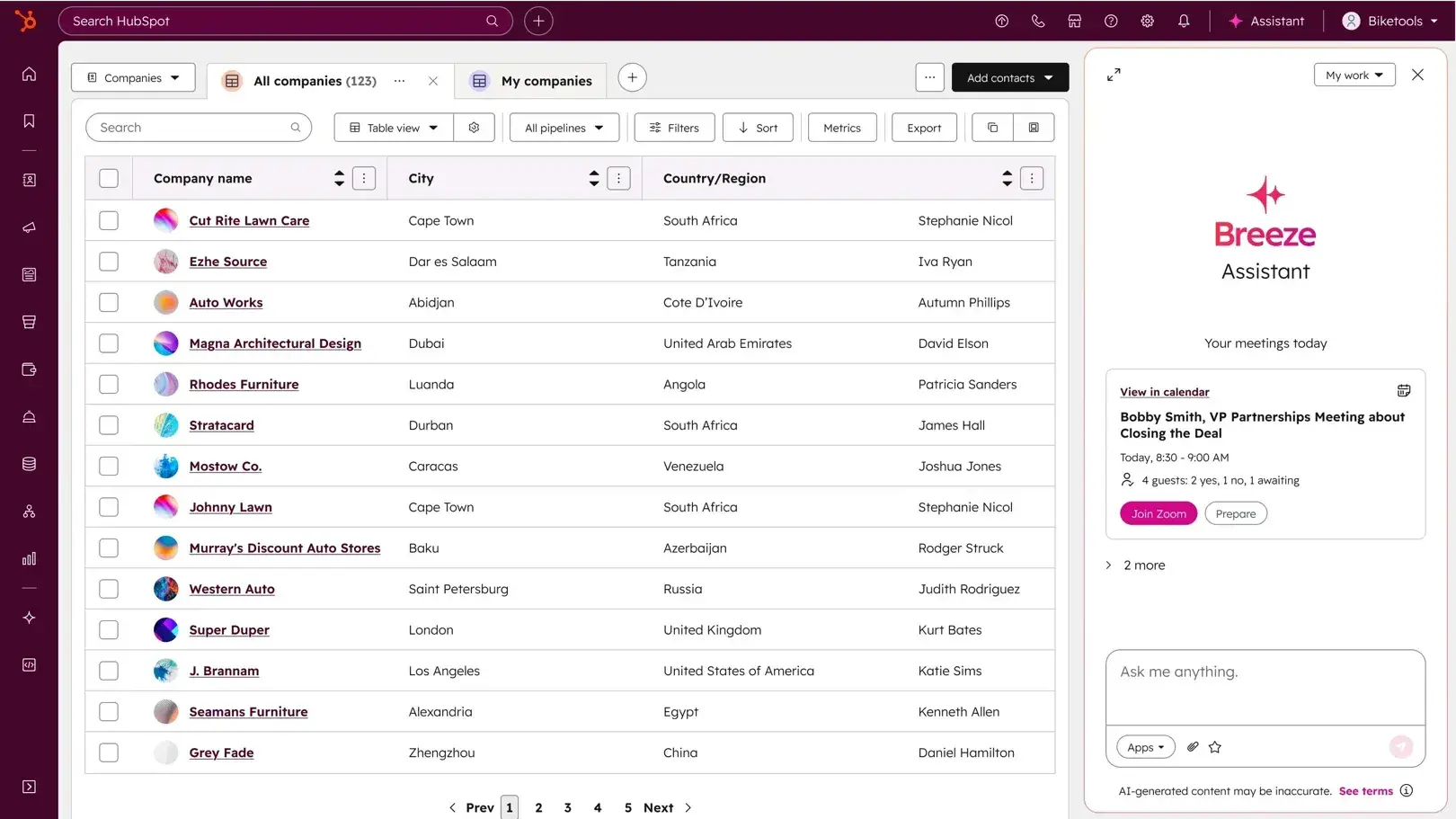
HubSpot’s Marketing Hub, featuring Breeze and marketing automation tools, offers a comprehensive suite for campaign optimization.
- Breeze: This AI-driven engine integrates directly into the platform, accelerating content creation by leveraging CRM data and brand guidelines. It can draft, rewrite, and expand copy for various marketing channels, streamlining the creation of messaging variations for A/B testing. Breeze significantly reduces the "blank page" struggle, allowing teams to produce the volume of content needed for effective testing at a much faster pace. It enhances the optimization loop by automating repetitive content production, freeing marketers to focus on strategy.
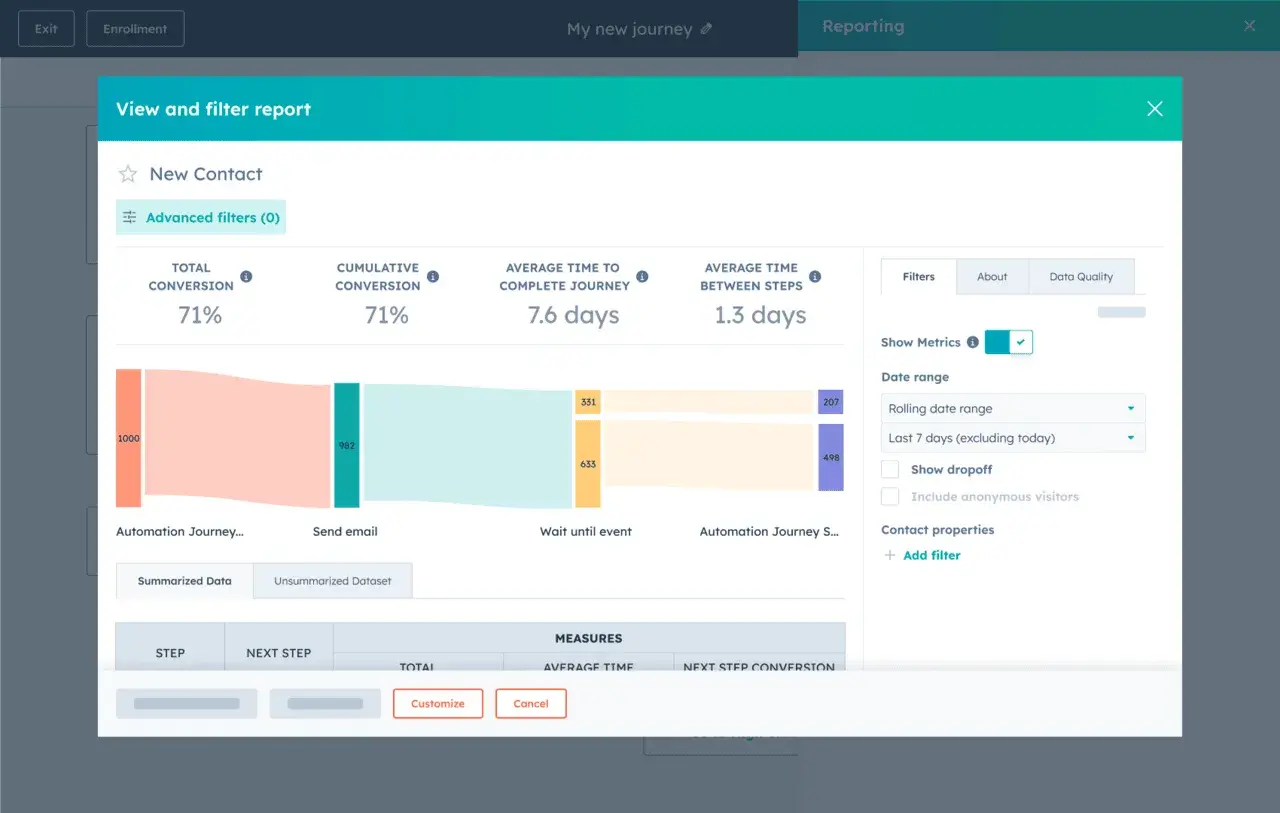
- HubSpot Marketing Automation: This AI-powered solution automates repetitive tasks and scales personalized customer journeys. By using live customer data to trigger specific actions based on behaviors, it ensures consistent marketing efforts as prospect volume grows. This automation moves from manual execution to automated oversight, enabling more sophisticated campaign structures and significantly boosting qualified leads, with studies showing increases of up to 451%.
2. Optimizely
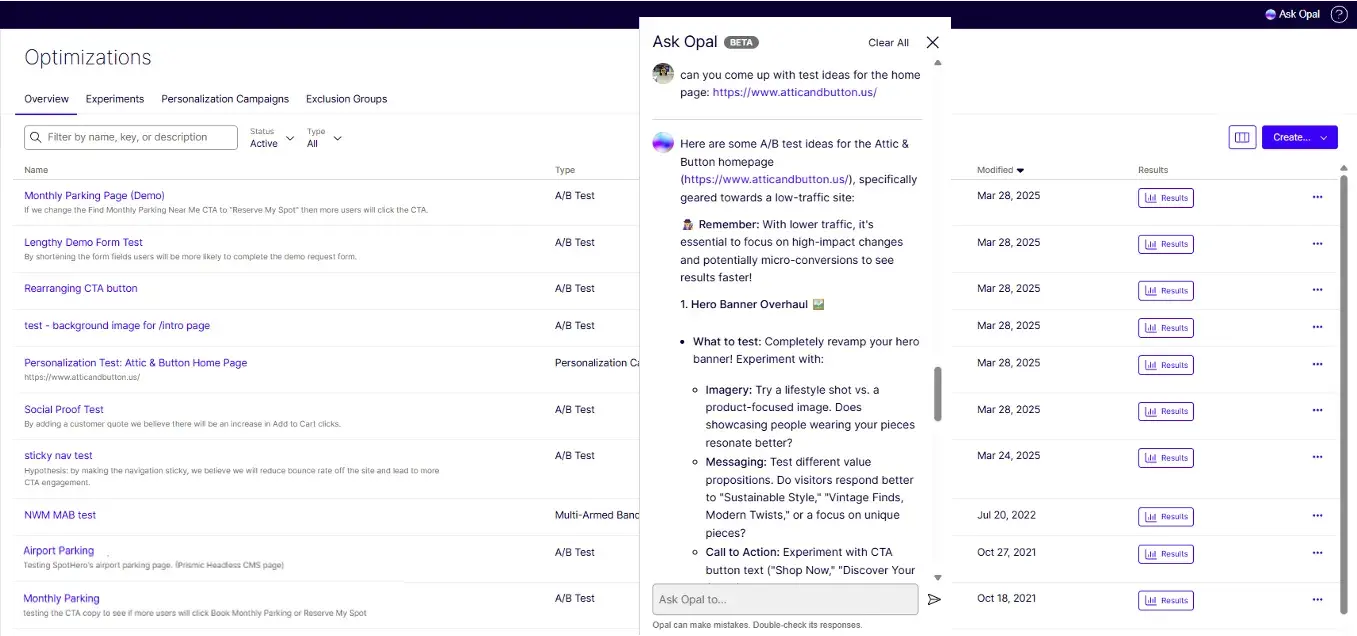
Optimizely is a leading experimentation platform that empowers marketers to maximize campaign performance through rigorous A/B and multivariate testing across websites, apps, and digital touchpoints. Its intuitive interface and visual editor allow for accessible experimentation, enabling both technical and non-technical team members to launch tests efficiently. Optimizely’s platform facilitates data-driven decision-making by providing clear insights into what resonates most with target audiences.
3. AdStellar AI
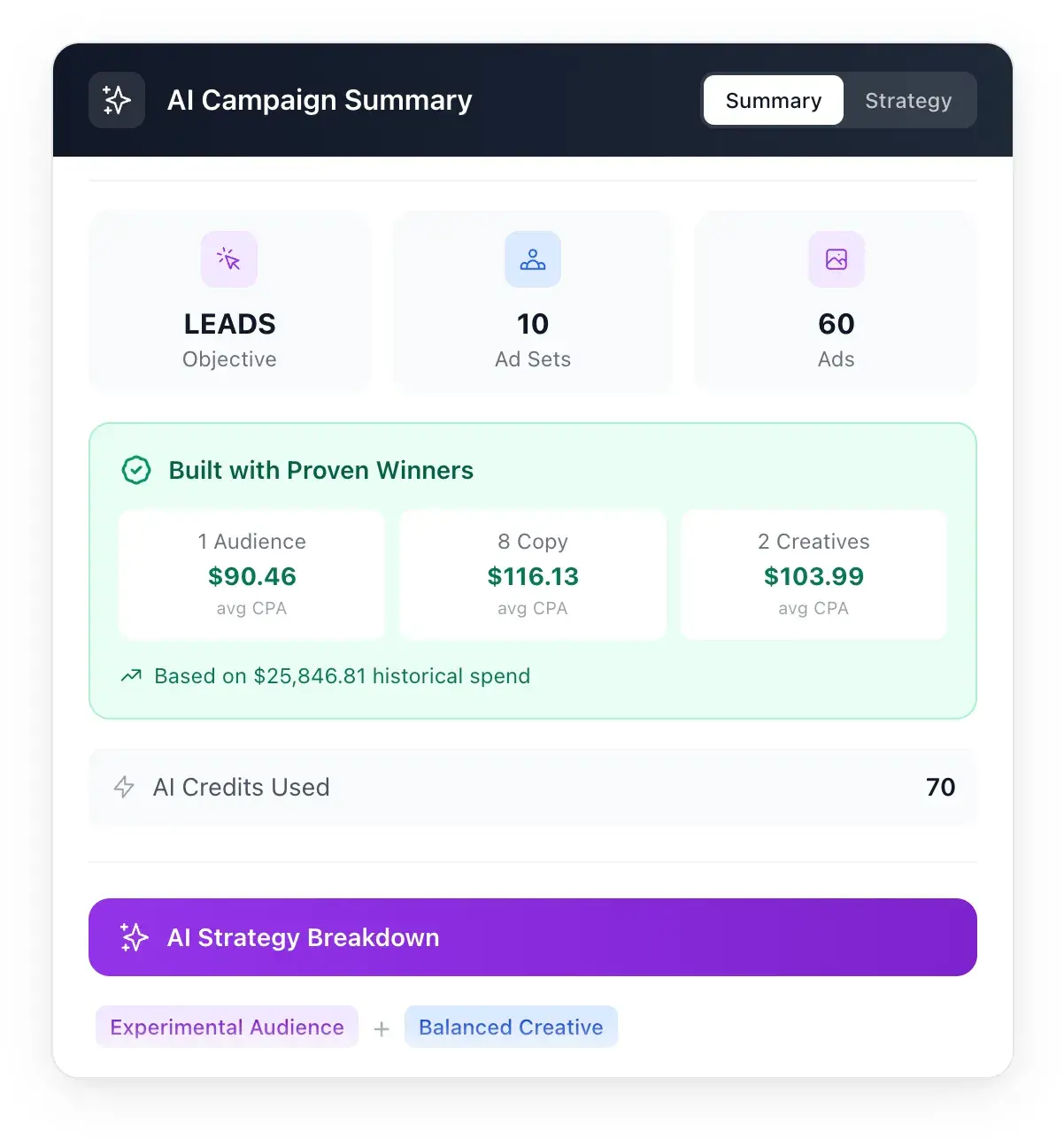
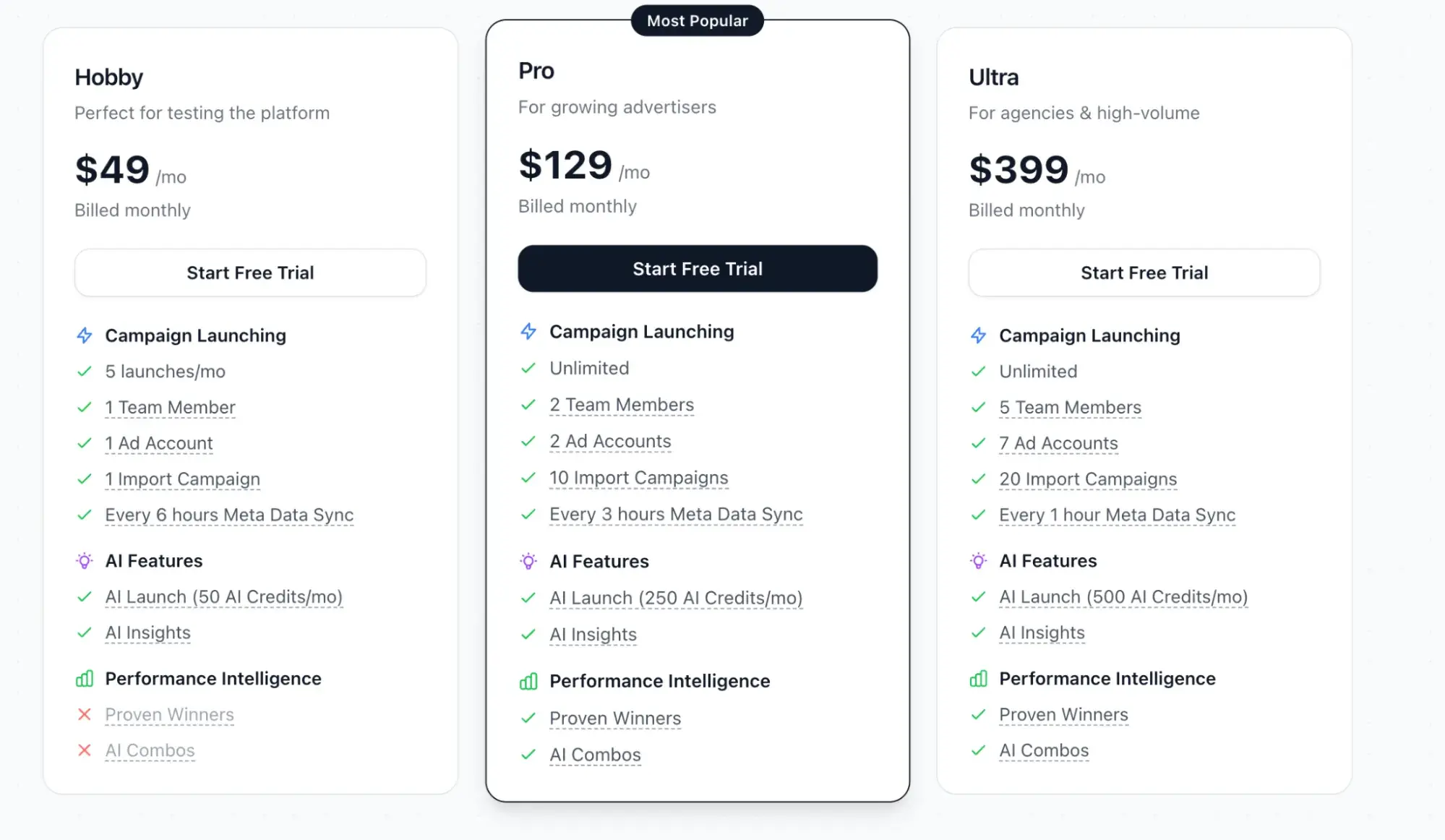
AdStellar AI is an autonomous Meta ad campaign builder designed to automate the planning, structuring, and launching of optimized campaigns in under 60 seconds. It employs a suite of specialized AI agents to replace the time-consuming manual configuration typically required in Ads Manager. Features like the "Winners Hub" automatically identify top-performing creatives and headlines, making it easier to scale successful ad elements. This tool is particularly beneficial for advertisers and agencies looking to accelerate campaign deployment and improve ROAS.
4. Hootsuite Analytics
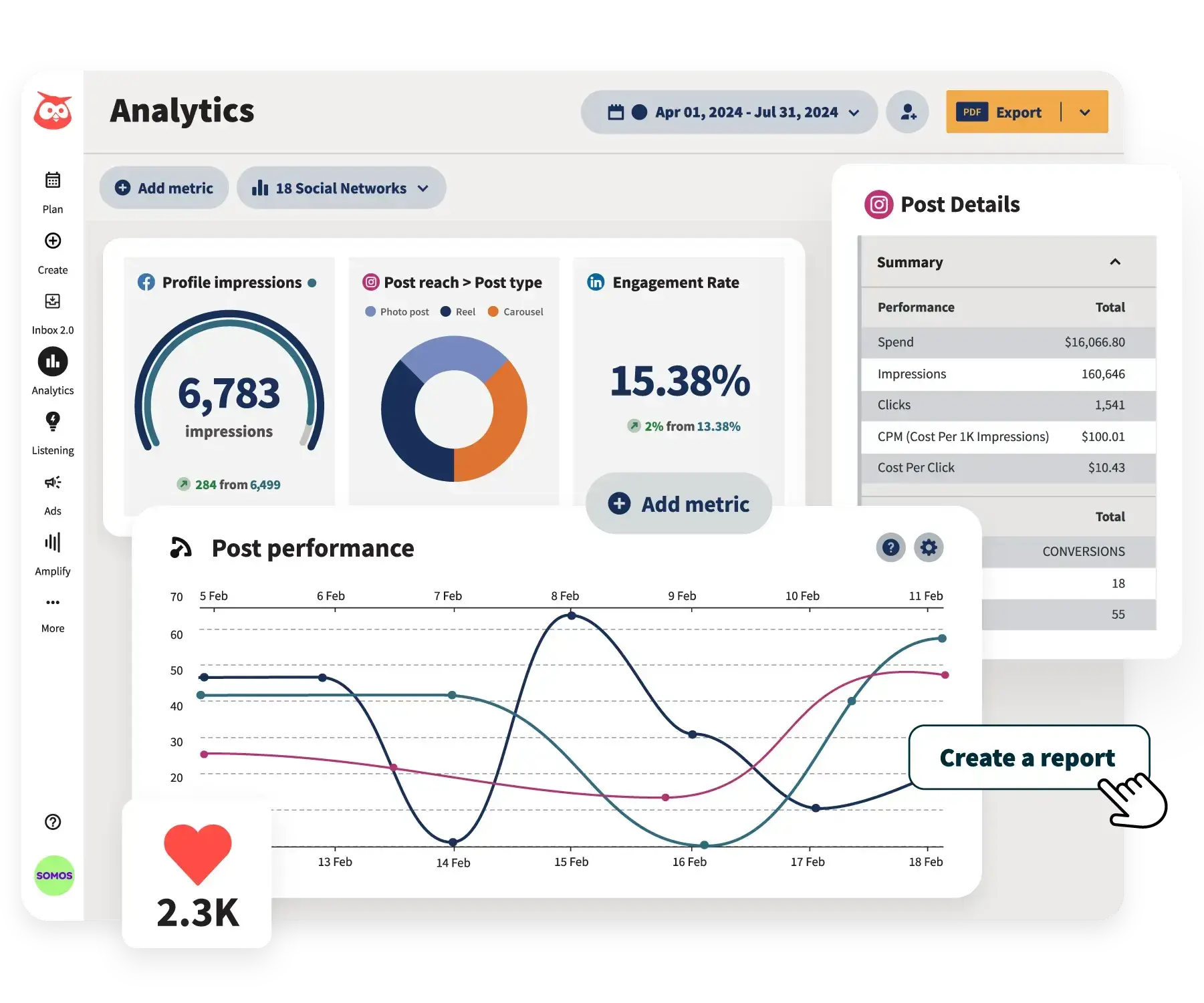
Hootsuite Analytics provides a unified dashboard for monitoring social media performance across major networks, encompassing organic, paid, and earned content. It offers hundreds of distinct metrics, customizable reports, and competitor benchmarking capabilities. By centralizing social media data, Hootsuite eliminates the need to navigate disparate native platforms, providing a holistic view of campaign impact. Its AI-driven recommendations for optimal posting times and content repurposing further enhance efficiency.
5. MailReach
MailReach is a specialized email deliverability platform that ensures cold emails and marketing campaigns reach the intended inbox. Through an automated warm-up process using a network of real, high-reputation accounts, it helps repair and protect sender reputations, thereby avoiding spam filters. This directly contributes to higher reply rates and improved ROI for email-driven marketing initiatives. The "Autopilot" mode automates the monitoring and management of warmup sequences, saving significant manual effort.
Frequently Asked Questions About Campaign Optimization
- How often should campaign iteration cycles run?
Campaign iteration should be a continuous process, with major reviews conducted monthly and tactical adjustments made weekly or bi-weekly. For paid ads, performance checks every seven to 14 days are recommended to avoid disrupting algorithm learning phases, while email and social media may allow for more frequent tweaks. - How long should an A/B test run before declaring a winner?
An A/B test should run until it achieves statistical significance (typically 95%+ confidence) and accumulates sufficient data. For paid ads, this often means one to two weeks to account for day-of-week variations. For email open/click tests, at least 24-48 hours are advisable, with longer durations needed for revenue-focused tests. - When should a campaign be paused versus optimized?
A campaign should be paused if it shows no conversions after spending 2-3 times the target CPA, exhibits consistent declines without recovery potential, or has a fundamental misalignment (e.g., wrong audience or offer). Optimization is preferred when early signs of traction are present, allowing for tweaks to creative, targeting, or bids. Frequent pausing can reset algorithm learning and harm long-term performance. - Is multi-touch attribution necessary for budget reallocation?
While not strictly mandatory, a multi-touch attribution approach is strongly recommended for accurate budget reallocation. It reveals how various channels interact across the customer journey, preventing over-crediting of last-click sources and enabling smarter budget shifts towards high-impact touchpoints. - What is the best way to scale without spiking costs?
Gradually increase budgets (in 20-30% increments every few days), expand horizontally with new audiences and creatives while consolidating winners, improve conversion rates through landing page and funnel optimizations, and leverage automation for efficient allocation. Consistent monitoring of CPA is crucial to maintain efficiency.
Campaign Optimization: A Continuous Process for Growth
Optimizing marketing campaigns is an ongoing cycle of testing, measuring, and refining efforts across all channels. Abandoning a "set it and forget it" mentality allows marketers to reduce customer acquisition costs, shorten sales cycles, and make more agile, data-driven decisions. The process involves establishing clear hypotheses, tracking funnel-stage metrics, and employing unified attribution models to reallocate budget to winning tactics. Given that optimal strategies vary significantly by channel, adapting tactics to the specific environment where the audience resides is essential.
Marketing automation platforms like HubSpot play a pivotal role in streamlining this optimization loop, handling the intricate steps without the burden of manual execution. This leads to faster, more accurate campaign decisions and ultimately drives greater business success in the increasingly complex digital marketing landscape. The integration of AI and advanced analytics is no longer a futuristic concept but a present-day necessity for any organization aiming to thrive in the modern marketplace.
About the Author