Adobe, a global leader in creative and digital experience solutions, has successfully acquired India-based marketing intelligence startup Rilo in a deal that encompasses both technology licensing and the integration of its specialized team, as confirmed by the company and learned by TechCrunch. This strategic move marks Adobe’s second acquisition from India within a year, following its purchase of AI video creation platform Rephrase.ai in 2023, underscoring a clear pattern of leveraging Indian technological prowess to enhance its product ecosystem. While the financial terms and specific details of the transaction remain undisclosed by both parties, the acquisition signals Adobe’s accelerating commitment to artificial intelligence-driven marketing automation and its ongoing expansion within the dynamic Indian tech landscape.
Adobe, which typically refrains from commenting on the specific terms of its acquisitions, confirmed the deal without offering further elaboration. However, industry analysts suggest that such silence often indicates a strategically valuable acquisition where the intellectual property and specialized talent are paramount. This latest acquisition provides Adobe with a compact yet highly skilled team and proprietary technology primarily focused on automating complex marketing workflows. The landscape of marketing is rapidly evolving, driven by the pervasive integration of AI tools designed to streamline the entire campaign lifecycle – from initial content creation and strategic deployment to performance tracking and deriving actionable insights from vast datasets, including meeting transcripts and customer interactions. Furthermore, the imperative to increase brand visibility and engagement across burgeoning AI platforms like ChatGPT, Google Gemini, and Anthropic’s Claude necessitates sophisticated automation capabilities that Rilo’s technology is poised to bolster within Adobe’s existing suite of enterprise products, particularly for its larger clientele.
Adobe’s Strategic Imperative: AI-Driven Marketing Automation
The acquisition of Rilo is not an isolated event but rather a calculated step within Adobe’s broader strategy to solidify its position in the fiercely competitive digital experience market. The company’s Experience Cloud, which encompasses a comprehensive suite of marketing, analytics, advertising, and commerce solutions, is a critical revenue driver. By integrating Rilo’s AI-powered workflow automation capabilities, Adobe aims to inject greater efficiency and intelligence into its offerings, allowing enterprise customers to navigate the complexities of modern marketing with unprecedented agility.
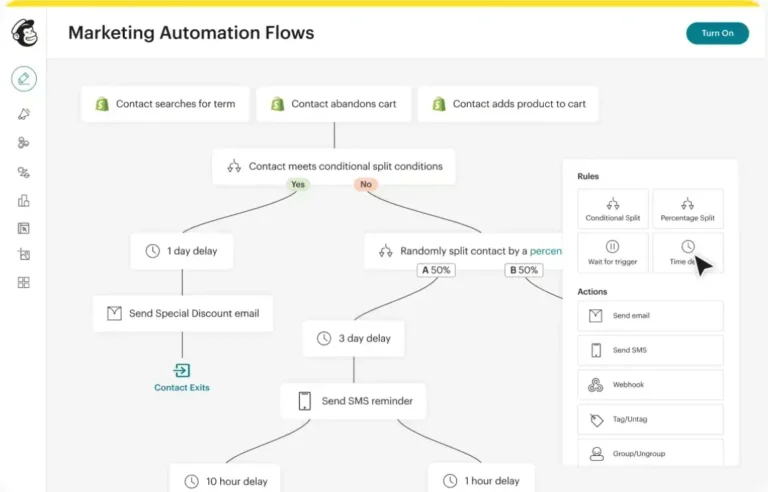
The global market for AI in marketing is experiencing exponential growth. Reports from various market research firms indicate that this sector, valued at tens of billions of dollars, is projected to reach hundreds of billions within the next decade, driven by the demand for personalized customer experiences, predictive analytics, and automated campaign management. Adobe’s move is a direct response to this trend, recognizing that the future of marketing lies in leveraging AI to move beyond manual processes and embrace intelligent, adaptive systems. Rilo’s expertise in creating custom workflows for go-to-market teams – spanning competitor intelligence, content repurposing and distribution, and granular sales call analysis – directly addresses these pressing needs. The ability to set up custom workflows, akin to advanced functionalities seen in tools like Claude Cowork and ChatGPT Work, positions Adobe to offer a more bespoke and powerful automation experience to its enterprise users.
Rilo’s Journey: From IIT Vision to Adobe Integration
Rilo was co-founded in 2025 by IIT batchmates Georgi Boby and Dhruv Jaglan, emerging from India’s vibrant startup ecosystem with a clear vision for transforming marketing operations through automation. The company successfully raised $1 million in seed funding from prominent investors, including Peak XV (formerly Sequoia Capital India & SEA), DeVC, and Day Zero Ventures, achieving an impressive $10 million valuation in a relatively short period. This rapid ascent underscores the perceived value and potential of Rilo’s innovative technology within the venture capital community.
A source close to the deal informed TechCrunch that Rilo’s investors will realize a favorable exit from this acquisition, validating their early belief in the startup’s potential. The integration plan involves incorporating some of Rilo’s intellectual property (IP) directly into Adobe’s platforms, alongside welcoming Rilo’s six-member team. This approach is common in strategic acquisitions, where the acquiring company seeks to absorb both the technological innovation and the specialized talent responsible for its creation. Dhruv Jaglan, co-founder of Rilo, highlighted the enthusiastic reception of their product on LinkedIn, mentioning that over 10,000 individuals had already tried out the tool, a testament to its practical utility and market appeal.
Post-acquisition, Rilo will cease its independent operations and its services will no longer be available to existing customers. While this is a standard outcome for many acquired startups, it necessitates a transition period for its user base, who will now need to seek alternative solutions or potentially migrate to Adobe’s integrated offerings once Rilo’s technology is fully embedded.
Investor Perspectives and Broader Market Reactions
The acquisition has been met with positive reactions from Rilo’s early backers. Rahul Gupta, Managing Partner at Day Zero Ventures, expressed enthusiasm, stating via email to TechCrunch, "We’re very excited that Rilo has been acquired by Adobe in such a short span of time. Their workflow builder product was way ahead of the curve and shall be extremely valuable to a giant like Adobe in enhancing customer experience and productivity." This sentiment reflects the validation of Day Zero Ventures’ investment thesis in early-stage, disruptive technologies.

Rahul Mathur of DeVC further elaborated on the strategic fit, suggesting that Rilo’s capabilities could seamlessly integrate into Adobe’s Customer Experience (CX) and marketing suite. He emphasized Rilo’s potential to manage complex workflows and provide customers with enhanced visibility into actions taken across Adobe’s creative and marketing platforms. This perspective highlights the complementary nature of Rilo’s technology, designed to augment rather than merely replicate existing Adobe functionalities.
From a broader market perspective, Adobe’s move signals an intensifying arms race in the AI-powered marketing automation space. The company made a significant marketing acquisition last year by purchasing SEO optimization company Semrush for an estimated $1.9 billion, further demonstrating its commitment to building a comprehensive marketing technology powerhouse. This latest acquisition, while smaller in scale, is equally strategic, focusing on the critical layer of workflow automation that underpins effective digital marketing.
The Competitive Landscape of AI in Marketing
The digital marketing industry is currently a hotbed of innovation, with AI at its core. Major players and emerging startups alike are vying for dominance. Rivals such as Canva, known for its user-friendly design platform, have also been aggressively bolstering their marketing portfolios through a series of acquisitions and new product launches focused on AI and marketing automation. Canva’s recent strategic purchases, including Simtheory and Ortto, and its investments in animation and marketing startups, illustrate a shared understanding among industry leaders that AI-driven efficiency is paramount.
Tech giants like Amazon, Google, and Meta have likewise invested heavily in developing their own AI-powered marketing rails, leveraging their vast data reserves and computational power to offer sophisticated advertising and campaign management tools. Google’s advancements in AI-driven ad targeting and measurement, Meta’s integration of AI into its social media advertising platforms, and Amazon’s use of AI for personalized product recommendations and advertising are prime examples. Salesforce, with its Einstein AI, and HubSpot, with its focus on inbound marketing automation, also represent formidable competitors in the broader marketing tech ecosystem.
In this context, Adobe’s acquisition of Rilo is a defensive and offensive play. Defensively, it helps Adobe keep pace with competitors rapidly integrating AI. Offensively, it aims to differentiate Adobe’s Experience Cloud by offering superior, more customizable workflow automation that can cater to the nuanced needs of large enterprises.
Implications for India’s Startup Ecosystem
Adobe’s repeated acquisitions from India, first Rephrase.ai and now Rilo, underscore the growing recognition of India as a fertile ground for AI innovation and a rich source of engineering talent. The country’s robust educational infrastructure, particularly institutions like the IITs, consistently produces skilled professionals who are increasingly drawn to entrepreneurship. This trend not only validates the quality of Indian startups but also attracts further global venture capital and corporate interest into the ecosystem.
For the Indian startup community, such acquisitions provide a dual benefit: they offer successful exits for founders and investors, demonstrating a clear path to liquidity and encouraging further entrepreneurial endeavors. They also integrate Indian talent and intellectual property into global technology giants, potentially leading to knowledge transfer and the development of world-class products. However, there is also the ongoing discussion around "brain drain" versus "brain gain," where integrating into a large foreign entity might mean losing an independent Indian company, but gaining global exposure and resources for the talent involved. For now, the narrative is largely positive, highlighting India’s emergence as a key player in the global technology landscape.
Conclusion and Future Outlook
The acquisition of Rilo by Adobe is a multifaceted strategic move that reflects several key trends in the technology and marketing industries. It highlights Adobe’s aggressive pursuit of AI capabilities to enhance its Experience Cloud, its commitment to workflow automation as a critical differentiator, and its increasing reliance on the innovative potential of the Indian startup ecosystem. While the specifics of the deal remain confidential, the implications are clear: Adobe is doubling down on AI to deliver more intelligent, efficient, and personalized marketing solutions for its enterprise customers in an increasingly competitive landscape. As Rilo’s team and technology integrate into Adobe, it will be compelling to observe how these new capabilities translate into tangible enhancements within Adobe’s comprehensive suite, further shaping the future of digital marketing.
About the Author