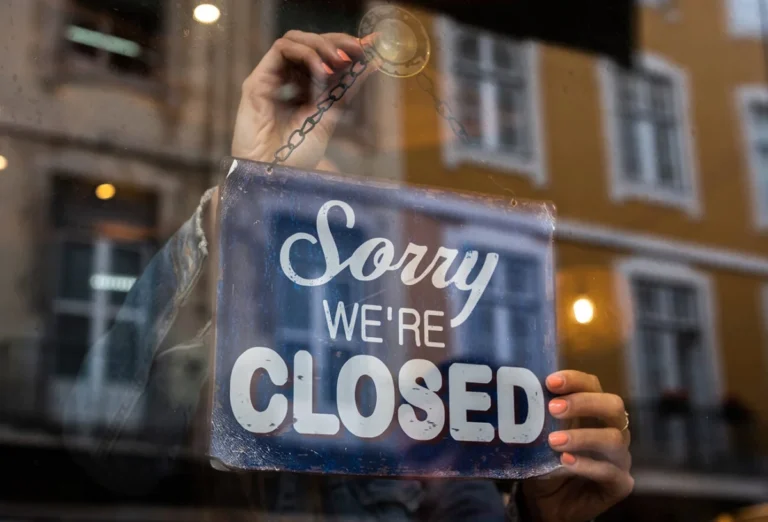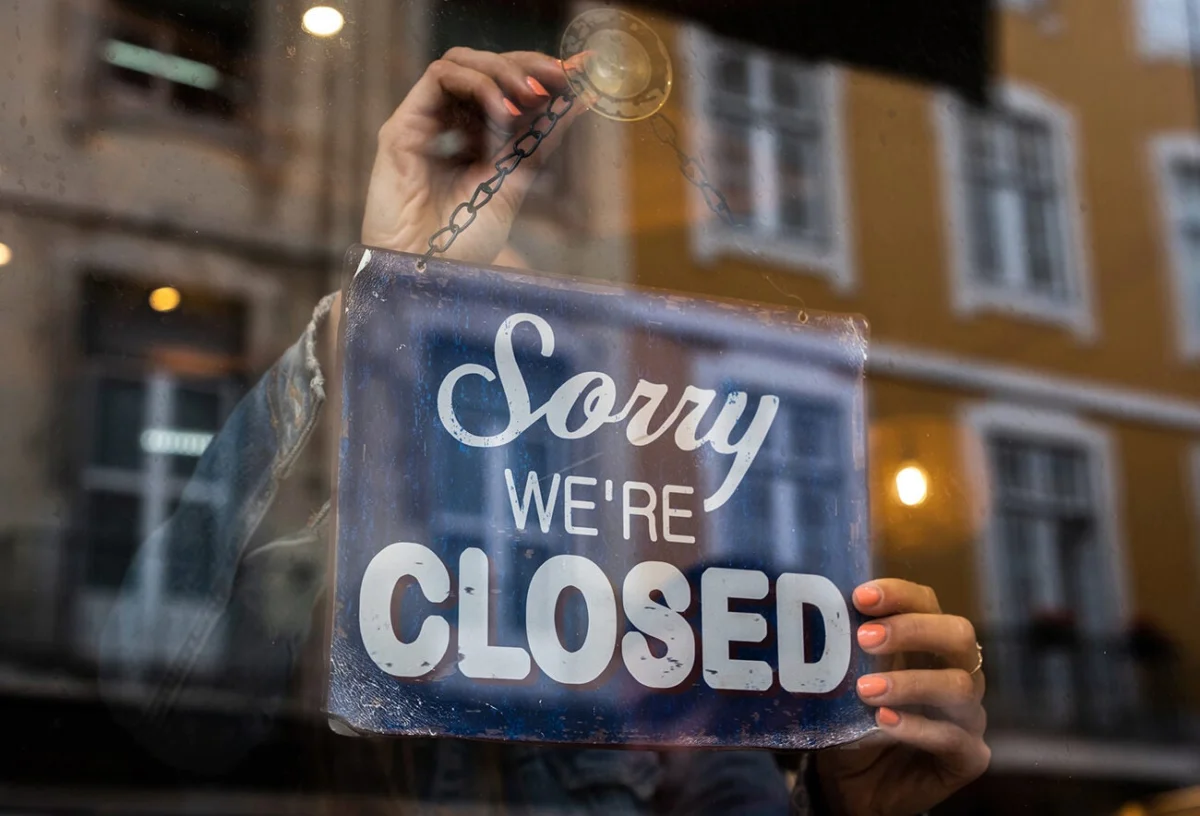
A comprehensive new study by Wharton management professor Exequiel (Zeke) Hernandez reveals that the federal government’s intensified Immigration and Customs Enforcement (ICE) campaigns have cost American cities a staggering sum, potentially reaching up to $14 billion in lost consumer spending last year alone. The research, which offers an unprecedented look into the economic fallout of aggressive immigration crackdowns, indicates that the chilling effect on local economies endures long after enforcement operations conclude, fundamentally reshaping daily life and commerce in affected communities.
Hernandez’s groundbreaking analysis uncovers a significant and sustained decline in economic activity across areas targeted by immigration enforcement. These regions experienced sharp contractions on both the supply and demand sides: fewer workers felt safe enough to report to their jobs, and fewer shoppers patronized local businesses. Crucially, these detrimental effects have not dissipated over time, proving to be indiscriminate in their reach. Hernandez emphasizes that the economic malaise afflicts neighborhoods regardless of whether they possess a high concentration of immigrant or Hispanic residents, underscoring the pervasive nature of the fear generated by ICE operations. “The fear doesn’t go away when the ICE raid ends. People are constantly on alert. They’re afraid to go out,” Hernandez stated, highlighting the persistent psychological impact. “ICE is not just hurting the economy for a few days or weeks. They are hurting the economy nonstop.”
The findings are detailed in his latest paper, titled “ICE-ing the Economy: Immigration Enforcement Under Trump 2.0 and Local Economic Activity.” The research has quickly garnered significant attention from prominent outlets such as Forbes, Brookings, and NPR, signaling its importance in the ongoing national discourse. While public debate has frequently centered on the legality and humanitarian implications of ICE tactics, Hernandez’s work introduces a vital, often overlooked dimension: the profound economic repercussions. As a business professor and economist, Hernandez noted, “There was a lot of attention on whether this was good enforcement policy or not, but it struck me that nobody was talking about what happens when hundreds of soldiers show up in a community and create fear. I thought I’d get the data and see what it said.” This perspective shifts the conversation from purely legal and ethical considerations to the tangible financial costs borne by American communities.
A Novel Data-Driven Approach to Unmasking Economic Costs
To achieve this comprehensive understanding, Professor Hernandez meticulously constructed a novel and robust dataset, an undertaking believed to be the first of its kind. His research integrates several distinct layers of data:
- Geocoded ICE Raids: A precise mapping of 5,388 ICE enforcement operations, pinpointing their exact locations.
- Foot Traffic Data: Analysis of cell phone mobility records to track foot traffic for 5.4 million commercial points of interest.
- Transaction Data: Examination of credit and bank card transactions from 1.1 million points of interest.
This vast trove of data, spanning from January 2024 to February 2026, allowed Hernandez to meticulously estimate the direct effect of enforcement on both workplace attendance and retail foot traffic, as well as consumer spending at retail establishments. The methodology involved a rigorous comparative analysis, contrasting economic trends in areas targeted by raids against those in unaffected locations over the same period. The specified timeframe for data collection, particularly with the "Trump 2.0" moniker in the paper’s title, suggests an analysis focused on the continuation or re-emergence of aggressive immigration enforcement policies and their anticipated or ongoing economic consequences. While the original article references "last year" (implying 2023 for initial estimates), the detailed dataset indicates a forward-looking or ongoing study period designed to capture the impact of sustained aggressive enforcement.
Complementing this quantitative analysis, Hernandez delved into a qualitative study of public discourse. He analyzed more than 46,000 news articles to discern shifts in language and sentiment as ICE raids intensified. This textual analysis focused on six critical categories: expressions of fear and hiding, work absenteeism, school absenteeism, reduced commerce, decreased foot traffic, and business closures. For instance, a news report from Charlotte, North Carolina, vividly captured the atmosphere, stating, “Weeks later, the sidewalks of Central Avenue are still uncharacteristically quiet.” This added qualitative layer served to validate and deepen the insights derived from the statistical data, painting a holistic picture of economic and social disruption.
The Indiscriminate Reach of Fear: Beyond Targeted Communities
Hernandez anticipated finding a decline in economic activity, particularly given the uniquely aggressive nature of recent immigration crackdowns. However, he expressed surprise at the sheer depth and breadth of the losses. The research unequivocally demonstrates that the economic fallout is not confined to specific demographics or business types. “Every type of business and consumer feels it — Hispanic, non-Hispanic, businesses big and small. Nobody is immune from the punch, which is another way in which this is completely unprecedented,” he asserted. This widespread impact suggests that the climate of fear created by aggressive enforcement pervades entire communities, affecting all residents and businesses, not just those directly involved with or associated with immigrant populations.
The findings resonate with and corroborate localized assessments conducted by state and local governments that have experienced significant ICE operations. For example, Minneapolis reported an estimated $700 million in economic losses stemming from Operation Metro Surge, an enforcement action that tragically also led to the highly publicized shooting deaths of citizens Renee Good and Alex Pretti. Similarly, Los Angeles County documented losses exceeding $3 million over a mere two-week period of raids. In Chicago’s vibrant commercial district of Little Village, businesses reported alarming yearly revenue declines of up to 50% following intense enforcement. These real-world examples underscore the immediate and substantial financial damage that aggressive federal immigration policies inflict upon local economies, often with devastating consequences for small businesses and livelihoods.
Contextualizing Aggressive Enforcement: A Policy Timeline
The intensified ICE campaigns examined in Hernandez’s research are not isolated incidents but rather a continuation of a broader policy trend that gained significant momentum under previous administrations, particularly the Trump administration, whose policies are implicitly referenced in the "Trump 2.0" title. During this period, the federal government adopted a more hardline stance on immigration, prioritizing interior enforcement and expanding the scope of individuals targeted for deportation. The rhetoric surrounding immigration enforcement shifted dramatically, emphasizing "zero tolerance" and portraying unauthorized immigration as a national security threat. This led to an increased visibility of ICE operations, often characterized by highly public raids in workplaces, homes, and community spaces.
Prior to these intensified crackdowns, ICE, established in 2003 under the Department of Homeland Security, primarily focused on enforcing immigration laws, apprehending individuals who posed national security risks or had serious criminal records. However, under the aggressive enforcement directives, the definition of a target expanded significantly, encompassing individuals with minor infractions or even those with no criminal record, often referred to as "collateral arrests." This shift contributed to a pervasive atmosphere of fear within immigrant communities and beyond. The operational tactics, including the deployment of masked agents and highly visible raids, were designed to be a deterrent, but Hernandez’s research clearly demonstrates an unintended and economically destructive side effect. The period from 2017-2020 saw a marked increase in ICE arrests and deportations, laying the groundwork for the economic disruption now being quantified. The "Trump 2.0" in the paper’s title suggests the study is keenly aware of the potential for a return to or continuation of these aggressive policies, modeling their impact over the 2024-2026 timeframe.
The Broader Economic Canvas: Immigrants as Vital Economic Drivers
To fully appreciate the economic damage highlighted by Hernandez’s study, it is essential to recognize the significant contributions immigrants make to the U.S. economy. Immigrants are integral to the labor force, filling critical gaps in sectors such as agriculture, construction, hospitality, and healthcare. They also boast higher rates of entrepreneurship, starting businesses at a rate nearly twice that of native-born citizens, creating jobs and fostering innovation. Immigrant-owned businesses contribute billions to the economy annually and are often vital anchors in local communities.
Furthermore, immigrants are significant consumers, contributing to local economies through their spending on goods, services, and housing. Disrupting these communities through aggressive enforcement not only removes workers and entrepreneurs but also diminishes a crucial consumer base. Studies by organizations like the Center for American Progress and the New American Economy have consistently demonstrated that integrating immigrants into the economy leads to higher GDP, increased tax revenues, and improved wages for all workers. Conversely, policies that create uncertainty and fear among immigrant populations inevitably undermine these economic benefits, leading to the kind of widespread consumer spending losses identified by Hernandez. The $14 billion estimated loss is not merely a theoretical figure; it represents tangible foregone sales for local retailers, reduced income for service providers, and diminished tax revenues for municipalities.
Voices from the Ground: Echoes of Distress
While federal agencies often justify aggressive enforcement as a matter of national security and upholding the rule of law, local communities and businesses tell a different story.
- Local Officials: "We understand the need for law enforcement, but these aggressive tactics are devastating our local businesses and tearing the fabric of our communities apart," commented a city council member from a midwestern city that experienced raids. "The economic costs, let alone the human costs, are simply too high for our budget and our residents to bear. We see a direct correlation between these operations and empty storefronts."
- Small Business Owners: Maria Rodriguez, owner of a small grocery store in a predominantly immigrant neighborhood, described her experience: "After the raids, our sales dropped by half. People were too scared to leave their homes, even for essentials. Many of my employees, who are legal residents, also feared coming to work because they didn’t want to be caught up in something. It’s not just immigrants; everyone feels it. My regular non-immigrant customers stopped coming too because the streets were empty and the atmosphere felt tense."
- Immigrant Advocates: "The fear created by these raids is profound and long-lasting," stated an attorney with an immigrant rights organization. "Children miss school, parents can’t go to work, and families live in constant anxiety. This isn’t just an economic issue; it’s a humanitarian crisis that destabilizes entire communities and hinders their ability to thrive."
These accounts underscore the qualitative aspects of Hernandez’s findings, illustrating how the climate of fear translates into tangible economic and social disruptions, far beyond the initial target of enforcement.
Policy Implications: A Call for Balanced and Evidence-Based Approaches
Hernandez stresses that his research is neither partisan nor an argument for the complete cessation of immigration enforcement. Instead, he issues a clear call to political leaders to leverage these findings in crafting less harmful, more effective policies. “We can have lots of arguments about the proper role of immigration enforcement, but I think we can all agree that permanently decimating the livelihoods of workers and businesses and citizens is not it,” he stated. He challenges the common justification for aggressive enforcement—that it ultimately benefits American businesses and creates more jobs—by demonstrating precisely the opposite effect. “What I’m finding is it’s doing exactly the opposite,” Hernandez concluded.
This research strongly suggests that current approaches to immigration enforcement may be self-defeating from an economic standpoint. While proponents argue for strict measures to protect national interests, the tangible costs borne by American cities in lost consumer spending and disrupted economic activity present a compelling counter-argument. Policymakers are urged to consider a more nuanced strategy that balances national security and legal enforcement with the crucial economic contributions of immigrant communities and the overall health of local economies. This could involve prioritizing enforcement against individuals who pose genuine threats, rather than broad, indiscriminate raids that instill widespread fear and paralyze economic activity.
Looking Ahead: The Imperative for Holistic Economic Analysis
Beyond immediate policy recommendations, Hernandez also hopes his work will inspire a broader scope of inquiry among scholars studying immigration and the economy. He points out that academic discourse often narrowly focuses on the labor market, neglecting the equally critical dynamics of supply and demand. “We can’t forget that the economy isn’t just jobs and wages. It’s also consumer spending, and businesses staying open, and both native and other workers showing up to work,” he argued. “We can’t just document one economic effect. We have to get the bigger picture.”
The interconnectedness of labor supply, consumer demand, and business viability means that a disruption in one area inevitably ripples through others. A decline in worker attendance affects productivity and output (supply), while fear among residents reduces their willingness to spend, impacting local businesses (demand). Hernandez’s comprehensive methodology serves as a model for future research, urging a holistic examination of immigration’s multifaceted economic impacts. The long-term implications of sustained economic damage include potential capital flight from affected areas, permanent business closures, and an erosion of community trust that can take years to rebuild.
In conclusion, Exequiel Hernandez’s pioneering research provides compelling, data-driven evidence of the substantial and prolonged economic damage inflicted by aggressive immigration enforcement campaigns. The estimated $14 billion in lost consumer spending underscores the urgent need for policymakers to re-evaluate current strategies. By quantifying the costs beyond legal and ethical debates, the study shifts the narrative, emphasizing that the economic well-being of American cities is inextricably linked to the stability and security of all its residents. It serves as a powerful call for evidence-based policymaking that acknowledges the full spectrum of economic and social consequences, fostering solutions that uphold both the rule of law and the prosperity of communities.
About the Author