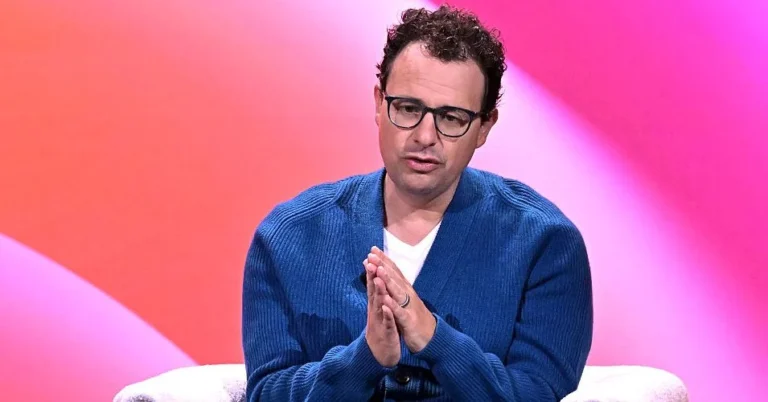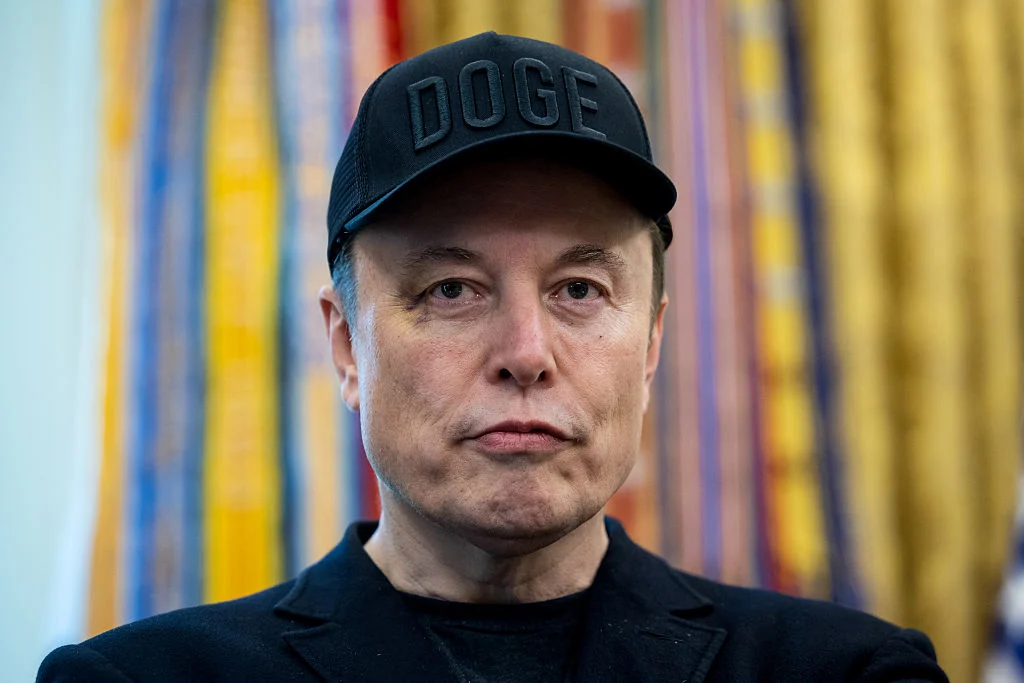
A significant controversy has emerged regarding the advertising campaign for acclaimed director Alex Gibney’s new documentary, "Musk," which delves into the complex and often contentious life of tech mogul Elon Musk. Initially, reports indicated that major social media platforms, including TikTok, Meta (Facebook and Instagram), YouTube, and X (formerly Twitter), had collectively refused to run paid advertisements promoting the film’s trailer. However, this narrative has begun to shift, with Meta issuing a statement acknowledging an error and confirming the restoration of the ads. The broader implications of these rejections, particularly given the platforms’ varying policies on political advertising and the inherent controversy surrounding Musk himself, are becoming increasingly apparent.
Initial Reports of Widespread Ad Rejection
The Hollywood Reporter broke the story on Friday, detailing a seemingly coordinated refusal by several prominent social media companies to accept advertising for "Musk." The documentary, which premiered to critical acclaim at the Venice International Film Festival and boasts a perfect 100% "fresh" rating on Rotten Tomatoes, was slated for a theatrical release in the United States on October 9. Its distributor, Bleecker Street, had reportedly encountered significant obstacles in its efforts to promote the film through paid advertising on platforms that are integral to modern marketing strategies.
Sources cited by The Hollywood Reporter indicated that the rejections were broadly attributed to the platforms’ policies on "political content." This classification, however, has raised questions, as a documentary trailer is not typically considered direct campaign advertising. The film’s distributor has confirmed that they are actively appealing these decisions.
Meta’s Reversal and Ongoing Questions
In a significant development, Meta, the parent company of Facebook and Instagram, has provided a counter-narrative. When approached by TechCrunch for comment on Saturday, a spokesperson stated, "This was an error and the ads are being restored." This statement suggests that the initial blanket rejection may not have been a deliberate policy decision across the board, but rather a procedural misstep within Meta’s advertising review system.
While Meta’s swift acknowledgment and correction are notable, the initial rejection and the subsequent clarification leave several questions unanswered. It remains unclear if other platforms will follow suit or if Meta’s internal review process flagged the content incorrectly. TechCrunch has reached out to Meta for further details regarding the nature of the "error" and the timeline for full restoration of the ads.
X’s Unsurprising Rejection
The refusal by X, the platform owned by Elon Musk himself, is perhaps the least surprising development in this unfolding situation. Musk has been openly critical of Gibney and the documentary. In a recent post on X, Musk stated, "Dogshit is worth more respect than Gibney." This personal animosity and the potential for self-serving censorship on his own platform make X’s rejection entirely predictable. The platform’s decision underscores the challenges faced by critics and documentarians when their subjects hold significant power and influence over the very channels of communication.
The "Political Content" Conundrum
The classification of "Musk" as "political content" by platforms like TikTok and YouTube, and by implication Meta initially, warrants closer examination. Both TikTok and Meta have established policies regarding political advertising, with varying degrees of stringency. Meta, for instance, announced last year that it would cease accepting political ads in the European Union starting in October, a move that reflects a broader trend of social media companies grappling with the ethical and regulatory implications of political advertising. TikTok, on the other hand, has a long-standing policy against running political advertisements altogether.
The ambiguity arises when a documentary trailer, which aims to inform and engage audiences about a public figure’s life and career, is equated with direct political campaigning. The film’s subject, Elon Musk, is a figure of immense public interest and influence, whose business dealings, technological innovations, and public statements frequently intersect with political discourse and policy. Gibney’s previous documentaries, such as "Going Clear" (about the Church of Scientology) and "The Inventor" (about Elizabeth Holmes and Theranos), have tackled complex societal issues and powerful individuals. The decision to categorize the trailer for "Musk" as political content, therefore, opens a debate about where the lines are drawn between documentary filmmaking, public interest journalism, and political campaigning in the digital age.
Background on Alex Gibney and "Musk"
Alex Gibney is a highly respected and prolific documentary filmmaker, known for his investigative approach and his ability to dissect complex subjects. His body of work includes critically acclaimed films such as "Enron: The Smartest Guys in the Room," "Taxi to the Dark Side," and "Zero Dark Thirty." His previous foray into the world of tech titans was a film about Steve Jobs.
"Musk," the documentary in question, is a nearly four-hour deep dive into Elon Musk’s multifaceted career and personal life. It features interviews with individuals who have had significant relationships with Musk, including his ex-wife Justine Musk and former right-wing influencer Ashley St. Clair. St. Clair, who reportedly had a child with Musk, has since described him in stark terms.
Early reviews suggest the film offers a critical perspective on Musk’s business practices, his political associations, including an alliance with former President Donald Trump, and his personal life. Bilge Ebiri of Vulture described the documentary as both a "fascinating" character study and a "terrifying" warning about the future. This critical reception, characterized by overwhelmingly positive reviews, underscores the potential significance of the film as a public document.
Broader Implications and Potential Impact
The advertising rejections, even with Meta’s subsequent reversal, highlight a growing tension between content creators and social media platforms, particularly when the subject matter is controversial or politically charged. For independent filmmakers and distributors, social media advertising is often a crucial, if not essential, component of a film’s marketing strategy. Obstacles in this arena can significantly impact a film’s reach and box office performance.
Furthermore, the situation raises concerns about censorship and the gatekeeping power of social media companies. While platforms are within their rights to enforce their advertising policies, the broad categorization of a documentary trailer as "political content" could stifle important conversations and limit public access to information and diverse perspectives. The appeals process initiated by Bleecker Street is a critical step in challenging these classifications and advocating for a more nuanced approach to content moderation.
A Pattern of Scrutiny for Musk-Related Content?
The challenges faced by Gibney’s documentary may not be isolated. The Hollywood Reporter also previously reported that Universal Pictures was reportedly hesitant to commit to international distribution for "Musk," citing fears of alienating the Trump administration. While Universal has since stated its intention to release the film theatrically, the initial wavering suggests a broader sensitivity surrounding content that could be perceived as critical of Musk or his political affiliations, especially in the current political climate. This scrutiny, coupled with the social media advertising issues, points to a potential pattern of obstacles for content that delves deeply into the life of one of the world’s most influential and polarizing figures.
The coming weeks will likely see further developments as Bleecker Street pursues its appeals and as Meta fully restores the advertising for "Musk." The outcome of these efforts could set important precedents for how documentaries and other forms of critical content are advertised and distributed on major digital platforms. The debate over what constitutes "political content" and how it should be regulated on social media remains a complex and evolving issue with significant implications for free expression and public discourse.
Timeline of Events:
- Early September 2024: Alex Gibney’s documentary "Musk" premieres at the Venice International Film Festival to positive reviews.
- Mid-September 2024: The Hollywood Reporter publishes a story alleging that TikTok, Meta, YouTube, and X have refused to run paid ads for the "Musk" trailer.
- September 21, 2024 (Saturday): TechCrunch reaches out to Meta for comment.
- September 21, 2024 (Saturday): A Meta spokesperson tells TechCrunch that the ad rejection was an error and ads are being restored.
- September 23, 2024 (Monday): Theatrical release of "Musk" in the United States is scheduled for October 9.
Related Parties and Reactions:
- Alex Gibney (Director): Has not publicly commented directly on the ad rejections, but his work is known for its critical examination of powerful subjects.
- Bleecker Street (US Distributor): Confirmed they are appealing the rejections from social media platforms.
- Elon Musk (Subject of Documentary): Has publicly expressed disdain for Alex Gibney via X, stating, "Dogshit is worth more respect than Gibney."
- Meta (Facebook/Instagram): Acknowledged an error and is restoring ads for "Musk."
- TikTok: Reportedly rejected ads, citing "political content" policies.
- YouTube: Reportedly rejected ads, citing "political content" policies.
- X (formerly Twitter): Rejected ads, with the platform’s owner, Elon Musk, having publicly denigrated Gibney.
- Universal Pictures (International Distributor): Reportedly expressed initial hesitation regarding international distribution due to fears of political backlash, though later confirmed theatrical release plans.
The ongoing situation surrounding the advertising for Alex Gibney’s "Musk" documentary highlights the intricate relationship between filmmakers, distributors, social media platforms, and the public figures who are the subjects of scrutiny. As the film prepares for its wider release, the resolution of these advertising disputes will be closely watched, offering insights into the evolving landscape of content moderation and the challenges of disseminating critical narratives in the digital age.
About the Author