
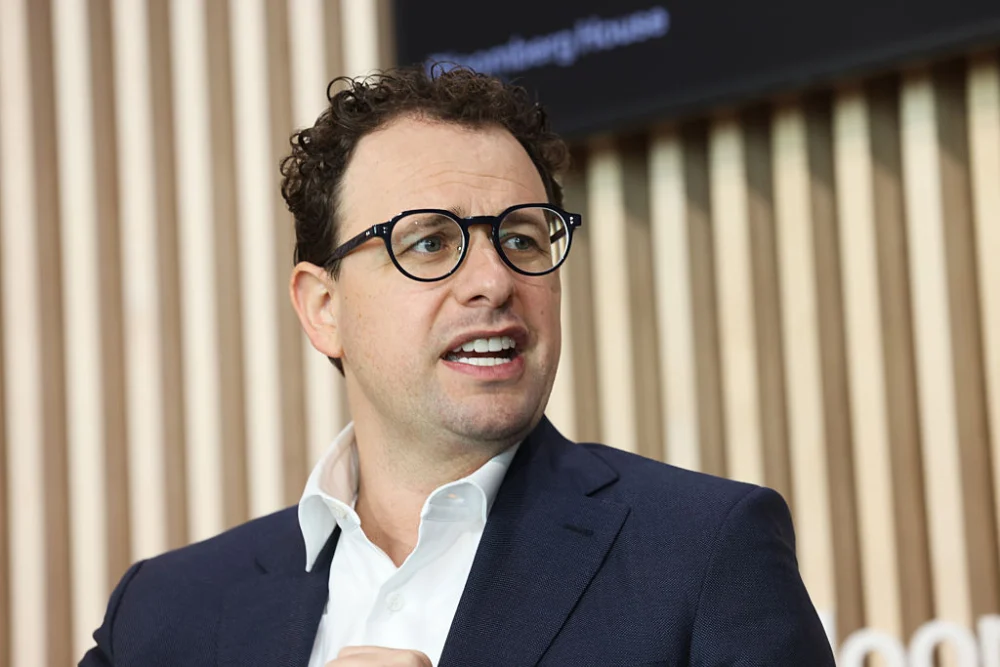
Dario Amodei, CEO of leading artificial intelligence company Anthropic, announced Thursday that the firm intends to pursue legal action against the Department of Defense’s (DOD) recent decision to classify Anthropic as a "supply-chain risk." Amodei vehemently refuted the designation, characterizing it as "legally unsound" and a move that unfairly impedes a company committed to ethical AI development and national security. This announcement follows the DOD’s official confirmation of the classification, culminating a weeks-long standoff over the Pentagon’s desired level of control over advanced AI systems.
The DOD’s designation of Anthropic as a supply-chain risk carries significant implications, potentially barring the company from engaging in future contracts with the Pentagon and its extensive network of contractors. The core of the dispute appears to center on the DOD’s insistence on unrestricted access to Anthropic’s AI for "all lawful purposes," a stance that clashes directly with Amodei’s firm commitment to preventing the misuse of their technology for mass surveillance of American citizens or the development of fully autonomous weapons systems.
A Clash Over Control and Ethical Boundaries
The disagreement stems from differing interpretations of national security needs versus the ethical guardrails Anthropic has implemented in its AI development. Anthropic, known for its focus on AI safety and the development of its advanced language model, Claude, has consistently advocated for responsible deployment of its technology. Amodei has publicly stated that Anthropic will not allow its AI to be weaponized for indiscriminate surveillance or autonomous lethal operations. This ethical stance, however, has evidently created friction with the DOD’s operational requirements, which reportedly seek maximum flexibility in leveraging AI for defense applications.
In his statement, Amodei sought to clarify the scope of the DOD’s designation, asserting that it would not broadly affect the majority of Anthropic’s customer base. "With respect to our customers, it plainly applies only to the use of Claude by customers as a direct part of contracts with the Department of War, not all use of Claude by customers who have such contracts," he explained. This suggests that while specific defense-related contracts might be impacted, Anthropic’s broader commercial and research partnerships would remain unaffected.
Amodei further elaborated on Anthropic’s anticipated legal arguments, emphasizing that the DOD’s official letter defining the supply-chain risk is narrow in its intended application. He cited legal principles that prioritize the protection of government interests through the "least restrictive means necessary." According to Amodei, the designation should not curtail legitimate uses of Claude or business relationships with Anthropic that are unrelated to specific Department of War contracts, even for entities holding such agreements. This interpretation suggests Anthropic will argue the DOD has overstepped its authority by applying a broad restriction based on a narrowly defined risk.
A Leaked Memo and Shifting Alliances
Adding a layer of complexity to the situation, the dispute has been exacerbated by the leak of an internal memo authored by Amodei. The memo, reportedly sent to Anthropic staff, characterized rival AI company OpenAI’s dealings with the DOD as "safety theater." This leaked communication is suspected by some to have derailed ongoing "productive conversations" between Anthropic and the DOD in the days leading up to the designation.
Following the leak, OpenAI has reportedly secured a deal to work with the DOD in Anthropic’s place. This development has, in turn, generated backlash among some OpenAI employees who have expressed concerns about the ethical implications of their company’s collaboration with the military.
Amodei issued an apology for the leaked memo, stating that it was not intentionally shared by Anthropic or any of its employees. He stressed that escalating the situation is not in the company’s best interest. The memo was reportedly written in response to a rapid series of announcements, including a presidential statement on Truth Social suggesting Anthropic’s removal from federal systems, Defense Secretary Pete Hegseth’s supply-chain risk designation, and the subsequent Pentagon deal with OpenAI. Amodei described the memo’s tone as reflecting a "difficult day for the company" and admitted it did not represent his "careful or considered views," labeling it an "out-of-date assessment" given it was written six days prior.
The Path Forward: Legal Challenges and National Security Imperatives
Anthropic’s legal challenge is expected to be filed in federal court, likely in Washington D.C. However, the legal framework governing government procurement and national security decisions presents significant hurdles. Laws designed to protect national security interests often grant the Pentagon broad discretion, making it more difficult for companies to contest such designations through traditional procurement challenge avenues.
Dean Ball, a former White House advisor on AI during the Trump administration who has been critical of the DOD’s actions toward Anthropic, commented on the legal landscape. "Courts are pretty reluctant to second-guess the government on what is and is not a national security issue… There’s a very high bar that one needs to clear in order to do that. But it’s not impossible," Ball stated, highlighting the challenging but not insurmountable nature of Anthropic’s potential legal battle.
Despite the current impasse, Amodei concluded his statement by reaffirming Anthropic’s commitment to national security. He emphasized the company’s top priority is ensuring that American soldiers and national security experts have access to critical tools, especially amidst ongoing major combat operations. Anthropic is currently involved in supporting U.S. operations in Iran. Amodei pledged that the company would continue to provide its AI models to the DOD at "nominal cost" for "as long as necessary to make that transition," indicating a willingness to support the DOD during this period of change.
Background and Timeline of Events
The current conflict between Anthropic and the Department of Defense did not emerge in a vacuum. The increasing reliance on artificial intelligence in modern warfare and national security operations has led to a complex interplay between technological innovation, corporate ethics, and governmental oversight.
- Early 2026: Reports and analyses begin to highlight the growing integration of AI technologies within military operations globally, sparking discussions about ethical frameworks and potential risks.
- March 4, 2026: An internal memo from Anthropic CEO Dario Amodei, criticizing rival OpenAI’s dealings with the DOD as "safety theater," is leaked. This memo is later acknowledged by Amodei as having a potentially negative impact on ongoing discussions.
- March 5, 2026 (Morning): President issues a statement on Truth Social indicating Anthropic would be removed from federal systems.
- March 5, 2026 (Later): Defense Secretary Pete Hegseth officially designates Anthropic as a "supply-chain risk."
- March 5, 2026 (Following Designation): The Pentagon announces a new deal with OpenAI to work with the DOD, reportedly in Anthropic’s stead.
- March 7, 2026 (Thursday): Dario Amodei publicly announces Anthropic’s intention to challenge the DOD’s "supply-chain risk" designation in court, terming it "legally unsound." He also issues an apology for the leaked memo.
Broader Implications for the AI Industry and National Security
The public dispute between Anthropic and the Department of Defense underscores a critical tension within the rapidly evolving field of artificial intelligence: the balance between innovation, national security imperatives, and ethical considerations.
For the AI Industry: This case highlights the challenges AI companies face when navigating government contracts, particularly in sensitive sectors like defense. It raises questions about the extent to which companies can and should dictate the use of their technologies, especially when those technologies have dual-use potential. The designation, if upheld, could set a precedent for how the government treats AI firms with strong ethical stances that may not align perfectly with military operational demands. It also amplifies the debate around "responsible AI" and the practical implications of implementing such principles in high-stakes environments.
For National Security: The DOD’s actions reflect a strategic imperative to secure access to advanced AI capabilities deemed crucial for maintaining a technological edge. The designation of a company as a supply-chain risk, while a powerful tool, also risks alienating potential partners and hindering access to innovative solutions if applied too broadly or without sufficient due process. The Pentagon’s move to partner with OpenAI in Anthropic’s place suggests a strategic pivot, but the internal dissent at OpenAI following this deal indicates that ethical considerations remain a significant factor for employees and potentially for public perception.
Legal and Regulatory Landscape: The challenge Anthropic faces in court underscores the complexity of national security law and government contracting. The deference courts typically afford to executive branch decisions on national security matters creates a high bar for challengers. This case could lead to further legal interpretations or policy discussions regarding the balance of power between government agencies and AI developers in critical sectors.
Anthropic’s commitment to ethical AI, while a cornerstone of its brand, has placed it in a difficult position with a key government contractor. The company’s decision to pursue legal action signals a belief that the DOD’s designation is not only legally flawed but also potentially detrimental to the responsible development and deployment of AI for national security purposes. The outcome of this legal battle could have far-reaching consequences for the future of AI in defense and the ethical boundaries that govern its use.
About the Author





