
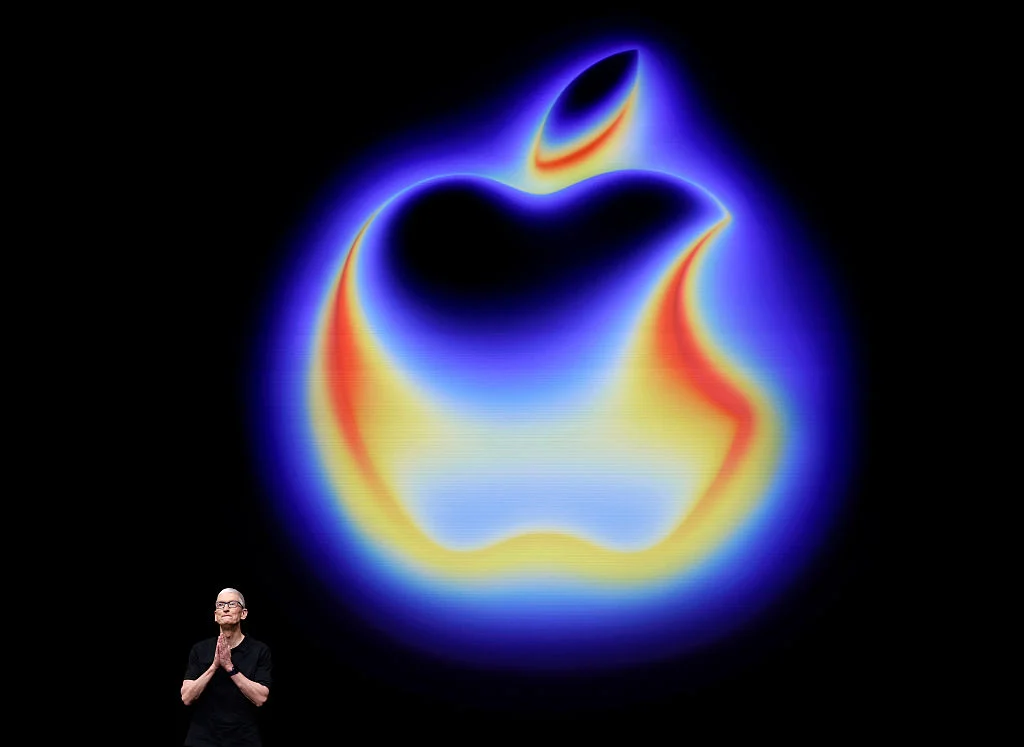
The anticipated launch of Apple’s first-ever smart glasses has been pushed back, a strategic recalibration reportedly driven by the company’s intense focus on addressing burgeoning consumer privacy concerns. The new timeline now targets an unveiling at the June 2027 Worldwide Developers Conference (WWDC), with commercial availability slated for the latter half of the year. This delay, according to Bloomberg’s Mark Gurman, provides Apple with crucial additional time not only to refine the hardware and software of its nascent augmented reality (AR) device but also to craft a compelling and reassuring narrative around its privacy-centric features, a cornerstone of the company’s brand identity.
The Privacy Minefield of Augmented Reality
The development of wearable technology that integrates seamlessly with our visual field presents a complex ethical and technical challenge, particularly concerning privacy. As the lines between the digital and physical worlds blur, the potential for misuse of cameras and sensors embedded in devices like smart glasses becomes a significant public concern. Meta Platforms’ recent foray into this market with its Ray-Ban Stories smart glasses has provided a stark, albeit controversial, case study. These devices, while offering functionalities like photo and video capture, have drawn sharp criticism and been dubbed "pervert glasses" by some due to concerns about non-consensual recording. Reports of contractors reviewing user footage for quality control, as revealed by Futurism, have further amplified these anxieties, creating a public perception that necessitates careful navigation by any company entering this space.
Apple, a company that has consistently positioned privacy as a key differentiator and a fundamental user right, faces an amplified challenge. Its brand is built on trust and a commitment to safeguarding user data, a reputation that could be significantly jeopardized by any perceived misstep in the privacy protocols of its smart glasses. The specter of Meta’s privacy controversies looms large, forcing Apple to proactively address potential vulnerabilities and to clearly articulate how its own technology will uphold its stringent privacy standards.
Strategic Privacy Fortifications for Apple’s AR Future
Sources indicate that Apple is meticulously planning to highlight a suite of privacy-enhancing features designed to preempt public apprehension. A primary focus is expected to be on on-device processing. This approach, which minimizes the need to send sensitive user data to remote servers, is a well-established privacy tenet for Apple, employed across its iPhone, iPad, and Mac lineups. By processing data locally on the glasses themselves, Apple aims to reduce the risk of data breaches and unauthorized access. This contrasts with cloud-centric processing models that can be more susceptible to external threats.
Furthermore, Apple is reportedly committed to avoiding facial recognition technology in its smart glasses, at least in the initial iteration. Facial recognition, while offering potential for personalized experiences and seamless authentication, is a deeply contentious area, fraught with concerns about surveillance, misidentification, and the potential for creating detailed, searchable databases of individuals. By eschewing this feature, Apple signals a commitment to not turning its smart glasses into tools for widespread biometric identification or tracking, thereby alleviating one of the most significant privacy anxieties associated with such devices.
Another crucial element of Apple’s privacy strategy is expected to be its approach to artificial intelligence (AI) model training. The company is likely to steer clear of using user-generated recordings from the smart glasses to train its AI models. This practice, while common in the development of many AI systems, can raise significant privacy questions, especially if the data is not fully anonymized or if users are not explicitly aware of its use. Apple’s reluctance to follow this path suggests a preference for more privacy-preserving methods of AI development, potentially involving synthetic data or strictly anonymized datasets that do not directly link back to individual users or their captured content.
A Calculated Delay: Timeline and Rationale
The decision to postpone the smart glasses’ debut from an earlier target of early 2027 to the June 2027 WWDC is a strategic move that underscores the gravity of the privacy considerations. WWDC, traditionally a platform for showcasing Apple’s software advancements and developer tools, offers a high-profile stage to introduce a new product category and to engage directly with the developer community, who will be instrumental in building the ecosystem around the glasses. Presenting the device at WWDC allows for a comprehensive unveiling of its capabilities and, crucially, a detailed explanation of its privacy architecture to a technically adept audience. This allows for early feedback and understanding before the broader consumer market is exposed.
The subsequent availability by the end of 2027 provides a buffer for further refinement and the development of robust marketing materials that effectively communicate Apple’s privacy commitment. This extended timeline also allows for the potential development of regulatory frameworks and public discourse around AR privacy, giving Apple the opportunity to align its product with evolving societal expectations and potential legislative measures.
The Broader Ecosystem and Industry Implications
Apple’s entry into the smart glasses market, even with a delayed launch, is poised to significantly influence the trajectory of augmented reality technology and its integration into daily life. The company’s history of successfully introducing new product categories, from the iPod and iPhone to the Apple Watch, suggests that its approach to smart glasses will be meticulously designed to achieve mainstream adoption.
The emphasis on privacy, if executed effectively, could set a new standard for the industry. By prioritizing user data protection, Apple may compel competitors to re-evaluate their own privacy practices, potentially leading to a more responsible and user-centric development of AR technologies across the board. This could mitigate the risk of a widespread public backlash against AR devices, which could otherwise stifle innovation and adoption.
However, the technical challenges of delivering a compelling AR experience while adhering to stringent privacy measures are substantial. The processing power required for real-time AR overlays, object recognition, and contextual information, all while operating on-device and without invasive data collection, represents a significant engineering feat. Apple’s silicon design expertise, honed through its A-series and M-series chips, will be critical in meeting these demands.
Historical Context and Precedents
The development of wearable computing has a rich, albeit often fragmented, history. Early attempts at smart glasses, such as Google Glass, faced significant public scrutiny and privacy concerns, ultimately leading to a scaled-back consumer launch and a pivot towards enterprise applications. These early stumbles serve as a cautionary tale for any company venturing into this space. Apple, known for its deliberate and often iterative product development cycles, has likely studied these precedents closely. The company’s approach to the Apple Watch, for instance, initially focused on niche fitness and notification features before expanding into more sophisticated health monitoring, demonstrating a measured rollout strategy.
The current landscape is also shaped by an increasing awareness of data privacy issues across the tech industry. High-profile data breaches, concerns about targeted advertising, and evolving regulations like the GDPR in Europe and the CCPA in California have fostered a more privacy-conscious consumer base. This heightened awareness makes Apple’s emphasis on privacy not just a strategic advantage but a necessity for market acceptance.
Potential Reactions and Industry Outlook
While official statements from Apple regarding the smart glasses remain scarce, the company’s consistent messaging around user privacy provides a clear indication of its priorities. Competitors, such as Meta, will undoubtedly be watching Apple’s strategy closely. If Apple succeeds in launching a privacy-forward AR device, it could force a re-evaluation of Meta’s own approach and potentially influence the direction of future AR hardware development across the industry.
The developer community, a key stakeholder in any new platform, will also be a crucial audience. Apple’s WWDC announcement will provide developers with the tools and frameworks necessary to build applications for the smart glasses. The privacy assurances provided by Apple will be critical in encouraging developers to create experiences that align with these principles, thereby reinforcing the overall privacy-centric ecosystem.
The long-term implications of Apple’s smart glasses extend beyond mere technological advancement. They have the potential to reshape how we interact with information, with each other, and with the world around us. By prioritizing privacy from the outset, Apple is attempting to build a foundation of trust that could prove essential for the widespread adoption and ethical integration of augmented reality into the fabric of daily life. The success of this endeavor will hinge on Apple’s ability to not only deliver a compelling technological product but also to effectively communicate and demonstrably uphold its commitment to safeguarding user privacy in this nascent and rapidly evolving frontier of personal technology.
About the Author





