
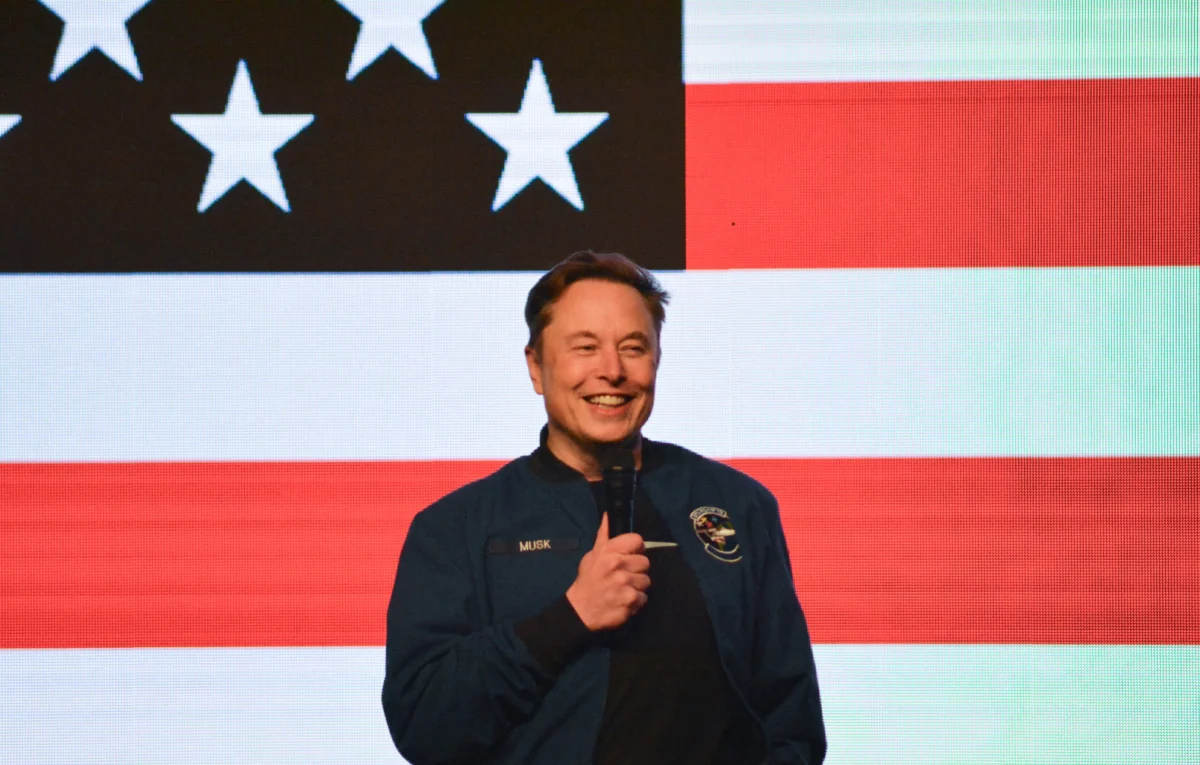
Elon Musk recently unveiled a bold and potentially transformative initiative, codenamed "Terafab," aimed at establishing a significant in-house chip-building capability for his flagship companies, Tesla and SpaceX. The announcement, made during a private event in downtown Austin, Texas, signals a dramatic escalation in Musk’s pursuit of vertical integration, particularly in the critical domain of artificial intelligence and advanced computing hardware. This ambitious undertaking, if realized, could reshape the landscape of custom chip design and manufacturing, addressing what Musk perceives as a critical bottleneck in the rapid advancement of his companies’ AI and robotics endeavors.
The Genesis of the Terafab Initiative
The revelation of the Terafab project emerged on a recent Saturday evening in Austin, a city that has increasingly become a nexus for Musk’s expansive business empire. Sources indicate the event, while not broadly publicized, brought together key personnel and stakeholders from Tesla and SpaceX. A photographic depiction shared following the event suggested the proposed "Terafab" facility will be strategically located in close proximity to Tesla’s existing Gigafactory and its corporate headquarters in Austin. This geographical proximity is likely intended to foster seamless integration and operational synergy between the chip manufacturing operations and the companies’ core production and development activities.
Musk’s rationale for embarking on such a complex and capital-intensive venture appears rooted in a pragmatic assessment of the current semiconductor industry’s capacity and pace. He articulated his concerns directly, stating, "We either build the Terafab or we don’t have the chips, and we need the chips, so we build the Terafab." This declaration underscores a perceived inadequacy in the external supply chain to meet the escalating and highly specialized demands of Tesla’s autonomous driving systems, advanced robotics, and SpaceX’s burgeoning AI-driven space exploration and communication ventures. The sheer volume and bespoke nature of the processing power required for these cutting-edge applications have apparently pushed Musk to consider a self-sufficient manufacturing solution.
Scale and Scope of the Terafab Ambition
The envisioned scale of the Terafab operation is nothing short of staggering. Musk outlined an ambitious target of manufacturing chips capable of supporting an aggregate computing power of 100 to 200 gigawatts annually for terrestrial applications. This figure alone represents a substantial leap in computational resources, indicative of the immense processing demands of next-generation AI models and complex robotic systems.
However, Musk’s vision extends beyond Earth. He also proposed a parallel objective to produce a terawatt of computing power for deployment in space. This extraterrestrial computing capacity could have profound implications for a variety of space-based applications, ranging from advanced satellite operations and orbital data centers to potential deep-space communication networks and onboard processing for interplanetary missions. While Musk did not provide a specific timeline for achieving these ambitious milestones, the mere articulation of such goals highlights the long-term strategic importance he places on self-reliance in advanced hardware development.
Historical Context and Precedents
Elon Musk’s track record is characterized by a history of disruptive innovation and, at times, ambitious pronouncements that have pushed the boundaries of established industries. His ventures, including Tesla, SpaceX, and Neuralink, have often involved tackling monumental engineering challenges with aggressive timelines. However, as noted by Bloomberg in its reporting on the Terafab initiative, Musk also possesses a documented history of setting highly optimistic goals and timelines that have, in some instances, proven to be aspirational rather than strictly achievable within the initial projections.
For example, the development of Tesla’s Dojo supercomputer, designed for AI training, has been a subject of ongoing progress and evolving timelines. Similarly, the ambitious pay package awarded to Musk by Tesla in 2018, which was heavily tied to significant market capitalization and operational milestones, has also faced scrutiny and adjustments over time. These precedents suggest that while Musk’s vision for the Terafab is likely rooted in genuine necessity and strategic foresight, the path to its full realization may involve iterative development, recalibrations of timelines, and overcoming unforeseen technical and logistical hurdles.
Navigating the Semiconductor Landscape
The semiconductor manufacturing industry is one of the most complex and capital-intensive sectors globally. Building and operating a state-of-the-art fabrication plant, or "fab," requires billions of dollars in investment, highly specialized expertise, and access to sophisticated materials and equipment. The current global chip shortage, exacerbated by geopolitical tensions and surging demand, has further highlighted the strategic importance of semiconductor independence.
Musk’s decision to venture into this arena, despite lacking a direct background in semiconductor manufacturing, reflects a willingness to disrupt established paradigms. His companies have already demonstrated proficiency in chip design, particularly for their internal AI accelerators and automotive processors. Tesla, for instance, has been actively developing its own AI chips for its Autopilot and Full Self-Driving systems. SpaceX, too, relies on custom-designed components for its Starlink satellite constellation and its advanced rocket control systems. The Terafab initiative represents a logical, albeit enormous, next step in leveraging this in-house design capability by taking control of the manufacturing process itself.
Potential Implications and Industry Reactions
The establishment of a large-scale, in-house chip fabrication facility by a company like Tesla or SpaceX would have far-reaching implications.
- Reduced Supply Chain Vulnerability: It would significantly insulate Musk’s companies from the vagaries of the global semiconductor supply chain, which has proven to be a critical bottleneck in recent years. This would provide greater predictability and control over the availability of essential components.
- Accelerated Innovation: By having direct control over the design and manufacturing process, Tesla and SpaceX could potentially accelerate the development and deployment of next-generation AI chips and specialized processors. This could lead to faster advancements in autonomous driving, robotics, and space technology.
- Competitive Advantage: Such a move could create a significant competitive advantage by allowing Musk’s companies to tailor their hardware precisely to their unique software and operational needs, potentially achieving performance and efficiency levels that are difficult to match with off-the-shelf solutions.
- Impact on Existing Manufacturers: The entry of a major player like Musk into chip manufacturing could put pressure on existing semiconductor foundries, particularly those focused on custom chip production. It might also spur further innovation and investment in the sector as others seek to compete.
- Job Creation and Economic Impact: A facility of this magnitude would undoubtedly lead to significant job creation in the Austin area, attracting skilled engineers, technicians, and manufacturing personnel. It would also contribute to the local and regional economy.
While official statements from other semiconductor manufacturers or industry analysts regarding Musk’s Terafab initiative are not yet publicly available, it is reasonable to infer that the news will be met with a mixture of interest, caution, and perhaps a degree of competitive vigilance. The scale of investment and the technological prowess required for such an undertaking are immense, and success will depend on Musk’s ability to assemble a world-class team of semiconductor engineers and operational experts, in addition to navigating the intricate complexities of advanced manufacturing.
The Road Ahead: Challenges and Opportunities
The path to establishing the Terafab is fraught with challenges. The financial commitment will be enormous, likely running into tens of billions of dollars, comparable to the investments made by established semiconductor giants like TSMC, Intel, and Samsung. Securing the necessary talent pool will also be a significant undertaking, as expertise in cutting-edge semiconductor fabrication is highly sought after. Furthermore, the technological hurdles involved in designing and operating advanced fabrication equipment, developing novel materials, and ensuring yield rates are exceptionally high.
However, the potential rewards are equally substantial. If Musk can successfully execute his Terafab vision, it could not only secure the future hardware needs of Tesla and SpaceX but also set a precedent for other large technology companies to consider greater control over their critical component manufacturing. The prospect of a terawatt of computing power in space, in particular, opens up entirely new frontiers for technological exploration and application.
As the details of the Terafab initiative continue to emerge, the industry will be watching closely. Elon Musk’s audacious plans have a history of redefining what is possible, and the Terafab project, with its ambitious scope and strategic imperatives, has the potential to be another such defining moment in the evolution of technology and manufacturing. The coming years will reveal whether this ambitious endeavor can translate Musk’s vision into tangible reality, fundamentally altering how advanced computing hardware is produced for both terrestrial and extraterrestrial applications.
About the Author





