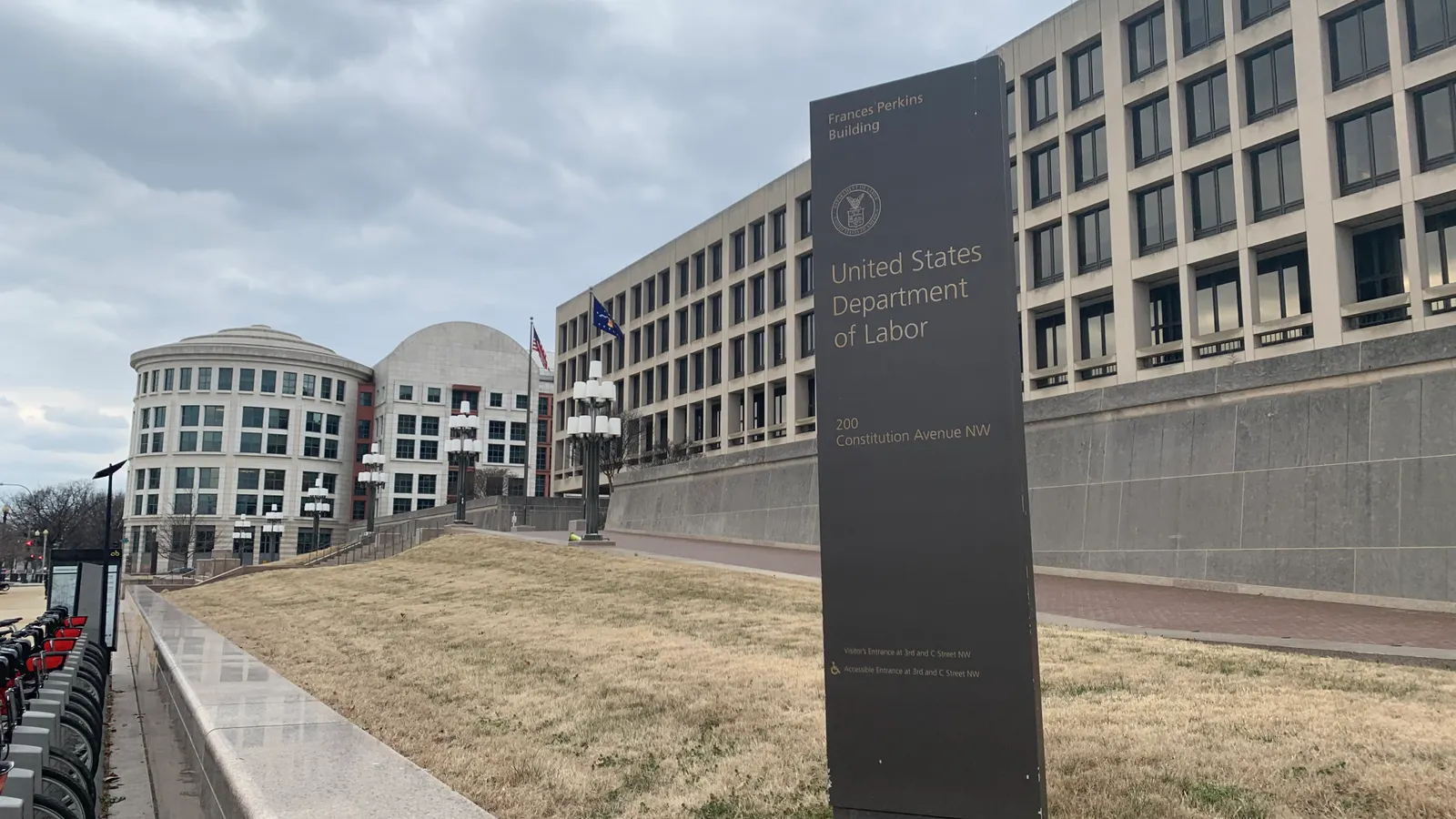
An era of significant change is underway for federal contractors, as the U.S. Department of Labor (DOL) has issued a series of final rules that formally rescind key affirmative action requirements previously mandated under executive orders. These changes, published on August 21, 2026, directly follow through on directives outlined in one of President Donald Trump’s earliest executive orders, which aimed to fundamentally alter the federal government’s approach to antidiscrimination enforcement for entities holding government contracts. The move marks a substantial departure from decades of policy and is expected to have far-reaching implications for how companies ensure diversity, equity, and inclusion within their workforces.
The newly enacted regulations target several cornerstone executive orders, most notably President Lyndon B. Johnson’s 1965 Executive Order 11246, which laid the groundwork for affirmative action in federal contracting. The Trump administration’s 2025 executive order, titled "Ending Illegal Discrimination and Restoring Merit-Based Opportunity," had explicitly called for the elimination of affirmative action programs and other diversity, equity, and inclusion (DEI) initiatives as enforced by the Office of Federal Contract Compliance Programs (OFCCP). This directive has now been codified through the DOL’s final rules, signaling a new landscape for businesses seeking or maintaining federal contracts.
A Shifting Regulatory Landscape: Chronology of Events
The regulatory overhaul began with President Trump’s 2025 executive order. In the immediate aftermath of its publication, the DOL took swift action. On February 10, 2025, the department announced a temporary pause on the OFCCP’s investigation and enforcement activities related to discriminatory hiring practices. The DOL stated at the time that it no longer possessed the legal authority under the rescinded 1965 executive order to conduct such enforcement. This pause created a period of uncertainty for federal contractors, who were left to navigate a rapidly evolving compliance environment.
However, the DOL later clarified its stance on certain aspects of contractor obligations. In July 2025, the department lifted the pause specifically as it pertained to Section 503 of the Rehabilitation Act of 1973 and the Vietnam Era Veterans’ Readjustment Assistance Act of 1974 (VEVRAA). These laws, which aim to protect individuals with disabilities and covered veterans, respectively, retained some enforcement power even as broader affirmative action mandates were being re-evaluated. The subsequent issuance of these final rules formalizes the rescission of many requirements associated with these statutes, while still maintaining prohibitions against outright discrimination.
Key Provisions and Their Impact
The implications of these new rules are multifaceted. For federal contractors, the most significant change is the elimination of several affirmative action requirements that have been in place for decades. While the specific details of each rule vary, the overarching theme is a move away from prescriptive mandates for affirmative action and a greater emphasis on ensuring that all hiring and employment practices are free from illegal discrimination.
Specifically, the final rule targeting the 1965 executive order will become effective on October 26, 2026. The rule concerning Section 503 of the Rehabilitation Act, which focuses on the employment of individuals with disabilities, will take effect on September 21, 2026, with one particular section becoming effective on December 21, 2026. The VEVRAA rule, pertaining to the employment of protected veterans, also becomes effective on September 21, 2026.
Attorneys specializing in employment law have noted that despite the removal of certain requirements, federal contractors are not entirely absolved of their responsibilities. For instance, regarding Section 503, legal experts at Jackson Lewis pointed out in an analysis published on the same day as the rules’ release that contractors will still be obligated to take affirmative action to employ and advance qualified individuals with disabilities. Furthermore, they must continue to diligently assess the effectiveness of their recruitment efforts and outreach programs targeting such individuals. This suggests a shift from prescribed numerical goals or self-identification requirements to a focus on proactive efforts and demonstrable outcomes in ensuring an inclusive workforce.

Broader Context: The Anti-DEI Executive Order and Ongoing Litigation
It is crucial to distinguish the executive order that led to these DOL rules from another significant directive issued by the Trump administration in March 2025. That earlier order mandated that federal contractors avoid engaging in discriminatory DEI programs, threatening contract cancellation for non-compliance. This directive spurred considerable debate and legal challenges, with at least one lawsuit filed arguing that the anti-DEI order violates constitutional principles. Litigation concerning that order is ongoing, highlighting the broader legal and political battles surrounding DEI initiatives in the federal contracting space.
The current set of rules from the DOL, therefore, represents a more specific regulatory action focused on the mechanics of affirmative action rather than a blanket prohibition on DEI. However, legal observers at Ogletree Deakins have cautioned that the new rules do not eliminate the fundamental prohibitions against discrimination found in Title VII of the Civil Rights Act of 1964, nor do they supersede existing federal, state, and local anti-discrimination laws. This means that while the methods of ensuring diversity may be changing, the underlying commitment to equal opportunity remains a legal imperative.
Analysis of Implications for Federal Contractors
The rescission of affirmative action requirements represents a fundamental shift in the compliance obligations for hundreds of thousands of federal contractors. Historically, affirmative action plans (AAPs) have required contractors to analyze their workforce, identify potential areas of underutilization of women and minorities, and develop specific strategies to address these disparities. This often involved setting numerical goals for recruitment, hiring, and promotion.
The elimination of these prescriptive elements could lead to several outcomes. Some contractors may see this as an opportunity to streamline their compliance efforts and reduce administrative burdens. The focus may shift from detailed statistical analysis and goal-setting to more qualitative assessments of recruitment strategies and outreach efforts. Companies that already have robust DEI programs in place that are not solely reliant on traditional affirmative action metrics may find the transition less disruptive.

Conversely, some experts worry that the removal of explicit mandates could lead to a decline in diversity and inclusion efforts for some contractors, particularly those who viewed compliance with affirmative action as a primary driver for their DEI initiatives. The absence of clear, quantifiable goals may make it more challenging for both contractors and regulatory bodies to monitor progress in achieving a diverse workforce. The emphasis on "outreach" and "assessment of recruitment efforts" could be subject to varying interpretations, potentially leading to inconsistencies in enforcement and compliance.
Data from the Bureau of Labor Statistics consistently shows that while the overall workforce has become more diverse, disparities persist across various industries and job levels. For example, in 2024, women held approximately 50.8% of all jobs in the U.S., but their representation in senior management and STEM fields remained significantly lower than men. Similarly, minority groups, while growing in population, often face persistent wage gaps and underrepresentation in leadership positions. The impact of these new regulations on these existing demographic trends within the federal contracting sector will be a critical area to monitor in the coming years.
The U.S. Department of Labor’s decision to rescind these affirmative action requirements marks a significant turning point in federal contracting policy. While the stated aim is to streamline compliance and align with the administration’s broader vision of merit-based opportunity, the practical implications for contractors are substantial. The coming months and years will reveal how these changes reshape the landscape of diversity and inclusion within the vast network of businesses that serve as federal contractors, and whether the spirit of equal opportunity can be effectively maintained through alternative compliance mechanisms. The ongoing legal challenges to related executive orders further underscore the contentious nature of these policy shifts and the potential for continued legal and regulatory evolution.
About the Author