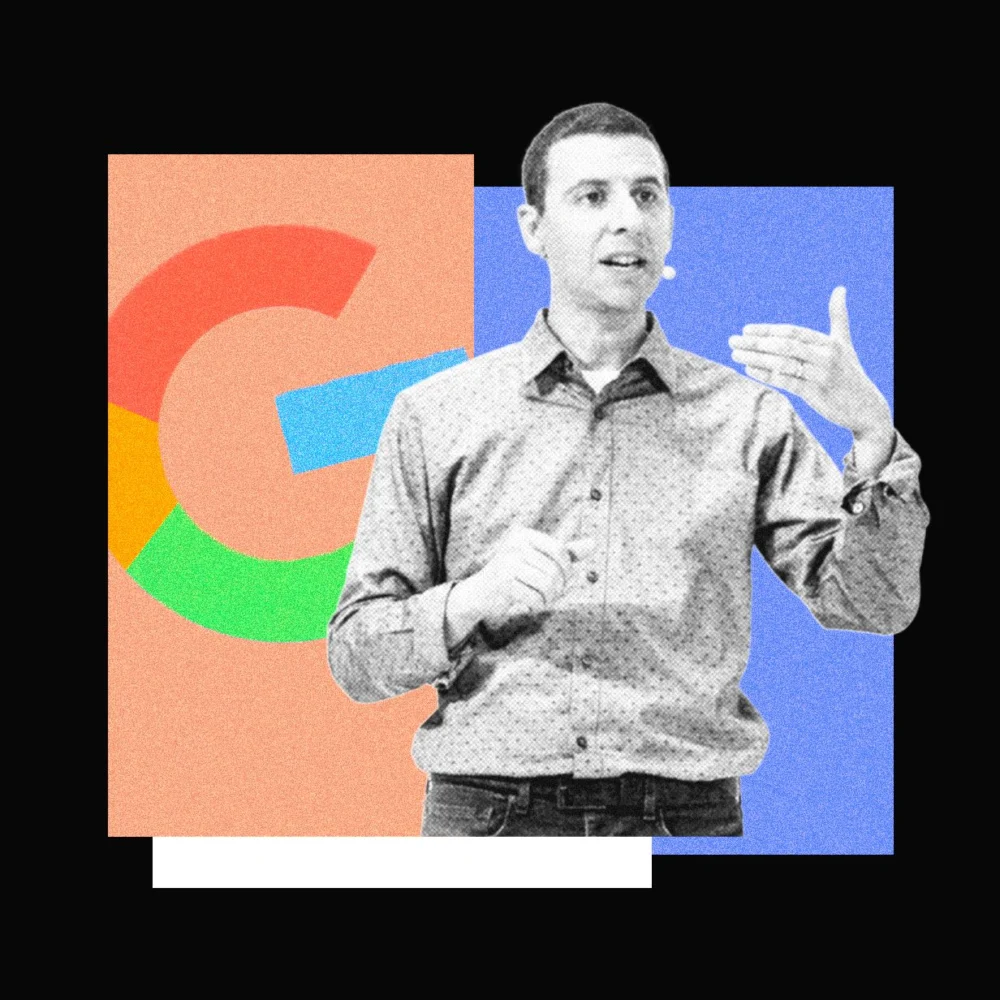
Google is signaling a significant shift in its long-term strategy for the Gemini artificial intelligence platform, indicating that the introduction of advertising is no longer a matter of "if" but "when." For months, high-ranking executives at the Mountain View-based technology giant have maintained that there were no immediate plans to monetize the Gemini app through traditional advertising. However, in a recent disclosure, Nick Fox, Google’s Senior Vice President of Knowledge and Information, clarified that the company is "not ruling them out," marking a departure from previous definitive denials and highlighting the evolving nature of the AI-driven economy.
This strategic pivot comes as Gemini’s adoption enters a period of hyper-growth. The platform has reportedly surpassed 750 million monthly active users, a staggering increase from the 350 million users recorded in March of the previous year. This rapid scaling puts Google in a powerful position to challenge OpenAI, which, despite having a massive weekly active user base of approximately 900 million, faces mounting pressure to achieve aggressive revenue targets. As the competition for AI dominance intensifies, the industry is closely watching how the world’s largest advertising company will integrate commercial interests into its most advanced conversational interface.
The Evolution of Google’s AI Monetization Strategy
The conversation around ads in Gemini has been a point of contention and speculation since the platform’s inception. Only weeks ago, at the World Economic Forum in Davos, Google DeepMind CEO Demis Hassabis attempted to quell rumors by stating the company had "no plans" to implement ads within the chatbot. This stance was largely seen as a move to protect the user experience and maintain a distinction between the "assistant" nature of Gemini and the "utility" nature of Google Search.
However, the internal logic at Google appears to be shifting toward a unified experience. According to Fox, the company is currently using its "AI Mode"—the generative search product integrated into the standard Google Search experience—as a laboratory for advertising experimentation. The insights gained from how users interact with ads in these AI-powered search overviews are expected to serve as the blueprint for eventual integration into the standalone Gemini application.
The core philosophy guiding this transition is rooted in Google’s historical success with Search. Fox noted that internal research suggests users find ads helpful when they are contextually relevant to their queries. By treating Gemini as an extension of the Search ecosystem rather than a separate silo, Google intends to apply two decades of advertising expertise to the generative AI era.
Comparative Growth and Market Dynamics
The competitive landscape of the AI industry is currently defined by two different approaches to sustainability. OpenAI, the creator of ChatGPT, has already begun testing advertisements on its free tier in the United States. This move is driven by a reported necessity to more than double its $30 billion revenue forecast by 2026 to offset the massive capital expenditures required for model training and infrastructure.
In contrast, Google is operating from a position of financial strength. In 2025, Alphabet, Google’s parent company, reported a historic milestone, generating more than $400 billion in annual revenue. This financial cushion allows Google the "luxury" of prioritizing product refinement and user acquisition over immediate monetization.
| Metric | Google Gemini | OpenAI (ChatGPT) |
|---|---|---|
| Monthly Active Users | 750 Million | Undisclosed (900M Weekly) |
| 2025 Revenue (Parent) | $400B+ | ~$10B – $15B (Estimated) |
| Ad Integration Status | Testing in AI Mode | Testing in Free Tier |
| Primary Strategy | Search Ecosystem Extension | Direct Monetization / Subscriptions |
While Google’s user growth is impressive—nearly doubling in less than a year—the company remains cautious. The challenge lies in maintaining the "magical" feel of AI interactions while introducing commercial content that does not feel intrusive or detrimental to the quality of information provided.
Technical Implementation: How AI Enhances Advertising
The integration of Gemini into Google’s advertising backend is already yielding results, even before ads appear in the chatbot interface. Fox identified three primary areas where AI is currently transforming the business:
- Predictive Quality: Gemini models are being used to predict the performance of ads with higher accuracy. By analyzing a user’s query intent, the AI can better determine if a user is likely to click or convert, thereby increasing the value of the ad placement for the advertiser and the relevance for the user.
- Creative Automation for SMBs: Small and medium-sized businesses often lack the resources to optimize keywords and creative assets. Google is deploying AI tools that automatically generate optimal ad copy and creative elements based on the business’s goals and the specific context of user searches.
- Experimental Placements: Through "AI Mode," Google is testing how ads can be woven into narrative responses. These experiments prioritize relevance; Fox noted that if an ad is not deemed useful to the specific conversation, it is simply not shown.
Personal Intelligence and the Privacy Frontier
One of the most ambitious features recently launched by Google is "Personal Intelligence." This functionality allows Gemini to access a user’s Gmail, Google Photos, and Calendar to provide deeply contextualized assistance. For example, a user asking for travel advice might receive suggestions based on past hotel receipts found in their email or specific dates available on their calendar.
The potential for advertising within this "Personal Intelligence" framework is a subject of intense scrutiny. While the data remains private and is not sold to advertisers, the ability for an AI to understand a user’s specific life context creates a "holy grail" for targeted advertising. Fox confirmed that while Personal Intelligence is currently an opt-in feature, the company is still determining how these personalized insights will interact with the broader Search experience.
Google has emphasized that user trust is paramount. The company maintains that private data from emails and photos will not be shared with advertisers, but it is exploring how ads can be made "consistent with the organic response." For instance, if the AI knows a user owns a specific brand of outdoor gear through a receipt in their Gmail, it might prioritize showing relevant accessories or maintenance services for that specific brand within an AI-generated response.
Industry Dissent and Ethical Considerations
Not all players in the AI space agree with the ad-supported model. Anthropic, a major competitor, recently aired a high-profile commercial during the Super Bowl that critiqued the impact of advertising on AI integrity. The commercial suggested that the pressure to serve advertisers could lead to biased or "hallucinated" recommendations that favor paying partners over objective truths.
Similarly, the AI search startup Perplexity recently announced it would cease experimenting with certain ad formats following concerns over user trust. These industry reactions highlight a growing divide between companies that view AI as a neutral utility and those, like Google, that view it as the next evolution of the commercially-funded internet.
The ethical debate centers on "algorithmic transparency." If an AI assistant recommends a product, users need to know if that recommendation is based on the model’s objective analysis or a paid placement. Google’s current stance is that all ads will remain clearly labeled and distinct from organic results, a practice it has maintained in traditional Search for over two decades.
Implications for the Future of Information Retrieval
As Google moves toward a "seamless, holistic Search experience," the boundaries between different products are beginning to blur. The distinction between a traditional Google Search, an AI Overview, and a conversation with Gemini is expected to diminish.
In this future, the "personal assistant" and the "search engine" become one entity. For Google, this convergence represents the ultimate realization of its mission to organize the world’s information. However, the success of this vision depends on whether the company can successfully navigate the transition to an ad-supported AI model without alienating the 750 million users who have flocked to the platform for its speed and utility.
The financial trajectory suggests that Google is in no rush to force ads into Gemini, but the infrastructure for doing so is being built in real-time. As the company continues to push the boundaries of Personal Intelligence and AI-driven search, the integration of commerce into the conversational interface appears inevitable. For the advertising industry, this represents the most significant opportunity since the invention of the search engine itself. For the user, it marks a new chapter in the digital age where the line between helpful assistance and targeted marketing becomes increasingly thin.
About the Author