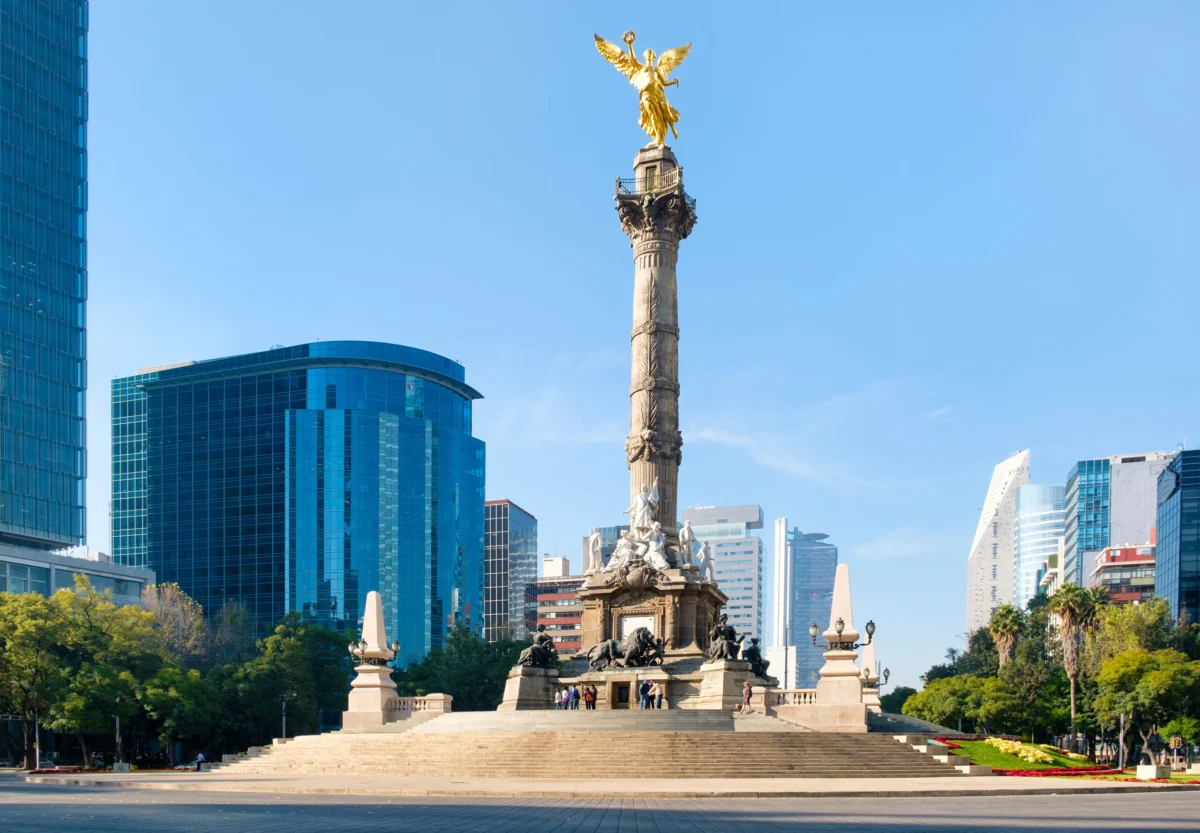
In a strategic move to overhaul the aging frameworks of global commerce, senior policymakers and business leaders gathered in the Mexican capital this week to advance a comprehensive agenda aimed at modernising the global trade architecture. The high-level roundtable, organised by the International Chamber of Commerce (ICC) in collaboration with its national chapter, ICC Mexico, served as a critical forum for the Americas to contribute to the "ICC Compact for Trade, Growth and Jobs." This initiative represents a private-sector-led effort to ensure that the multilateral trading system remains resilient, inclusive, and technologically equipped to handle the demands of the 21st-century global economy.
The Mexico City dialogue marks the third major regional engagement in a global series designed to build consensus on trade reform. Following successful summits in Singapore, which focused on the ASEAN region, and Dubai, which addressed the Middle East and North Africa (MENA), the Americas roundtable brought a unique set of challenges and opportunities to the forefront. The primary objective was to move beyond the preservation of legacy systems and instead focus on optimising trade infrastructure for future growth, particularly for small- and medium-sized enterprises (SMEs).
A Strategic Chronology of Global Trade Revitalisation
The Mexico City roundtable is part of a deliberate and sequenced strategy by the ICC to gather regional insights before the 14th Ministerial Conference (MC14) of the World Trade Organization (WTO), scheduled to take place in Cameroon. The journey began in Singapore, where the ICC engaged with ASEAN leaders to discuss the integration of digital standards and the removal of non-tariff barriers in Southeast Asia’s rapidly growing markets. This was followed by the Dubai session, which explored how the MENA region could leverage trade to diversify economies away from hydrocarbon dependence.
The convening in Mexico City represents the culmination of this regional outreach for the Western Hemisphere. By bringing together representatives from North, Central, and South America, as well as the Caribbean, the ICC has created a holistic map of the global business community’s requirements. This chronological approach ensures that the "ICC Compact for Trade, Growth and Jobs" is not merely a theoretical document but a practical roadmap informed by the diverse economic realities of different geographic blocks.
Regional Disparities and the Case for Intra-Regional Integration
One of the most striking points of discussion during the roundtable was the stark contrast in trade integration across the Americas. Data presented during the sessions highlighted a significant imbalance: while nearly 60% of trade in North America—driven largely by the United States-Mexico-Canada Agreement (USMCA)—is intra-regional, only about 15% of exports from Latin America and the Caribbean remain within the region.
This disparity suggests a massive untapped potential for economic growth. Policymakers noted that while North America has successfully built deep supply chain linkages, South and Central American nations often face higher barriers to trade with their immediate neighbours than they do with distant partners in Europe or Asia. The ICC Compact identifies the harmonisation of customs procedures and the modernization of rules of origin as "quick wins" that could bridge this gap. By streamlining these processes, the region could foster a more integrated economic ecosystem, reducing reliance on volatile global shipping routes and enhancing regional food and energy security.
Addressing the SME Participation Gap
A central pillar of the discussions in Mexico City was the role of small- and medium-sized enterprises (SMEs). Across the Americas, SMEs constitute more than 90% of all businesses and are the primary engines of employment. However, the roundtable revealed a troubling statistic: only an estimated 10% to 15% of these firms participate directly in cross-border trade.
The barriers to entry for SMEs are multifaceted. Participants identified high compliance costs, lack of access to affordable trade finance, and complex regulatory environments as the primary hurdles. For a small business in Peru or Guatemala, the cost of navigating international trade law and logistics can often outweigh the potential profits of exporting.
ICC Secretary General John W.H. Denton AO emphasised that the goal of the initiative is to build an inclusive approach that works for businesses of all sizes. "We are not talking about the trading system to preserve the legacy of the past, but instead to optimise for the future," Denton stated. He argued that the infrastructure of global trade must be "fit for purpose," meaning it must be accessible to the millions of small entrepreneurs who currently find themselves on the periphery of the global marketplace.
The Digital Revolution as a Catalyst for Trade
The digital transformation of trade emerged as a key theme for unlocking value across the hemisphere. The roundtable explored how the adoption of digital trade documents, electronic signatures, and paperless customs processing could drastically reduce the time and cost of moving goods across borders.
The "digital revolution" is no longer a futuristic concept but a present-day necessity. Discussions focused on the implementation of the UNCITRAL Model Law on Electronic Transferable Records (MLETR), which provides a legal framework for the use of electronic versions of documents like bills of lading. If adopted widely across the Americas, this could save billions of dollars in administrative costs and reduce the "trade finance gap"—the difference between the demand for and supply of trade credit—which disproportionately affects SMEs in developing economies.
Furthermore, the digital agenda includes the promotion of e-commerce as a tool for social mobility. By enabling a small artisan in the Caribbean or a tech startup in Chile to sell directly to global consumers, digital trade can democratise economic opportunities in ways that traditional industrial trade could not.
Sustainable Industrial Transformation and Green Trade
As global concerns over climate change intensify, the roundtable also addressed the intersection of trade and sustainability. The Americas, home to some of the world’s most biodiverse regions and significant critical mineral reserves, are uniquely positioned to lead in the "green trade" space.
Participants discussed how the multilateral trading system can support sustainable industrial transformation. This involves creating clear rules for trade in environmental goods and services, as well as ensuring that carbon-border adjustment mechanisms do not become disguised forms of protectionism. The ICC Compact advocates for a trade system that rewards sustainable practices and facilitates the transfer of green technologies to developing nations, ensuring that the transition to a low-carbon economy is both equitable and efficient.
The Road to WTO Reform and MC14
The timing of the Mexico City roundtable is significant, as it occurs amidst growing calls for a fundamental reform of the World Trade Organization. The ICC has been a vocal advocate for revitalising the WTO’s dispute settlement mechanism and updating its rulebook to reflect the realities of the modern economy.
In preparation for the 14th Ministerial Conference in Cameroon, the ICC has issued a "Global Business Statement" and a "Call for Action," backed by 145 chambers of commerce and business associations worldwide. These documents outline a business-friendly reform process that prioritises transparency, the renewal of the moratorium on customs duties on electronic transmissions, and the inclusion of private-sector insights in policy drafting.
The consensus in Mexico City was that the WTO remains the indispensable "referee" of global trade, but it requires a significant "software update." The ICC Compact aims to provide the technical and political pathway for this update, ensuring that the multilateral system can resolve trade tensions through negotiation rather than unilateral tariffs or trade wars.
Official Responses and Stakeholder Perspectives
The roundtable saw participation from a wide array of stakeholders, including government officials from Mexico’s Secretariat of Economy and business leaders from major multinationals and regional trade bodies. While the specific deliberations were held behind closed doors to encourage candid dialogue, the general sentiment was one of "cautious optimism."
Regional business leaders expressed that for the first time in years, there is a coordinated effort to align the needs of the private sector with the policy goals of international organisations. Representatives from ICC Mexico noted that the roundtable provided a vital platform for Latin American voices to be heard on the global stage, ensuring that the specific logistical and regulatory challenges of the region are integrated into the ICC’s global advocacy.
Government representatives acknowledged the importance of the ICC Compact in providing a "bottom-up" perspective on trade policy. By identifying specific "pain points" for businesses—such as inconsistent rules of origin or the lack of digital interoperability—the ICC is helping governments prioritise reforms that will have the most immediate impact on economic growth.
Broader Implications and Future Outlook
The success of the Mexico City roundtable suggests that there is a strong appetite for a renewed multilateralism that is practical, inclusive, and forward-looking. The insights gathered will be synthesised into the final recommendations of the ICC Compact, which will be presented to global leaders throughout the year.
The implications for the Americas are profound. If the recommendations of the Compact are implemented, the region could see a significant increase in intra-regional trade, a surge in SME participation in global value chains, and a faster transition to a digital and green economy. This would not only create jobs and stimulate growth but also make the region more resilient to external shocks, such as global supply chain disruptions or geopolitical instability.
As the ICC continues its work with governments and business communities across the hemisphere, the focus remains on turning dialogue into tangible initiatives. Whether through the promotion of trade finance solutions or the advocacy for digital standards, the goal is clear: to build a global trade infrastructure that is not just a relic of the 20th century, but a powerful engine for 21st-century prosperity. The journey from Singapore to Dubai, and now to Mexico City, underscores a universal truth in the modern world: while trade may face challenges, the desire for a more connected and prosperous global community remains stronger than ever.
About the Author