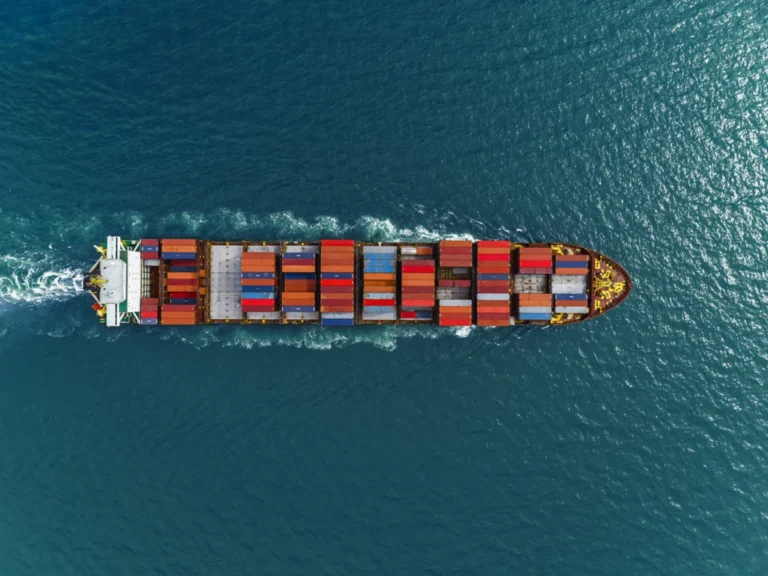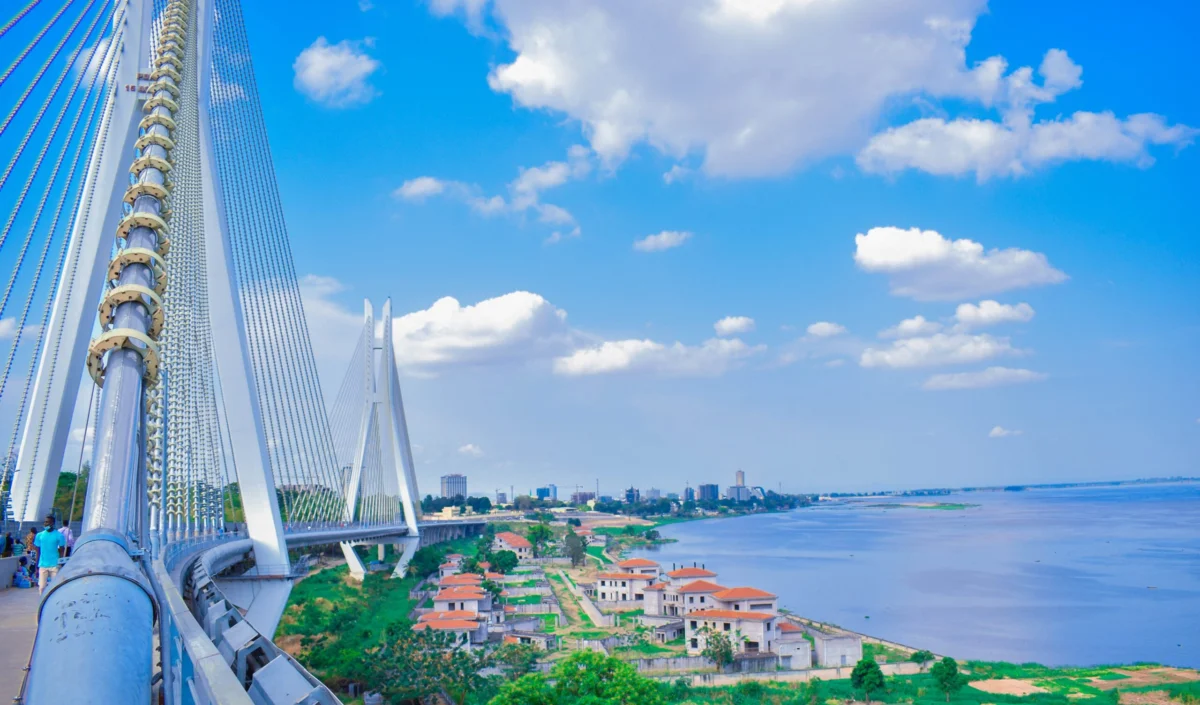
The International Chamber of Commerce (ICC) has officially announced the establishment of a new national committee in the Democratic Republic of Congo (DRC), marking a significant milestone in the integration of Central Africa’s largest economy into the global commercial framework. This strategic move aligns with the ICC’s overarching global mission to make business work for everyone, every day, and everywhere. By establishing a formal presence in the DRC, the ICC aims to facilitate international trade and investment through the promotion of a level playing field, the provision of specialized trade-related services, and the creation of a robust platform for dialogue between local entrepreneurs and the international business community.
The launch of ICC Democratic Republic of Congo comes at a pivotal moment for the nation, which is currently positioning itself as a central player in the global transition toward green energy. To lead this initiative, the ICC has appointed Eric Kalala as the inaugural Chair of the national committee. Mr. Kalala brings a wealth of experience to the role, currently serving as the Chief Executive Officer of Entreprise Générale du Cobalt (EGC). EGC is a state-mandated entity responsible for the artisanal cobalt sector, a commodity that is indispensable to the global electric vehicle battery industry and the broader renewable energy landscape.
Leadership and Governance Structure
The appointment of Eric Kalala is seen as a strategic choice, given his extensive background in the logistics and financial sectors. Prior to his leadership at EGC, Mr. Kalala built a distinguished career at the Bolloré Group (now AGL), a powerhouse in African transport and logistics. During his tenure there, he occupied several high-level positions in finance and corporate governance before ascending to the roles of Managing Director, and eventually, Chairman and CEO. His deep understanding of the complexities of African supply chains and international regulatory environments is expected to be a cornerstone of the ICC DRC’s operations.
The formation of the national committee was also significantly championed by Patricia Nzolantima, a member of the ICC Executive Board and a prominent figure in the African business world. Ms. Nzolantima, who serves as the Director General of Bizzoly Holdings, will maintain an active role on the board of ICC DRC. Her involvement underscores the ICC’s commitment to fostering female leadership and entrepreneurial diversity within the region.
The board of the ICC Democratic Republic of Congo is composed of a diverse array of leaders representing the most critical sectors of the Congolese economy. This multi-sectoral approach ensures that the committee can address the specific challenges and opportunities within various industries. The founding members include:
- Willy Mulamba, CEO of Equity-BCDC DRC (Banking)
- Benjamin Katabuka, CEO of Kobold (Mining and Logistics)
- David Tshilumba, CEO of Regideso SA (Public Utilities/Water)
- Hugo-Patrick Sinza, Deputy General Manager of CMOC TFM Group (Mining)
- Mireille Kabamba, Director General of Canal+ DRC (Media and Telecommunications)
- Cyrille Mutombo, CEO of Kibali Gold/Barrick Gold DRC (Mining)
- Milad Khairallah, Director General of Africell DRC (Telecommunications)
- Ben Cheick Haidara, Director General of Orange DRC (Telecommunications)
Strategic Objectives: Trade Facilitation and Economic Growth
In his inaugural statement, Mr. Kalala emphasized the critical timing of this initiative. He noted that in an era of heightened globalization and intense economic competition, providing national companies with structured and supported access to international markets is no longer optional. Instead, it is an essential lever for sustainable growth, job creation, and the comprehensive development of the DRC’s private sector.
The ICC DRC will focus on several key pillars to achieve these goals:
- Harmonization of Commercial Practices: By implementing ICC’s globally recognized standards, such as the Incoterms® rules, the national committee will help Congolese businesses reduce transactional friction and avoid costly misunderstandings in international trade contracts.
- Arbitration and Dispute Resolution: One of the most significant advantages for members will be access to the ICC International Court of Arbitration. In a region where legal systems can sometimes be perceived as complex for foreign investors, the availability of neutral, world-class dispute resolution mechanisms is vital for attracting Foreign Direct Investment (FDI).
- Policy Advocacy: The committee will host various policy commissions that track national legislative developments. These commissions will feed into the ICC’s global advocacy programs, ensuring that the voice of the Congolese business community is heard at the United Nations, the World Trade Organization (WTO), and the G20.
- Export Support: The ICC will provide training and resources to local Small and Medium Enterprises (SMEs), helping them navigate the complexities of international export regulations and quality standards.
Background Context: The DRC’s Economic Significance
The Democratic Republic of Congo is often described as a "geological scandal" due to its immense mineral wealth. It holds more than 70% of the world’s known cobalt reserves and is a leading producer of high-grade copper, gold, and diamonds. However, despite these assets, the nation has historically faced challenges in translating its natural resource wealth into broad-based economic prosperity.
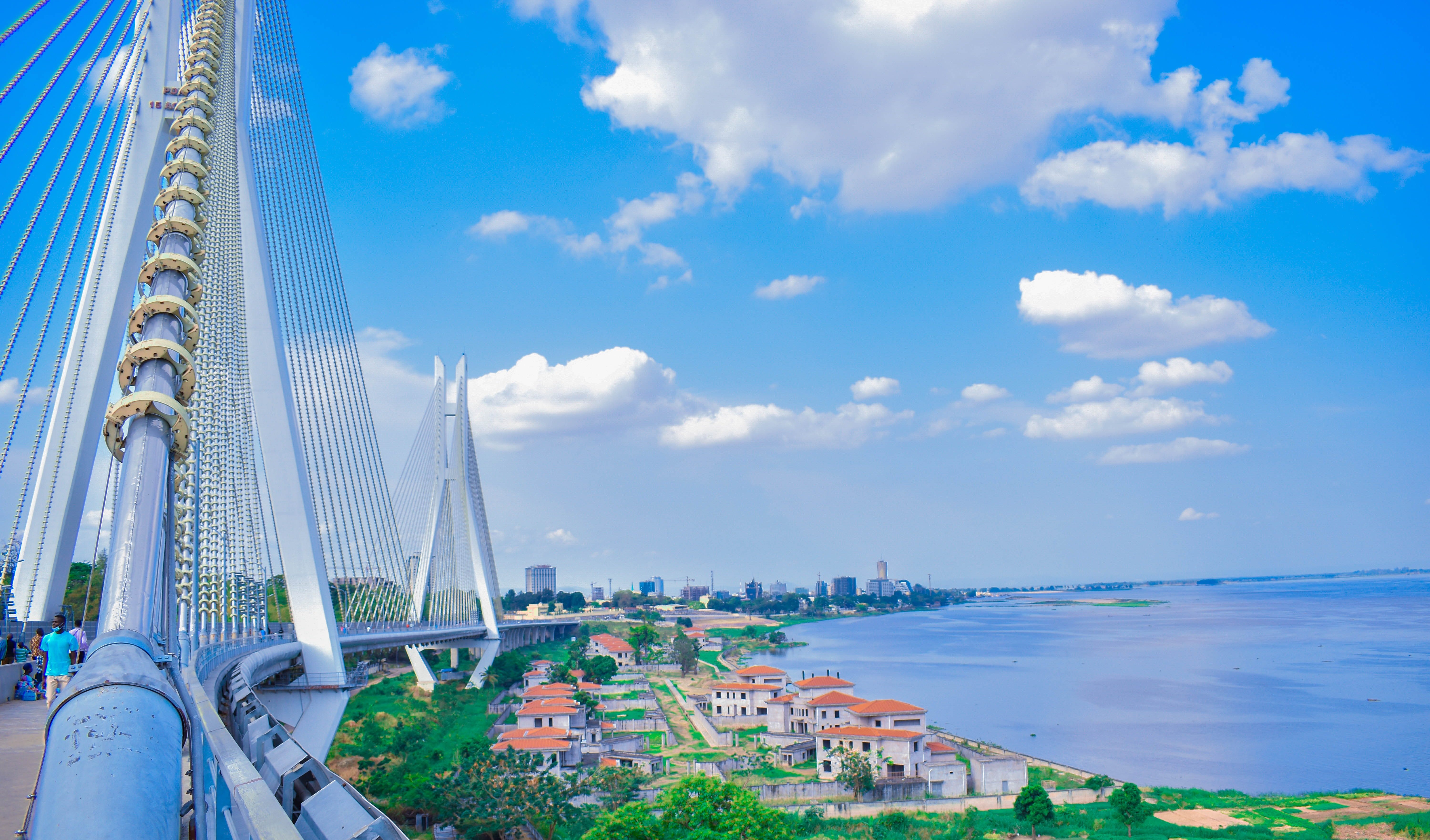
In recent years, the Congolese government has made concerted efforts to formalize its economy and improve its "Ease of Doing Business" rankings. The establishment of the ICC national committee is viewed by analysts as a major step toward institutionalizing these improvements. By aligning local business practices with international norms, the DRC can move away from being viewed solely as an extraction-based economy toward becoming a sophisticated participant in the global value chain.
Furthermore, the DRC’s recent entry into the East African Community (EAC) and its participation in the African Continental Free Trade Area (AfCFTA) create a massive opportunity for regional integration. The ICC DRC will act as a bridge, helping local firms leverage these trade agreements to access a market of over 1.3 billion people across the continent.
Supporting Data and Economic Indicators
The economic potential of the DRC is reflected in its recent performance metrics. According to the World Bank, the DRC’s economy showed remarkable resilience with a GDP growth rate of approximately 8.6% in 2022 and continued strong performance into 2023, largely driven by the mining sector.
- Mining Dominance: Mining accounts for nearly 95% of the DRC’s export earnings. The involvement of leaders from Barrick Gold and CMOC TFM on the ICC board ensures that this vital sector is aligned with global transparency and sustainability standards (ESG).
- Telecommunications Surge: With a population nearing 100 million, the DRC represents one of the fastest-growing telecommunications markets in Africa. The presence of Africell and Orange on the ICC board highlights the importance of digital trade and mobile financial services in the country’s economic future.
- Banking Expansion: The merger that created Equity-BCDC has resulted in one of the largest financial institutions in the region, providing the liquidity and trade finance necessary to support the ICC’s goals of international expansion for local firms.
Broader Impact and Global Implications
The global business community has reacted positively to the news. The ICC’s network now spans 93 countries, and the addition of the DRC strengthens the organization’s footprint in Sub-Saharan Africa. For international investors, the presence of an ICC national committee serves as a "seal of quality." it signals that the local business environment is committed to the rule of law, ethical commercial conduct, and international best practices.
The focus on cobalt via Mr. Kalala’s leadership also has profound implications for the global energy transition. As Western and Asian economies race to secure supply chains for lithium-ion batteries, the ICC DRC can play a role in ensuring that these supply chains are not only efficient but also ethically managed. By promoting the ICC’s guidelines on responsible sourcing and anti-corruption, the committee can help mitigate the reputational risks often associated with mining in Central Africa.
Future Outlook and Administrative Steps
The immediate next step for the ICC Democratic Republic of Congo is the recruitment of a Secretary General. This individual will be responsible for the day-to-day operations, managing the secretariat, and coordinating the activities of the various policy commissions. The search is expected to attract high-caliber professionals with experience in international law, economics, or trade diplomacy.
As the committee begins its work, it will prioritize membership drives to include not only large conglomerates but also the burgeoning sector of tech startups and agricultural exporters. The long-term vision is to transform the DRC into a hub for Central African trade, utilizing its strategic location and vast resources to foster a period of unprecedented "peace, prosperity, and opportunity for all," in line with the ICC’s institutional purpose.
By bridging the gap between Kinshasa and the global financial centers of Paris, New York, and Geneva, the ICC DRC is set to redefine the narrative of the Congolese private sector. Through structured dialogue, rigorous arbitration, and the harmonization of trade rules, the national committee will empower Congolese businesses to compete and thrive on the world stage, ensuring that the nation’s vast potential is finally realized through inclusive and sustainable economic growth.
About the Author