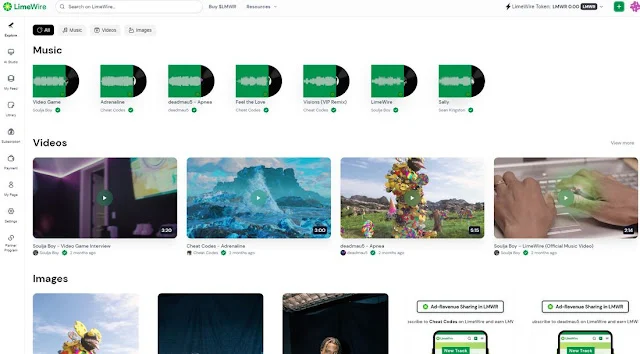
The digital landscape is witnessing a significant transformation as LimeWire, a name once synonymous with the peer-to-peer file-sharing era of the early 2000s, re-emerges as a sophisticated AI-driven content publishing platform. This strategic pivot marks a departure from its controversial origins, positioning the brand at the intersection of generative artificial intelligence and Web3 technology. By offering a comprehensive suite of tools for image generation, and with plans to expand into music and video, LimeWire is attempting to redefine the creator economy by providing integrated monetization through ad-revenue sharing and blockchain-based ownership.
The Evolution of LimeWire: From P2P to AI Ecosystem
To understand the current trajectory of LimeWire, one must look at its historical context. Founded in 2000, the original LimeWire was a central figure in the digital music revolution, facilitating the exchange of files across the Gnutella network. However, following a protracted legal battle with the Recording Industry Association of America (RIAA), the service was shuttered by a federal court injunction in 2010.
The brand remained dormant for over a decade until its intellectual property was acquired by Austrian entrepreneurs Paul and Julian Zehetmayr in 2022. The new leadership sought to leverage the brand’s global recognition while fundamentally altering its utility. The modern LimeWire is not a file-sharing application but a centralized "AI Studio" designed to empower creators. This evolution reflects broader industry trends where legacy digital brands are being repurposed to serve the burgeoning markets of artificial intelligence and decentralized finance.
Technical Infrastructure of the LimeWire AI Studio
The cornerstone of the platform is the LimeWire AI Studio, a multi-model environment that allows users to generate high-fidelity digital art. Unlike platforms that rely on a single proprietary engine, LimeWire has integrated several of the industry’s leading generative models, providing a versatile toolkit for diverse artistic requirements.
Supported AI Models and Artistic Styles
At present, the platform supports:
- Stable Diffusion 2.1 and XL: These models are renowned for their ability to produce photorealistic images and complex compositions based on detailed text prompts.
- DALL-E 2 and 3: Developed by OpenAI, these models excel in understanding nuanced linguistic instructions and generating creative, stylistically diverse imagery.
- Proprietary Development: LimeWire has confirmed it is developing its own proprietary AI model, which aims to optimize the balance between processing speed and visual fidelity, specifically tailored for the platform’s community.
The interface allows users to toggle between various aesthetic styles, including cinematic, digital art, pixel art, anime, and analog film. Furthermore, advanced settings such as "samplers" and "prompt guidance" scales allow professional designers to fine-tune the quality and detail of the output, moving beyond simple text-to-image generation into the realm of precise digital craftsmanship.
The Integration of Blockchain and NFT Technology
A defining feature of the LimeWire ecosystem is its automated "minting" process. Every piece of content generated or uploaded to the platform can be converted into a Non-Fungible Token (NFT) on the Polygon or Algorand blockchains. This process occurs seamlessly in the background, lowering the technical barrier for creators who may not be familiar with the complexities of smart contracts or crypto wallets.
Digital Ownership and Royalties
By utilizing blockchain technology, LimeWire provides an immutable record of authenticity and ownership. This is particularly relevant in the age of AI, where the provenance of digital assets is often questioned.
- Public vs. Private Distribution: Creators can choose to release their work to the public or restrict access to "premium subscribers."
- Secondary Market Royalties: One of the most significant benefits for creators is the 2.5% royalty fee programmed into the NFTs. Every time an asset is resold on the LimeWire marketplace or compatible secondary platforms, the original creator receives a percentage of the sale price, ensuring long-term monetization of their intellectual property.
The choice of Polygon and Algorand is strategic. Both blockchains are known for their low transaction ("gas") fees and high energy efficiency compared to the Ethereum mainnet, making frequent minting and trading economically viable for smaller creators.
The Economic Model: Ad Revenue and LMWR Tokens
LimeWire has introduced a multi-layered monetization strategy that distinguishes it from competitors like Midjourney or Canva. While most platforms operate on a strictly subscription-based model, LimeWire incorporates an ad-revenue sharing program.
Revenue Distribution
When a creator publishes content on the LimeWire Studio, they become eligible to receive up to 70% of the ad revenue generated by users viewing their content. This model mirrors the incentive structures of platforms like YouTube but applies them to static images and, eventually, music and video. This creates a passive income stream for designers, incentivizing the production of high-quality, engaging content that attracts traffic.
The LMWR Cryptocurrency
Central to this economy is the LMWR token, LimeWire’s native cryptocurrency.
- Earnings: Revenue from ads and NFT sales is paid out monthly in LMWR.
- Utility: The token can be used within the platform to purchase "credits" for AI generation.
- Liquidity: LMWR is traded on several major global cryptocurrency exchanges, including Kraken, ByBit, and UniSwap, allowing creators to convert their digital earnings into fiat currency or other crypto assets.
Subscription Tiers and Accessibility
To accommodate a wide range of users, from hobbyists to professional studios, LimeWire offers a tiered pricing structure. While a free version exists, premium plans offer enhanced capabilities and a higher share of the platform’s economic output.
- Free Plan: Provides 10 credits (approximately 20 images per day) and a 50% ad revenue share.
- Basic ($9.99/mo): 1,000 credits, early access to new models, and a 50% revenue share.
- Advanced ($29/mo): 3,750 credits and a 60% revenue share.
- Pro ($49/mo): 5,000 credits and a 70% revenue share.
- Pro Plus ($99/mo): 11,250 credits, designed for high-volume content creators and commercial entities.
All premium tiers include "Pro" profile badges, faster processing times, and an ad-free browsing experience for the creator.
Strategic Partnerships and Market Positioning
The platform has already gained traction among established artists. Figures such as Deadmau5, Soulja Boy, and Sean Kingston have utilized LimeWire to release NFT-based music and visual content. This involvement from high-profile figures serves as a validation of the platform’s potential to bridge the gap between traditional media and the new digital frontier.
By positioning itself as a "Studio" rather than just a tool, LimeWire is competing for a share of the creator economy, which industry analysts estimate to be worth over $250 billion. The platform’s ability to handle the entire lifecycle of content—from generation and hosting to minting and monetization—provides a "one-stop-shop" utility that many decentralized alternatives currently lack.
Future Outlook: Expanding into Music and Video
The next phase of LimeWire’s development involves the launch of AI-powered music and video generation tools. Given the brand’s historical ties to the music industry, the expansion into audio AI is highly anticipated. This will likely involve tools for automated composition, stem generation, and AI-assisted mastering, all integrated with the same NFT and revenue-sharing frameworks currently applied to images.
As generative AI continues to face scrutiny regarding copyright and the "fair use" of training data, LimeWire’s focus on a closed, creator-centric ecosystem where ownership is tracked on-chain may provide a template for more ethical AI implementation.
Impact and Implications for the Creative Industry
The emergence of the LimeWire AI Studio reflects a broader democratization of creative tools. By lowering the technical and financial barriers to producing high-quality digital assets, the platform allows individuals without formal training in graphic design or music production to participate in the digital economy.
However, this shift also presents challenges. The ease of content production may lead to market saturation, making it more difficult for individual creators to gain visibility. Furthermore, the reliance on blockchain technology means that LimeWire’s success is partially tied to the stability and adoption of the broader cryptocurrency market.
In conclusion, the new LimeWire represents a sophisticated attempt to merge the creative potential of AI with the ownership models of Web3. By providing a platform where content is not just created but also automatically protected as a tradeable asset, LimeWire is attempting to rectify the monetization issues that have long plagued digital creators. As it expands its technical capabilities into video and audio, the platform will be a significant entity to watch in the evolving landscape of digital media and decentralized finance.
About the Author