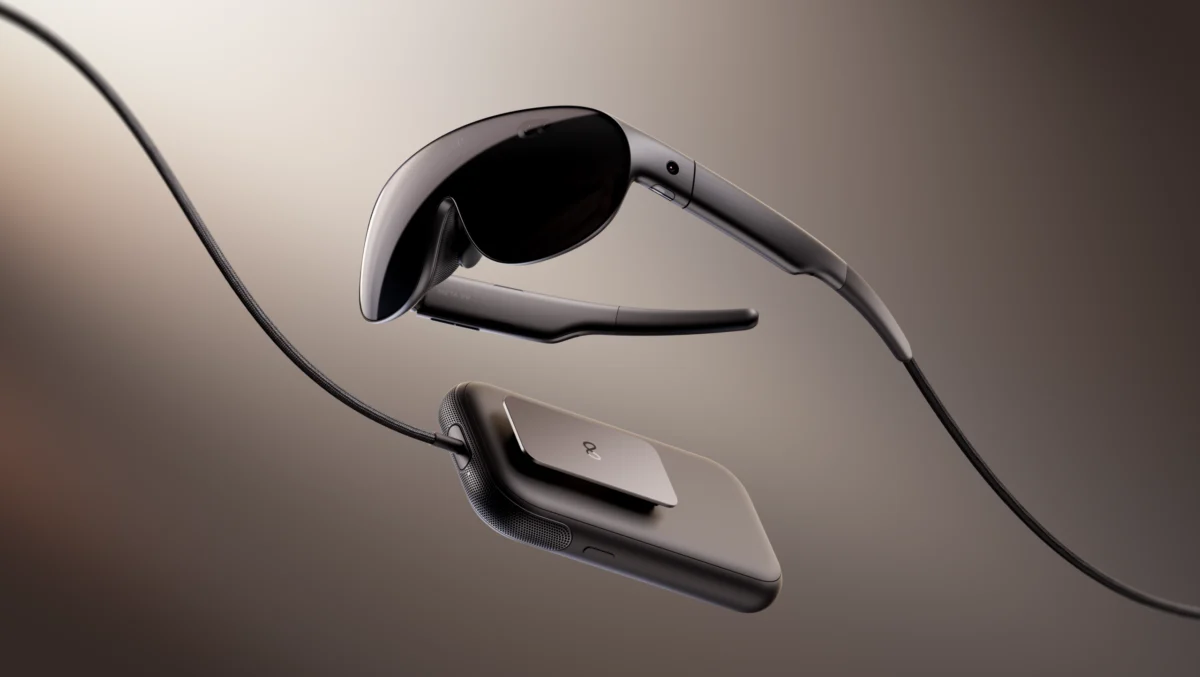
Meta is reigniting its ambitious pursuit of making virtual reality an everyday consumer technology with the announcement of its latest VR hardware, the Meta VR Glasses. Revealed at the company’s annual Connect conference, these new glasses represent a significant leap forward in the design and functionality of virtual reality devices, promising a more comfortable, immersive, and integrated entertainment experience. The device boasts a substantially lighter form factor and a suite of novel entertainment integrations, most notably an alleged compatibility with IMAX content, which could signal a pivotal moment for VR in high-fidelity cinematic consumption.
The technological underpinnings of the Meta VR Glasses address some of the most persistent criticisms of previous VR hardware. Meta claims the new glasses are an astonishing five times lighter than their predecessor, the Meta Quest 3. This drastic reduction in weight, coupled with a design that more closely resembles conventional eyewear than the bulky headsets of the past, suggests a commitment to user comfort and extended wearability. Constructed from a lightweight yet robust magnesium alloy, the glasses are powered by Qualcomm’s cutting-edge Snapdragon Reality Elite processor, a chipset designed specifically for advanced mixed reality applications. Power and data are managed through a separate, compact computing puck. This innovative design choice allows the processing and battery functions to be detached from the headset itself, enabling users to comfortably pocket the puck and experience untethered VR on the go, a crucial step towards seamless, portable immersive experiences.
At its core, the Meta VR Glasses are engineered to be a premier entertainment device. They feature integrated micro-OLED panels within the lenses, delivering a stunning 5K Infinite Display with a remarkable 37 pixels per degree (PPD) resolution. This high PPD is critical for sharp, detailed visuals, minimizing the "screen door effect" that has plagued earlier VR displays. Furthermore, the glasses support Dolby Vision and Dolby Atmos audio, promising a rich, multi-sensory viewing experience that rivals high-end home theater systems. Users will be able to download and stream movies directly to the device, transforming any personal space into a private, high-fidelity cinema.
The most talked-about feature, however, is Meta’s strategic partnership and the purported IMAX compatibility. Meta is positioning the glasses as a groundbreaking platform for experiencing IMAX-captured films, with the company proudly declaring them the "first IMAX Enhanced certified VR device ever." This certification implies that the glasses are engineered to reproduce the expansive aspect ratios characteristic of IMAX presentations, offering a viewing experience that preserves the original artistic intent and immersive quality of these large-format films. This is a significant development, as traditional VR headsets often crop or distort these expansive visuals. The ability to experience films in their intended IMAX format within a VR environment could attract a new demographic of users and elevate VR from a niche gaming platform to a legitimate contender in the home entertainment landscape.
Beyond traditional cinematic viewing, the Meta VR Glasses are also designed to enhance 3D content and even integrate users’ physical surroundings into their virtual viewing experiences. Meta has announced a collaboration with Disney, which will see select Disney+ titles, including certain Marvel movies, available for streaming in 3D starting in November. This integration goes beyond simply displaying 3D visuals. Meta explains that users will be able to watch these movies and have their environments "transformed with immersive environments, dynamic effects, stunning 3D visuals, and spatial audio." This suggests a sophisticated application of mixed reality, where the movie experience is augmented with interactive elements and environmental transformations, essentially blurring the lines between passive viewing and an interactive VR gaming-like encounter. This approach could redefine how consumers engage with movies, offering a more dynamic and personalized form of entertainment.
The inclusion of Meta AI, the company’s proprietary virtual assistant, further enhances the glasses’ functionality. Users will be able to interact with the device through natural voice commands, automating various tasks. For instance, Meta envisions users being able to initiate movie playback simply by speaking to their glasses. Beyond voice control, the glasses will also recognize hand gestures, providing an intuitive and responsive interface for navigating menus, controlling playback, and interacting with virtual elements. This multimodal input system aims to make the VR experience more accessible and less reliant on traditional controllers.
The Meta VR Glasses are slated for release next spring, with a starting price of $1,299.99. This pricing positions the device in the premium consumer electronics market, signaling Meta’s intent to target early adopters and enthusiasts willing to invest in cutting-edge immersive technology. The success of this venture will likely hinge on the perceived value proposition offered by the advanced features, particularly the IMAX compatibility and the enhanced entertainment ecosystem, in justifying this price point against existing VR offerings and traditional home entertainment systems.
The Evolving Landscape of Virtual Reality and Meta’s Strategic Pivot
Meta’s persistent investment in virtual reality, particularly with the Meta VR Glasses, underscores a long-term strategy to establish its metaverse vision. Following earlier iterations like the Oculus Rift and the Meta Quest line, which focused heavily on gaming and developer accessibility, this new product signals a distinct shift towards a more consumer-centric entertainment platform. The company’s annual Connect conference, which has historically served as a major product unveiling event for its VR and AR endeavors, has increasingly become a platform for demonstrating the broader societal and entertainment applications of these technologies.
A History of Iteration and Ambition
The journey to the Meta VR Glasses is rooted in Meta’s (formerly Facebook’s) significant acquisitions and internal development efforts. The purchase of Oculus VR in 2014 for $2 billion marked Meta’s initial, substantial foray into the VR market. This acquisition laid the groundwork for the Quest line of standalone VR headsets, which have become a dominant force in consumer VR. The Quest 2, launched in 2020, achieved significant market penetration due to its accessibility and versatile functionality, selling millions of units worldwide and proving that there was a viable consumer market for VR beyond hardcore enthusiasts.
The Connect 2023 event, where the Meta VR Glasses were announced, followed a series of significant product launches and strategic shifts for Meta. In the preceding years, the company had been heavily investing in its metaverse concept, a persistent, interconnected set of virtual spaces where users can interact with each other, digital objects, and AI. While the metaverse concept has faced skepticism and challenges in its adoption, Meta has consistently emphasized its commitment to building the underlying hardware and software infrastructure. The Meta VR Glasses represent a tangible product that embodies this long-term vision, aiming to create more engaging and realistic virtual experiences.
Technological Advancements Driving the New Hardware
The Meta VR Glasses are built upon a foundation of rapidly advancing display and processing technologies. The adoption of micro-OLED panels is a significant upgrade from the LCD or OLED displays found in previous headsets. Micro-OLEDs offer superior brightness, contrast ratios, and pixel density, contributing to the sharp and vibrant visuals described. The 5K resolution, combined with the 37 PPD, aims to deliver a level of visual fidelity that significantly enhances immersion and reduces eye strain. For context, human vision is estimated to have a PPD of around 60 when looking at a screen at arm’s length. Achieving close to this in VR is a key objective for creating photorealistic experiences.
The integration of Qualcomm’s Snapdragon Reality Elite processor is also noteworthy. This chipset is designed for the demands of mixed reality, offering powerful graphics processing, AI acceleration, and efficient power management. This is crucial for enabling advanced features like real-time environment mapping, complex rendering, and seamless interaction with AI assistants, all while maintaining a relatively low power draw for a portable device. The use of a separate computing puck, while adding an extra component, is a pragmatic solution to the thermal and power constraints of miniaturizing VR hardware. It allows for more powerful processing without compromising the comfort and ergonomics of the headset itself.
The IMAX Partnership: A Strategic Move for Content and Credibility
The partnership with IMAX is a bold strategic move by Meta. IMAX has long been synonymous with unparalleled cinematic spectacle, known for its massive screens, exceptional clarity, and immersive sound systems. By achieving "IMAX Enhanced" certification, Meta is not merely claiming to show IMAX movies; it is asserting that its VR glasses can reproduce the specific visual and auditory characteristics that define the IMAX experience. This certification is typically granted to devices that meet stringent standards for resolution, contrast, color accuracy, and sound reproduction.
For the film industry, this collaboration opens up new avenues for content distribution and exhibition. Traditional IMAX theaters are expensive to build and operate, limiting their reach. Offering an IMAX-like experience through VR could democratize access to this premium format, allowing consumers to enjoy blockbuster films with a level of immersion previously only available in specialized cinemas. This could also incentivize filmmakers to produce content specifically for IMAX VR, expanding the library of immersive cinematic experiences.
The potential impact on movie consumption habits is significant. If Meta can successfully deliver on the promise of an immersive IMAX-like VR viewing experience, it could divert audiences from traditional theaters and home entertainment setups. This would necessitate a reevaluation of content creation, distribution models, and even the future of cinema itself. Industry analysts will be closely watching how this partnership evolves and whether it can genuinely replicate the grandeur of a physical IMAX theater.
Broader Implications for the Entertainment Industry and Beyond
The Meta VR Glasses, with their entertainment-centric design and advanced features, have implications that extend far beyond individual users.
- Content Creation and Monetization: The emphasis on high-fidelity cinematic experiences and interactive movie formats will likely drive demand for new forms of content. Studios and content creators may need to invest in technologies and workflows that support VR-native storytelling, 3D capture, and immersive audio. This could also lead to new monetization strategies, such as premium VR movie rentals or subscription services for exclusive immersive content.
- Competitive Landscape: Meta’s continued push into VR will undoubtedly intensify competition within the extended reality (XR) market. Other major tech players, such as Apple with its Vision Pro, are also making significant investments in mixed reality hardware. The success of the Meta VR Glasses could spur further innovation and price competition, ultimately benefiting consumers.
- Accessibility and Adoption: While the $1,299.99 price point positions the Meta VR Glasses as a premium product, Meta’s history with the Quest line suggests a potential for future, more affordable iterations. The company’s stated goal of making VR mainstream will likely involve a tiered product strategy. However, the current price might limit initial adoption to early adopters and enthusiasts, with broader consumer adoption dependent on future price reductions and a more robust content ecosystem.
- Social and Experiential Shifts: The integration of AI and interactive elements into movie watching suggests a move towards more social and participatory entertainment. As VR technology matures, it has the potential to redefine not only how we consume media but also how we interact with digital content and each other in shared virtual spaces.
Meta’s renewed focus on virtual reality, embodied by the innovative Meta VR Glasses, represents a significant bet on the future of digital interaction and entertainment. The combination of advanced hardware, a focus on comfort, and strategic partnerships with established entertainment brands like IMAX and Disney, signals a clear intent to move VR beyond its gaming roots and into the mainstream of everyday consumer experiences. The success of this endeavor will depend on the execution of Meta’s ambitious vision and its ability to convince consumers that virtual reality is not just a novelty, but a compelling and essential component of modern entertainment.
About the Author