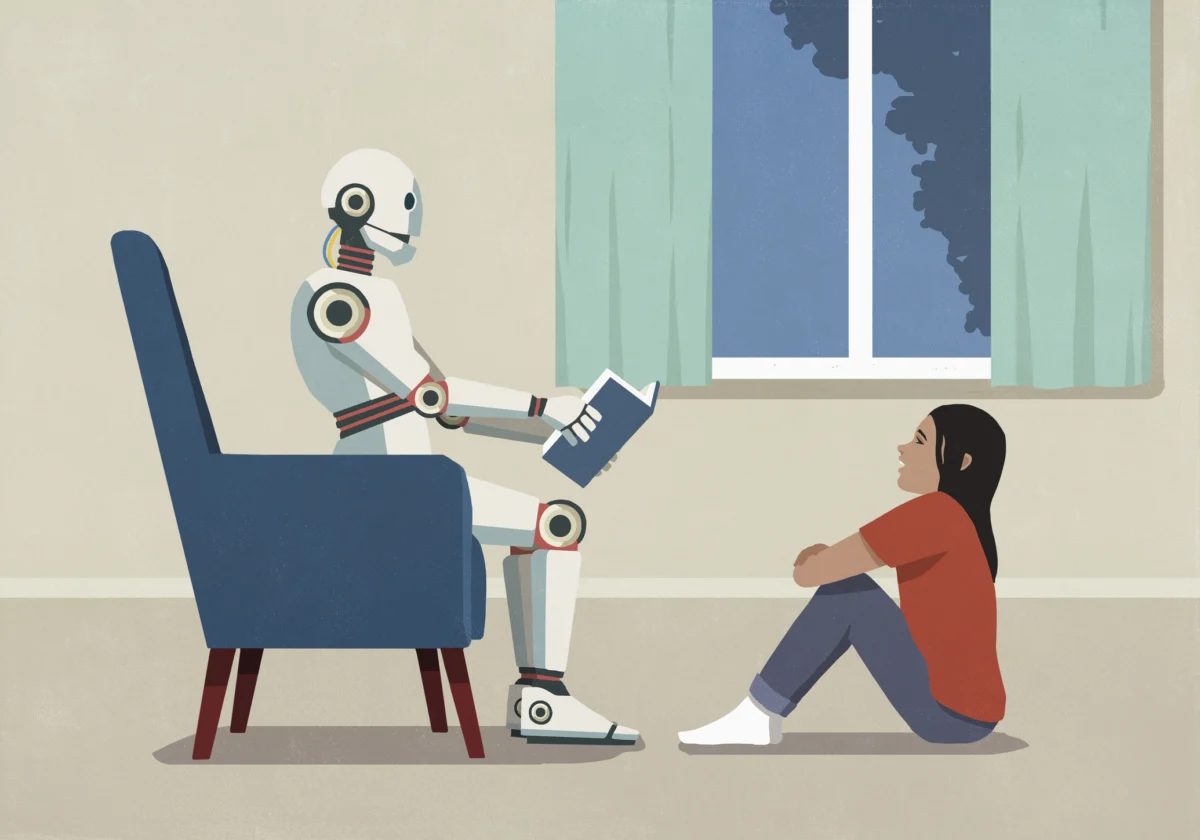
Meta, the social media and technology giant, has quietly launched StoryKit, an innovative artificial intelligence application designed to generate personalized children’s stories. First identified on the App Store by 9to5Mac, the app allows parents to create custom narratives featuring their children, complete with personalized characters, settings, moral lessons, and even music. The platform’s tagline, "You don’t need to write a single word," highlights its core proposition: an AI-driven solution for crafting engaging bedtime tales without requiring parental writing skills.
This development enters a burgeoning landscape of AI tools entering consumer markets, raising questions about the role of technology in fundamental aspects of childhood development and family bonding. While Meta positions StoryKit as a creative tool to foster imagination, its reliance on AI for a traditionally human-centric activity has ignited discussions among parents, educators, and tech ethicists regarding the potential long-term impacts on children’s cognitive and emotional growth.
Genesis and Features of StoryKit
The emergence of StoryKit on the Apple App Store, initially flagged in late July 2026, marked Meta’s foray into AI-powered creative content generation specifically for the younger demographic. A spokesperson for Meta confirmed to TechCrunch that the company is currently piloting StoryKit in select international markets. This pilot phase is crucial for gathering user feedback and assessing parental reception to the app’s capabilities and ethical considerations.
The core functionality of StoryKit revolves around user input to generate bespoke stories. Parents can initiate the process by creating a character, a process made remarkably personal through the ability to upload a photograph of a child’s favorite toy or even a family member. This feature aims to imbue the generated stories with a sense of familiarity and emotional connection for the child. Following character creation, users are prompted to describe the story’s setting, allowing for fantastical or realistic backdrops. Crucially, the app enables the selection of specific moral or educational themes, such as kindness, courage, or empathy. Meta emphasizes that these lessons are woven into the narrative in a way that avoids a didactic or preachy tone, aiming instead for organic integration within the storytelling.
Beyond text, StoryKit also offers the generation of accompanying music, further enhancing the immersive experience. The App Store listing explicitly reassures parents about the platform’s safety protocols, stating that it incorporates AI safety filters and excludes any social features. Access is restricted to users aged 18 and older, a measure intended to prevent direct engagement by minors and ensure parental oversight.
Industry Context and Meta’s AI Ambitions
Meta’s pursuit of AI-driven creative tools is consistent with its broader strategic objectives. The company has been investing heavily in artificial intelligence research and development, aiming to integrate AI across its product ecosystem, from enhancing user experiences on platforms like Facebook and Instagram to powering its ambitious metaverse initiatives. Earlier in 2026, Meta faced significant backlash for controversial AI features on Instagram, including generative AI tools that were criticized for their potential to create deepfakes and misinformation. This prior experience likely informs the cautious approach to StoryKit’s rollout, with a focus on safety and parental control.
The broader tech industry is witnessing an explosion of generative AI applications, ranging from text and image generators to music and video creation tools. Companies are rapidly exploring new use cases for these technologies, seeking to capitalize on market demand and establish early leadership positions. However, this rapid advancement also brings forth significant ethical debates, particularly concerning the authenticity of content, potential for misuse, and the impact on human creativity and labor. StoryKit’s positioning, by contrast, aims to augment rather than replace human creativity, by offering a tool for parents to create stories, rather than a tool for children to create stories themselves.
Analysis of Implications: Creativity, Connection, and Childhood
The introduction of StoryKit prompts a multifaceted discussion about its potential implications for childhood development and family dynamics.
The Role of Imagination and Creativity
A primary concern revolves around the potential for AI-generated stories to supplant the role of human imagination and creativity in childhood. Historically, storytelling has been a cornerstone of human culture, a vital mechanism for transmitting values, fostering empathy, and developing cognitive skills. The act of a parent or caregiver improvising a story, drawing from their own experiences and imagination, often involves a unique form of bonding and imaginative play. Critics argue that relying on an AI to generate these narratives could diminish the spontaneous, whimsical, and deeply personal elements inherent in human-led storytelling.

The App Store description’s promise, "You don’t need to write a single word," while convenient for busy parents, could be interpreted as a subtle devaluing of the creative effort involved in traditional storytelling. This raises the question of whether the ease of AI generation might inadvertently discourage parents from engaging in this enriching activity themselves. The prompt for parents to "weave in values like kindness, courage, or empathy without it feeling like a lecture" suggests an awareness of the need for educational content, but the method of delivery—an AI-generated script—may dilute the organic transmission of these values through genuine human interaction.
Family Bonding and Parental Involvement
Storytelling, particularly at bedtime, is often a cherished ritual that strengthens the parent-child bond. This ritual involves not just the narrative itself but also the shared experience, the physical closeness, and the emotional exchange between parent and child. While StoryKit aims to facilitate story creation, the extent to which it can replicate the warmth and intimacy of a parent’s own voice and imagination remains to be seen.
The app’s design, which allows for personalization by uploading photos of loved ones or toys, attempts to bridge this gap by creating relatable characters. However, the underlying process of story generation is algorithmic. This raises a concern that children might come to associate stories with a detached technological process rather than a loving, human connection. In an era where screen time is already a significant concern for many parents, introducing another AI-driven digital experience into bedtime routines could further fragment these precious moments of connection.
Ethical Considerations and Long-Term Impact
Meta’s emphasis on AI safety filters and the restriction of access to users over 18 are commendable steps towards responsible deployment. The exclusion of social features is particularly important, preventing children from interacting with the AI directly or sharing generated content without parental consent.
However, the broader implications of raising a generation exposed to AI-generated narratives are a subject of ongoing debate. Could over-reliance on AI for creative output hinder the development of a child’s own storytelling abilities and imaginative faculties? Will children learn to expect pre-packaged, algorithmically optimized content, potentially diminishing their appreciation for the nuanced, sometimes imperfect, and deeply human nature of creative expression? These are complex questions that extend beyond the immediate functionality of StoryKit.
The Value of Human Ingenuity in Storytelling
Despite the technological advancements, the enduring power of human storytelling remains unparalleled. Throughout history, humans have demonstrated an extraordinary capacity for invention, drawing from a rich tapestry of mythology, folklore, and personal experience to craft narratives that resonate across generations. The success of contemporary media, such as Christopher Nolan’s recent blockbuster which draws inspiration from ancient myths, underscores the timeless appeal of stories rooted in human experience and tradition.
Parents facing the demanding task of managing busy lives and engaging their children can find creative avenues to storytelling that do not necessitate complex writing skills. Simple improvisations, drawing from everyday observations, or adapting classic tales can be highly effective. The challenge presented by StoryKit is not necessarily the tool itself, but the potential for it to become a default solution, bypassing opportunities for genuine human connection and spontaneous creativity.
Conclusion: A Choice for the Future
Meta’s StoryKit represents a significant development in the application of AI to a deeply human domain. While the app offers a potentially convenient and personalized way for parents to create stories for their children, it also brings to the forefront critical questions about the future of childhood development, the nature of creativity, and the role of technology in family life.
The company’s stated commitment to safety and parental oversight is a positive indicator. However, the ultimate impact of StoryKit will depend on how parents choose to integrate it into their lives. The choice exists to embrace AI as a supplementary tool, used sparingly to augment rather than replace the rich, unscripted moments of human connection that traditional storytelling provides. As Meta continues its pilot program and gathers feedback, the broader societal conversation about balancing technological innovation with the preservation of human creativity and emotional well-being will undoubtedly intensify. The potential for a future where children’s formative experiences with storytelling are shaped by algorithms presents a significant societal juncture, one that necessitates careful consideration and conscious decision-making by parents and developers alike.
About the Author