The bedrock of American democracy, the First Amendment’s protection of free speech, faces a significant challenge when its application extends beyond the governmental sphere into the private sector. While the Constitution rigorously guards political expression against infringement by public entities, it offers little recourse for employees of private companies who find their political viewpoints censored, or who face disciplinary action for their off-duty political activities. David Urban, senior counsel at Liebert Cassidy Whitmore, a firm specializing in labor and employment law for public agencies and educational institutions, highlights this critical distinction: the First Amendment binds only government actors, not private employers who, for the vast majority of American workers, control the terms of their employment. This leaves a complex legal and ethical landscape for both employers and employees to navigate, particularly as political discourse increasingly permeates all aspects of modern life.
The Constitutional Divide: Public vs. Private Sector Protections
At its core, the First Amendment guarantees the right to express oneself without government interference. This protection is particularly robust when it comes to political speech, deemed essential for the functioning of a democratic society. However, this shield is not universally extended. When an employee’s political speech occurs within the confines of a private company, or is perceived to impact its operations, the constitutional protections typically invoked in public sector disputes do not automatically apply. This creates a power imbalance where private employers, in many instances, possess considerable latitude to regulate or penalize employee political expression.
While many responsible employers recognize that fostering a workplace free from political coercion or disruption is conducive to productivity and a positive work environment, the absence of explicit constitutional protection for private sector employees leaves them vulnerable. The question then becomes: what legal safeguards, if any, exist to prevent potential abuses of power when private employers attempt to control or punish employee political speech? Conversely, HR professionals and management often grapple with the opposite scenario: how to address situations where an employee’s political activities, whether online or in person, create significant disruption within the workplace, potentially alienating colleagues or customers, and impeding business operations.
Understanding the Legal Framework for Private Sector Political Speech
For human resources professionals tasked with developing and enforcing workplace policies, a clear understanding of the existing legal landscape is paramount. This involves recognizing the nuances of employee rights and employer responsibilities concerning political expression.
Political Activity as an Unprotected Class (Generally)
For most private sector employees, the prevailing employment doctrine is "at-will" employment. This means that, absent a specific contract or collective bargaining agreement, an employer can terminate an employee for any reason, or no reason at all. While employment agreements or union contracts can impose limitations on disciplinary actions, requiring an employer to demonstrate just cause, political activities can still form the basis for adverse employment actions if they constitute egregious conduct with a sufficiently negative impact on the employer.
Crucially, political beliefs and activities are generally not considered protected characteristics in the same vein as race, sex, religion, national origin, age, or disability. This distinction grants private employers broad authority to regulate political expression within the workplace and to take action based on an employee’s political conduct. However, this broad authority is subject to several significant exceptions and considerations that can alter the legal calculus.
When Political Activities Intersect with Anti-Discrimination Statutes
A critical caveat to the general rule arises when political issues become intertwined with legally protected classifications. An employee engaging in political activity that directly supports their own protected characteristic—for instance, advocating for a candidate whose platform explicitly champions the interests of their gender, race, religion, sexual orientation, or national origin—can trigger anti-discrimination concerns. If an employer targets such an individual based on this political advocacy, it could be construed as discrimination or retaliation based on their protected status.
This principle extends to participation in protests or political activities aligned with these causes. Furthermore, federal law, specifically Title VII of the Civil Rights Act, and many state laws, prohibit employer retaliation against employees who oppose unlawful discrimination against a coworker, even if the opposing employee does not share the same protected classification. Consequently, employers must meticulously evaluate the nature of any political activity to determine if anti-discrimination laws are applicable before taking any employment action.
Statutory Protections for Political Activity at State and Local Levels
Beyond federal anti-discrimination laws, a growing number of states and localities have enacted specific statutes to protect employees’ lawful off-duty political activities, political affiliations, or participation in civic processes. California, New York, Colorado, and Minnesota, among others, place limitations on adverse employment actions based on certain types of political conduct. For example, California law prohibits employers from enforcing rules that forbid political participation or dictate employees’ political activities or affiliations. It also prohibits employers from coercing employees, through threats of discharge or job loss, to adopt or refrain from specific political actions. Human resources professionals must diligently research and adhere to applicable state and local regulations before implementing policies or taking disciplinary measures related to employee political expression.
Privacy Protections for Off-Duty Conduct
Several states have enacted laws that limit an employer’s ability to discipline employees for off-duty conduct that lacks a demonstrable connection to the workplace. Colorado, New York, and North Dakota are among the states with such statutes. While California’s labor code addresses off-duty conduct, its application has been interpreted not to create an independent cause of action in all circumstances. Nevertheless, these laws can be interpreted to shield employees from termination or discipline for expressing personal views outside of work hours, provided those views do not have a clear and material impact on the employer’s business operations.
"Concerted Activities" Under the National Labor Relations Act (NLRA)
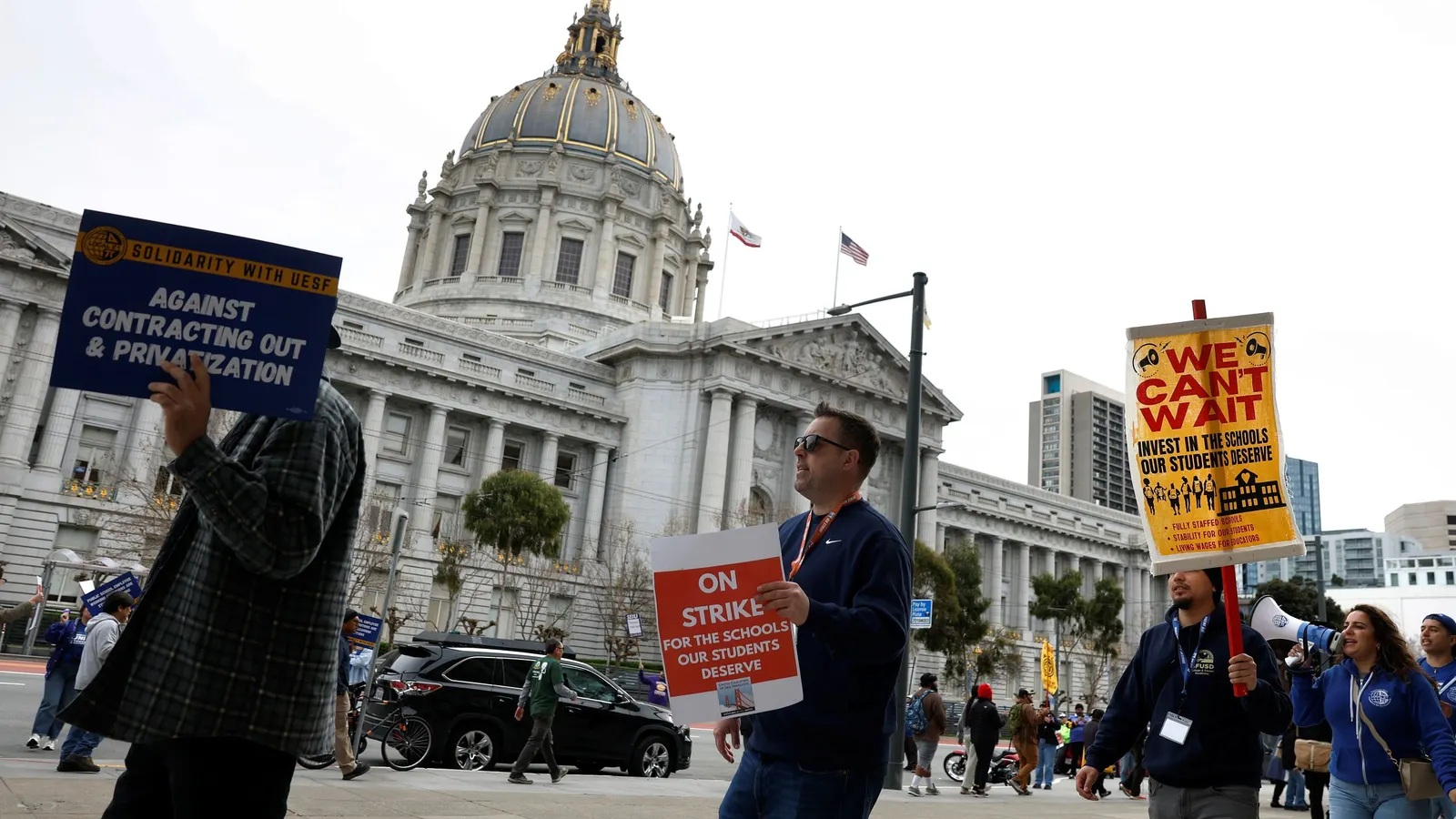
The National Labor Relations Act (NLRA), a landmark piece of legislation from the New Deal era, safeguards employees’ rights to engage in "concerted activities" related to the terms and conditions of their employment. This protection can extend to political speech that touches upon issues such as wages, benefits, scheduling, workplace safety, or employer policies, even if these discussions have a political dimension. For instance, employee advocacy concerning minimum wage laws or workplace safety regulations may be considered protected activity under the NLRA, regardless of how critical or how widely disseminated the message is. The key determinant is whether the activity is a collective endeavor or relates to group concerns about working conditions, rather than solely an individual grievance or rant. Disciplining employees for engaging in such protected concerted activities can lead to unfair labor practice claims.
Furthermore, the National Labor Relations Board (NLRB), the federal agency responsible for administering and enforcing the NLRA, has affirmed that employees possess the right to discuss their wages with coworkers and, in some contexts, with the media and the public. This right underscores the importance of distinguishing between protected collective advocacy and individual, disruptive political expression.
Real-World Scenarios and Emerging Challenges
The complexities of political speech in the workplace are frequently illustrated by real-world scenarios. Consider an employee who posts highly partisan and offensive political commentary on their personal social media accounts, which is then visible to and deeply offends their colleagues. Or imagine a situation where an employee participates in a protest that becomes so divisive that it prompts customers to reconsider doing business with the company. Another common scenario involves political debates and discussions in the office consuming valuable work time and creating a tense atmosphere that hinders team collaboration. In such instances, the question of management’s discretion in addressing these issues through employment actions becomes critical.
The legal landscape surrounding these issues is constantly evolving, influenced by court decisions, NLRB interpretations, and legislative changes. For example, the increasing prevalence of social media has amplified the challenge for employers, blurring the lines between personal and professional life. Employers must remain vigilant in understanding how their actions might be perceived and how they align with current legal standards.
Best Practices for Navigating Political Discourse in the Workplace
To effectively balance the interests of both employees and employers, HR professionals can implement several best practices:
-
Apply Policies Consistently and Neutrally: Consistency is a cornerstone of sound HR practice and a strong legal defense. If a policy prohibits political slogans on clothing, it must be enforced uniformly across all ideologies. Similarly, if personal social media use is regulated, enforcement should not be influenced by leadership’s agreement or disagreement with the content of the message. This ensures fairness and reduces the likelihood of discrimination claims.
-
Focus on Behavior, Not Beliefs: When intervention becomes necessary, HR decisions should be framed around observable conduct and its impact on the workplace, rather than the underlying political ideology. Harassment, threats, significant disruption, or the misuse of company resources are legitimate workplace concerns, irrespective of the political content involved. Documentation should clearly articulate these business-related reasons, avoiding subjective judgments about an employee’s views.
-
Avoid Management Expressing Political Messaging: In jurisdictions with statutory protections for employee political activity, such as California and New York, it is prudent for management to refrain from taking any public stance on partisan politics. This includes avoiding written statements or pronouncements on political issues, as such actions could be interpreted as coercive and may violate employee rights.
-
Train Managers Before Issues Arise: Political disputes can quickly escalate and become unmanageable if front-line managers react emotionally or inconsistently. HR departments should provide comprehensive training to managers on how to de-escalate potentially charged conversations, redirect discussions back to work-related topics, and know when and how to involve HR when concerns emerge. This proactive approach can prevent minor incidents from becoming major legal or operational problems.
Broader Implications and Future Considerations
The ongoing tension between free speech principles and the realities of private employment underscores a critical societal debate. As political polarization continues to shape public discourse, the workplace is increasingly becoming a battleground for these ideological conflicts. Employers face the dual challenge of fostering an inclusive and productive environment while respecting the diverse viewpoints of their workforce, all within a complex and evolving legal framework.
The implications extend beyond individual workplaces. The way businesses navigate these issues can influence public perception, employee morale, and, ultimately, their ability to attract and retain talent. A company known for its punitive approach to employee political expression might struggle to build a diverse and engaged workforce, while one that demonstrates a commitment to fair and consistent policies, while still maintaining operational integrity, is likely to fare better.
Looking ahead, it is plausible that legislative bodies may consider further clarifying or expanding protections for employees regarding political speech, particularly in light of increasing societal polarization. As courts continue to interpret existing laws and new cases emerge, the legal standards governing political expression in the private sector will undoubtedly continue to evolve. For HR professionals and business leaders, staying informed and adapting their strategies will be crucial to navigating this dynamic and often contentious aspect of the modern workplace.
About the Author