Society has long grappled with the pervasive influence of digital technologies on human cognition, often lamenting the decline in attention spans and the prevalence of "doomscrolling" as culprits behind our diminishing capacity for deep reading and sustained study. However, a Palo Alto-based startup, ScrollEd, is poised to challenge this narrative, proposing that the solution might not lie in abandoning digital feeds, but rather in fundamentally re-imagining their content. This innovative approach positions ScrollEd as a compelling contender at the prestigious TechCrunch Disrupt Startup Battlefield 200 competition, presenting a vision where educational material is delivered in a format as intuitive and engaging as the social media platforms that often distract us.
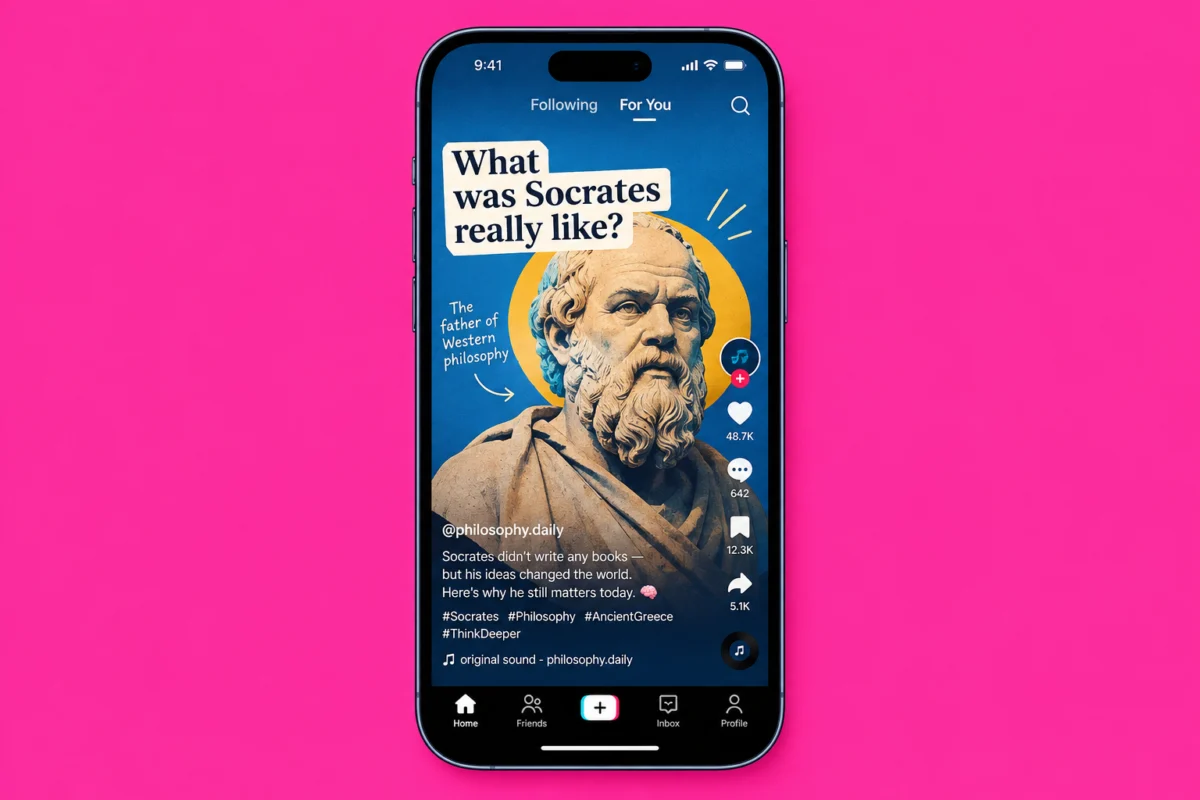
The core premise of ScrollEd is disarmingly simple yet profoundly disruptive: if students are increasingly reluctant to engage with traditional textbooks, then the textbooks themselves must adapt to the students’ preferred mode of consumption. ScrollEd’s answer is to transform any static text file—from dense academic PDFs to comprehensive textbooks—into a dynamic, interactive feed reminiscent of popular platforms like Instagram Reels or TikTok. As users scroll, content unfolds through a rich tapestry of AI-generated video, audio, text, and even integrated interactive quizzes. A simple upward swipe introduces a new topic, while a lateral swipe allows users to delve deeper into the current subject matter, culminating in a targeted quiz to reinforce learning.
The Genesis of ScrollEd: Addressing a Modern Predicament
The concept for ScrollEd emerged from a shared personal frustration experienced by its co-founders, Utsav Gupta and Rebecca Neff. Both were students—Gupta pursuing studies in AI and human purpose at Stanford, and Neff in computer science at the University of Pennsylvania—and both found themselves dissatisfied after late-night doomscrolling sessions. This personal observation sparked a critical question: could the very mechanics of engaging, short-form content be harnessed for productive learning rather than passive consumption?
Their venture taps into a widely acknowledged societal trend. Numerous studies have highlighted a measurable decline in average human attention spans over the past two decades, often correlating with the rise of digital media and the proliferation of information. Research by Microsoft, for instance, suggested an average human attention span had dropped from 12 seconds in 2000 to just 8 seconds by 2013, shorter than that of a goldfish. While such comparisons are debated, the anecdotal evidence of younger generations’ preference for bite-sized, visually rich content is undeniable. "The younger generation is increasingly going short form, vertical feed only (especially the 18-year-olds we’ve spoken to!), and this poses challenges for any kind of media that requires depth," Gupta told TechCrunch. This stark reality underscores the urgency for educational tools that can effectively bridge the gap between traditional pedagogical methods and contemporary digital consumption habits.
Bootstrapped earlier this year by Gupta and Neff, ScrollEd represents a deliberate effort to "meet them where they are," as Gupta articulates. The founders recognized that simply admonishing students to put down their phones and pick up books was an increasingly futile exercise. Instead, the challenge lay in integrating deep learning into the digital ecosystem, ensuring that the act of "going deeper" into a subject was as frictionless and intuitive as navigating through a social media feed. Gupta emphasized this nuanced approach: "We just have to be deliberate about how we use it and choose not to maximize engagement on the platform." This statement is a critical differentiator, signaling a conscious departure from the attention-economy models that drive most social media, prioritizing genuine learning outcomes over mere screen time.
The ScrollEd Platform: A Deep Dive into its Mechanics
At the heart of ScrollEd’s innovation is its proprietary AI engine, which intelligently processes raw text—be it a scientific journal, a historical document, or a complex textbook chapter—and transforms it into a multi-modal learning experience. The AI analyzes the content to identify key concepts, generate concise summaries, formulate relevant questions, and even create short, engaging video clips or audio explanations to accompany the text. This adaptive approach ensures that the content is not merely presented but actively interpreted and enriched, making complex subjects more accessible and engaging.
The user interface, designed for familiarity, mirrors the intuitive swiping mechanics of popular short-form video apps. A vertical swipe introduces a new topic or a sequential segment of the current lesson, maintaining a flow that feels natural to digital natives. Crucially, a horizontal swipe offers a distinct pathway for deeper exploration within the same topic. This could manifest as supplementary articles, alternative explanations, detailed diagrams, or even interactive simulations. The embedded quizzes serve as immediate knowledge checks, providing instant feedback and reinforcing retention without requiring users to navigate away from the learning environment. This seamless integration of content delivery, explanation, and assessment is a significant leap from static digital textbooks or fragmented online learning resources.
A New Philosophy for Digital Engagement: Beyond Maximizing Clicks
The founders’ commitment to not maximizing engagement, a counter-intuitive stance in the current tech landscape, is central to ScrollEd’s ethical framework. While traditional social media platforms are engineered to capture and retain user attention for as long as possible, often leading to addiction and mental health concerns, ScrollEd aims for quality engagement focused on knowledge acquisition. "A short video can make you curious; following that curiosity can mean searching for another explanation or leaving the app," Gupta explained. "We wanted going deeper to be as easy as moving to the next video." This philosophy redefines "engagement" from passive consumption to active, self-directed learning, ensuring that the platform serves as a tool for intellectual growth rather than a mere time sink.
This ethical stance resonates with a growing call for more responsible technology design, particularly in educational contexts. With concerns about screen addiction and the mental well-being of digital natives escalating, ScrollEd presents a model where technology can be leveraged to empower rather than ensnare. It’s a deliberate choice to align platform design with pedagogical principles, fostering curiosity and facilitating understanding in an environment that inherently appeals to the digital generation.
Strategic Market Penetration and Business Model
ScrollEd is targeting a broad spectrum of users, reflecting the universal need for accessible and engaging learning. Its primary markets include educational institutions—from K-12 schools to universities—corporate training programs, and individual learners who, in Gupta’s words, "just want something better to scroll on." This multi-pronged strategy acknowledges the diverse applications of its technology, from formal academic curricula to professional development and personal enrichment.
For educational institutions, ScrollEd offers a compelling value proposition. It enables schools and universities to deliver their existing educational materials in a highly engaging format, potentially boosting student participation and comprehension. Institutions can license the platform to integrate their courses, leveraging ScrollEd’s AI to transform lectures and readings into dynamic feeds. Beyond content delivery, ScrollEd provides valuable analytics and reports on student engagement, lesson progress, and performance data, offering educators insights into learning patterns and areas requiring additional support. This data-driven approach allows for more personalized and effective teaching strategies.
The consumer business, set to launch at TechCrunch Disrupt, will operate on a freemium model. A free tier will likely offer access to a curated feed of educational content, while a ScrollEd Pro subscription will unlock advanced features. These could include unlimited content conversion, personalized learning analytics for individual users, and perhaps an ad-free experience. This dual approach allows ScrollEd to build a broad user base while also generating revenue through premium offerings and institutional partnerships. Gupta playfully noted their ambition to "disrupt social media and short form!" highlighting their aspiration to redefine what digital engagement can mean.
TechCrunch Disrupt: A Launchpad for Innovation
ScrollEd’s participation in the TechCrunch Disrupt Startup Battlefield 200 is a significant milestone. TechCrunch Disrupt is one of the tech industry’s most influential conferences, renowned for showcasing groundbreaking startups and acting as a launchpad for companies that go on to achieve widespread success. The Startup Battlefield, in particular, is a highly competitive pitch competition where a select group of early-stage companies present their innovations to a panel of venture capitalists, industry experts, and media. Previous participants have included household names like Dropbox, Mint, and Yammer.
For ScrollEd, being chosen for the Battlefield 200 provides unparalleled visibility, validation from industry experts, and the potential to attract crucial investment. The event, taking place from October 13-15 in downtown San Francisco, offers a unique platform to unveil their consumer business and articulate their vision to a global audience of investors, partners, and early adopters. The exposure gained from such an event can be transformative for a nascent startup, accelerating its growth and market penetration.
Future Horizons: Adaptive Learning and a "Better" Social Network
Looking ahead, ScrollEd has ambitious plans that extend beyond its initial launch. In the coming months, the company will concentrate on scaling its consumer offering, building out its lesson library, and refining its source-checking workflow—a critical component for maintaining academic integrity and credibility, especially with AI-generated content. Developing pilot programs with educational institutions will also be a key focus, allowing for real-world testing and feedback to refine the platform’s institutional offerings.
Perhaps the most visionary aspect of ScrollEd’s roadmap is its intent to build infrastructure for adaptive learning. This would enable the platform to assess individual learners’ needs in real-time and dynamically adjust the content, pace, and difficulty of lessons. Imagine an AI tutor that not only delivers content but also understands your learning style, identifies your weak points, and provides tailored remediation, ensuring a truly personalized educational journey. This vision aligns with the broader trend towards AI-driven education, promising a future where learning is not a one-size-fits-all experience but a highly individualized process.
Ultimately, Gupta encapsulates ScrollEd’s overarching ambition: "The ambition is a social network that’s better for you." This statement transcends merely creating an educational app; it hints at building a community where interaction and engagement are channeled towards productive learning, intellectual growth, and positive social outcomes. Such a platform could foster collaborative learning, facilitate peer-to-peer knowledge sharing, and connect learners with experts, all within an ecosystem designed to minimize the negative aspects of traditional social media while maximizing its potential for human development.
Challenges and Opportunities: A Balanced Perspective
While ScrollEd’s potential is significant, like any disruptive technology, it faces inherent challenges. Ensuring the consistent quality and academic rigor of AI-generated content will be paramount. The "source-checking workflow" mentioned by Gupta will need to be robust and transparent to build trust among educators and institutions. User adoption, particularly in established educational systems, often encounters resistance to change, requiring significant advocacy and demonstrable results. Competition from existing ed-tech giants and other innovative startups will also be a factor. Moreover, navigating the fine line between engaging content and avoiding the pitfalls of "engagement maximization" will be a continuous balancing act.
However, the opportunities for ScrollEd are equally compelling. The global ed-tech market is booming, projected to reach hundreds of billions of dollars in the coming years, driven by the increasing demand for flexible, accessible, and engaging learning solutions. By leveraging AI to tap into existing user behaviors, ScrollEd could capture a significant share of this market, transforming how individuals of all ages acquire knowledge and skills. Its potential to democratize access to high-quality education, make lifelong learning more appealing, and equip individuals for a rapidly evolving world makes it a startup worth watching closely.
As ScrollEd steps into the spotlight at TechCrunch Disrupt, it represents more than just another tech company; it embodies a philosophical shift in how we approach learning in the digital age. By refusing to concede defeat to the attention economy and instead redirecting its power, ScrollEd offers a hopeful glimpse into a future where our devices don’t just distract us, but actively empower us to learn, grow, and thrive.
About the Author