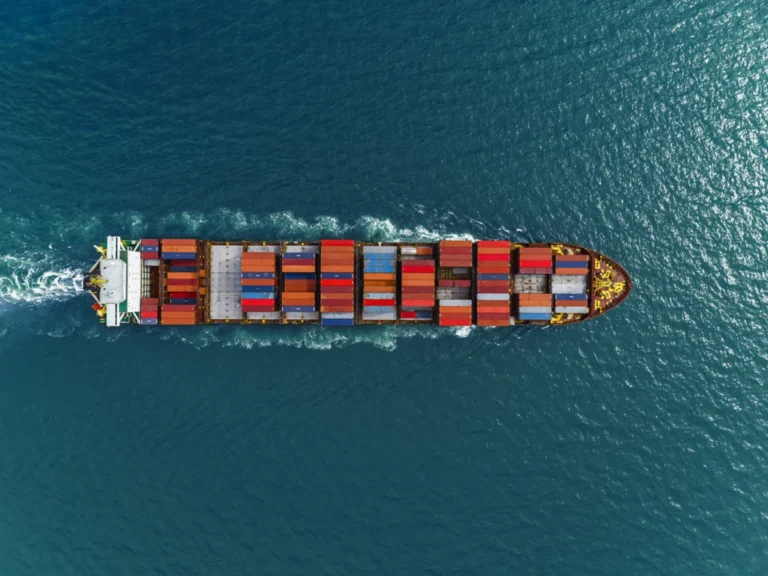
The Small Business Champions Initiative has officially opened its call for proposals, seeking innovative solutions that leverage artificial intelligence to assist micro, small, and medium-sized enterprises (MSMEs) in navigating the complexities of international trade. This global competition aims to identify and scale technological tools that can bridge the digital divide, allowing smaller players to compete more effectively on the world stage. With a submission deadline set for 16 March 2026, the initiative underscores the growing urgency to integrate advanced technology into the operational frameworks of small businesses, which constitute the backbone of the global economy but often face significant barriers to cross-border commerce.
Artificial intelligence (AI) is increasingly viewed not merely as a luxury for large corporations but as a critical equalizer for MSMEs. By optimizing supply chains, reducing overhead costs, and automating compliance with disparate international regulations, AI offers a pathway for smaller firms to overcome traditional hurdles such as high logistics costs and lack of market information. The winning proposal from this competition will gain international visibility and a prestigious platform, with an invitation to participate in the International Telecommunication Union’s (ITU) AI for Good Global Summit, scheduled for 8 July 2026.
The Strategic Importance of MSMEs in Global Trade
Micro, small, and medium-sized enterprises are fundamental to the economic health of both developed and developing nations. According to data from the World Bank and the World Trade Organization (WTO), MSMEs represent approximately 90% of all businesses and provide more than 50% of employment worldwide. In emerging economies, formal MSMEs contribute up to 40% of national income (GDP). However, their participation in international trade remains disproportionately low. While large multinational corporations dominate global value chains, MSMEs often struggle with the "fixed costs" of exporting, which include market research, legal compliance, and complex logistics management.
The Small Business Champions Initiative recognizes that the "digital gap" is a primary reason for this disparity. While large firms have the capital to invest in bespoke AI solutions for predictive analytics and automated customs filing, many MSMEs remain reliant on manual processes. By soliciting solutions that are specifically designed for the scale and budget of smaller enterprises, the initiative seeks to democratize access to high-level trade technology.
Chronology of the 2026 Small Business Champions Competition
The rollout of the 2026 competition follows a structured timeline designed to maximize global participation and ensure a rigorous selection process.
- Launch of the Call for Proposals (February 2026): The initiative officially began accepting submissions from technology developers, trade promotion organizations, and private sector innovators.
- Submission Phase (February – March 2026): Applicants are encouraged to submit detailed proposals outlining how their AI-driven tools solve specific trade challenges for MSMEs.
- Application Deadline (16 March 2026): All submissions must be received by the Secretariat to be considered for the shortlisting phase.
- Review and Shortlisting (April – May 2026): A panel of experts from the WTO, the International Trade Centre (ITC), and the International Chamber of Commerce (ICC) will evaluate the entries based on innovation, scalability, and impact.
- Announcement of Winners (June 2026): The top-tier solutions will be announced, providing the creators with immediate international recognition.
- ITU AI for Good Global Summit (8 July 2026): The grand prize winner will present their solution at this premier United Nations platform in Geneva, connecting with global policymakers and investors.
Leveraging Artificial Intelligence for Trade Optimization
The call for proposals emphasizes several key areas where AI can provide transformative benefits for MSMEs. These areas represent the most significant "pain points" for small businesses looking to expand beyond their domestic markets.
Supply Chain and Logistics Management
AI-driven real-time analytics allow MSMEs to track shipments across multiple borders with unprecedented precision. Machine learning algorithms can predict potential disruptions—such as port congestion, weather events, or labor strikes—allowing businesses to pivot their logistics strategies before costs escalate. Furthermore, AI can optimize inventory management, ensuring that small firms do not tie up limited capital in excess stock while maintaining the ability to fulfill international orders promptly.
Regulatory Compliance and Documentation
One of the most daunting aspects of international trade is the sheer volume of paperwork and the variety of national regulations. AI tools can automate the classification of goods under the Harmonized System (HS) codes, calculate duties and taxes in real-time, and ensure that all digital documentation meets the specific requirements of the destination country. This reduces the risk of costly delays at customs and minimizes the need for expensive legal consultants.
Financial Operations and Risk Mitigation
For many MSMEs, the volatility of foreign exchange rates and the difficulty of securing trade finance are major deterrents. AI can assist by providing sophisticated currency risk assessments and by helping financial institutions better assess the creditworthiness of MSMEs through alternative data sets. This could lead to lower interest rates and more accessible credit lines for small exporters.
Supporting Data: The Digital Transformation of Trade
Recent economic reports highlight the necessity of this initiative. The 2025 Global Trade Report indicated that companies utilizing AI in their supply chain operations saw a 15% reduction in logistics costs and a 35% improvement in lead times. Conversely, firms that lacked digital integration saw their share of the export market decline by 4% year-on-year.
Furthermore, a survey conducted by the International Trade Centre (ITC) revealed that 70% of MSMEs in developing regions cited "lack of information on foreign market requirements" as their primary barrier to trade. AI-powered market intelligence tools can scan thousands of regulatory updates and consumer trends simultaneously, providing MSMEs with the same level of insight previously reserved for major global corporations.
Stakeholder Perspectives and Institutional Support
The Small Business Champions Initiative is a collaborative effort involving the WTO, the ITC, and the ICC. While official statements regarding the 2026 cycle emphasize the competitive nature of the call, the underlying sentiment among these organizations is one of collective responsibility toward the UN Sustainable Development Goals (SDGs), particularly Goal 8 (Decent Work and Economic Growth) and Goal 9 (Industry, Innovation, and Infrastructure).
"The future of trade is digital, and the future of digital is AI," noted a senior trade analyst during the preliminary briefing for the initiative. "If we do not provide MSMEs with the tools to navigate this new landscape, we risk a global economy that is more bifurcated than ever. This competition is not just about finding a clever app; it is about building a more inclusive global trading system."
The partnership with the ITU’s AI for Good Global Summit is particularly significant. As the leading UN platform for AI, the summit focuses on identifying practical applications of AI to advance the SDGs. By bringing a trade-focused winner to this summit, the initiative ensures that the intersection of technology and commerce remains a priority for the global tech community.
Analysis of Implications: Bridging the Global Divide
The implications of this initiative extend far beyond the individual winners. By highlighting successful AI applications for MSMEs, the Small Business Champions Initiative serves as a "proof of concept" for governments and regional trade blocs.
If the competition identifies a scalable AI tool that successfully helps a group of small farmers in Sub-Saharan Africa or a boutique textile manufacturer in Southeast Asia to reach European or North American markets, it provides a blueprint for policy intervention. Governments may be more inclined to invest in digital infrastructure or provide subsidies for AI adoption if they see tangible evidence of its efficacy in boosting export volumes.
However, challenges remain. The "AI divide" is closely linked to the "data divide." AI systems require high-quality, clean data to function effectively. In many regions where MSMEs operate, data on local market conditions or internal business processes is often unstructured or non-existent. The initiative’s focus on "innovative solutions" likely includes tools that can function in low-data environments or help businesses digitize their basic records as a precursor to AI integration.
Conclusion and Call to Action
The 2026 Small Business Champions Initiative represents a critical junction in the evolution of global trade. As artificial intelligence moves from the realm of experimental technology to an essential business tool, the focus must remain on ensuring that the benefits of this transition are shared equitably.
Eligible organizations—including technology startups, academic institutions, and trade-focused NGOs—are encouraged to download the official call document from the International Chamber of Commerce (ICC) website. The document provides comprehensive details on the application process, technical requirements for proposals, and a detailed FAQ section to assist applicants in refining their submissions.
With the 16 March 2026 deadline approaching, the global community looks toward this initiative to provide the next generation of tools that will empower small businesses to dream bigger and trade further. The participation of the winning proposal in the AI for Good Global Summit will likely be a landmark moment, showcasing how human ingenuity and machine intelligence can combine to create a more prosperous and inclusive global marketplace.
About the Author