
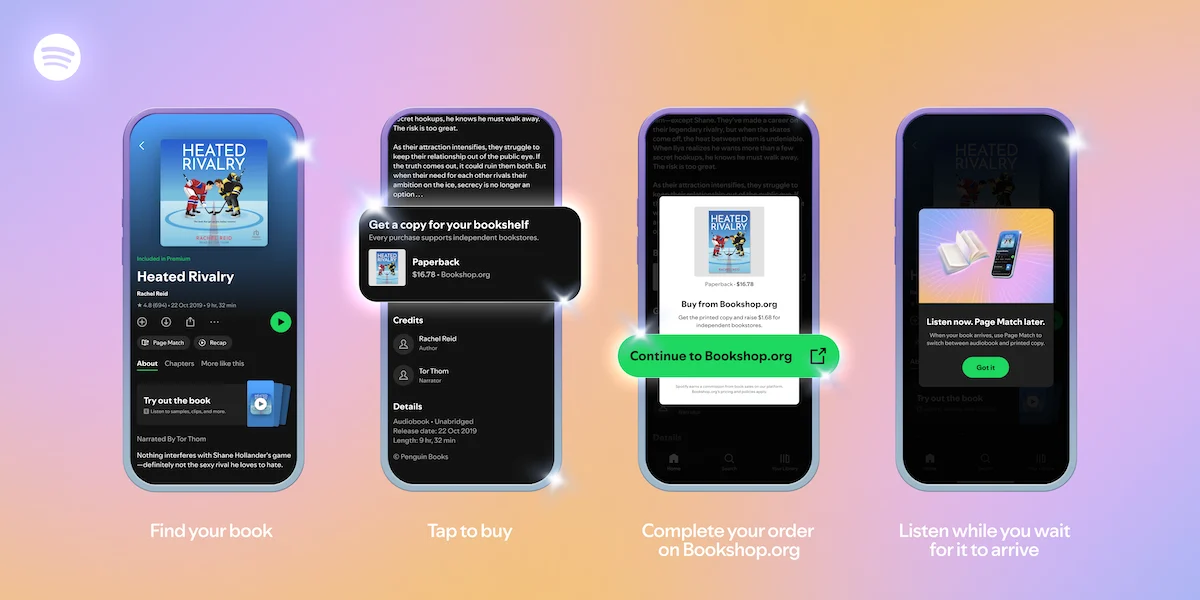
In a significant strategic pivot that blurs the lines between digital audio and the tangible world of print, Spotify has officially launched its highly anticipated physical book sales feature in the United States and the United Kingdom. This expansion, initially announced in February, marks a bold move by the audio streaming giant to solidify its position as a comprehensive destination for all things books, catering to both digital and physical formats. The new functionality is now live for users on Android devices, with an iOS rollout scheduled for the following week, signaling Spotify’s commitment to a unified user experience across platforms.
A Strategic Alliance for Literary Commerce
At the heart of this ambitious venture is a strategic collaboration with Bookshop.org, an online marketplace renowned for its dedication to supporting local, independent bookstores. This partnership is designed to leverage Bookshop.org’s established network and infrastructure while embedding a seamless purchasing pathway directly within the Spotify application. Users browsing audiobook pages within the Spotify app will now encounter a prominent button, clearly labeled "Get a copy for your bookshelf." Clicking this call to action will direct consumers to Bookshop.org’s platform, where the intricacies of pricing, inventory management, and shipping will be handled. This integration aims to simplify the book-buying process, allowing users to discover and acquire physical books with the same ease they might add a new podcast or song to their listening queue.
The move into physical book sales represents a calculated step by Spotify to diversify its revenue streams and enhance its appeal to a broader consumer base. In recent quarters, the company has been vocal about its pursuit of profitability, a strategy underscored by recent subscription price increases in key markets like the U.S. and Europe. This diversification into e-commerce aligns with a broader trend among digital platforms to create more integrated ecosystems that capture user attention and spending across multiple verticals. With a reported 751 million monthly active listeners, Spotify possesses a vast audience that represents significant untapped potential for book sales, particularly when combined with its existing audiobook catalog.
Enhancing the Audiobook Experience: Page Match and More
Beyond the introduction of physical book sales, Spotify has also rolled out several significant enhancements to its audiobook features, building upon its initial February announcements. The company’s innovative "Page Match" technology has seen a substantial expansion, now supporting over 30 additional languages, including French, German, and Swedish. This feature allows users to bridge the gap between physical or e-books and Spotify’s audiobook offerings. By using their smartphone camera to scan a page from a printed book or an e-reader, users can have Spotify’s AI analyze the content and instantly direct them to the corresponding section within the audiobook.
The early performance data for Page Match is compelling. Since its initial launch for English-language books, Spotify has observed that users who engage with the Page Match feature stream an average of 55% more audiobook hours per week compared to non-users. Furthermore, a notable 62% of audiobook titles discovered through Page Match were books that users had never streamed before, indicating the feature’s effectiveness in driving new audiobook consumption and expanding users’ literary horizons. This suggests that Page Match is not merely a convenience tool but a powerful engine for audiobook discovery and engagement, potentially converting casual readers into dedicated listeners.
Complementing these advancements is the official rollout of "Audiobook Recaps" on Android devices. This feature is designed to aid listeners in re-engaging with their current audiobook, especially after breaks in listening. Audiobook Recaps provides concise audio summaries that are specifically tailored to a user’s most recent point in the story, offering a quick and effective way to refresh their memory and seamlessly pick up where they left off. This feature addresses a common pain point for audiobook listeners, enhancing the overall listening experience and reducing the friction associated with resuming a lengthy narrative.
Expanding Reach and Discovery with Audiobook Charts
Further solidifying its commitment to the audiobook market, Spotify has also announced the broader availability of "Audiobook Charts." These charts function similarly to Spotify’s popular Music and Podcast Charts, providing users with insights into trending and popular titles. Following successful launches in the U.S. and U.K., Audiobook Charts are now accessible in Germany. This expansion aims to empower users to discover their next literary obsession by highlighting what’s resonating with the wider Spotify community, fostering a sense of shared discovery and curated recommendation.
The introduction of Audiobook Charts in new territories signifies Spotify’s strategic intent to build robust discovery mechanisms within its audiobook ecosystem. By providing transparent data on popular titles, Spotify not only aids user discovery but also offers valuable insights to authors and publishers about market trends and audience preferences. This data-driven approach can inform content creation and marketing strategies, ultimately contributing to a more vibrant and dynamic audiobook market.
Broader Implications and Future Outlook
Spotify’s aggressive expansion into the book market, encompassing both digital and physical formats, positions it as a significant contender against established booksellers. The company’s ambition to become a "one-stop shop for book lovers" suggests a long-term strategy to integrate literary commerce deeply into its entertainment platform. This could lead to a more holistic approach to content consumption, where users can seamlessly transition between listening to audiobooks, reading physical books, and discovering new literary works, all within a single application.
The strategic partnership with Bookshop.org is particularly noteworthy. By choosing to support independent bookstores, Spotify is aligning itself with a cause that resonates with many consumers who are increasingly conscious of where their money goes and the impact of their purchases. This ethical positioning could further differentiate Spotify from larger, more corporate competitors and foster goodwill among a significant segment of the book-buying public. The success of this model could also inspire similar collaborations, potentially revitalizing the independent bookstore landscape.
From a business perspective, the move into physical book sales presents an opportunity for Spotify to capture a larger share of consumer spending on entertainment and media. While the margins on physical goods may differ from those of digital subscriptions, the sheer volume of potential sales and the ability to cross-promote across its vast user base could prove highly lucrative. Furthermore, by integrating book sales, Spotify can collect valuable data on consumer preferences that extends beyond audio content, offering a more comprehensive understanding of its users’ interests. This data can then be leveraged for personalized recommendations, targeted advertising, and future product development.
The company’s focus on profitability, as evidenced by subscription price hikes and this new revenue stream, signals a maturing phase for Spotify. As it navigates the competitive landscape of audio entertainment, diversification and strategic partnerships are becoming increasingly crucial for sustained growth and market leadership. The integration of physical book sales, coupled with the enhancements to its audiobook platform, represents a sophisticated attempt to capture a larger segment of the global book market, transforming Spotify from a music and podcast streaming service into a multifaceted entertainment and commerce hub. The coming months will be critical in assessing the long-term impact of these initiatives, but the early signs suggest Spotify is charting a bold course towards a more comprehensive and commercially robust future.
About the Author





