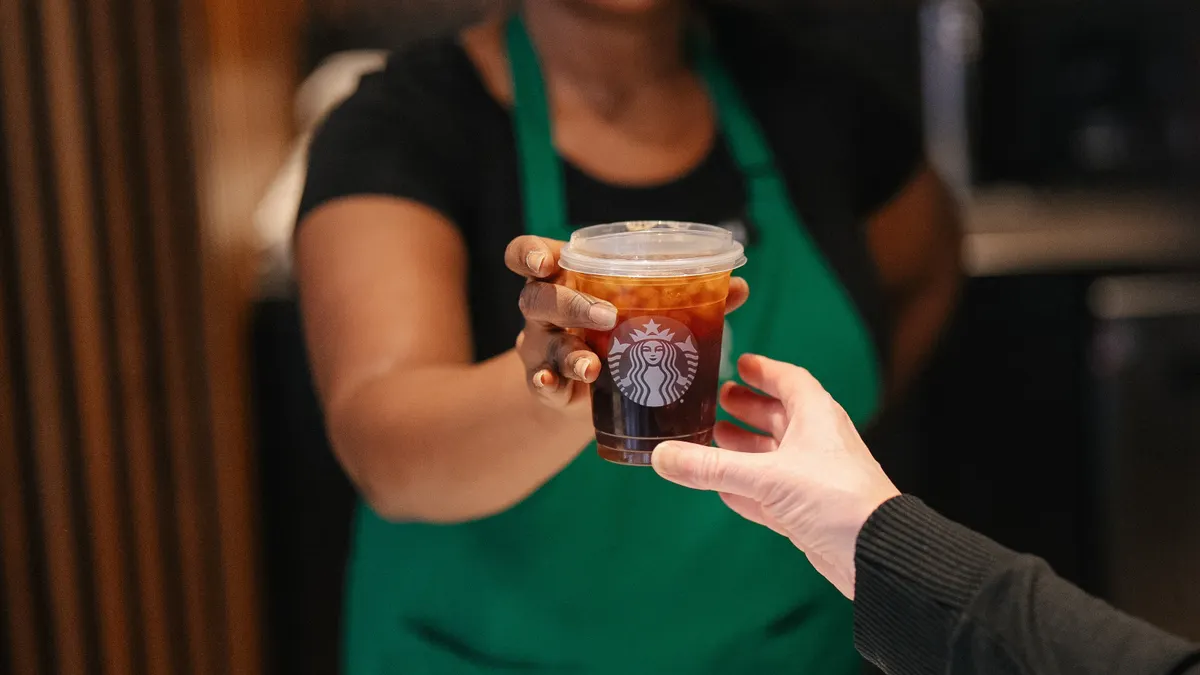
Seattle, WA – Starting in July 2026, Starbucks baristas and shift supervisors at stores that consistently meet key performance indicators will be eligible for quarterly bonuses of $300. This initiative, announced by the coffee giant on April 3, 2026, marks a significant investment in its frontline workforce and is part of a broader strategy to enhance employee engagement, reduce turnover, and improve store performance. The new bonus structure is designed to directly reward employees for achieving operational excellence and contributing to the company’s overall success.
A Strategic Move to Boost Workforce Morale and Productivity
The introduction of quarterly performance bonuses for baristas and shift supervisors is a pivotal element of Starbucks’ ongoing "Back to Starbucks" turnaround plan. This plan, which has already seen substantial investment, aims to revitalize the brand by focusing on both the customer experience and the employee experience. The $300 quarterly bonus is contingent upon stores hitting specific performance metrics, which are likely to include customer satisfaction scores, operational efficiency, and sales targets. By tying financial incentives to tangible results, Starbucks seeks to foster a culture of accountability and reward high-achieving teams.
This move comes at a time when the retail and food service industries are grappling with significant labor challenges, including recruitment difficulties and high turnover rates. Starbucks’ investment in its employees is a direct response to these market pressures, signaling a commitment to retaining its talent pool and attracting new workers. The company has stated its belief that by investing in its partners (employees), it can drive improvements in customer service and, consequently, in overall store performance.
Context and Chronology of Starbucks’ Workforce Initiatives
The current bonus program is not an isolated event but rather a continuation of a series of strategic decisions by Starbucks to strengthen its workforce. The "Back to Starbucks" plan, initiated in recent years, has been characterized by a multi-faceted approach that includes significant financial investments and operational adjustments.
- Early 2024: Starbucks began focusing on smaller, yet impactful, enhancements to the customer experience. This included the return of the popular coffee condiment bar in late 2024, a move that resonated with customers seeking a more personalized coffee experience.
- Mid-to-Late 2024: The company shifted its loyalty program strategy, moving away from extensive discounting. Simultaneously, a marketing campaign was launched to reinforce the brand’s premium positioning, aiming to attract and retain customers who value quality and experience.
- 2025: These initiatives began to yield positive results, with Starbucks reporting a return to same-store traffic increases in late 2025. This indicated a successful reversal of previous traffic declines.
- Early 2026: The company announced its intention to create thousands of "coffeehouse coach" roles. This new position serves as an intermediate management level, situated between hourly shift supervisors and store managers, signaling a career path for internal growth. Starbucks also committed to filling 90% of its retail leadership positions through internal promotions, underscoring a dedication to employee development.
- April 2026: The announcement of the quarterly performance bonuses for baristas and shift supervisors was made, effective July 2026. This addition to the compensation structure directly addresses frontline staff.
This timeline illustrates a deliberate and progressive strategy to rebuild and re-energize the Starbucks workforce and brand. The bonus program represents a more direct and immediate financial incentive for the employees who form the backbone of the company’s daily operations.

Financial Implications and Projected Impact on Employee Income
Starbucks estimates that the combination of expanded tipping options across various service channels and the new performance bonuses could lead to a substantial increase in the incomes of its frontline workers. The company projects a potential rise of between 5% and 8% in overall earnings for these employees. This projected income growth, coupled with the company’s shift towards weekly pay cycles, is intended to make Starbucks a more attractive and stable employer.
The financial commitment to these incentives is significant, reflecting a broader investment of as much as $500 million allocated to hourly labor and store renovations under the "Back to Starbucks" plan. The company anticipates that the enhanced store performance and improved customer satisfaction resulting from these investments will ultimately offset the costs associated with the incentive bonuses. This strategic financial allocation highlights Starbucks’ confidence in the return on investment from its workforce.
Addressing Unionized Stores and Collective Bargaining
For stores represented by Starbucks Workers United (SBWU), the implementation of these new compensation changes, including the performance bonuses, will be subject to collective bargaining. Federal labor law mandates that such changes must be negotiated with the union. This requirement underscores the ongoing dialogue and negotiation process between Starbucks and SBWU.

Recent developments suggest a potential thawing in the relationship between the company and the union. SBWU has reportedly reduced its initial basic wage demands by approximately 15%, a move that has brought both parties closer to resuming formal bargaining sessions. Representatives from both Starbucks and SBWU have expressed a willingness to re-engage in in-person talks, which could pave the way for mutually agreeable outcomes regarding compensation and working conditions. The outcome of these negotiations will be critical in determining how these new incentives are implemented in unionized locations.
Broader Impact on Employee Turnover and Customer Satisfaction
The introduction of performance-based bonuses and other recent initiatives are strategically designed to combat high employee turnover, a persistent challenge in the food service industry. By offering tangible rewards for performance and demonstrating a commitment to employee well-being through weekly pay and career development opportunities, Starbucks aims to create a more stable and motivated workforce. Reduced turnover not only lowers recruitment and training costs but also leads to a more experienced and consistent customer service experience.
Furthermore, the company anticipates that these investments will directly translate into improved customer satisfaction. A more engaged and well-compensated workforce is expected to provide better service, leading to a more positive in-store experience for customers. This, in turn, is projected to boost customer loyalty and drive repeat business. The early indicators from the turnaround plan, such as the return to same-store traffic increases in late 2025, suggest that these strategies are beginning to gain traction. Internal labor metrics released by Starbucks have indicated positive trends, including rising shift completion rates, facilitated by new scheduling tools that allow employees greater flexibility in managing their shifts. The company also reported a significant decrease in turnover and a robust applicant pool, with approximately one million individuals applying to work at Starbucks in the past year. These metrics serve as evidence that Starbucks’ comprehensive approach to workforce development and compensation is yielding encouraging results.
Analysis of Implications for the Coffee Industry
Starbucks’ proactive approach to employee compensation and development could set a new benchmark for the broader coffee and fast-casual restaurant industry. As companies continue to face labor shortages and increased competition for talent, offering competitive wages, performance incentives, and clear career progression pathways will become increasingly crucial. The success of Starbucks’ "Back to Starbucks" plan, particularly its focus on its partners, will likely be closely watched by competitors.
The company’s ability to offset investment costs through improved store performance and customer satisfaction will be a key indicator of the long-term viability of such extensive employee incentive programs. If Starbucks can demonstrate sustained positive financial and operational outcomes from these initiatives, it may encourage other major players in the industry to adopt similar strategies, potentially leading to a widespread improvement in working conditions and compensation for frontline food service workers. The integration of performance metrics into bonus structures also highlights a growing trend in the industry towards results-oriented compensation, aiming to align employee efforts directly with business objectives. The ongoing negotiations with unionized stores will also be a critical factor to observe, as they will shape how these new compensation models are implemented in a collective bargaining environment.
About the Author