San Francisco, CA – The burgeoning landscape of artificial intelligence (AI) startups has ushered in an unprecedented era of high-valuation seed funding, simultaneously creating significant hurdles for pre-seed stage companies, particularly those without a fully developed product. Recognizing this paradigm shift, TechCrunch Disrupt 2026 is poised to tackle these critical issues head-on, offering invaluable insights for early-stage founders navigating this increasingly competitive environment. The event, scheduled for October 13-15 at Moscone West in San Francisco, will feature a specialized panel titled "Winning Pre-Seed Without a Product," designed to equip aspiring entrepreneurs with the strategies needed to secure investment in the current climate.
The tech industry has witnessed a dramatic acceleration in AI innovation and adoption, translating into a surge of capital directed towards AI-centric ventures. Data from various venture capital reports, including those cited by TechCrunch earlier this year, indicates that AI startups are commanding exceptionally high valuations at the seed stage. This influx of capital and heightened investor interest, while beneficial for the AI sector, has inadvertently raised the bar for all early-stage companies. Pre-seed founders, who traditionally sought funding based on compelling ideas, strong teams, and market potential, now find themselves facing seed-stage expectations, often requiring tangible prototypes or even early user traction. This phenomenon is exacerbated by AI’s capability to expedite the development of Minimum Viable Products (MVPs), setting a new, faster pace for product realization.
The Evolving Pre-Seed Landscape: AI’s Impact on Funding Dynamics
Historically, the pre-seed stage served as a crucial proving ground for founders to validate their concepts, assemble core teams, and lay the groundwork for a future product, often with limited capital. Investors at this stage were typically betting on the vision and the individuals behind it. However, the AI revolution has fundamentally altered this dynamic. The ease with which AI tools and platforms can be leveraged to create sophisticated prototypes or even basic functional products means that the line between an "idea" and a "product" has blurred and moved forward. Investors, seeing the rapid progress achievable with AI, are increasingly looking for more than just a pitch deck; they expect to see a demonstrable proof of concept, even at the earliest stages.
This shift has created a dual challenge. Firstly, non-AI startups, or those not directly leveraging AI, may struggle to compete for investor attention and capital against the backdrop of highly funded AI counterparts. Secondly, even AI-focused pre-seed startups face elevated expectations. While AI might accelerate MVP development, the pressure to deliver something concrete sooner is intense. This environment underscores the urgent need for founders to refine their approach to fundraising, particularly when their offering is still largely conceptual.
"Winning Pre-Seed Without a Product": A Deep Dive into Strategy

The "Winning Pre-Seed Without a Product" panel at TechCrunch Disrupt 2026 aims to demystify these challenges, offering practical advice and actionable strategies. The session will explore whether there remains hope for founders with groundbreaking ideas but no concrete product to showcase. Experts on the panel are expected to dissect critical questions: What truly constitutes a compelling pitch in the absence of an MVP? How can founders effectively communicate market fit, scalability, and long-term vision? What intangible assets — such as team expertise, unique data access, or a proprietary research advantage — can substitute for a physical product in the eyes of early-stage investors?
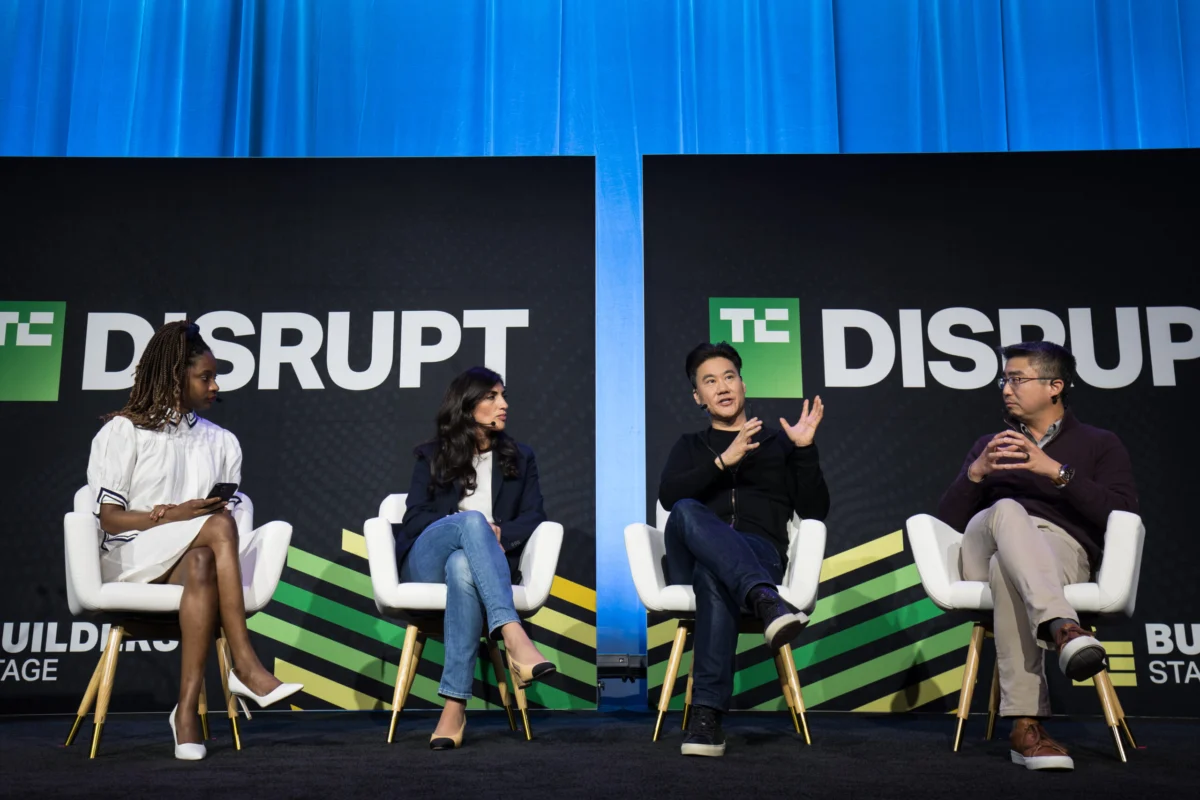
This particular session is a highlight of the popular Builders Stage at Disrupt 2026, a venue renowned for its pointed conversations and hands-on workshops. The Builders Stage is where attendees delve into the operational intricacies of scaling startups, covering everything from granular operational decisions to fundraising tactics, go-to-market strategies, and other vital subjects crucial for entrepreneurial success. The focus on practical, actionable advice makes it an indispensable resource for founders at all stages, especially those grappling with the current pre-seed funding climate.
Distinguished Panelists Offer Diverse Expertise
To provide comprehensive guidance on this nuanced and pivotal topic, TechCrunch has assembled a trio of highly respected speakers, each bringing unique perspectives from the venture capital and startup ecosystems:
Sandhya Venkatachalam: Founder, Managing Partner, Axiom Partners
Sandhya Venkatachalam is a formidable figure in the venture capital world, possessing extensive experience in identifying and nurturing successful ventures. Her career is marked by a deep understanding of what drives investor decisions, particularly concerning companies poised for significant acquisitions or market impact. Venkatachalam currently helms Axiom Partners, a newly launched early-stage venture fund with $52 million under management. Axiom Partners is strategically focused on connecting founders with elite AI practitioners, aiming to catalyze AI solutions that translate into tangible, real-world improvements across various industries.
Prior to establishing Axiom Partners, Venkatachalam held prominent roles as a General Partner at both Khosla Ventures and Social Capital. Her track record includes being the inaugural investor in Groq, a leading AI chip startup, and spearheading investments in other AI powerhouses such as GalileoAI, ForethoughtAI, and FirefliesAI. These companies have either achieved unicorn status or been successfully acquired, underscoring her astute ability to spot disruptive potential in its nascent stages. Her insights will be crucial for founders seeking to understand the investor mindset and articulate their vision effectively, even without a fully formed product. She is expected to share how founders can leverage their unique intellectual property, team strength, and a clear problem-solution fit to attract early investment in a competitive AI-driven market.

Puneet Agarwal: Managing Partner, True Ventures
Puneet Agarwal represents True Ventures, a venerable institution in the startup community that has consistently championed early-stage companies since its inception in 2005. Agarwal joined True Ventures in 2008 and has since evolved into a managing partner with a specialized focus on the transformative impact of AI on enterprise infrastructure and applications. His long tenure at one of the industry’s most respected funds positions him as an authority on venture capital expectations and investment criteria.
True Ventures’ expansive footprint, encompassing 12 funds, partnerships with over 500 companies and 1,050 founders, more than 60 acquisitions, and seven IPOs, speaks volumes about its success and influence. Agarwal’s insights will be particularly valuable for founders seeking to understand the enduring principles of venture capital investment, even as the market shifts. He is anticipated to shed light on how VCs evaluate potential in the absence of a tangible product, emphasizing the importance of a compelling narrative, a deep understanding of the problem being solved, and a clear roadmap for execution and future product development. His perspective will likely highlight the non-negotiable elements investors seek in a founding team and their proposed solution.
Austin Clements: Managing Partner, Slauson & Co.
Austin Clements, as managing partner of Slauson & Co., brings a distinct and highly relevant perspective to the panel, particularly for founders focused on societal impact and economic inclusion. While Slauson & Co. may not operate at the same scale as True Ventures, its mission-driven approach resonates deeply within the entrepreneurial ecosystem. The firm is dedicated to fostering economic inclusion and empowering small businesses, a focus that Clements actively champions. He has further amplified this mission by establishing an accelerator within Slauson & Co., specifically designed to nurture ventures aligned with these goals.
Clements’ commitment to broadening the founder community through inclusive efforts extends to his role as the founding chair of PledgeLA. In collaboration with the Annenberg Foundation and the Los Angeles Mayor’s office, PledgeLA actively promotes diversity within the tech community, advocating for equitable access to resources and opportunities. His participation in the panel will undoubtedly offer insights into how founders can articulate not just market potential, but also their vision for broader impact and community benefit, which can be a powerful differentiator for early-stage investors. Furthermore, Clements’ firm has a notable investment in GlÄ«d, the Startup Battlefield 2026 victor, demonstrating Slauson & Co.’s keen eye for promising startups even at their earliest stages. His experience with GlÄ«d, which likely won based on vision and early traction rather than a fully mature product, makes him an ideal speaker for this topic.
Broader Implications for the Startup Ecosystem

The discussions at TechCrunch Disrupt 2026, and particularly this panel, come at a crucial juncture for the global startup ecosystem. The AI funding frenzy, while exciting, risks creating a bottleneck for diverse ideas and founders who may not immediately fit the mold of an AI-driven, rapid-MVP-generating startup. Events like Disrupt play a vital role in democratizing access to knowledge and capital, providing a platform for founders to learn, network, and adapt to evolving market demands. The emphasis on "Winning Pre-Seed Without a Product" signifies TechCrunch’s commitment to ensuring that innovation is not stifled by new funding paradigms, and that promising ideas from all backgrounds continue to find their footing.
For founders, the implications are clear: a stronger focus on articulating a unique value proposition, demonstrating deep market understanding, showcasing unparalleled team expertise, and developing a robust narrative around future product evolution become paramount. The ability to convey a compelling vision and a credible path to execution, even in the absence of a fully baked product, is now more critical than ever. The event offers a unique opportunity to learn directly from investors who have successfully backed such ventures, gaining a competitive edge in a challenging funding climate.
Embrace the Disrupt 2026 Experience
The "Winning Pre-Seed Without a Product" panel is merely one facet of the rich programming planned for Disrupt 2026. As TechCrunch continues to unveil its lineup, the anticipation for the October 13 kickoff in San Francisco builds. The event is not only a hub for valuable insights and sessions but also a vibrant celebration of the entrepreneurial community. It provides an unparalleled environment for learning from successes and setbacks, forging new connections, and equipping oneself for the next phase of the startup journey. Whether an aspiring founder, a seasoned investor, or a professional playing any other vital role in the startup ecosystem, securing a ticket to Disrupt 2026 now offers access to the best prices for the remainder of the year and a chance to be part of a pivotal conversation shaping the future of tech.
About the Author