
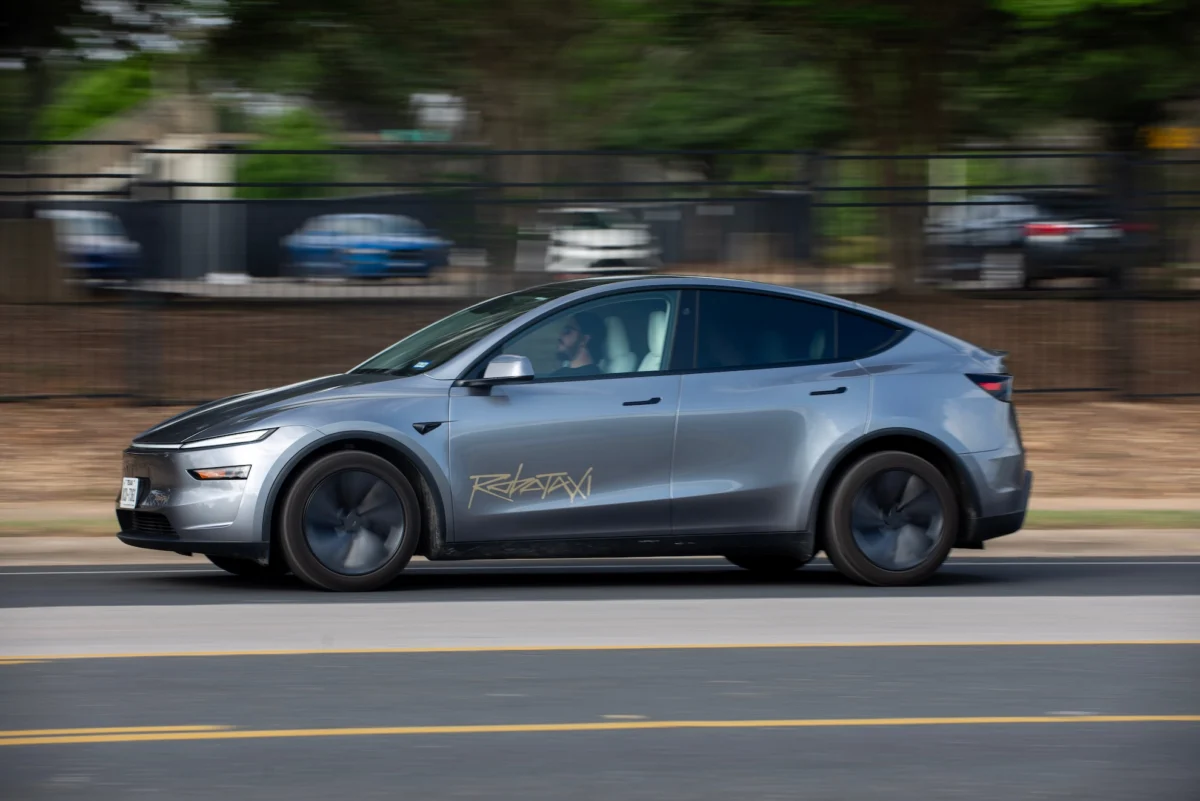
Tesla has officially expanded its autonomous robotaxi service, a key component of its long-term vision for mobility, to two major Texas metropolitan areas: Dallas and Houston. This strategic move signifies a significant deepening of the electric vehicle manufacturer’s footprint in the Lone Star State, where it has already been testing and operating its driverless ride-hailing service in Austin. The announcement was made via a direct social media post from the company, accompanied by a brief video showcasing Tesla vehicles navigating roadways without human oversight.
Expanding the Driverless Frontier in Texas
The social media announcement, which stated, "Robotaxi is now rolling out in Dallas & Houston," accompanied by a 14-second video, signals Tesla’s continued commitment to advancing its autonomous driving technology in real-world urban environments. The video, devoid of human drivers or safety monitors in the front seats, serves as a visual testament to the company’s progress in developing and deploying its driverless ride-hailing capabilities. This expansion places Tesla’s robotaxi service in three of Texas’s largest cities, underscoring the state’s role as a crucial testing ground for the company’s futuristic transportation ambitions.
A Phased Rollout and Evolving Technology
Tesla’s foray into autonomous ride-hailing began in Austin, Texas, where the service was initially launched. Over time, the company has progressively moved towards operating its robotaxis without human safety drivers. Reports indicate that the elimination of safety drivers in Austin began in January 2026, a critical milestone in the development and deployment of fully autonomous vehicles for public use. This phased approach, moving from initial testing with human oversight to driverless operations, is a common strategy in the complex and highly regulated field of autonomous vehicle deployment.
Performance and Scrutiny in Austin
While Tesla aims to revolutionize urban transportation with its robotaxi service, the technology has not been without its challenges and scrutiny. In February 2026, a filing revealed that Tesla’s robotaxis operating in Austin had been involved in 14 crashes since their launch. These incidents have drawn the attention of regulatory bodies, including the National Highway Traffic Safety Administration (NHTSA), highlighting the ongoing need for rigorous safety testing and oversight as this technology matures. The data, made public through various reports, underscores the complexities of integrating autonomous vehicles into existing traffic systems and the paramount importance of public safety.
Diversified Mobility Offerings
Beyond its fully autonomous robotaxi service, Tesla also maintains a more traditional ride-hailing operation in the San Francisco Bay Area. This service, however, still utilizes human drivers, offering a more limited form of ride-sharing. This distinction is important, as it showcases Tesla’s multi-pronged approach to the mobility market, catering to different stages of technological readiness and regulatory environments. The San Francisco offering serves as a bridge, allowing the company to gather data and refine its operational strategies while its fully autonomous systems are still undergoing extensive development and deployment.
Initial Fleet Size and Crowdsourced Data
Current data suggests that Tesla may be initiating its robotaxi service in Dallas and Houston with a relatively small fleet. Crowdsourced information from the Robotaxi Tracker website indicates the presence of only a single registered Tesla robotaxi in each of these new cities. This contrasts sharply with the reported 46 active vehicles logged in Austin, suggesting a gradual ramp-up in deployment rather than an immediate large-scale rollout. This cautious approach is likely influenced by a combination of factors, including regulatory approvals, infrastructure readiness, and the ongoing refinement of the autonomous driving software.
Historical Context and Technological Ambitions
Tesla’s pursuit of a robotaxi service is deeply intertwined with its overarching vision for the future of transportation and energy. The company, led by Elon Musk, has long articulated ambitions that extend beyond electric vehicle manufacturing to encompass autonomous driving, energy storage, and artificial intelligence. The robotaxi service represents a direct application of its advanced Autopilot and Full Self-Driving (FSD) software, aiming to transform personal transportation into a service-based model where vehicle owners can earn revenue by allowing their cars to be used for ride-hailing when not in personal use. This "Robotaxi network" concept has been a central tenet of Tesla’s long-term strategy, promising increased vehicle utilization and new revenue streams.
The journey to this point has been marked by a series of ambitious pronouncements and incremental advancements. Early iterations of Tesla’s driver-assist systems, such as Autopilot, have evolved significantly, with the company continuously updating its software through over-the-air updates. The development of FSD has been a more complex and prolonged endeavor, facing technical hurdles and regulatory scrutiny. The launch of robotaxi services in specific cities represents a critical phase in validating the capabilities of this technology in complex urban environments.
Regulatory Landscape and Public Perception
The expansion of robotaxi services across multiple cities is occurring against a backdrop of evolving regulatory frameworks and public perception regarding autonomous vehicles. While some jurisdictions have been open to embracing this new technology, others have adopted a more cautious approach, emphasizing safety and rigorous testing protocols. Tesla’s experiences, particularly the reported crashes in Austin, highlight the critical need for transparency and collaboration between technology developers, regulators, and the public.
The legal and ethical implications of fully autonomous vehicles are also significant. Questions surrounding liability in the event of accidents, data privacy, cybersecurity, and the potential impact on employment in the transportation sector are all areas that require careful consideration and ongoing dialogue. As Tesla expands its operations, it will likely face increased scrutiny from regulators and the public alike, necessitating a proactive approach to addressing these concerns.
Future Implications and Market Dynamics
The expansion into Dallas and Houston has several potential implications for the future of transportation in Texas and beyond. Firstly, it intensifies competition in the ride-hailing market, potentially offering consumers more options and driving innovation in pricing and service quality. Secondly, it could accelerate the adoption of electric and autonomous vehicles, contributing to broader goals of reducing carbon emissions and improving traffic efficiency.
Furthermore, Tesla’s success or challenges in these new markets will provide valuable data and insights for the entire autonomous vehicle industry. The company’s ability to scale its operations, ensure safety, and gain public trust will be crucial factors in shaping the future trajectory of robotaxi services. The long-term vision of a network where privately owned Teslas can function as autonomous taxis when not in use remains a compelling, albeit complex, proposition that this expansion seeks to bring closer to reality.
The strategic choice of Texas as a primary testing ground for Tesla’s robotaxi ambitions is not arbitrary. The state has generally adopted a more business-friendly regulatory environment, which may have facilitated Tesla’s rapid deployment. Moreover, Texas’s large and growing population, coupled with its sprawling urban centers, presents a significant market opportunity for ride-hailing services. The state’s commitment to technological innovation and its proactive stance on emerging industries likely play a role in attracting companies like Tesla to test and implement cutting-edge technologies.
As Tesla continues to refine its autonomous driving systems and expand its robotaxi network, the company faces the ongoing challenge of balancing technological advancement with safety, regulatory compliance, and public acceptance. The coming months and years will be critical in observing how these new deployments in Dallas and Houston fare, and whether they represent a significant step forward in Tesla’s ambitious journey toward a driverless future. The insights gained from these expansions will undoubtedly shape the future of autonomous mobility, not just for Tesla, but for the entire automotive industry. The company’s ability to navigate the complexities of urban deployment, address any unforeseen issues, and demonstrate the safety and reliability of its technology will be key to realizing its transformative vision for transportation.
About the Author





