The landscape of digital information discovery is undergoing its most significant transformation since the inception of the World Wide Web, as users move away from traditional keyword-based search engines toward generative artificial intelligence models. This shift, characterized by the transition from scanning "ten blue links" on a search results page to receiving synthesized, conversational answers, has birthed a new discipline known as AI Optimization (AIO). As of early 2025, digital strategists and content creators are increasingly pivoting their resources toward ensuring their information is cited by Large Language Models (LLMs) such as OpenAI’s ChatGPT, Anthropic’s Claude, and Perplexity AI.
The Paradigm Shift in Digital Discovery
For over two decades, Search Engine Optimization (SEO) served as the primary vehicle for organic traffic. Businesses focused on technical signals, backlink profiles, and keyword density to satisfy Google’s PageRank and subsequent algorithms. However, the emergence of AI-powered search has introduced a "zero-click" environment where the AI synthesizes data from across the web to provide a direct answer, often removing the necessity for the user to visit the source website.
Industry data suggests this is not a niche trend. ChatGPT reached 100 million monthly active users within two months of its launch, the fastest growth for any consumer application in history. By 2025, Google’s integration of "AI Mode" across 180 countries has further solidified this behavior. For content creators, appearing as the primary recommendation in an AI response has become as valuable—if not more so—than ranking in the top position on a traditional Search Engine Results Page (SERP).
Chronology of the AI Search Revolution
The transition to AI-centric discovery followed a rapid timeline of technological milestones and market reactions:
- November 2022: OpenAI releases ChatGPT, introducing the public to conversational information retrieval.
- February 2023: Microsoft integrates GPT-4 into Bing, marking the first major attempt to combine traditional search with generative AI.
- May 2023: Google announces the Search Generative Experience (SGE) at its I/O conference, signaling a fundamental change to its core product.
- 2024: Perplexity AI emerges as a "search-first" AI tool, prioritizing real-time web citations and gaining millions of daily users.
- Early 2025: Google reports a 10% increase in search revenue, totaling $50.7 billion in Q1, attributed largely to the success of AI-enhanced search features. Global availability of Google AI Mode marks the definitive end of the traditional search era.
Technical Framework of AI Optimization (AIO)
AIO differs from traditional SEO in its fundamental logic. While SEO focuses on visibility to an algorithm that ranks pages based on authority and relevance, AIO focuses on visibility to a model that evaluates content for its ability to provide a comprehensive, factual answer.
Traditional SEO signals like page load speed and meta descriptions remain relevant for user experience, but AI models prioritize semantic depth. They utilize a process of retrieval-augmented generation (RAG) to pull information from the web in real-time. To be selected as a source, content must be structured in a way that the LLM can easily parse, verify, and summarize.
The Economic Impact and Industry Response
The shift toward AI search has created a new economy for digital tools. As traditional analytics platforms like Google Search Console do not yet provide comprehensive data on AI citations, third-party developers have filled the void.
Market leaders such as Ahrefs and SE Ranking have introduced AI tracking features, with subscription costs ranging from $95 to over $129 per month. For smaller creators, the high cost of these tools has led to the development of custom automation workflows using platforms like Make.com to monitor brand mentions across various AI models.
Financial analysts note that the stakes are high. Companies that fail to adapt to AIO risk losing a significant portion of their organic reach. Conversely, early adopters who secure "top-of-mind" status within AI responses report higher quality leads, as the AI acts as a pre-vetting mechanism, recommending specific products or services based on the user’s nuanced needs.
Seven Strategic Pillars of AI Optimization
Evidence-based analysis of AI citation patterns reveals seven specific tactics that increase the likelihood of content being featured in AI-generated responses:
1. Verification and Statistical Density
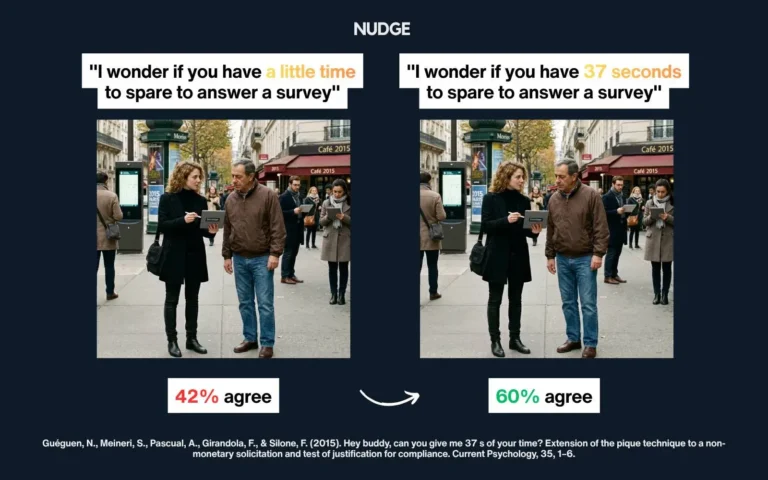
AI models demonstrate a measurable preference for factual, data-backed information. Content that includes specific numbers, percentages, and verifiable proofs is cited more frequently than generalized or opinion-based articles. Credibility is established through precision; for instance, citing "150,000 active users" is more effective than claiming a "large user base."
2. Community and Forum Integration
LLMs are trained extensively on human dialogue from platforms like Reddit and Quora. Strategic participation in these forums—provided it is authentic and value-additive—creates a footprint of organic mentions. When an AI model encounters consistent recommendations for a brand or resource across community discussions, it is more likely to view that resource as an authority.
3. Natural Language and Conversational Query Targeting
AIO requires a shift from "keyword stuffing" to answering natural language questions. Users interact with AI by asking complete sentences, such as "What is the most cost-effective SaaS hosting for a startup?" Content structured to answer these specific, long-tail queries directly is prioritized by the models.
4. Structured Data and Parsing Efficiency
AI models excel at processing information that is already organized. The use of comparison tables, bulleted lists, and step-by-step guides allows the AI to extract and present information with minimal processing friction. This structural clarity often results in the AI "lifting" entire sections of a site to serve as the answer.
5. Cross-Platform Authority Signals
Consistency across different digital channels—including social media, guest publications, and primary websites—signals legitimacy to an AI model. When a model cross-references information and finds a consistent narrative and expertise across multiple sources, the probability of citation increases.
6. Temporal Relevance and Freshness
Models with real-time web access, such as Perplexity and Google’s AI Mode, prioritize recent information. Explicit signals of freshness, such as "Last Updated" dates and references to current events or 2025 statistics, are essential for maintaining visibility in rapidly evolving industries.
7. Technical Implementation of JSON-LD
The use of JSON-LD (JavaScript Object Notation for Linked Data) provides a machine-readable layer to a website. By using Schema.org vocabulary to label content as "FAQ," "HowTo," or "Product," creators provide the AI with a roadmap of the page’s purpose, ensuring higher accuracy in how the information is retrieved and cited.
Broader Implications for the Future of Information
The rise of AIO suggests a future where the quality of information is more important than the volume of content. Because AI models can synthesize thousands of pages into a single paragraph, the "middle class" of mediocre content is expected to see a sharp decline in traffic.
Furthermore, the relationship between platforms and publishers is being redefined. With the threat of "cannibalized" traffic, where users get all they need from the AI without clicking through, publishers are increasingly focused on becoming "the" authoritative source that the AI cannot ignore.
Legal and ethical considerations also loom. As AI models use copyrighted content to generate answers, the industry is watching for regulatory frameworks that may mandate compensation for cited sources. Until such regulations are established, AIO remains the primary defensive and offensive strategy for maintaining organic visibility.
Strategic Outlook for 2025 and Beyond
The window of opportunity for AIO is currently wide, as many traditional businesses have yet to update their digital strategies. However, as the field matures, competition for AI citations will likely mirror the intensity of the early days of SEO.
Experts suggest that a sustainable strategy involves a hybrid approach: maintaining traditional SEO for users who still prefer Google’s classic interface, while aggressively optimizing for the conversational, data-dense requirements of AI. The ultimate goal is to ensure that regardless of the tool a user chooses—be it a search engine, a chat interface, or a voice assistant—the brand’s information is the synthesized answer provided to the consumer.
In conclusion, AI Optimization is not merely a technical update but a fundamental shift in how human knowledge is indexed and retrieved. As user behavior continues to favor the efficiency of AI-generated summaries, the ability to be cited by these models will define the next generation of digital winners and losers. Consistent monitoring, data-driven content creation, and technical precision are the new requirements for any entity seeking to remain visible in the age of artificial intelligence.
About the Author