Washington D.C. – The U.S. Office of Personnel Management (OPM), the central human resources agency for the federal government, has experienced a dramatic decline in its workforce, losing over a third of its staff in a period coinciding with the initial phase of President Donald Trump’s second term. An analysis conducted by the Government Accountability Office (GAO) revealed that OPM shed approximately 35% of its employees, translating to over 1,000 individuals, within a span of just over a year. This significant attrition rate raises concerns about the agency’s capacity to address existing skills gaps and fulfill its critical functions in managing the federal workforce.
The findings, released in a recent GAO report, highlight a troubling trend for an agency tasked with the vital responsibility of overseeing federal personnel policies, benefits, and personnel security. The losses at OPM are described as risking the exacerbation of pre-existing skills deficits that the GAO had previously identified and recommended OPM address. This situation comes at a time when the federal government, like many large organizations, is navigating complex challenges in talent acquisition, retention, and development.
A Troubling Trend: OPM’s Workforce Decline
The period under scrutiny by the GAO report, spanning roughly from early 2026 through mid-2027, saw OPM’s staffing levels plummet. While the report does not explicitly attribute these losses to specific policy decisions or events, the timing, which aligns with the beginning of a potential second presidential term, invites analysis into the broader context of federal employment and agency management. Historically, shifts in presidential administrations can lead to changes in agency priorities, leadership, and operational focus, which in turn can impact workforce stability.
The GAO’s methodology likely involved a detailed examination of OPM’s employment records, comparing staffing numbers at different points in time to quantify the extent of the reduction. The figure of "over 1,000 workers" represents a substantial loss for an agency of OPM’s size and importance. Understanding the composition of these departures – whether through attrition, retirements, or other means – would provide further insight into the specific challenges OPM may be facing. For instance, if a significant portion of departing employees were senior staff with specialized expertise, the impact on institutional knowledge and operational capacity would be particularly severe.
The "Situationship" of the Modern Worker: A Broader Phenomenon
Beyond the specific challenges at OPM, a broader trend in the workforce is emerging, with a significant percentage of workers viewing their current employment as a "situationship" – a temporary arrangement driven by necessity rather than long-term commitment. A survey conducted by Zety, a career development platform, revealed that 59% of surveyed workers do not perceive a sustainable, long-term future with their present employers. This sentiment is largely attributed to a dissatisfaction with growth opportunities, even as financial considerations remain a primary driver for remaining in a role.
This finding underscores a critical disconnect between employer expectations and employee aspirations. In an era where career paths are increasingly fluid and the concept of lifelong employment with a single organization is becoming a relic of the past, workers are actively seeking environments that offer professional development, skill enhancement, and clear avenues for advancement. When these elements are perceived as lacking, even the security of a paycheck may not be enough to foster loyalty or engagement.
The "situationship" phenomenon has significant implications for employers across all sectors, including the federal government. It highlights the need for proactive talent management strategies that go beyond compensation and benefits. Organizations must invest in robust learning and development programs, create clear career progression frameworks, and foster a culture that values employee growth. Failure to do so risks a continuous cycle of recruitment and retention challenges, impacting productivity, innovation, and overall organizational effectiveness.
The Critical Role of Managers in Talent Development
The importance of effective management in nurturing employee growth is further emphasized by insights from the American Management Association (AMA). Manny Avramidis, President and CEO of the AMA, states, "Talent development can’t sit outside the daily work experience. It needs to be reinforced by managers through communication and practical application." This statement points to a fundamental truth: managers are not merely supervisors but are pivotal figures in fostering the development of their teams.

However, a recent AMA study, as referenced in the article, indicates that managers themselves often lack the necessary support to effectively guide employee development. This creates a critical gap, where the intended beneficiaries of talent development initiatives may not receive the guidance and reinforcement they need to thrive. If managers are not equipped with the skills and resources to mentor, coach, and provide constructive feedback, opportunities for learning and growth within an organization may stagnate.
This lack of support for managers is particularly concerning in large, complex organizations like the federal government. The sheer scale and diversity of roles within federal agencies necessitate a robust and well-supported management cadre capable of nurturing talent across various disciplines. Without adequate training in leadership, communication, and employee development strategies, the potential for cultivating a skilled and engaged federal workforce is significantly diminished. The AMA study’s findings suggest that investing in the development of managers is a prerequisite for any successful organizational talent development strategy.
Broader Implications for Federal Workforce Management
The dual challenges of significant agency staffing losses at OPM and the broader "situationship" mindset among workers present a complex landscape for federal workforce management. The federal government, often a benchmark for employment stability and benefits, is not immune to the evolving expectations of the modern workforce.
The attrition at OPM could have cascading effects. As the central HR agency, its capacity to effectively administer programs, provide guidance to other agencies, and implement new workforce initiatives could be compromised. This could lead to delays in policy implementation, reduced support for federal employees, and a potential slowdown in efforts to modernize federal HR practices.
Furthermore, the "situationship" trend suggests that even federal jobs, traditionally seen as secure, may not be enough to retain top talent if they are perceived as lacking opportunities for growth and development. This could exacerbate existing recruitment challenges, particularly in specialized fields where competition for talent is fierce. Federal agencies may find themselves struggling to attract and retain individuals with in-demand skills if they cannot offer compelling career paths and development opportunities.

Moving Forward: Addressing the Skills Gap and Fostering Growth
The GAO’s findings regarding OPM’s staffing losses and the Zety survey’s insights into worker sentiment provide a clear call to action for federal leadership. Addressing the pre-existing skills gaps requires a multifaceted approach:
- Strategic Workforce Planning: OPM, despite its recent challenges, needs to re-establish its capacity for strategic workforce planning. This involves identifying future skill needs, assessing current workforce capabilities, and developing targeted strategies for recruitment, development, and retention.
- Investing in Managerial Development: As highlighted by the AMA, a significant investment in training and supporting federal managers is crucial. This should include equipping them with the skills to effectively coach, mentor, and foster employee growth.
- Enhancing Career Development Pathways: Federal agencies must actively work to create more dynamic and transparent career development pathways. This could involve offering more cross-agency training opportunities, supporting continuous learning, and providing clear guidance on how employees can advance within the federal system.
- Modernizing HR Practices: Federal HR practices need to evolve to meet the expectations of the modern workforce. This includes leveraging technology for more efficient HR processes, embracing data analytics to inform workforce decisions, and fostering a more agile and responsive HR function.
- Communicating Value Beyond Stability: While job security remains a key attraction of federal employment, agencies need to effectively communicate the value proposition beyond stability. This includes highlighting opportunities for impactful work, professional development, and contributions to public service.
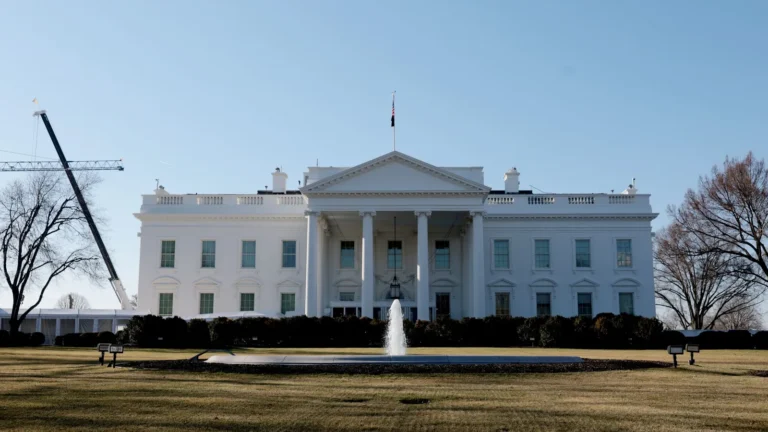
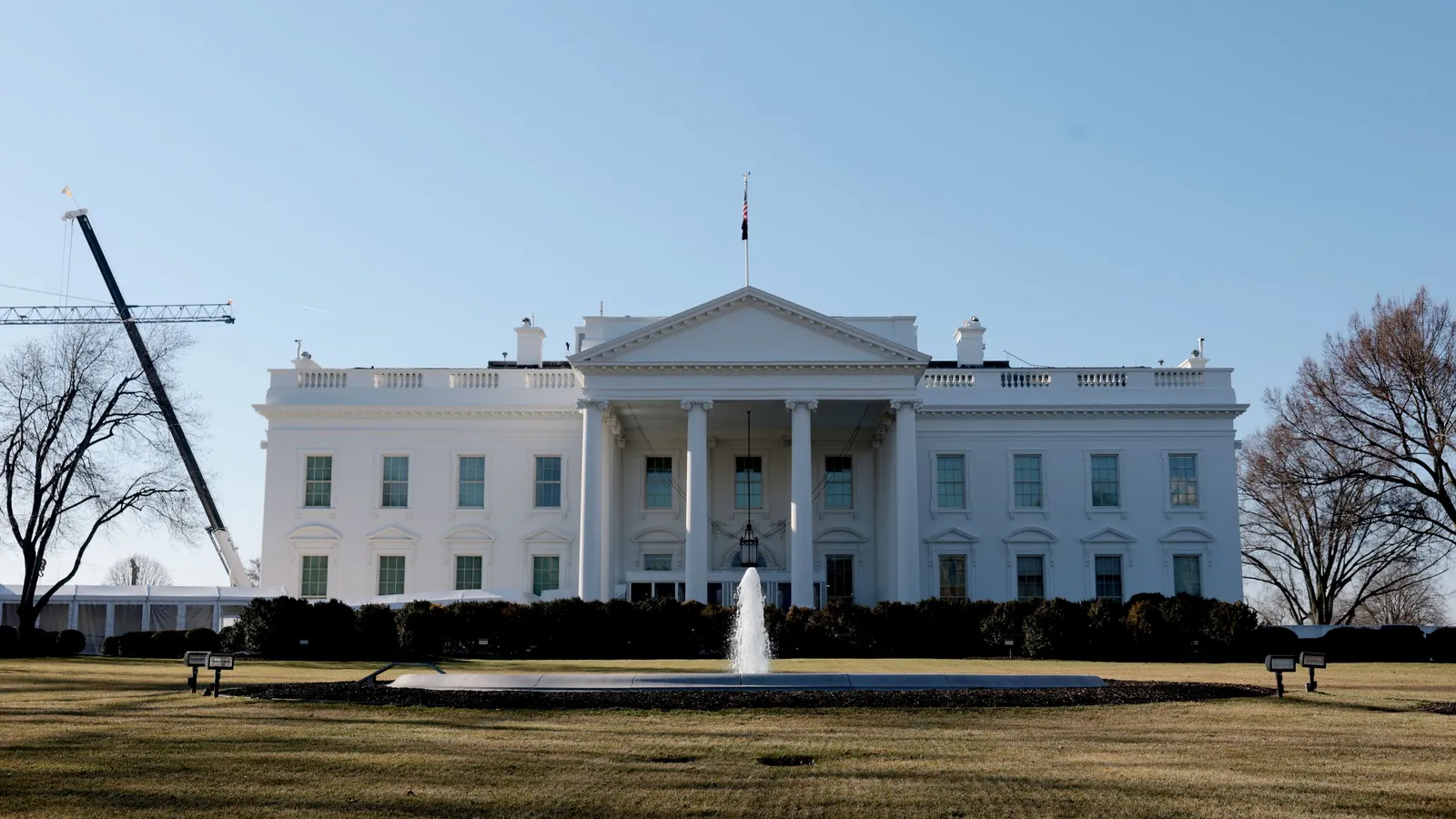
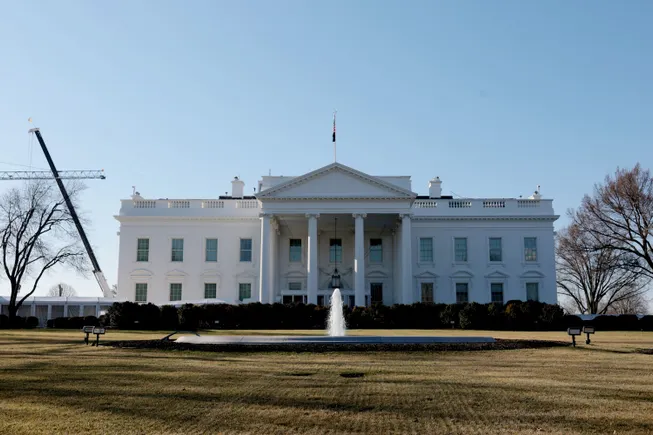
The image of the White House with a construction crane in the background, while symbolic of progress and development, also serves as a reminder of the ongoing work required to maintain and strengthen the institutions that underpin the nation’s governance. The significant losses at OPM and the broader workforce trends are not merely administrative concerns; they have direct implications for the government’s ability to effectively serve its citizens. By proactively addressing these challenges, the federal government can work towards building a more resilient, skilled, and engaged workforce capable of meeting the demands of the future.
About the Author