The digital marketing landscape is currently undergoing a fundamental transformation as AI Optimization (AIO) emerges as a critical successor to traditional Search Engine Optimization (SEO), driven by the rapid adoption of large language models (LLMs) like ChatGPT, Claude, and Perplexity. For over two decades, the primary gateway to the internet was the search engine results page (SERP), characterized by a list of "ten blue links." However, the integration of real-time web browsing into AI models has shifted user behavior toward conversational discovery, where direct answers and synthesized citations replace the traditional journey of clicking through multiple websites to gather information. This shift represents a paradigm change for content creators, businesses, and digital strategists who must now optimize for machine-learned synthesis rather than just algorithmic indexing.
The Chronological Evolution of Search Paradigms
The transition from traditional search to AI-driven discovery has occurred with unprecedented speed. A timeline of this evolution illustrates the rapid erosion of the traditional search monopoly:
- November 2022: OpenAI launches ChatGPT, reaching 100 million users within two months—the fastest growth for a consumer application in history. This milestone signaled the beginning of a shift in how information is queried.
- Early 2023: Perplexity AI and other "answer engines" gain traction by providing cited, real-time web data, moving beyond the static training data limitations of earlier LLMs.
- Late 2023: Major search engines begin integrating generative AI into their core interfaces. Microsoft’s Bing Chat (now Copilot) and Google’s Search Generative Experience (SGE) represent the first major corporate attempts to bridge the gap between links and answers.
- 2024: Google launches "AI Mode" (also known as AI Overviews) across more than 180 countries. This feature provides AI-generated summaries at the top of search results, fundamentally altering the "above-the-fold" real estate of the web.
- Q1 2025: Financial reports indicate the economic impact of this shift. Google reported a 10% increase in search revenue, reaching $50.7 billion for the quarter, largely attributed to the successful integration of AI features that increased user engagement and ad performance.
Understanding the Mechanics of AI Optimization
AIO differs from traditional SEO in its fundamental evaluation criteria. While SEO focuses on technical signals such as page load speed, meta-tag density, and backlink volume, AIO prioritizes the semantic relevance and factual density of content. AI models do not merely index keywords; they attempt to understand the intent behind a query and the credibility of the information provided in response.
Language models use probabilistic decision-making to select sources. During a real-time web search, an AI model like ChatGPT or Claude scans available content and selects sources that best satisfy the user’s prompt in a comprehensive, natural-language format. Consequently, visibility in the AI era is less about "ranking #1" and more about being the "cited authority."
Industry analysts note that being cited by an AI model provides a stronger credibility signal than a traditional link. When an AI summarizes a website’s content and includes a citation, it serves as a pre-vetted endorsement. This creates "qualified traffic," where the user arriving at the website has already been briefed on the content’s value by the AI, leading to higher engagement metrics compared to traditional cold-click search traffic.
The Economic Impact and Corporate Response
The rise of AIO has forced a strategic pivot among the world’s largest technology firms. Google’s transition to an AI-first search experience is not merely a feature update but a defensive and offensive business maneuver. By providing direct answers, Google aims to retain users who might otherwise migrate to specialized tools like Perplexity or OpenAI’s SearchGPT.
The financial stakes are significant. In the first quarter of 2025, Google’s $50.7 billion in search revenue proved that AI-enhanced search could be more profitable than traditional models. This success suggests that AI-generated answers will likely become the default interface for most queries, rather than a separate "mode." However, this evolution poses a challenge for publishers who rely on click-through rates. The "zero-click" search phenomenon—where users find all the information they need on the search page without visiting the source—is expected to intensify, making AIO citations the only viable way to remain visible in the digital ecosystem.
Seven Tactical Pillars of a Modern AIO Strategy
To maintain visibility as AI models become the primary search tool for millions, content creators are adopting a new set of optimization tactics. These strategies are designed to align with how LLMs process and synthesize information:
1. Factual Density and Verifiable Data
AI models exhibit a measurable preference for statistics, numbers, and verifiable proof. Content that provides specific data points—such as "150,000 active users" rather than "a large user base"—is more likely to be cited. Precise data signals credibility to the model’s training parameters.
2. Community-Based Authority
Language models rely heavily on community discussions from platforms like Reddit and Quora to understand human consensus. Authentic engagement on these platforms creates a "footprint" that AI models encounter during training and real-time retrieval.
3. Natural Language Query Alignment
Unlike keyword-stuffing, AIO requires content to be structured around natural-language questions. Optimizing for "What is the most cost-effective way to build a SaaS?" is now more effective than targeting the keyword "SaaS building costs."
4. Structural Clarity and Parseable Data
Models excel at processing information organized in tables, bulleted lists, and step-by-step guides. Structured content allows an AI to extract and present information accurately, increasing the likelihood of a citation.
5. Multi-Platform Consistency
AI models cross-reference information across multiple sources. Maintaining a consistent message across a website, social media, and third-party publications reinforces a brand’s authority, making it a "trusted node" in the model’s knowledge graph.
6. Temporal Relevance and Freshness
Models with web access prioritize recent information. Explicitly stating "Last Updated" dates and referencing current events provides "freshness signals" that prevent content from being overlooked in favor of newer articles.
7. Technical Schema Implementation
The use of JSON-LD structured data (Schema.org) remains vital. This machine-readable code helps AI models categorize content accurately, whether it is an FAQ, a product review, or a technical guide.
The Measurement Gap: Tracking AIO Performance
One of the primary challenges facing the digital marketing industry is the lack of standardized analytics for AI search. Unlike Google Search Console, which provides detailed metrics on impressions and clicks, AI platforms like ChatGPT and Perplexity do not currently provide website owners with comprehensive performance data.
This has led to the emergence of a new sector in the marketing technology (MarTech) industry: AIO tracking tools. Companies like Ahrefs, SE Ranking, and specialized startups like Keyword.com and First Answer have introduced features that systematically query AI models to track brand mentions. These tools typically cost between $39 and $129 per month, creating a barrier for smaller publishers.
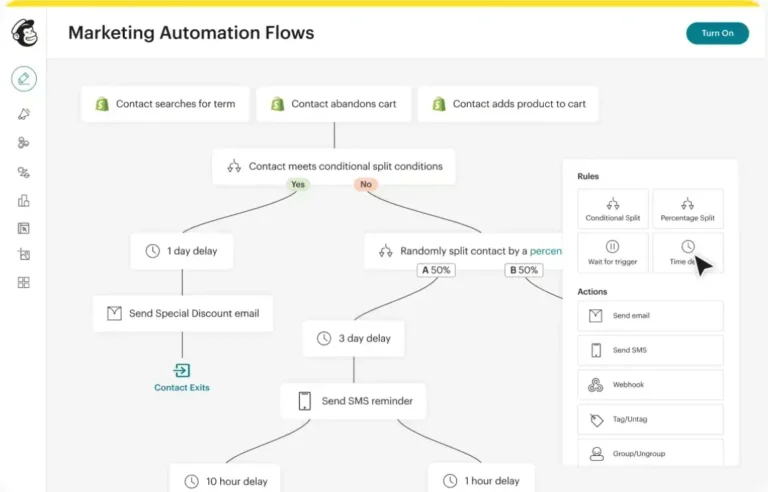
In response, some developers are utilizing no-code automation platforms like Make.com to build custom tracking systems. By using APIs to send periodic prompts to LLMs and recording the citations in a database, publishers can manually reconstruct their visibility trends. This data-driven approach is essential for moving AIO from speculative experimentation to a measurable business strategy.
Global Implications and Future Trajectory
The global availability of AI-powered search in over 180 countries indicates that this is not a localized trend but a worldwide shift in information consumption. As the sophistication of these models increases, they will likely move toward greater personalization, where answers are tailored to an individual user’s history and preferences.
For the publishing industry, the implications are profound. The traditional "link economy" is transitioning into a "citation economy." While this may reduce overall traffic for some informational sites, it increases the value of the traffic that does arrive, as those users are more deeply qualified.
Furthermore, regulatory bodies are beginning to scrutinize how AI models use copyrighted content to generate answers. The future of AIO may involve complex licensing agreements between AI companies and major publishers, potentially creating a tiered system of visibility where "preferred partners" are cited more frequently.
Conclusion: The Necessity of Early Adoption
The window for early adoption of AI Optimization is narrowing. As more organizations recognize that AI models are becoming the default search interface for the next generation of internet users, the competition for citations will mirror the intensity of the early days of SEO.
The current landscape offers a significant advantage to those who restructure their content to meet the needs of machine-learned synthesis. By focusing on factual accuracy, structural clarity, and multi-platform authority, businesses can ensure they remain visible in an era where the "blue link" is no longer the primary path to discovery. The shift to AIO is not merely a technical update; it is a fundamental realignment of how human knowledge is organized, retrieved, and delivered in the 21st century.
About the Author